
 Kiribati
Phoenix Islands Protected Area
The Phoenix Island Protected Area (PIPA) is a 408,250 sq.km expanse of marine and terrestrial habitats in the Southern Pacific Ocean.
Phoenix Islands Protected Area
🏛️ Overview & Historical Significance
The Phoenix Islands Protected Area (PIPA) in the central Pacific nation of Kiribati stands as one of the ultimate frontiers of marine conservation on Earth. Spanning approximately 408,250 square kilometers (157,626 square miles), this oceanic wilderness encompasses eight coral atolls—Kanton, Enderbury, Birnie, McKean, Rawaki, Manra, Orona, and Nikumaroro—along with two submerged reef systems and expansive deep-sea habitats reaching depths over 4,000 meters.
Inscribed as a UNESCO World Heritage Site in 2010, PIPA was recognized for its exceptional natural beauty and its globally significant ecological processes. Positioned thousands of kilometers from major continental landmasses, PIPA serves as an invaluable baseline for marine research and climate change impact studies in 2026. The sanctuary shelters over 500 fish species, 120 species of coral, sea turtles, pelagic sharks, and vital nesting grounds for tens of thousands of migratory seabirds.
Beyond its ecological value, the region carries intriguing historical footnotes. Nikumaroro Atoll is internationally famous as the hypothetical landing site of aviation pioneer Amelia Earhart during her ill-fated 1937 round-the-world flight attempt. Meanwhile, Kanton Atoll served as a strategic refueling stop for trans-Pacific commercial aviation in the mid-20th century. Today, only Kanton maintains a tiny administrative footprint of around 20 to 40 Kiribati government personnel and their families, while the rest of the archipelago remains completely uninhabited.
🎟️ Entrance Fees, Opening Hours & Ticket Booking Tips
Visiting the Phoenix Islands Protected Area is not a standard tourism experience; there are no visitor centers, turnstiles, or ticket booths. Because PIPA is one of the most strictly regulated marine reserves on the planet, entry requires official government authorization and special environmental clearances months before departure.
Estimated 2026 Permit Fees & Costs
-
✦
PIPA Environmental Visitor Permit: Estimated at $750 to $1,500 USD (approx. $1,150 to $2,300 AUD) per person, collected by the Ministry of Environment, Lands and Agricultural Development (MELAD) and the PIPA Conservation Trust.
-
✦
Vessel Customs, Port & Immigration Clearances: $250 to $500 USD (approx. $380 to $770 AUD) per expedition vessel upon entering Kiribati territorial waters.
-
✦
Guided Atoll Access Fee (Kanton / Designated Areas): $100 to $200 USD per visitor, paid directly to local island council administration on Kanton.
Opening Hours & Booking Logistics
The protected area is technically accessible 24 hours a day, 365 days a year, but physical access is limited entirely by weather windows and strict permit approvals. Expedition operators must apply for permits at least 4 to 6 months in advance. Individual travelers cannot purchase tickets on arrival; you must join an authorized expedition cruise or charter a licensed marine vessel that handles all Kiribati government paperwork on your behalf.
🚌 How to Get There & Local Transit Costs
Reaching PIPA requires navigating some of the most isolated ocean stretches on the planet. There are no scheduled commercial flights or public ferries serving the Phoenix Islands. Expedition travel requires careful planning from regional hubs in the Pacific.
Step-by-Step Transport Route
-
✦
Fly to a Regional Hub: Book commercial flights to Tarawa (Bonriki International Airport - TRW) in Kiribati via Fiji Airways or Nauru Airlines, or fly into Suva Travel Budget/Nadi Travel Budget, Fiji (NAN) or Honolulu, Hawaii (HNL). Return Flight Cost Estimator from major cities to Tarawa generally range between $1,200 and $2,500 USD depending on origin.
-
✦
Board a Long-Range Charter Vessel: From Tarawa, Fiji, or Hawaii, you must board an ice-class or ocean-going expedition vessel equipped for deep ocean transits. PIPA lies roughly 1,000 km east of Tarawa and 1,500 km southwest of Kiritimati (Christmas Island).
-
✦
Ocean Transit: Sailing from Tarawa or Fiji to the Phoenix Islands takes 4 to 6 days each way across open ocean waters.
Transit & Vessel Costs
-
✦
Expedition Liveaboard Charter (Per Person Shared Berth): $1,200 to $2,500 USD per day (includes transit, room, meals, and permit coordination).
-
✦
Private Yacht Charter (Full Vessel Allocation): $10,000 to $25,000+ USD per day depending on vessel length, fuel burn, and crew requirements.
-
✦
Kanton Airstrips (Air Charter Option): While Kanton has an unpaved airstrip, emergency and special air charters from Tarawa require specialized twin-engine aircraft and cost upwards of $20,000 to $35,000 USD one-way, making marine transit the primary choice.
📸 Best Photography Spots & Insider Visit Hacks
Photographing PIPA offers rare opportunities to capture marine environments unaffected by coastal urban development and industrial pollution.
Top Photography Spots
-
✦
Rawaki (Phoenix Island) Seabird Colony: Home to hundreds of thousands of breeding great frigatebirds, red-footed boobies, and sooties. Capture wide-angle landscape shots of dense bird clouds against pristine white coral beaches.
-
✦
Nikumaroro South Lagoon & Shoreline: Capture the dramatic, wild reef edge where the SS Norwich City shipwreck remains visible at low tide, framed by deep turquoise waters.
-
✦
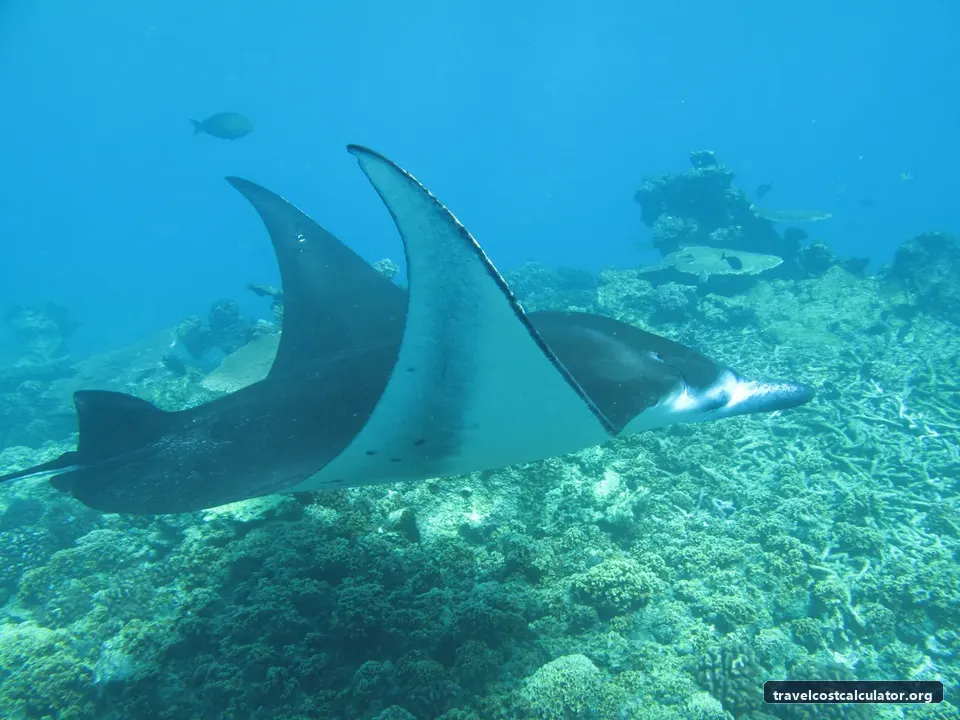
Kanton Lagoon Coral Pass: Underwater photographers will find pristine hard coral gardens, schooling grey reef sharks, and giant manta rays swimming through crystal-clear water with visibility exceeding 40 meters (130 feet).
Insider Visit Hacks for 2026
-
✦
Optimal Seasonal Weather: Schedule your expedition between May and October during the drier season when trade winds stabilize, ocean swells diminish, and underwater visibility peaks. Avoid November through April due to unpredictable equatorial squalls and high seas.
-
✦
Strict Biosecurity Compliance: To protect endemic birds, landing on uninhabited islands like Rawaki or McKean requires strict biosecurity protocols. Expect to wash equipment and wear fresh, vacuum-sealed clothing before stepping ashore.
-
✦
Underwater Optics: Bring dome ports for Split Travel Budget-level (over/under) photographs. The contrast between bright sunlight, white sand, and deep blue drop-offs requires high dynamic range sensors and strong neutral density filters.
-
✦
Satellite Communication: Cell service does not exist across PIPA (except intermittent satellite connections on Kanton). High-bandwidth satellite communications like Starlink Maritime are essential for safety and operational logistics.
🏨 Nearby Accommodation & Daily Budget Allocation
There are no commercial hotels, resorts, hostels, or eco-lodges located within the Phoenix Islands Protected Area. Visitors live onboard their expedition vessels or yacht charters for the entire duration of the trip.
Accommodation Options
-
✦
Expedition Cruise Vessels / Liveaboards: The primary mode of accommodation. Vessels provide air-conditioned cabins, full catering, dive platforms, and motorized tenders for island shore visits.
-
✦
Kanton Island Rest House (Government Permit Required): Basic, rustic accommodations exist on Kanton Island for visiting scientists and official personnel. Facilities are basic with limited power and tank water; booking is strictly managed via MELAD.
Estimated Daily Budget Breakdown (2026 Estimates)
Because trip packages for PIPA are all-inclusive, daily budgets are dictated by vessel class rather than individual daily spending on land:
-
✦
Mid-Range Expedition Share: $1,200 – $1,800 USD per day (Covers vessel berth, all meals, permit fees, dive logistics, and tender transfers).
-
✦
Luxury Private Charter: $3,000 – $6,000+ USD per day per guest (Covers custom itinerary, private dive masters, private chef, and satellite broadband access).
-
✦
Dining & Meals: All meals are provided onboard expedition ships. Fresh seafood is sourced responsibly under strict local subsistence permits, supplemented by stored ship provisions. Visitors must bring all personal snacks, specialized dietary items, and medical supplies.
Frequently Asked Questions
Essential visitor FAQs for Phoenix Islands Protected Area
What is the entrance fee for Phoenix Islands Protected Area?
How much time do you need to explore Phoenix Islands Protected Area?
How do I get to Phoenix Islands Protected Area from the nearest city?
📊 Heritage Quick Specs
Visiting Kiribati on a Budget?
Calculate your full daily travel budget for Kiribati — including hotel costs, local transport, food, and sightseeing expenses.
View Kiribati Daily Travel Costs →Explore more UNESCO World Heritage Sites
🏛️ All 1,200+ Heritage Sites →