
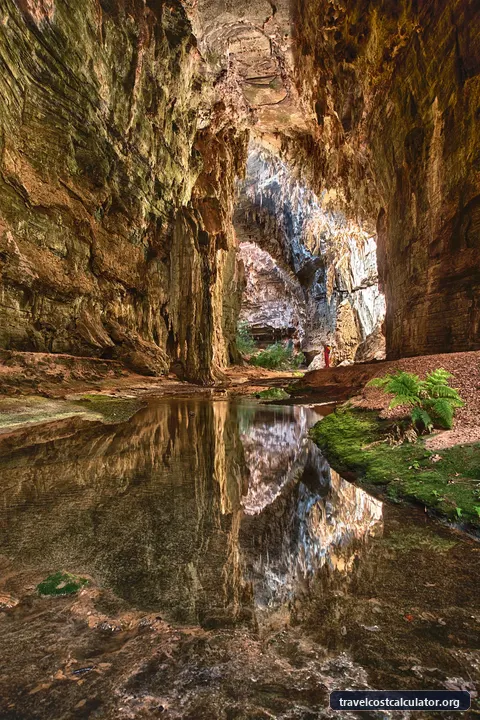
 Brazil
Peruaçu River Canyon
Located in northern Minas Gerais and featuring dramatic karst landscapes, vast caves, and rich biodiversity, the park’s horizontal cave systems, formed in carbonate rock, reveal striking speleothems, collapsed dolines, limestone arches, and underground rivers.
Peruaçu River Canyon
🏛️ Overview & Historical Significance
Carved out over hundreds of millions of years in the rugged northern region of Minas Gerais, Brazil, the Peruaçu River Canyon (located within the Parque Nacional Cavernas do Peruaçu) is one of South America's most awe-inspiring natural and cultural sanctuaries. Spanning over 56,000 hectares of pristine Cerrado and Caatinga transitional ecosystems, this dramatic geological corridor features towering limestone cliffs, colossal subterranean archways, and gargantuan cave galleries carved by the collapsing bed of the ancient Peruaçu River.
Following years of global conservation efforts and rigorous academic documentation, the site was officially designated as a UNESCO World Heritage site in 2025. UNESCO recognized the canyon for its extraordinary dual value: an unparalleled karst landscape of international geological significance combined with one of the dense concentration of prehistoric rock art on Earth. Human occupation in the canyon dates back over 12,000 years, leaving behind thousands of vibrant cave paintings and petroglyphs attributed to ancient hunter-gatherer traditions (primarily the Tradição São Francisco and Tradição Planalto). Highlights include the breathtaking Gruta do Janelão—a subterranean mega-cave housing the world's largest recorded stalactite, known as the Perna da Bailarina ("Dancer's Leg"), standing at an astonishing 28 meters tall.
🎟️ Entrance Fees, Opening Hours & Ticket Booking Tips
Access to the Peruaçu River Canyon is strictly regulated by Brazil’s federal conservation agency, ICMBio (Instituto Chico Mendes de Conservação da Biodiversidade), to preserve its fragile cave environments and rock art panels.
Estimated 2026 Entrance Costs & Requirements
-
✦
Park Admission Fee: R$ 45 – R$ 60 BRL (~$8 – $12 USD) per person, per day.
-
✦
Mandatory Accredited Guide Fee: Independent entry without a guide is strictly illegal. Visitors must hire a certified local guide (condutor ambiental credenciado). Guide fees range from R$ 250 to R$ 350 BRL (~$45 – $65 USD) per group per day (groups are capped at a maximum of 8 visitors per guide). If traveling solo or as a couple, you can Split Travel Budget this fee with other travelers at the park entrance or through your pousada.
Opening Hours & Logistics
-
✦
Park Operating Hours: Tuesday through Sunday (plus public holiday Mondays) from 8:00 AM to 5:00 PM.
-
✦
Daily Trail Entry Cut-offs: Access to long trails (such as the Janelão Circuit) closes by 10:30 AM to ensure groups complete their subterranean treks safely before nightfall.
Pro Booking Hacks for 2026
Because daily visitor quotas are strictly enforced for each cave circuit (typically under 200 visitors per day across the park), advance planning is crucial during peak months (June to September). Contact the Associação de Condutores Ambientais do Peruaçu (Peruaçu Environmental Guide Association) via their official ICMBio portal links or through your accommodation in Itacarambi at least 2 to 3 weeks prior to arrival to lock in your guide.
🚌 How to Get There & Local Transit Costs
The Peruaçu River Canyon is located in a remote part of northern Minas Gerais. The primary urban gateway with commercial airport access is Montes Claros (MOC), located approximately 230 kilometers south of the park base.
Step 1: Arrival in Montes Claros
Fly into Montes Claros Airport (MOC) from major Brazilian transit hubs such as Belo Horizonte (CNF) or São Paulo (GRU/VCP). Return domestic flights generally range between $120 and $250 USD depending on booking lead times.
Step 2: Montes Claros to Itacarambi / Januária
Itacarambi is the closest base town to the park (45 km from the main visitor center), while Januária is a larger town located 60 km away on the banks of the São Francisco River.
-
✦
By Rental Car (Recommended): Renting a car at Montes Claros Airport provides maximum flexibility for rural driving. Modern compact cars average R$ 140 – R$ 220 BRL (~$25 – $40 USD) per day. The drive takes roughly 2.5 to 3 hours via highway BR-135 and MG-401. Roads are largely paved, though watch out for potholes and wandering livestock near rural stretches.
-
✦
By Intercity Bus: Express buses operated by companies like Transnorte run daily from Montes Claros Bus Station (Rodoviária) to Itacarambi. Ticket fares cost R$ 65 – R$ 90 BRL (~$12 – $16 USD) one-way and take approximately 3.5 to 4 hours.
Step 3: Itacarambi to Park Visitor Center
If traveling without a rental vehicle, you can hire local 4x4 transfers or arrange transport with your accredited guide from Itacarambi to the park entrance (Fabião I Visitor Center). Expect round-trip daily transfer fees of R$ 150 – R$ 250 BRL (~$28 – $46 USD) per vehicle.
📸 Best Photography Spots & Insider Visit Hacks
Top Photography Locations
-
✦
Gruta do Janelão Skylights: Midday sun rays shoot through massive roof collapses (dolines), lighting up ancient rock formations in a dramatic beam effect. Frame your shot to capture scale by putting a fellow hiker under the giant 28-meter Perna da Bailarina stalactite.
-
✦
Lapa dos Desenhos: The premier spot for archaeological photography. This sheer cliff wall showcases vibrant red, ochre, and charcoal figures depicting prehistoric wildlife, geometric patterns, and ritualistic symbols preserved for thousands of years.
-
✦
Arco do André: A colossal natural bridge spanning across the river canyon trail, offering unbelievable wide-angle landscape shots framing the lush subterranean vegetation against weathered limestone walls.
-
✦
Lapa Bonita & Lapa do Revez: Known for their delicate white calcite speleothems, curtain formations, and mirror-like subterranean pools.
Insider Visit Hacks for 2026
Optimal Lighting Windows: To capture the iconic light beams cutting through cave ceilings, enter the Gruta do Janelão circuit between 10:30 AM and 1:30 PM. Bring a tripod capable of handling low-light environments, along with a wide-angle lens (14mm-24mm equivalent).
Seasonal Weather Advice: Plan your trip during the dry season (May to October). River levels drop, hiking trails inside the canyon are fully dry and accessible, flash flood risks are zero, and mosquito density is minimal. The wet season (November to April) can cause temporary trail closures due to rising river waters.
Required Gear Essentials: Closed-toe hiking boots with strong traction are mandatory (inspectors will deny entry to open sandals). Bring headlamps or high-lumen flashlights (guides carry spares, but your own light source is critical), at least 2.5 liters of water per person, high-SPF sunblock, and insect repellent for open trail sections.
🏨 Nearby Accommodation & Daily Budget Allocation
The town of Itacarambi serves as the primary base for exploring Peruaçu due to its proximity (45-minute drive to the park gate). Januária offers more commercial options but adds an extra 30-45 minutes of driving time each way.
Where to Stay (2026 Price Estimates)
-
✦
Budget Pick: Local eco-pousadas and guesthouses in Itacarambi (e.g., Pousada Cavernas do Peruaçu or regional homestays). Basic air-conditioned rooms with traditional Mineiro breakfast range from R$ 140 to R$ 220 BRL (~$25 – $40 USD) per night.
-
✦
Mid-Range Pick: Pousada Olho d'Água or Hotel Viva Maria (Januária). Comfortable rooms with swimming pools, Wi-Fi, private parking, and regional dining on-site. Expect R$ 280 to R$ 450 BRL (~$50 – $80 USD) per night.
Dining & Regional Cuisine Costs
Northern Minas Gerais is famous for its rich culinary heritage. Don't miss traditional dishes like Rice with Pequi, Galinhada, and fresh river fish such as Surubim na Chapa. Self-serve buffets (comida a kilo) and local dinner spots cost approximately R$ 40 – R$ 80 BRL (~$7 – $15 USD) per meal.
Estimated Daily Budget Breakdowns
-
✦
Backpacker Budget Planner: ~$45 – $65 USD / day (sharing guide fees with a group, taking public transit from Montes Claros, staying in basic pousadas, eating local self-serve meals).
-
✦
Mid-Range Traveler: ~$100 – $150 USD / day (rental car split between 2 people, private mid-range pousada, dedicated daily guide, full dining).
-
✦
Luxury / Custom Photography Tour: ~$250 – $380 USD / day (private 4x4 transfer, top accommodation suite in Januária, exclusive private guide for custom lighting times, fine dining).
Frequently Asked Questions
Essential visitor FAQs for Peruaçu River Canyon
What is the entrance fee for Peruaçu River Canyon?
How much time do you need to explore Peruaçu River Canyon?
How do I get to Peruaçu River Canyon from the nearest city?
📊 Heritage Quick Specs
Visiting Brazil on a Budget?
Calculate your full daily travel budget for Brazil — including hotel costs, local transport, food, and sightseeing expenses.
View Brazil Daily Travel Costs →Explore more UNESCO World Heritage Sites
🏛️ All 1,200+ Heritage Sites →