
 Iran
Persepolis
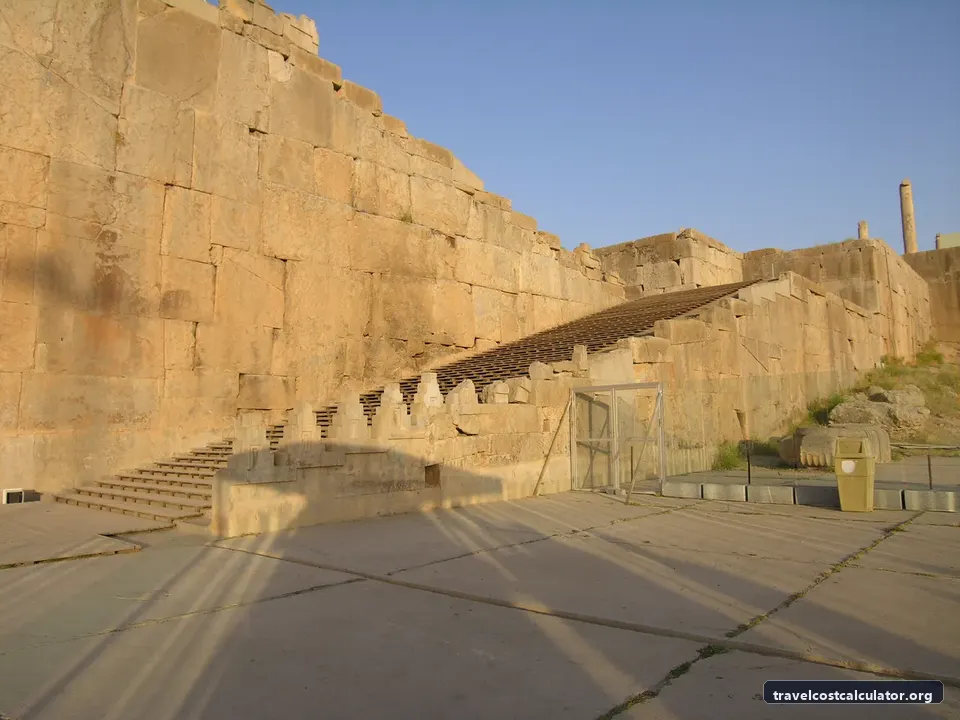
Founded by Darius I in 518 B.C., Persepolis was the capital of the Achaemenid Empire. It was built on an immense half-artificial, half-natural terrace, where the king of kings created an impressive palace compl...
Persepolis
🏛️ Overview & Historical Significance
Rising dramatically against the arid backdrop of the Kuh-e Rahmat (Mountain of Mercy) in southwestern Iran, Persepolis stands as one of the most magnificent architectural monuments of the ancient world. Known locally as Takht-e Jamshid ("Throne of Jamshid"), this ancient ceremonial capital was founded around 518 BCE by Darius I (Darius the Great), the third king of the Achaemenid Empire. Designed to showcase the immense power, cultural diversity, and wealth of an empire that spanned from Egypt to the Indus River, Persepolis served not as an administrative city, but as a sacred stage for seasonal celebrations, royal inaugurations, and the grand annual Nowruz (Persian New Year) tribute festivals.
The site was inscribed as a UNESCO World Heritage Site in 1979 under Criteria (i), (iii), and (vi). UNESCO recognized Persepolis for its exceptional testament to ancient Achaemenid architecture and monumental stone sculpting. Built upon a massive, semi-artificial terrace covering nearly 125,000 square meters, the complex features sprawling palaces, towering columned halls, grand reception chambers, and sophisticated underground drainage systems. The sheer quality of the bas-relief stone carvings—depicting ambassadors from 23 subject nations bringing gifts in peace—reflects an unprecedented level of artistic synthesis between Egyptian, Mesopotamian, Elamite, and Greek craftsmanship.
Persepolis met a tragic, dramatic end in 330 BCE when Alexander the Great captured and looted the city, setting fire to the great Palace of Xerxes and the Apadana. Scholars still debate whether this destruction was a calculated act of revenge for the Persian burning of the Acropolis in Athens Travel Budget a century earlier or a drunken accident. Despite the devastating fire and centuries of wind erosion, the surviving stone columns, relief staircases, and imposing stone portals remain an astonishing monument to human ingenuity and ancient geopolitical grandiosity.
🎟️ Entrance Fees, Opening Hours & Ticket Booking Tips
Navigating logistics for Persepolis in 2026 requires understanding Iran's unique currency landscape and site-entry regulations. Because international credit cards (Visa, Mastercard) do not function in Iran due to international banking sanctions, visitors must carry cash or obtain an Iranian prepaid tourist debit card upon arrival.
-
✦
Main Site Entrance Fee (Foreign Tourists): Approximately 1,500,000 to 2,500,000 IRR (~$10.00 – $15.00 USD equivalent depending on official tourist exchange rates).
-
✦
Secondary Sites (Naqsh-e Rostam & Naqsh-e Rajab): Tickets for nearby rock-cut tombs are purchased separately at their respective gates, costing roughly 800,000 to 1,200,000 IRR (~$5.00 – $8.00 USD) each.
-
✦
Summer Opening Hours (April – September): 8:00 AM – 7:00 PM daily.
-
✦
Winter Opening Hours (October – March): 8:00 AM – 5:00 PM daily.
Essential Ticket Booking & On-Site Tips for 2026:
Advanced online booking is generally unavailable for non-Iranian cardholders; tickets must be purchased in person at the on-site ticket counter. Arrive with physical cash in Iranian Rials (IRR) or clean USD/Euros, or use an Iranian tourist card (such as MahCard or DaricPay) loaded with local currency. Hiring an official English-speaking guide at the main gate costs between $20.00 and $35.00 USD for a 2-hour tour—a vital investment to fully decipher the intricate carvings and complex layout of the palace grounds. Always double-check operating hours around national mourning days and major holidays like Nowruz (late March), when local crowds peak dramatically.
🚌 How to Get There & Local Transit Costs
Persepolis is located approximately 60 kilometers (37 miles) northeast of Shiraz Travel Budget, the nearest major hub city equipped with an international airport, high-speed regional transport hubs, and extensive tourist amenities. Most visitors base themselves in Shiraz and make a half-day or full-day excursion to the complex.
1. Private Taxi & Rideshare Apps (Most Popular & Convenient)
Hiring a private driver for a round-trip day journey remains the most practical option for international travelers. A dedicated private taxi booked through your hotel or standard driver union in Shiraz costs approximately $25.00 to $40.00 USD (15,000,000 – 25,000,000 IRR). This rate covers the 50-minute drive each way, plus up to 4 hours of waiting time at Persepolis and a quick stop at Naqsh-e Rostam. Alternatively, tech-savvy travelers can use Snapp (Iran's ride-hailing app, operating seamlessly in 2026), though arranging the return leg back to Shiraz directly from the isolated archaeological zone via app can be challenging without pre-arranging with your driver.
2. Shared Taxi (Savari) & Local Bus (Budget Option)
For backpackers seeking minimum expenditure, head to Shiraz's Karandish Bus Terminal or the Ali ibn Hamzeh square. Take a shared taxi (Savari) bound for the town of Marvdasht (costing roughly $1.50 to $2.50 USD / 1,000,000 IRR per seat). From the main taxi stand in Marvdasht, hire a short local cab ride to the entrance of Persepolis for roughly $3.00 to $5.00 USD. Total round-trip transit cost using this method stays well under $10.00 USD per person.
3. Organized Group Tours
Numerous agencies in central Shiraz offer daily group bus or minibus tours to Persepolis, Naqsh-e Rostam, and Pasargadae (the tomb of Cyrus the Great). Prices range from $30.00 to $55.00 USD per person, inclusive of round-trip transportation, lunch, English-speaking guide services, and museum entrance fees.
📸 Best Photography Spots & Insider Visit Hacks
Capturing the full architectural scope of Persepolis requires precise timing and tactical movement across the high stone terrace. The site faces west toward the Marvdasht plain, making light quality dramatically different throughout the day.
Prime Photography Locations:
-
✦
The Gate of All Nations (Xerxes' Gate): Frame the imposing pair of Lamassu (colossal winged bulls with human heads) guarding the eastern and western entrances. Shoot from low angles during early morning to capture soft golden light streaming between the stone pillars.
-
✦
The Apadana Palace Staircases: Detailed bas-relief sculptures of lotus flowers, Persian and Mede soldiers, and diplomatic delegations from across the ancient world line these stairways. Morning light provides crisp, shadow-free illumination across the delicate facial features and braided hair details of the relief figures.
-
✦
Tombs of Artaxerxes II and Artaxerxes III: Carved high into the mountain cliffside directly behind the main terrace, these rock tombs require a 15-minute uphill climb. The reward is the single best panoramic overlook of the entire Persepolis complex, best photographed in the late afternoon as the setting sun illuminates the ruins below.
Insider Visit Hacks for 2026:
Beat the Heat & Crowds: The open limestone plateau offers zero shade, and midday temperatures between June and August regularly exceed 40°C (104°F). Plan your visit for March to May or September to November. Arrive right at the 8:00 AM opening time to explore before tour buses arrive around 10:00 AM, or visit past 4:00 PM for golden-hour photography.
Strict Dress Code Compliance: Remember that Iran’s national modest dress codes apply strictly at historical sites. Women must wear a headscarf (hijab) covering hair, along with loose-fitting clothing that covers arms and legs. Men should wear long pants and avoid sleeveless shirts. Comfortable, flat walking shoes are non-negotiable, as you will traverse several kilometers of uneven ancient stone and gravel paths.
🏨 Nearby Accommodation & Daily Budget Allocation
While basic guesthouses exist near Marvdasht, the vast majority of travelers stay in Shiraz, which boasts a rich hotel ecosystem featuring beautifully restored Qajar-era traditional mansions, modern high-rises, and social hostels.
Recommended Shiraz Accommodation Options (2026 Estimates):
-
✦
Budget Hostels: Taha Hostel or Shiraz Heritage Hostel — Dorm beds start at $10.00 – $18.00 USD per night; private rooms from $25.00 – $35.00 USD. Great for solo travelers looking to pool transport costs to Persepolis.
-
✦
Mid-Range Boutique Hotels: Niayesh Traditional Hotel or Forough Traditional House — Courtyard-style historical houses featuring stained glass windows and central fountains. Rooms cost between $45.00 and $85.00 USD per night, including breakfast.
-
✦
Luxury Accommodation: Zandiyeh Hotel or Grand Hotel Shiraz — Modern 5-star amenities near historical monuments. Rooms range from $100.00 to $180.00 USD per night.
Daily Budget Allocation Breakdown for a Persepolis Excursion Day:
To assist in your financial planning, here is what a typical day trip to Persepolis and surrounding sites costs per person depending on your travel style:
-
✦
Backpacker Tier (~$35 – $50 USD / day): Shared hostel dorm bed ($15), shared transit/savari to site ($8), entrance tickets ($15), street food/kebab lunch ($5).
-
✦
Mid-Range Comfort Tier (~$90 – $150 USD / day): Traditional boutique hotel room ($60), private taxi with wait time ($30), entrance tickets + English guide ($30), sit-down dinner at Haft Khan or Shapouri Pavilion ($20).
-
✦
Luxury Tier (~$250+ USD / day): 5-star accommodation ($140), private air-conditioned SUV with licensed archaeologist guide ($80), all premium entry passes ($30), fine dining ($30+).
Frequently Asked Questions
Essential visitor FAQs for Persepolis
What is the entrance fee for Persepolis?
How much time do you need to explore Persepolis?
How do I get to Persepolis from the nearest city?
📊 Heritage Quick Specs
Visiting Iran on a Budget?
Calculate your full daily travel budget for Iran — including hotel costs, local transport, food, and sightseeing expenses.
View Iran Daily Travel Costs →Explore more UNESCO World Heritage Sites
🏛️ All 1,200+ Heritage Sites →