
 United States
Papahānaumokuākea
Papahānaumokuākea is a vast and isolated linear cluster of small, low lying islands and atolls, with their surrounding ocean, roughly 250 km to the northwest of the main Hawaiian Archipelago and extending over some 1931 km.
Papahānaumokuākea
1. 🏛️ Overview & Historical Significance
Inscribed as a dual-criteria UNESCO World Heritage Site in 2010, Papahānaumokuākea Marine National Monument is one of the largest marine conservation areas on planet Earth. Encompassing a staggering 1.5 million square kilometers (583,000 square miles) of the Pacific Ocean, this remote chain of ocean waters, coral atolls, and small islands stretches 1,200 miles (1,931 km) northwest of the main Hawaiian Islands. It is one of the very few mixed World Heritage sites in existence, recognized for both its extraordinary ecological value and its profound cultural weight.
The name Papahānaumokuākea (pronounced Pa-pa-hah-nah-oh-mo-koo-ah-keh-ah) honors two Hawaiian ancestors: Papahānaumoku (the Earth mother) and Wākea (the Sky father). In Native Hawaiian cosmology, this region is considered the realm of Pō—the primordial darkness from which all life originates and to which spirits return after death. Island outcrops such as Nihoa and Mokumanamana (Necker Island) bear pristine archaeological sites, including ancient basaltic heiau (shrines) and agricultural terraces, proving that early Polynesian navigators settled and conducted sacred rituals here as far back as 1000 CE.
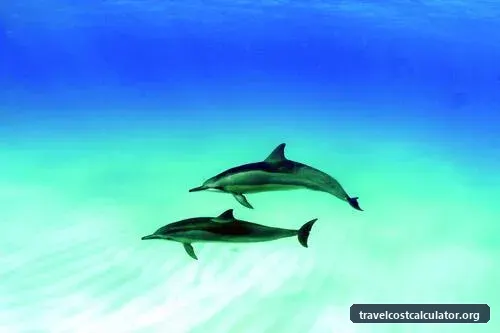
Ecologically, Papahānaumokuākea is an ocean wilderness of global importance. Its shallow coral reefs shelter over 7,000 marine species, roughly one-quarter of which are endemic to the Hawaiian Archipelago. It serves as the primary nesting sanctuary for 99% of the world’s Laysan albatrosses and 95% of the black-footed albatrosses, while providing a critical sanctuary for the critically endangered Hawaiian monk seal (Monachus schauinslandi) and the threatened Hawaiian green sea turtle (Honu).
2. 🎟️ Entrance Fees, Opening Hours & Ticket Booking Tips
To preserve its hyper-fragile ecosystems and sacred Hawaiian heritage, access to the physical waters and landmasses of Papahānaumokuākea is strictly regulated by federal and state law. Standard public tourism inside the sanctuary itself is prohibited. However, travelers can experience the monument through official visitor hubs and sanctioned scientific or cultural permit channels in 2026.
Public Visitor Center: Mokupāpapa Discovery Center (Hilo, Big Island)
Because direct travel to the remote Northwestern Hawaiian Islands requires specialized federal authorization, the Co-Trustees created the primary gateway for travelers on the Island of Hawaiʻi:
-
✦
Admission Fee: FREE (Suggested donation: $5.00 – $10.00 USD per adult).
-
✦
2026 Opening Hours: Tuesday through Saturday, 9:00 AM – 4:00 PM. Closed Sundays, Mondays, and all U.S. Federal Holidays.
-
✦
Exhibits: Features a 3,500-gallon saltwater aquarium showcasing endemic coral reef species, life-sized marine models, interactive touchscreens, and authentic Hawaiian artifacts from Nihoa and Mokumanamana.
Permits for Expeditions & Research (Direct Access)
If you are a scientific researcher, Native Hawaiian cultural practitioner, educator, or media professional seeking physical entry into the monument, you must apply for a permit through the joint management board (NOAA, U.S. Fish & Wildlife Service, and the State of Hawaiʻi):
-
✦
Permit Application Fee: $0 USD (Administrative filing is free, but permit processing takes 90–180 days).
-
✦
Expedition & Charter Logistics Costs: Permit holders must arrange certified vessel or air charter transport. Research vessel charters in 2026 cost between $5,000 USD and $15,000 USD per day depending on the ship's tonnage and crew requirements.
-
✦
Midway Atoll Status (2026): Regular non-essential ecotourism to Midway Atoll National Wildlife Refuge remains paused by the U.S. Fish & Wildlife Service. Only pre-approved volunteer groups undertaking habitat restoration work can access the island via authorized flights.
3. 🚌 How to Get There & Local Transit Costs
Reaching the geographical region of Papahānaumokuākea involves navigating to Hawaiʻi’s main transportation hubs before proceeding via specialized transport or visiting the mainland gateway.
Step 1: Arrive in Hawaiʻi (The Entry Hubs)
Most travelers fly into Daniel K. Inouye International Airport (HNL) in Honolulu, Oahu, or Hilo International Airport (ITO) on the Big Island of Hawaiʻi.
Step 2: Reaching the Mokupāpapa Discovery Center (Hilo, Big Island)
The public gateway to Papahānaumokuākea is located in historic downtown Hilo (76 Kamehameha Ave, Hilo, HI 96720):
-
✦
From Hilo Airport (ITO) via Rideshare/Taxi: A 10-minute drive costing approximately $15 – $25 USD one-way.
-
✦
Via Local Bus (Hele-On Bus): Route 101 or Route 11 connects Hilo Airport to downtown Hilo. Fare: FREE (supported by Hawaii County transit grants in 2026) or $2.00 USD for express routes.
-
✦
Car Rental: Standard rental cars at ITO airport range from $45 to $85 USD per day plus tax. Downtown parking near the Discovery Center is free along Kamehameha Avenue.
Step 3: Accessing the Marine Monument itself (Permit Holders Only)
For individuals holding valid NOAA research or cultural permits, transportation is arranged through two primary ports of departure:
-
✦
By Air: Private charter flights operate out of Honolulu (HNL) to Henderson Field (MDY) on Midway Atoll. Round-trip charter seat allocations average $2,500 – $4,000 USD per person.
-
✦
By Sea: Research vessels depart from Honolulu Harbor or Pearl Harbor. Sailing time to the southernmost boundary (Nihoa) is approximately 24–36 hours, while reaching Kure Atoll (the northwestern point) takes 5–7 days by sea.
4. 📸 Best Photography Spots & Insider Visit Hacks
Top Photography Locations (Mokupāpapa Discovery Center)
-
✦
The 3,500-Gallon Reef Aquarium: Capture crisp photos of rare Hawaiian reef fish, blue-green damselfish, and live corals. Use a circular polarizer filter on your lens to eliminate glass reflections.
-
✦
Life-Sized Monk Seal & Albatross Replicas: Positioned in the main hall, offering ideal lighting for detailed macro shots of taxidermy-grade educational models.
-
✦
Historic Downtown Hilo Bayfront: Step outside the center to photograph Hilo Bay with Mauna Kea looming in the background, mirroring the volcanic origins of the Northwestern Hawaiian chain.
Photography Tips for Permitted Expeditions
-
✦
Mokumanamana (Necker Island) Monoliths: Early morning light (06:00 AM – 08:30 AM) casts dramatic shadows across the basalt heiau structure tops against the Pacific backdrop.
-
✦
Midway Atoll Wildlife: A telephoto lens (300mm–600mm) is mandatory. Maintain a strict safety perimeter (at least 10 feet from albatrosses and 50 feet from Hawaiian monk seals) per NOAA marine mammal protection rules.
Insider Visit Hacks
-
✦
Combine with Oahu’s Bishop Museum: If you are based in Honolulu, visit the Bernice Pauahi Bishop Museum. Their Pacific Hall houses original ethnographic artifacts collected from Nihoa Island during the 1924 Tanager Expedition.
-
✦
Best Weather Season: If booking a ocean voyage or island excursion in the main Hawaiian chain, aim for May through September. Summer brings calm ocean swells, essential for navigating near shallow reefs.
-
✦
Virtual Marine Exploration: NOAA offers interactive 3D bathymetric mapping and Google Street View imagery of Midway Atoll, allowing travelers to explore remote research sites without impacting fragile ecosystems.
5. 🏨 Nearby Accommodation & Daily Budget Allocation
Since visitor activities focus around the main gateway city of Hilo (Big Island), accommodation and daily food logistics are based in downtown Hilo and surrounding districts.
Accommodation Options in Hilo
-
✦
Budget: Hilo Backpackers Hostel / Wild Ginger Inn – Clean dormitory beds and private rooms ranging from $85 to $130 USD per night.
-
✦
Mid-Range: SCP Hilo Hotel / Grand Naniloa Hotel (DoubleTree by Hilton) – Oceanfront rooms, pool, and cultural amenities ranging from $220 to $360 USD per night.
-
✦
Luxury: The Inn at Kulaniapia Falls – Private eco-boutique estate overlooking a 120-foot waterfall, starting at $480 to $750 USD per night.
Daily Budget Allocation (Hilo Gateway Visit)
Below is a estimated daily budget breakdown for exploring the Papahānaumokuākea gateway in Hilo, Hawaiʻi (prices in USD for 2026):
-
✦
Budget Traveler: $140 USD / day
- Hostel bed: $90
-
✦
Local plate lunches & poke bowls: $35
-
✦
Hele-On Bus / Shared Rideshare: $15
-
✦
Entry to Mokupāpapa Center: Free ($0)
- 3-Star Hotel room: $260
- Resort Suite / Luxury Inn: $550
Frequently Asked Questions
Essential visitor FAQs for Papahānaumokuākea
What is the entrance fee for Papahānaumokuākea?
Can regular tourists visit Papahānaumokuākea?
How do I get to Papahānaumokuākea from the nearest city?
📊 Heritage Quick Specs
Visiting United States on a Budget?
Calculate your full daily travel budget for United States — including hotel costs, local transport, food, and sightseeing expenses.
View United States Daily Travel Costs →Explore more UNESCO World Heritage Sites
🏛️ All 1,200+ Heritage Sites →