
 Indonesia
Ombilin Coal Mining Heritage of Sawahlunto
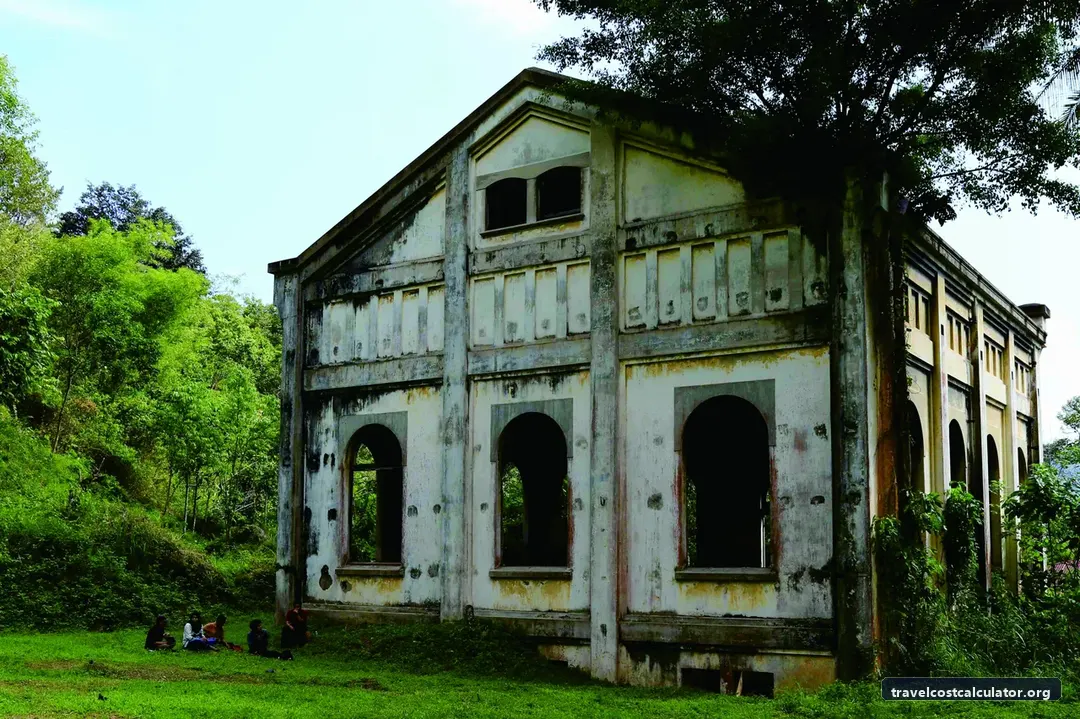
Built for the extraction, processing and transport of high-quality coal in an inaccessible region of Sumatra, this industrial site was developed by the Netherlands East Indies’ government in the globally import...
Ombilin Coal Mining Heritage of Sawahlunto
🏛️ Overview & Historical Significance
Nestled in the lush, emerald valleys of West Sumatra, Indonesia, the Ombilin Coal Mining Heritage of Sawahlunto stands as one of Southeast Asia's most significant industrial monuments. Inscribed as a UNESCO World Heritage Site in 2019, this extraordinary complex is not merely a single mine; it is an intricately designed late-19th to early-20th-century technological ensemble created by the Dutch East Indies colonial administration to extract, process, and transport high-grade coal from a landlocked, mountainous interior to global maritime routes.
The history of Sawahlunto began in 1867 when Dutch geologist W.H. de Greve discovered vast, high-quality coal reserves along the Ombilin River. Realizing the potential to fuel steamships and industrial growth across the East Indies, the colonial government launched an unprecedented engineering project. To make the remote valley operational, they constructed an integrated system comprising three distinct functional zones:
-
✦
Zone 1 (The Site Core): The open-pit and deep underground mines, worker quarters, administrative hub, repair shops, and company town of Sawahlunto itself.
-
✦
Zone 2 (The Transport Infrastructure): A 155-kilometer mountain railway network cutting through steep gorges and mountain passes of West Sumatra, complete with cogwheel tracks, bridges, and tunnels.
-
✦
Zone 3 (The Export Gateway): The deep-water port facilities at Emmahaven (now known as Teluk Bayur) on the Indian Ocean coast near Padang, equipped with coal silos and loading docks.
Beyond its impressive engineering, Sawahlunto holds profound human and historical weight. The industrial apparatus was built and operated through a complex labor system. High-level engineers were recruited from Europe, skilled technicians came from across the Malay archipelago, and the heaviest physical labor fell upon forced convict laborers known as Orang Rantai ("chained workers"). These prisoners, brought from Java, Madura, and Bali Travel Budget in iron leg irons, worked alongside local Minangkabau laborers and Chinese indentured coolies under brutal conditions. This cultural melting pot ultimately gave rise to a unique local dialect (Bahasa Tansi) and a distinct multi-ethnic community that survives in Sawahlunto today.
As coal mining operations phased out in the early 2000s, Sawahlunto transformed itself from a declining mining town into a living historical museum. Today in 2026, it represents one of the world's finest examples of industrial heritage conservation, where former colonial administrative buildings, huge communal kitchens, railway roundhouses, and subterranean tunnels are preserved for international visitors.
🎟️ Entrance Fees, Opening Hours & Ticket Booking Tips
Visiting Sawahlunto's UNESCO heritage complex is exceptionally affordable compared to major international sites. Admission is divided across individual museums and key heritage landmarks, though combined visitor passes are available at local tourist information kiosks in the town center.
2026 Estimated Entrance Fees
-
✦
Lubang Tambang Mbah Soero (Mbah Soero Mining Tunnel): IDR 35,000 (~$2.20 USD) per adult / IDR 20,000 (~$1.25 USD) per child. Includes mandatory safety helmet and rubber boot rentals, plus an site-certified guide.
-
✦
Museum Gudang Ransum (Ration Kitchen Museum): IDR 20,000 (~$1.25 USD) per person.
-
✦
Museum Kereta Api Sawahlunto (Railway Museum): IDR 15,000 (~$0.95 USD) per person.
-
✦
Museum Goedang Oetama & Visitor Center: IDR 15,000 (~$0.95 USD) per person.
-
✦
All-Access Sawahlunto Heritage Pass (Combined Access): IDR 80,000 (~$5.00 USD) per adult. Available at the Sawahlunto Tourism Information Center (TIC) near the town square.
Opening Hours & Schedule
-
✦
Standard Operating Hours: Tuesday through Sunday, 08:00 AM – 05:00 PM.
-
✦
Weekly Closure: Most government-run heritage sites, including the Mbah Soero Tunnel and Museum Gudang Ransum, are closed on Mondays for routine maintenance and preservation work.
-
✦
Friday Hours: Mid-day pause from 11:30 AM – 01:30 PM for Friday prayers (Jumat). Plan museum visits before or after this window.
-
✦
Last Tunnel Entry: The final guided group entry into the Mbah Soero Tunnel occurs at 04:15 PM daily.
Pro Booking & Payment Tips
While digital payment systems (such as Indonesia's QRIS platform) are widely accepted by local vendors, international credit cards (Visa/Mastercard) are rarely accepted at ticket counters across Sawahlunto. Carrying Indonesian Rupiah (IDR) in physical cash is essential. Be sure to bring small bills (IDR 5,000, 10,000, and 20,000), as change for large IDR 100,000 bills can be scarce at smaller counters. Advanced online booking is generally not required, but hiring an English-speaking local guide via the official Tourist Information Center beforehand is recommended if you want in-depth historical context.
🚌 How to Get There & Local Transit Costs
Sawahlunto is located in the interior highlands of West Sumatra, roughly 95 to 100 kilometers east of the provincial capital, Padang. Traversing the distance involves traveling across the dramatic, winding roads of the Bukit Barisan mountain range.
Step 1: Arrival in West Sumatra
Fly into Minangkabau International Airport (PDG) near Padang. The airport receives frequent daily direct domestic flights from Jakarta, Kuala Lumpur Travel Budget, and Singapore Travel Budget.
Step 2: Transit from Padang to Sawahlunto
-
✦
Option A: Shared Executive Minivan ("Travel" Vans): The most popular and economical transport method. Companies like Gumarang Jaya, AWR, or Padang Travel run door-to-door shared executive minivans (Toyota HiAce or Innova).
- Travel Time: 3 to 3.5 hours.
-
✦
Cost (2026): IDR 85,000 – IDR 120,000 (~$5.30 – $7.50 USD) per seat one-way.
- Travel Time: 2.5 to 3 hours.
- Cost (2026): IDR 90,000 – IDR 140,000 (~$5.60 – $8.75 USD) per day. Note that the mountain highway carries heavy truck traffic and challenging inclines.
Step 3: Getting Around Sawahlunto
The core historical district of Sawahlunto is remarkably compact and best explored on foot. For sites situated further out (such as the outer open-pit vistas or Puncak Kandi):
-
✦
Motorcycle Taxis (Ojek / Ride-Hailing): Local ojeks and ride-hailing apps (Gojek / Grab) operate in town. Trips cost between IDR 10,000 – IDR 25,000 (~$0.60 – $1.60 USD).
-
✦
Angkot (Local Minibuses): Distinct yellow and red minibuses cover main routes for IDR 5,000 (~$0.30 USD) per ride.
📸 Best Photography Spots & Insider Visit Hacks
Top Photography Locations
-
✦
Bukit Polan Viewpoint: Climb or drive up to the crest of Polan Hill (famous for its giant "SAWAHLUNTO" sign). This spot offers an incredible bird's-eye view of the entire valley, showing how the colonial town was built right inside the mining amphitheater.
-
✦
Lubang Tambang Mbah Soero Portal: Capture the rugged, stone-arched tunnel entrance surrounded by tropical foliage. Put on your safety helmet and boots for an authentic underground shot.
-
✦
Museum Gudang Ransum Steam Boilers: The massive cast-iron cooking cauldrons and industrial steam boilers—used to cook thousands of worker meals daily—provide dramatic lighting contrast for industrial-style photography.
-
✦
Sawahlunto Railway Station & Mak Itam Locomotive: Photograph the iconic Mak Itam (Steam Locomotive E1060), a black mountain steam engine set against traditional Dutch colonial brick architecture.
-
✦
Gedung Pusat Kebudayaan (GPK Building): Built in 1910 as a colonial social club (Societeit), this white building features classical Dutch architecture and perfectly manicured lawns.
Insider Travel Hacks
-
✦
Best Time of Day for Exploration: Head underground into the Mbah Soero Tunnel or visit museums between 08:30 AM and 11:00 AM. Valley humidity rises significantly by noon, and afternoon rain showers are common throughout the year.
-
✦
Seasonal Timing: The ideal months to visit are during West Sumatra's dry season from May to September. Clear skies during these months make traveling the mountain passes safer and photography conditions optimal.
-
✦
Dress Code & Footwear: The underground tunnel is wet, dark, and humid. Wear comfortable socks (you will be provided with rubber rain boots at the entrance) and lightweight, breathable cotton clothing. When exploring local neighborhoods, dress modestly out of respect for local customs.
-
✦
Avoiding Weekend Crowds: Sawahlunto is a popular educational trip destination for local schools. Visit Tuesday through Thursday to have the underground tunnels and museum rooms largely to yourself.
🏨 Nearby Accommodation & Daily Budget Allocation
While Sawahlunto maintains its quiet charm without large luxury resort chains, visitors can choose from comfortable heritage hotels, homestays, and mid-range options integrated into former colonial buildings.
Recommended Accommodations
-
✦
Budget / Homestays (IDR 180,000 – IDR 300,000 / ~$11 – $19 USD per night):
- Wisma Ombox & Heritage Homestays: Friendly local guesthouses located within converted Dutch colonial residences near the central square, offering basic air-conditioned rooms, clean private bathrooms, and local breakfasts.
- Parai City Garden Hotel Sawahlunto: A charming hotel set on a hill overlooking the heritage valley. Features modern amenities, hot water showers, an on-site restaurant, and historic architectural touches.
- Travelers seeking high-end luxury usually base themselves at premium heritage hotels in Bukittinggi (such as The Hills Bukittinggi or Novotel) and arrange a private day-trip excursion down to Sawahlunto.
Local Dining Options & Costs
Sawahlunto is a fantastic place to sample authentic Minangkabau cuisine. Do not miss local specialties such as Rendang Minang, Soto Padang, and Sate Mak Syukur.
-
✦
Local Warungs & Nasi Padang Eateries: IDR 20,000 – IDR 35,000 (~$1.25 – $2.20 USD) per full meal.
-
✦
Mid-Range Town Center Restaurants: IDR 50,000 – IDR 90,000 (~$3.10 – $5.60 USD) per person including fresh tropical fruit juices.
Daily Budget Allocation Summary (2026 Estimates)
-
✦
Backpacker Budget Planner: ~$25 – $35 USD per day (Homestay stay, public shared transit, local warung meals, and standard museum entry).
-
✦
Flashpacker / Mid-Range Budget: ~$65 – $95 USD per day (Mid-range hotel stay, shared private car charter, full museum access passes, guide fees, and sit-down dining).
Frequently Asked Questions
Essential visitor FAQs for Ombilin Coal Mining Heritage of Sawahlunto
What is the entrance fee for Ombilin Coal Mining Heritage of Sawahlunto?
How much time do you need to explore Ombilin Coal Mining Heritage of Sawahlunto?
How do I get to Ombilin Coal Mining Heritage of Sawahlunto from the nearest city?
📊 Heritage Quick Specs
Visiting Indonesia on a Budget?
Calculate your full daily travel budget for Indonesia — including hotel costs, local transport, food, and sightseeing expenses.
View Indonesia Daily Travel Costs →Explore more UNESCO World Heritage Sites
🏛️ All 1,200+ Heritage Sites →