
 Libya
Libya
Old Town of Ghadamès
Ghadamès, known as 'the pearl of the desert', stands in an oasis. It is one of the oldest pre-Saharan cities and an outstanding example of a traditional settlement. Its domestic architecture is characterized by...
Old Town of Ghadamès
🏛️ Overview & Historical Significance
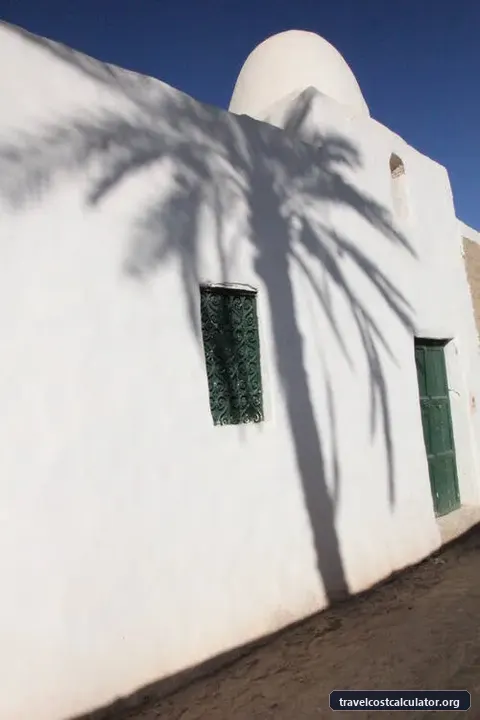
Deep within the Libyan Sahara, near the convergence of the Libyan, Algerian, and Tunisian borders, lies the Old Town of Ghadamès—affectionately known as the "Pearl of the Desert" (Lul'at al-Sahra). Inscribed as a UNESCO World Heritage Site in 1986, Ghadamès stands as one of the most brilliant architectural responses to extreme climate conditions found anywhere on Earth. This oasis settlement has been inhabited since ancient times, recorded by Romans as Cydamus and evolving into a vital node along the trans-Saharan trade routes connecting Sub-Saharan Africa with the Mediterranean basin.
The site's UNESCO designation highlights its unique vertical urban structure and exceptional mud-brick architecture. Designed specifically to withstand the grueling heat of the Sahara, the Old Town features a multi-tiered layout that separated social and domestic life into distinct spatial layers:
-
✦
Ground Level (The Dark Corridors): A network of enclosed, subterranean-like covered streets designed primarily for men and livestock. These cool, shaded thoroughfares provide natural ventilation and shelter from severe dust storms and midday sun.
-
✦
First Level (Family Quarters): Overhanging residential spaces featuring thick mud-brick walls, whitewashed interiors, and storage rooms for grains and domestic items.
-
✦
Rooftop Level (Open-Air Terraces): An interconnected web of rooftops spanning the entire city. Historically, these upper terraces were reserved exclusively for women, allowing them to socialize, move freely across the city, dry food, and travel between households without entering the public ground-level streets below.
The genius of Ghadamès lies in its passive cooling engineering. By utilizing local materials—sun-dried mud bricks, lime, palm trunks, and whitewash—and building houses sharing exterior walls, the town acts as a massive thermal battery. Internal temperatures within the historic core remain up to 15°C (27°F) cooler than the blistering summer air outside. Coupled with the historic Ain El-Faras water spring and an intricate ancient water-distribution system, Ghadamès flourished for centuries as a self-sustaining desert haven.
🎟️ Entrance Fees, Opening Hours & Ticket Booking Tips
Visiting Ghadamès in 2026 requires navigating specific regulatory and security procedures, as foreign travel within Libya mandates local coordination. Site access is managed under the supervision of local heritage authorities and certified tour providers.
2026 Estimated Pricing Breakdown
-
✦
Site Entrance Permit: Approximately 25 LYD to 35 LYD (~$5 – $7 USD) per person.
-
✦
Compulsory Local Heritage Guide: 150 LYD to 300 LYD (~$30 – $60 USD) per group per day. (Independent, unguided wandering inside the maze-like Old Town is restricted for preservation and safety reasons).
-
✦
Museum & Restored Traditional House Access: 15 LYD to 25 LYD (~$3 – $5 USD) per venue.
-
✦
Travel Security Permit & Agency Authorization: $150 – $250 USD (flat rate usually included in comprehensive package tours arranged out of Tripoli Travel Budget" class="text-primary font-bold">Tripoli Travel Budget).
Opening Hours & Timing Rules
The site operates daily from 08:00 AM to 06:00 PM. However, guided walking tours are typically Split Travel Budget into two sessions: early morning (08:30 AM – 11:30 AM) and late afternoon (03:30 PM – 06:30 PM) to avoid extreme midday temperatures and capitalize on optimal light conditions.
Essential Booking & Logistic Tips for 2026
-
✦
Book via Registered Operators: All foreign visitors must secure a travel visa, security letter, and local escort through a accredited Libyan travel agency prior to arriving in Ghadamès.
-
✦
Cash-Only Economy: International credit cards and ATMs do not function reliably in Ghadamès. Carry physical USD cash (clean, un-marred bills issued after 2013) to exchange for Libyan Dinars (LYD) in Tripoli or Ghadamès.
-
✦
Advance Authorization: Allow 4 to 6 weeks for your agency to clear inner-region travel permits through the Ministry of Tourism and local municipal security officers.
🚌 How to Get There & Local Transit Costs
Ghadamès is situated roughly 600 kilometers (370 miles) southwest of Tripoli. Reaching this remote oasis involves either domestic air travel or an overland desert route across the Jabal Nafusa range.
Option 1: Domestic Flight from Tripoli (Fastest & Recommended)
The standard way to reach Ghadamès is flying from Tripoli's Mitiga International Airport (MJI) to Ghadames Airport (GHB) via regional carriers like Libyan Airlines or Berniq Airways.
-
✦
Flight Duration: Approximately 1 hour and 15 minutes.
-
✦
Estimated Round-Trip Fare (2026): 600 LYD – 900 LYD ($120 – $180 USD) per person.
-
✦
Airport Transfer: A local taxi or agency pickup from Ghadames Airport to the town center (roughly 20 km away) costs about 50 LYD – 75 LYD ($10 – $15 USD).
Option 2: Overland 4x4 Expedition from Tripoli
For intrepid travelers completing a broader Libyan itinerary, driving from Tripoli via Nalut offers stunning vistas of the Berber strongholds in the Jabal Nafusa region.
-
✦
Drive Time: 7 to 9 hours, including routine security checkpoints.
-
✦
Private 4WD Vehicle with Driver/Escort: $300 – $450 USD per day (split among passengers, including fuel and permits).
-
✦
Route Safety Note: Travel in armored or high-clearance 4x4 vehicles with a registered local driver is required for navigating desert roads safely.
Getting Around within Ghadamès
The Old Town itself is entirely pedestrianized; the narrow corridors and low arches make vehicle access impossible. You will explore the historic core entirely on foot. For visits to surrounding sand dunes (Grand Erg Oriental) or modern Ghadamès, 4x4 vehicles arranged by your accommodation or guide are standard.
📸 Best Photography Spots & Insider Visit Hacks
Top Photography Locations
-
✦
The Rooftop Panorama at Sunset: Climb to the upper terrace of a restored heritage house just before dusk. You will capture sweeping views of white-washed geometric roofs, green palm groves, and the glowing red dunes of the Sahara stretching into Algeria.
-
✦
The Covered Passageways (Chiaroscuro Effect): Position yourself beneath the overhead skylights (light shafts cut into the street roofs). The contrast between bright sunlight beaming down and deep shade inside the mud-brick tunnels creates striking high-contrast imagery.
-
✦
Interior of Restored Traditional Homes: Photograph the hyper-decorated walls featuring traditional red motif paintings, hanging copper pots, framed mirrors, and intricate plasterwork designed to reflect lamp light.
-
✦
Ain El-Faras (The Horse Spring): The historic heart of the oasis water distribution network, surrounded by ancient stone channels and shade palms.
Insider Visit & Cultural Hacks
-
✦
Best Season to Visit: October through April brings pleasant daytime temperatures (18°C to 25°C / 64°F to 77°F). Avoid June through August, when desert heat frequently exceeds 45°C (113°F).
-
✦
Lighting Equipment: Bring a small LED pocket light or flash for interior photography, as traditional alleyways can be exceptionally dark.
-
✦
Respect Local Customs: Ghadamès is a conservative society. Ask permission before photographing local residents. When walking through private roof areas that adjoin residential quarters, follow your guide’s instructions closely.
-
✦
Footwear Caution: Wear durable, non-slip walking shoes or trail runners. Ground levels feature uneven cobblestones, mud stairs, and low lintels requiring occasional stooping.
🏨 Nearby Accommodation & Daily Budget Allocation
Accommodation in Ghadamès ranges from traditional mud-brick guesthouses inside the historic zone to mid-range modern hotels situated in the newer municipality just outside the Old Town walls.
Recommended Accommodations (2026 Estimates)
-
✦
Traditional Mud-Brick Guesthouses (Authentic Experience): Restored homes inside or on the edge of the Old Town offering traditional floor seating, Saharan rugs, and authentic local atmosphere.
Estimated Rate: $40 – $70 USD (200 – 350 LYD) per night including breakfast. -
✦
Mid-Range Hotel (e.g., Hotel Ain El-Faras / Hotel Winzrik): Comfortable, modern facilities featuring air conditioning, private bathrooms, and on-site dining.
Estimated Rate: $80 – $130 USD (400 – 650 LYD) per night. -
✦
Sahara Desert Lodge / Luxury Camp: Upscale tented camps on the edge of the dunes featuring private facilities and evening cultural performances.
Estimated Rate: $160 – $250 USD (800 – 1,250 LYD) per night.
Food & Dining Costs
Dining in Ghadamès focuses on wholesome, traditional North African and Saharan staples such as Bazeen (barley dough dish with meat sauce), spice-laden couscous, camel meat tagines, fresh dates, and sweet mint tea.
-
✦
Casual Meal / Local Cafe: 15 LYD – 30 LYD ($3 – $6 USD) per person.
-
✦
Traditional Multi-Course Saharan Dinner: 50 LYD – 100 LYD ($10 – $20 USD) per person.
Estimated Daily Budget Profiles (2026)
-
✦
Budget / Independent Explorer: $70 – $100 USD / day (Covers modest guesthouse stay, local meals, shared guide fees, site entry permits).
-
✦
Mid-Range Traveler: $160 – $240 USD / day (Covers standard hotel, private site guide, meals, local 4x4 excursions to nearby dunes).
-
✦
Luxury / Full Private Tour: $350+ USD / day (Covers boutique/lodge stay, dedicated 4x4 driver, private guide, all inclusive arrangements and permits).
Frequently Asked Questions
Essential visitor FAQs for Old Town of Ghadamès
What is the entrance fee for Old Town of Ghadamès?
How much time do you need to explore Old Town of Ghadamès?
How do I get to Old Town of Ghadamès from the nearest city?
📊 Heritage Quick Specs
Visiting Libya on a Budget?
Calculate your full daily travel budget for Libya — including hotel costs, local transport, food, and sightseeing expenses.
View Libya Daily Travel Costs →Explore more UNESCO World Heritage Sites
🏛️ All 1,200+ Heritage Sites →