
 Japan
Ogasawara Islands
The property numbers more than 30 islands clustered in three groups and covers surface area of 7,939 hectares.
Ogasawara Islands
🏛️ Overview & Historical Significance
Located roughly 1,000 kilometers (620 miles) directly south of Tokyo Travel Budget in the vast expanse of the Pacific Ocean, the Ogasawara Islands (also historically known as the Bonin Islands) represent one of the most remote, pristine, and ecologically distinct archipelagos on Earth. Comprising over 30 subtropical islands spread across three primary groups—Chichijima, Hahajima, and Mukojima—this oceanic chain was officially inscribed as a UNESCO World Heritage Site in 2011 under natural criteria (ix).
The core reason for Ogasawara’s World Heritage designation lies in its extraordinary evolutionary biology. Because the islands are oceanic in origin—meaning they emerged directly from underwater volcanic activity and have never been connected to any continental landmass—every species of flora and fauna arrived via ocean currents, winds, or migratory birds. This extreme isolation allowed life to undergo remarkable evolutionary processes, earning Ogasawara the rightful title of the "Galapagos of the Orient."
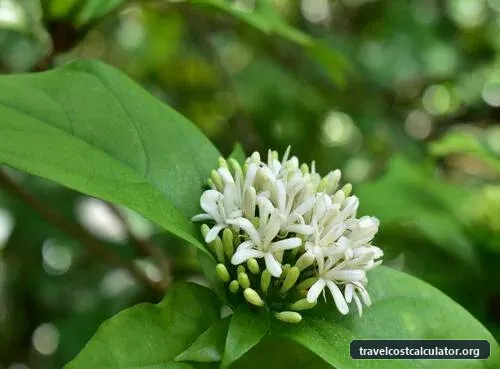
Visitors today encounter an extraordinary concentration of endemic biodiversity. Over 36% of the archipelago's native vascular plants and an astonishing 94% of its terrestrial snail species (most notably from the genus Mandarina) exist nowhere else on the planet. The islands are also a vital habitat for the critically endangered Bonin Flying Fox (a giant fruit bat), rare endemic bird species like the Bonin White-eye (Meguro), and nesting sites for green sea turtles and oceanic cetaceans including humpback and sperm whales.
Historically, the islands remained uninhabited until 1830, when a small multicultural group of Westerners and Pacific Islanders established the first permanent settlement on Chichijima. Formally claimed by the Empire of Japan in 1875, the islands played a strategic military role during World War II, were subsequently placed under United States navy administration post-war, and were ultimately returned to Japanese sovereignty in 1968. Today, the residents of Chichijima and Hahajima maintain a deep-seated culture of environmental stewardship, pioneering strict eco-tourism protocols designed to safeguard this isolated Pacific sanctuary for future generations.
🎟️ Entrance Fees, Opening Hours & Ticket Booking Tips
Unlike traditional national parks with gated turnstiles, Ogasawara National Park does not charge a general entrance fee to step onto the islands. However, because the ecosystem is exceptionally fragile, strict conservation policies dictate access to specific island sanctuaries, nature reserves, and ocean activities. Visiting protected zones requires hiring certified eco-tour guides and paying mandatory conservation permits.
2026 Estimated Tour & Conservation Permit Fees
-
✦
General Island Entry: Free (No general park admission ticket required).
-
✦
Minamijima Island Eco-Tour (Mandatory Guide Required): ¥5,000 – ¥8,000 ($33 – $53 USD) per person. Access to this uninhabited island is restricted to a maximum of 100 visitors per day, requires a licensed local guide, and is completely closed to human entry from November through January for land restoration.
-
✦
Guided Primary Forest Trekking (Chichijima / Hahajima Sanctuary Zones): ¥7,000 – ¥12,000 ($47 – $80 USD) for half-day or full-day guided hikes.
-
✦
Whale Watching & Dolphin Swim Excursions: ¥12,000 – ¥18,000 ($80 – $120 USD) for full-day boat trips.
-
✦
Night Nature Exploration (Luminous Mushrooms & Fruit Bats): ¥3,500 – ¥5,500 ($23 – $37 USD).
Opening Hours & Seasonal Accessibility
The public areas of Chichijima and Hahajima are accessible 24/7 year-round. However, tour activities, marine charters, and island center operational hours align strictly with the arrival and departure schedule of the primary supply vessel, the Ogasawara Maru. Environmental centers like the Ogasawara Visitor Center on Chichijima operate daily during ship stay periods from 8:30 AM to 5:00 PM with free admission.
Essential Ticket Booking Hacks for 2026
-
✦
The 2-Month Rule: Ferry passenger tickets via Ogasawara Kaiun open for reservations exactly two months prior to the departure date at 9:00 AM (JST). During peak travel seasons (Golden Week in late April/early May, mid-summer July–August, and New Year holidays), ferry tickets sell out within minutes.
-
✦
Synchronized Accommodation Booking: Never book your ferry ticket without securing accommodation first, or vice-versa. Local authorities strongly discourage unscheduled travel because wild camping is strictly illegal throughout the entire archipelago.
-
✦
Eco-Tour Reservations: Book high-demand tours (especially Minamijima island access and humpback whale charters) at least 4–6 weeks in advance through local operators or the Ogasawara Tourist Association website.
🚌 How to Get There & Local Transit Costs
Reaching the Ogasawara Islands is one of modern travel's ultimate bucket-list journeys. There are no commercial airports in the archipelago. The sole way to reach the islands is via a 1,000-kilometer ocean passage from mainland Japan.
1. The Mainland Gateway: Ogasawara Maru Ferry
Your journey begins at the Takeshiba Passenger Ship Terminal in Tokyo (accessible via the Yurikamome Line or a short walk from JR Hamamatsucho Station). You will board the modern 11,000-ton liner, the Ogasawara Maru, which completes the one-way oceanic crossing to Futami Port on Chichijima in exactly 24 hours.
The ferry operates roughly every 6 days during standard periods, and more frequently during peak summer holidays. A standard trip cycle consists of 24 hours travel to the island, 3 nights stay on the island, and 24 hours travel back, requiring a minimum of 6 full days.
2026 Estimated Fares for Ogasawara Maru (One-Way per Adult)
-
✦
2nd Class Economy (Shared Dormitory Futon): ¥34,000 – ¥38,000 ($226 – $253 USD)
-
✦
2nd Class Premium (Bunk Bed / Privacy Curtain): ¥42,000 – ¥46,000 ($280 – $306 USD)
-
✦
1st Class / Superior Cabin (Twin Beds & Private TV): ¥75,000 – ¥90,000 ($500 – $600 USD)
-
✦
Deluxe / Suite Cabin (Private Balcony & Bath): ¥130,000 – ¥160,000 ($866 – $1,066 USD)
2. Inter-Island Travel: Ferry Hahajima Maru
To visit the smaller, even quieter southern island of Hahajima, you must take the local inter-island ferry, the Hahajima Maru, from Futami Port (Chichijima) to Okimura Port (Hahajima). The journey takes approximately 2 hours each way.
-
✦
Standard One-Way Ticket: ~¥5,500 ($37 USD) per adult.
3. Local Island Transit Fares on Chichijima
Once landed on Chichijima, getting around the island is straightforward thanks to several local transport modes:
-
✦
Local Village Bus (Blue Bus): Connects Futami Port with Kominato Beach. Fares are a flat ¥200 ($1.33 USD) for adults and ¥100 for children per ride. Day passes are available for ¥500 ($3.33 USD).
-
✦
Rental E-Bikes: Excellent for tackling coastal hills. Rates run ~¥2,500 – ¥3,500 ($17 – $23 USD) for 24 hours.
-
✦
Rental Scooters (50cc / 125cc): The most popular local choice. Costs roughly ¥4,000 – ¥6,000 ($27 – $40 USD) per day. (Requires a valid International Driving Permit).
-
✦
Rental Cars (Kei Cars): Ideal for small groups carrying diving or camera gear. Expect ¥8,000 – ¥12,000 ($53 – $80 USD) for 24 hours, gas excluded.
-
✦
Taxis: Extremely limited on Chichijima; rides within the main village cost around ¥1,000 – ¥2,000 ($6.60 – $13.30 USD). Pre-booking is required.
📸 Best Photography Spots & Insider Visit Hacks
Ogasawara offers dramatic oceanic landscapes, neon-blue waters, and alien flora. Capturing its natural beauty requires strategic timing and an understanding of local environmental rules.
Top 4 Photography Locations
-
✦
Minamijima Island (Submerged Karst & Shark Bay): Access via guided tour boat only. Frame the emerald-green ocean lagoon framed by limestone cliffs and pristine white coral sand. Look down to photograph ancient fossilized land snails (Mandarina luhuana) embedded in the sandy pathways.
-
✦
Mikazukiyama Weather Station Lookout (Chichijima): The supreme spot on the island for sunset photography. Elevated high above the Philippine Sea, it provides panoramic views of the ocean horizon. Between January and April, you can photograph distant breaching humpback whales right from the viewing platform. If conditions are clear, watch for the elusive "Green Flash" at sunset.
-
✦
Mount Chibusa Trail (Hahajima): A trek into a damp, sub-tropical jungle ecosystem filled with giant tree ferns, wild orchids, and rare endemic birds. The summit delivers sweeping 360-degree viewpoints over the jagged cliffs of Hahajima.
-
✦
Sakaiura Beach Shipwreck (Chichijima): The rusting hulk of the WWII Japanese freighter Hinko Maru sits partially submerged in the crystal-clear shallow waters of Sakaiura Bay. Photograph it from the coastal road lookout or swim out with an underwater camera/drone.
Insider Visit Hacks for 2026
-
✦
Optimal Seasonal Windows:
- Whale Watching Season: January to April (Humpback whales) and year-round offshore (Sperm whales).
-
✦
Dolphin Swim & Ocean Clarity: July to October offers calm sea conditions, water temperatures averaging 27°C–29°C (80°F–84°F), and underwater visibility exceeding 30 meters ("Bonin Blue").
🏨 Nearby Accommodation & Daily Budget Allocation
Accommodations in Ogasawara range from cozy, family-run Japanese guesthouses (minshuku) to modest boutique hotels. Camping and sleeping rough are strictly prohibited across all islands to protect endemic species. Most lodgings are concentrated in the main village of Omura near Futami Port on Chichijima or near Okimura Port on Hahajima.
Accommodation Recommendations & Price Tiers (2026 Estimates)
-
✦
Budget (Hostels / Basic Minshuku): Subtropical Hostel or Tetsuya Guesthouse (Chichijima). Clean dormitory beds or simple private Japanese-style tatami rooms. Cost: ¥7,500 – ¥11,000 ($50 – $73 USD) per night per person (often includes self-service breakfast).
-
✦
Mid-Range (Local Hotels & Pension Guesthouses): Heart Land, Auberge Sato, or Papa's Diving Studio Lodge. Comfortable private rooms with en-suite bathrooms and air conditioning. Cost: ¥14,000 – ¥24,000 ($93 – $160 USD) per night including breakfast and dinner.
-
✦
Boutique / Upscale: Hotel Horizon or Pat Inn. Modern styling, western amenities, exceptional island-fusion dining, and sea-view balconies. Cost: ¥28,000 – ¥45,000 ($186 – $300 USD) per night per room.
Island Dining & Local Culinary Specialties
Dining on Chichijima is a highlight of the trip. Because produce and provisions arrive by boat, fresh seafood and local sub-tropical crops dominate menus.
-
✦
Shimazushi (Island Sushi): Local soy-marinated fish (such as sawara/spanish mackerel) laid over slightly sweet sushi rice and seasoned with hot mustard instead of wasabi. A standard set meal costs ~¥1,500 – ¥2,200 ($10 – $15 USD).
-
✦
Kame-ryori (Sea Turtle Cuisine): Legally harvested under strict seasonal quotas, raw sea turtle sashimi or stew (Kame-nabe) is a traditional island delicacy. Price: ~¥1,800 – ¥3,000 ($12 – $20 USD).
-
✦
Ogasawara Passion Fruit & Craft Beer: Enjoy local fruit juices, craft beers brewed with island passion fruit, or local sugarcane rum (Ogasawara Rum). Drinks range from ¥600 to ¥1,100 ($4 – $7.30 USD).
Estimated Daily Budget Breakdowns for 2026
(Note: Excludes round-trip Ogasawara Maru main ferry transport ticket)
-
✦
Backpacker / Budget Traveler: ~$85 – $115 USD per day
- Guesthouse/Hostel bed: $55
-
✦
Casual dining / grocery meals: $25
-
✦
Bus / E-bike rental: $15
-
✦
Self-guided trail hiking & beach swimming: $0 - $15
- Mid-range Minshuku or Hotel (with meals): $130
- Boutique Hotel room (Hotel Horizon): $250
Frequently Asked Questions
Essential visitor FAQs for Ogasawara Islands
What is the entrance fee for Ogasawara Islands?
How much time do you need to explore Ogasawara Islands?
How do I get to Ogasawara Islands from the nearest city?
📊 Heritage Quick Specs
Visiting Japan on a Budget?
Calculate your full daily travel budget for Japan — including hotel costs, local transport, food, and sightseeing expenses.
View Japan Daily Travel Costs →Explore more UNESCO World Heritage Sites
🏛️ All 1,200+ Heritage Sites →