
 New Zealand
New Zealand Sub-Antarctic Islands
The New Zealand Sub-Antarctic Islands consist of five island groups (the Snares, Bounty Islands, Antipodes Islands, Auckland Islands and Campbell Island) in the Southern Ocean south-east of New Zealand.
New Zealand Sub-Antarctic Islands
🏛️ Overview & Historical Significance
Scattered across thousands of square kilometers of the storm-swept Southern Ocean lie five remote archipelagos that form one of the world's most pristine marine and terrestrial sanctuaries: the New Zealand Sub-Antarctic Islands. Comprising the Snares Islands / Tini Heke, Bounty Islands, Antipodes Islands, Auckland Travel Budget Islands / Motu Maha, and Campbell Island / Motu Ihupuku, these isolated landmasses represent an evolutionary ark located halfway between mainland New Zealand and Antarctica.
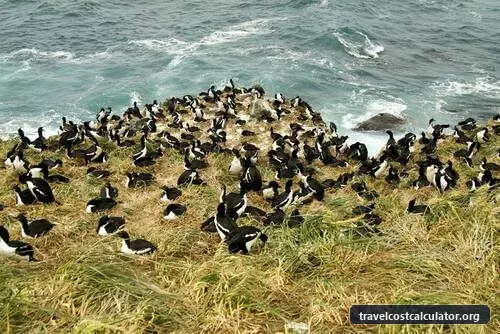
In 1998, UNESCO inscribed the islands as a World Heritage site under natural criteria (ix) and (x), recognizing their unparalleled level of biodiversity, high endemitic density, and intact ecological processes. The archipelagos host the highest diversity of seabirds in the Southern Ocean, serving as the sole breeding grounds for 12 of the world's 24 albatross species—including the majestic Southern Royal Albatross and the Antipodean Albatross. They are also home to rare penguin species like the Snares Crested Penguin and the endangered Yellow-eyed Penguin (Hoiho), alongside recovering populations of New Zealand sea lions (Hooker’s sea lions) and Southern Right whales.
The human history of these mist-shrouded islands is dramatic and tragic. Polynesians reached Enderby Island in the Auckland group around the 13th century, marking the southernmost settlement of pre-modern humans. In the 19th century, European sealers and whalers decimated local marine populations, while numerous ships met their doom against the archipelago's jagged granite cliffs. The legendary 1866 wreck of the General Grant, which went down carrying gold bullion, led to decades of treasure hunting and the establishment of castaway relief depots by the New Zealand government. During World War II, secret coastwatching stations were established under "Operation Cape Expedition" to monitor enemy ship movements in the Pacific. Today, human presence is strictly scientific, and the islands stand as protected Nature Reserves managed under the highest tier of New Zealand conservation law.
🎟️ Entrance Fees, Opening Hours & Ticket Booking Tips
Unlike standard national parks, you cannot purchase an individual day ticket or walk up to a visitor center at the New Zealand Sub-Antarctic Islands. Access is strictly controlled by the New Zealand Department of Conservation (DOC) to prevent the introduction of invasive species and protect fragile wildlife habitats. Non-essential independent visits are forbidden; entry is exclusively permitted via authorized expedition cruise ships operating with high-level DOC permits.
2026 Estimated Costs & Permitting Structure
Visiting these islands requires purchasing an all-inclusive expedition cruise berth. The prices below reflect 2026 estimates based on current operator schedules and DOC conservation fee structures:
-
✦
All-Inclusive Expedition Voyage (8 to 15 Days): $7,500 – $18,500 USD (approx. NZD $12,500 – NZD $30,800) per person, depending on cabin class, vessel size, and itinerary length.
-
✦
DOC Entry Permit & Conservation Levy: Included within expedition cruise packages, this government tax averages $360 – $730 USD (approx. NZD $600 – NZD $1,200) per passenger. It directly funds island conservation, predator eradication, and heritage maintenance.
-
✦
Landing Fees for Zodiac Excursions: Fully managed by the expedition operator and included in the total ticket cost. Independent vessel landing permits are extremely rare, require months of technical review, and incur environmental assessment security bonds running into thousands of dollars.
Opening Hours & Operating Seasons
There are no operating hours. Visits are restricted exclusively to the Austral Summer operating window (November through March), when daylight extends up to 18 hours a day, weather conditions allow safer Zodiac shore landings, and sea life is actively breeding on the beaches. The islands are off-limits to tourist operations for the remainder of the year.
Critical Booking Hacks for 2026
-
✦
Book 12 to 18 Months Ahead: DOC enforces strict limits on total annual visitor numbers landing on islands like Enderby and Campbell. Ships are small (typically carrying 50 to 140 passengers), and berths sell out long in advance.
-
✦
Choose Certified Operators: Ensure your cruise operator belongs to the International Association of Antarctica Tour Operators (IAATO) or holds direct DOC concession clearances. Renowned operators include Heritage Expeditions (a pioneer in New Zealand sub-antarctic travel), Ponant, and Silversea.
-
✦
Check Included Inclusions: Verify whether pre-cruise hotel stays in Invercargill/Dunedin, charter flights, wet-weather gear (waterproof boots and parkas), and travel insurance (with mandatory emergency medevac coverage) are included in the listed price.
🚌 How to Get There & Local Transit Costs
Reaching the Sub-Antarctic Islands requires a journey in two distinct stages: traveling to a gateway port on New Zealand's South Island, followed by a multi-day voyage across the treacherous waters of the "Roaring Forties" and "Furious Fifties."
Stage 1: Reaching the Gateway Cities (Invercargill or Dunedin)
Most expedition cruises depart from Port of Bluff (near Invercargill) or Port Chalmers (Dunedin).
-
✦
Flight to Invercargill Airport (IVC): Air New Zealand operates daily flights connecting from Auckland (AKL) or Christchurch (CHC). A round-trip domestic ticket in 2026 costs approximately $220 – $480 USD (NZD $365 – NZD $800).
-
✦
Flight to Dunedin Airport (DUD): Alternative gateway with direct flights from major NZ hubs. Domestic round-trip fare: $180 – $420 USD (NZD $300 – NZD $700).
-
✦
Airport Shuttles & Taxis:
- Invercargill Airport to Port of Bluff (25 km): Shuttle/Taxi fare costs $30 – $48 USD (NZD $50 – NZD $80).
-
✦
Dunedin Airport to Port Chalmers (45 km): Taxi or pre-booked transfer costs $55 – $90 USD (NZD $90 – NZD $150).
Stage 2: Southern Ocean Expedition Transit
From Bluff or Dunedin, expedition ships navigate south across open ocean. Expect the transit timings below:
-
✦
Bluff to The Snares Islands: Approx. 100 nautical miles (12–15 hours sailing). Note: Landings on Snares are strictly prohibited to preserve delicate burrowing petrel habitats; viewing is conducted exclusively via Zodiac cruising offshore.
-
✦
Snares to Auckland Islands (Enderby / Carnley Harbour): Approx. 180 nautical miles (18–24 hours sailing across variable ocean swells).
-
✦
Auckland Islands to Campbell Island: Approx. 150 nautical miles (15–20 hours sailing).
📸 Best Photography Spots & Insider Visit Hacks
The Sub-Antarctic Islands present raw, untamed landscape and wildlife photography opportunities unmatched almost anywhere else on Earth. However, the extreme environment demands careful technical preparation.
Prime Photography Spots
-
✦
Enderby Island Boardwalk & Sandy Bay (Auckland Islands): Frame endangered Yellow-eyed Penguins waddling through lush green megaherb foliage, and capture territorial disputes among giant Male Travel Budget Hooker’s sea lions on the white sand beaches.
-
✦
Col-Lyall Saddle (Campbell Island): Take the designated wooden boardwalk up through surreal fields of blooming megaherbs—such as the purple-flowered Pleurophyllum speciosum—to photograph massive Southern Royal Albatrosses performing courtship dances just meters away.
-
✦
The Snares Coastline (Zodiac Cruise): Shoot dramatic granite sea stacks populated by hundreds of thousands of endemic Snares Crested Penguins sliding down rocky "penguin slides" into turquoise waters.
-
✦
North West Cape Cliffs (Auckland Island): Capture soaring Light-mantled Sooty Albatrosses carrying out synchronized pair-flying against sheer sea cliffs dropping into oceanic whitecap waves.
Insider Hacks & Environmental Safety Guidelines
-
✦
Gear Weatherproofing: The weather in the Sub-Antarctic can shift from clear skies to horizontal rain, sleet, or gale-force winds in minutes. Carry heavy-duty dry bags, rain covers for telephoto lenses, and silicone camera skins. Keep spare camera batteries inside warm inner pockets, as cold ocean winds deplete battery life rapidly.
-
✦
Lens Selection: Bring a flexible telephoto zoom (e.g., 100-400mm or 150-600mm) alongside a wide-angle lens (16-35mm). DOC guidelines strictly prohibit approaching wildlife closer than 5 meters (and up to 20 meters from breeding sea lions), making telephoto lenses essential for ethical close-ups.
-
✦
Rigorous Biosecurity Protocols: Before setting foot on any island, DOC staff and expedition crew perform mandatory biosecurity checks. You must thoroughly vacuum pockets/camera bags, scrub all footwear soles with Virkon disinfectant, and inspect Velcro closures for seeds. Never place camera bags directly on soil or sea-grass without a bio-checked ground tarp.
-
✦
Combat Motion Sickness Early: Crossing the Southern Ocean involves significant ocean swells. Start prescription seasickness medication (such as Hyoscine patches or Sturgeron) 12 hours before leaving port—do not wait until the vessel enters open water.
🏨 Nearby Accommodation & Daily Budget Allocation
Because there are no hotels, lodges, or public structures on the Sub-Antarctic Islands, your expedition vessel serves as your hotel, restaurant, transport, and base camp for the duration of the voyage. However, travelers need staging accommodation before and after the cruise in gateway ports like Invercargill or Dunedin.
Gateway Staging Accommodation (Pre/Post Cruise)
-
✦
Budget Option (Invercargill): Tuatara Backpackers / YHA Invercargill — Clean, centrally located private room or shared dorm options. Cost: $35 – $75 USD (NZD $60 – NZD $125) per night.
-
✦
Mid-Range Option (Invercargill): The Langlands Hotel or Quest Invercargill Serviced Apartments — Modern amenities, comfortable beds, ideal for repacking before departure. Cost: $135 – $220 USD (NZD $225 – NZD $365) per night.
-
✦
Luxury/Boutique Option (Dunedin): Fable Dunedin or Distinction Dunedin Hotel — Historic, upscale accommodations near Port Chalmers. Cost: $230 – $380 USD (NZD $380 – NZD $630) per night.
Estimated Travel Budget Breakdown (2026 Estimates)
Planning for a Sub-Antarctic voyage requires allocating funds across three main phases: staging travel, cruise package cost, and emergency/gear reserves.
| Budget Category | Estimated Cost (USD) | Estimated Cost (NZD) | Details & Inclusions |
|---|---|---|---|
| Mainland Staging (2 Days) | $300 – $650 | NZD $500 – NZD $1,080 | Pre/post-cruise hotel in Invercargill/Dunedin, local meals, and port shuttles. |
| Expedition Cruise Package | $7,500 – $18,500 | NZD $12,500 – NZD $30,800 | 8–15 day voyage berth, all meals onboard, daily Zodiac excursions, guide lectures. |
| Government Permits & Levies | $360 – $730 | NZD $600 – NZD $1,200 | Mandatory DOC conservation fee (usually bundled inside cruise final invoice). |
| Specialized Gear & Evac Insurance | $350 – $700 | NZD $580 – NZD $1,160 | Waterproof boots, polar gear, and mandatory remote medevac insurance policy. |
| Total Estimated Travel Budget | $8,510 – $20,580 | NZD $14,180 – NZD $34,240 | Total per person cost for a complete expedition experience in 2026. |
Financial Tip: When booking your 2026 voyage, verify whether your credit card travel protection covers remote area evacuation, as standard travel insurance plans often cap emergency medical evacuation limits below the $100,000 USD required for Southern Ocean air-sea rescue operations.
Frequently Asked Questions
Essential visitor FAQs for New Zealand Sub-Antarctic Islands
What is the entrance fee for New Zealand Sub-Antarctic Islands?
How much time do you need to explore New Zealand Sub-Antarctic Islands?
How do I get to New Zealand Sub-Antarctic Islands from the nearest city?
📊 Heritage Quick Specs
Visiting New Zealand on a Budget?
Calculate your full daily travel budget for New Zealand — including hotel costs, local transport, food, and sightseeing expenses.
View New Zealand Daily Travel Costs →Explore more UNESCO World Heritage Sites
🏛️ All 1,200+ Heritage Sites →