
 South Korea
Namhansanseong
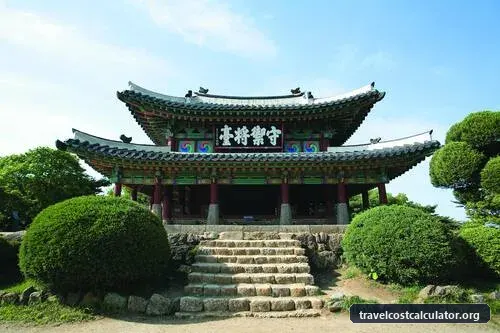
Namhansanseong was designed as an emergency capital for the Joseon dynasty (1392–1910), in a mountainous site 25 km south-east of Seoul.
Namhansanseong
🏛️ Overview & Historical Significance
Perched dramatically along the ridges of Mount Namhan, just 25 kilometers southeast of central Seoul Travel Budget, Namhansanseong stands as one of South Korea's most monumental historical strongholds. In 2014, UNESCO officially inscribed Namhansanseong as a World Heritage site, recognizing it as an outstanding example of a fortified mountain city that synthesized military engineering techniques from Korea, China, and Japan between the 17th and 19th centuries.
Originally engineered during the Unified Silla era (7th century) as Mahan fortification grounds, the site underwent massive restructuring during the Joseon Dynasty under King Injo in 1624. Designed specifically as an emergency capital, Namhansanseong was built to house the king, royal court, and military command during severe foreign invasions. Unlike traditional European castles, Namhansanseong is an entire self-sustaining city enclosed within 12 kilometers of stone walls, complete with administrative buildings, command posts, grain warehouses, and Buddhist temple-monasteries where warrior monks (*Se 승병*) were stationed to defend the realm.
The fortress is famously remembered for the dramatic 47-day siege during the Second Manchu Invasion in 1636. While King Injo was eventually forced to surrender due to harsh winter conditions and severed supply chains, the fortress wall itself was never breached by enemy artillery—a testament to its formidable defensive architecture. Today, visiting Namhansanseong offers an immersive bridge into East Asian geopolitical history, surrounded by sweeping alpine views of the modern Seoul metropolis.
🎟️ Entrance Fees, Opening Hours & Ticket Booking Tips
Visiting Namhansanseong is wonderfully accessible and budget-friendly. The main mountain trails, defensive ramparts, and village areas are completely free to explore year-round. However, access to the restored royal residence inside requires an admission ticket.
2026 Ticket Pricing Breakdown
-
✦
Fortress Walls & Hiking Trails: FREE (Open 24 hours daily).
-
✦
Haenggung (Temporary Royal Palace):
- Adults (Ages 19–64): ₩2,500 KRW (~$1.85 USD)
-
✦
Youth/Students (Ages 7–18): ₩1,500 KRW (~$1.10 USD)
-
✦
Seniors (65+) & Children under 6: FREE (Passport verification required)
Opening Hours & Schedule
-
✦
Haenggung Palace Hours:
- Summer Season (April – October): 09:30 AM – 06:00 PM (Last admission at 05:30 PM)
-
✦
Winter Season (November – March): 09:30 AM – 05:00 PM (Last admission at 04:30 PM)
Ticket Booking Hacks
No advance online ticket reservation is necessary for individual travelers; tickets for Haenggung Palace can easily be purchased at the onsite ticket booth using international credit/debit cards or local T-money transportation cards. To avoid long lines during autumn weekends, plan to arrive at the ticketing desk right at opening (09:30 AM).
🚌 How to Get There & Local Transit Costs
Namhansanseong is conveniently situated within the Greater Seoul Metropolitan Area (Gyeonggi-do province) and is easily reachable using Seoul’s world-class public transport network.
Step-by-Step Route from Central Seoul
-
✦
Take Seoul Subway Line 8: Ride the subway to Sanseong Station (산성역). From Gangnam Station, this takes approximately 30 minutes (transferring at Jamsil Station), costing ₩1,500 KRW (~$1.10 USD).
-
✦
Transfer to Local Bus: Take Exit 2 out of Sanseong Station. Walk straight to the bus stop and board Bus No. 9, 9-1, or 52.
- The bus winds up the scenic mountain pass directly to the Namhansanseong Bus Terminal (Inside the Fortress Village).
-
✦
Bus Fare: ₩1,450 KRW (~$1.05 USD) per ride. If using a T-money or Climate Card, transit transfers between subway and bus apply automatically.
-
✦
Ride Time: 15–20 minutes.
Alternative Transport Options
-
✦
Taxi from Sanseong Station: If traveling with a group or during heavy bus traffic, a taxi directly from Sanseong Station Exit 2 to the fortress entrance costs around ₩10,000 – ₩14,000 KRW ($7.50 – $10.50 USD) each way.
-
✦
Driving / Rental Car: Onsite parking lots charge a flat daily rate of ₩3,000 KRW (~$2.20 USD) on weekdays and ₩5,000 KRW (~$3.70 USD) on weekends. However, mountain roads experience heavy traffic jams on autumn weekends. Public transit is strongly recommended.
📸 Best Photography Spots & Insider Visit Hacks
To capture stunning photographs and make the most of your excursion, keep these expert recommendations in mind:
Top Photo Locations
-
✦
Sueojangdae Command Post (수어장대): The only surviving two-story command post of the fortress. Perched at the highest peak (452 meters above sea level), it provides panoramic shots of the traditional wooden architecture frames against modern Seoul skyline views.
-
✦
Seomun (West Gate / West Overlook): Famous among local landscape photographers, this vantage point offers an incredible panoramic shot of the 123-story Lotte World Tower and the Han River framed by ancient stone battlements.
-
✦
North Gate (Bukmun) to East Gate Trail: Excellent for capturing the undulating stone fortress walls snaking through dense pine forests.
Seasonal Highlights & Optimal Timing
-
✦
Peak Autumn Foliage (Late October – Early November): The mountain glows with intense crimson maples and golden ginkgo trees. Arrive by 08:30 AM to beat local hiking clubs.
-
✦
Spring Cherry Blossoms (Early April): The winding mountain road leading up to the fortress turns into a stunning pink blossom tunnel.
-
✦
Golden Hour & Sunset: Arrive at the West Gate roughly 45 minutes before sunset. Watching the sun dip below Seoul’s urban expanse while standing on 400-year-old ramparts is an unforgettable experience.
Insider Visitor Tips
-
✦
Wear Proper Footwear: While paths around the main village are paved, the trail to Sueojangdae features uneven granite stairs and dirt slopes. Sturdy sneakers or light hiking boots are essential.
-
✦
Choose Your Hiking Loop:
- Course 1 (Classic/Popular): Sanseong Rotary → North Gate → West Gate → Sueojangdae → South Gate (~3.8 km, 1.5 hours, moderate effort).
-
✦
Course 2 (Scenic Skyline): Sanseong Rotary → North Gate → West Gate → Sueojangdae → Sanseong Rotary (~2.9 km, 1 hour, easy effort).
🏨 Nearby Accommodation & Daily Budget Allocation
While most international visitors tour Namhansanseong as a day trip from central Seoul, staying near the Songpa/Jamsil district or staying inside the mountain village allows for early morning hikes and evening photography.
Accommodation Options
-
✦
Budget ($25 – $45 USD / night): Guesthouses or private capsule rooms in Songpa-gu (Seoul), near Jamsil Station (Line 8 connection straight to the fortress).
-
✦
Mid-Range ($80 – $140 USD / night): Boutique business hotels near Olympic Park or Garden 5 (Songpa District), such as Hotel Park Habio or Seoul Olympic Parktel.
-
✦
Luxury ($350 – $700+ USD / night): SIGNIEL Seoul, located inside the iconic Lotte World Tower, offering direct skyline views back toward Namhansanseong mountain.
Local Dining Recommendations
The village inside Namhansanseong is famous across South Korea for its culinary specialty: Baeksuk (백숙)—a rich, restorative soup made with whole free-range chicken or duck simmered with ginseng, chestnuts, and Korean wild medicinal herbs. Pair it with Gamjajeon (crispy potato pancakes) and local rice wine (*Makgeolli*). Expect to pay approximately ₩60,000–₩75,000 KRW ($45–$55 USD) for a massive *Baeksuk* pot that easily feeds 3 to 4 adults.
Estimated 2026 Daily Travel Budget Breakdown (Per Person)
| Expense Category | Budget Backpacker | Mid-Range Traveler |
|---|---|---|
| Estimated Total Daily Spend | ~₩55,500 KRW ($41.05 USD) | ~₩172,500 KRW ($128.35 USD) |
Frequently Asked Questions
Essential visitor FAQs for Namhansanseong
What is the entrance fee for Namhansanseong?
How much time do you need to explore Namhansanseong?
How do I get to Namhansanseong from the nearest city?
📊 Heritage Quick Specs
Visiting South Korea on a Budget?
Calculate your full daily travel budget for South Korea — including hotel costs, local transport, food, and sightseeing expenses.
View South Korea Daily Travel Costs →Explore more UNESCO World Heritage Sites
🏛️ All 1,200+ Heritage Sites →