
 Australia
Murujuga Cultural Landscape
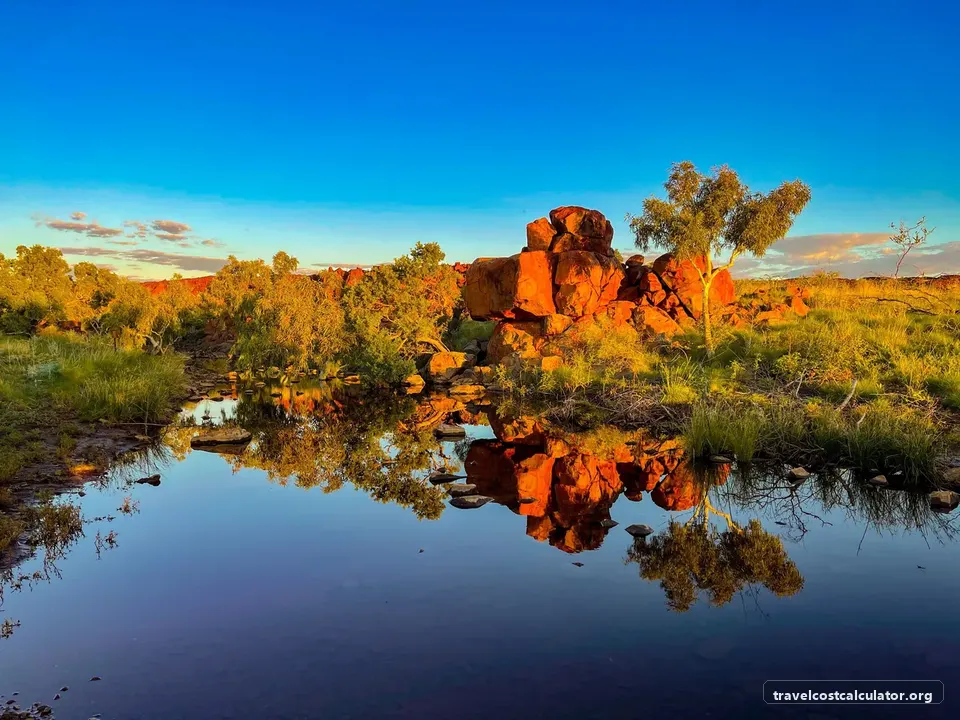
Murujuga is a landscape of ancient rocks located in northwest Australia, which encompasses the Burrup Peninsula, the Dampier Archipelago’s 42 islands, and nearby marine areas.
Murujuga Cultural Landscape
🏛️ Overview & Historical Significance
Located on the rugged Burrup Peninsula and across the 42 islands of the Dampier Archipelago in Western Australia’s remote Pilbara region, the Murujuga Cultural Landscape stands as one of the world's most dense and continuous cultural archives. Spanning over 50,000 years of human history, Murujuga contains an estimated 1 to 2 million individual petroglyphs (rock carvings), making it the largest collection of ancient rock art anywhere on Earth.
Following a multi-decade effort led by the Traditional Owners—represented by the Murujuga Aboriginal Corporation (MAC) alongside five cultural language groups (Ngarluma, Yindjibarndi, Yaburara, Mardudhunera, and Wong-Goo-Tt-Oo)—the landscape achieved prestigious UNESCO World Heritage listing in 2025. This designation recognized Murujuga's exceptional universal value as an irreplaceable record of human spiritual evolution, environmental adaptation, and artistic expression through the Last Glacial Maximum and the rising of sea levels.
The dark, iron-rich granophyre boulders of Murujuga serve as an outdoor canvas detailing extinct megafauna (such as the thylacine/Tasmanian tiger and Fat-tailed kangaroo), archaic human figures (Marga ancestral spirits), complex geometric symbols, and marine life carved as the coastline shifted thousands of years ago. Visiting Murujuga is not merely a sight-seeing trip; it is an immersive walk through living Indigenous heritage that remains deeply sacred to its cultural custodians.
🎟️ Entrance Fees, Opening Hours & Ticket Booking Tips
Visiting Murujuga National Park offers both self-guided boardwalk access and immersive Aboriginal ranger-led tours. Prices and logistics for 2026 visitors are detailed below:
-
✦
Self-Guided National Park Access (Ngajarli Trail): Free entry to the site itself, but visitors traveling by vehicle require a Western Australia Parks and Reserves Day Pass.
- WA Parks Vehicle Day Pass: AUD $17.00 (~$11.00 USD) per standard vehicle (up to 12 occupants).
-
✦
Holiday Park Pass (4-Week Access across WA): AUD $70.00 (~$46.00 USD)—recommended if visiting multiple national parks in Western Australia.
- Ngajarli Cultural Walking Tour (1.5 Hours): AUD $95.00 per adult (~$62.00 USD) / AUD $50.00 per child (~$33.00 USD).
🚌 How to Get There & Local Transit Costs
Murujuga is located in the northwest corner of Western Australia. The primary Gateway hub is the coastal city of Karratha, situated approximately 25 to 30 kilometers (15 to 18 miles) south of the primary rock art sites on the Burrup Peninsula.
Step 1: Traveling to the Hub (Perth to Karratha)
-
✦
By Air (Fastest & Most Practical): Direct domestic flights depart daily from Perth Airport (PER) to Karratha Airport (KTA) via Qantas and Virgin Australia. Flight duration is approximately 2 hours.
- Estimated 2026 Round-Trip Airfare: AUD $450.00 – AUD $850.00 (~$295.00 – $555.00 USD) depending on how far in advance you book.
- Estimated Fuel Costs (One-Way): AUD $320.00 – AUD $400.00 (~$210.00 – $260.00 USD).
Step 2: Reaching Murujuga from Karratha
-
✦
Rental Vehicle (Recommended): There is no direct public bus service connecting Karratha Airport or town center to Murujuga National Park. Renting a vehicle at Karratha Airport is the most efficient choice. While the main Ngajarli Trail is paved and accessible via 2WD vehicles, a 4WD is required if exploring remote tracks or joining tag-along tours.
- Standard 2WD SUV Rental (2026 rate): AUD $90.00 – AUD $135.00 per day (~$59.00 – $88.00 USD).
-
✦
4WD Rental (2026 rate): AUD $150.00 – AUD $220.00 per day (~$98.00 – $144.00 USD).
📸 Best Photography Spots & Insider Visit Hacks
Prime Photography Locations
-
✦
Ngajarli Art Trail Boardwalk: A 700-meter universally accessible elevated boardwalk that weaves through high concentrations of dark granophyre boulders. Elevated viewing platforms bring you face-to-face with vivid petroglyphs depicting kangaroo tracks, sea turtles, and ancient human figures carved into oxidized rock surfaces.
-
✦
Deep Gorge: Located near the entrance of the peninsula, this rugged natural drainage pathway features dense clusters of rock art alongside native flora. Note: Exploring Deep Gorge requires sturdy hiking boots and is best done on an official guided walk.
-
✦
Hearson’s Cove: Just minutes from the rock art trails, this expansive shell beach provides dramatic coastal backdrops. During full moon nights between May and October, it serves as a vantage point for the regional phenomenon known as the Staircase to the Moon.
Cultural & Photography Etiquette Hacks
-
✦
Never Touch the Petroglyphs: Natural skin oils accelerate the degradation of the delicate rock patina that preserves these ancient carvings. Always remain on designated boardwalks and rocks.
-
✦
Sacred Site Restrictions: Certain areas on Murujuga are deeply sacred or restricted to specific ceremonial gender groups. Respect all signposted photographic bans. Do not photograph human skeletal remains or specified secret-sacred stones.
-
✦
Best Time of Day: Photographers should visit during early morning golden hour (6:30 AM – 8:30 AM) or late afternoon (4:30 PM – 5:45 PM). Low-angle sunlight casts subtle shadows across the petroglyph grooves, making complex engravings pop in photographs without harsh overhead glare.
-
✦
Beat the Heat & Flies: The Pilbara region is arid and hot. Carry at least 3 liters of water per person, wear wide-brimmed sun hats, apply high-SPF sunscreen, and bring a lightweight head fly-net (bush flies can be intense during warmer months).
-
✦
Optimal Season: Plan your visit strictly between May and September (the southern winter/dry season) when daily temperatures average a comfortable 26°C to 30°C (79°F to 86°F). Avoid November through March, when extreme heat frequently exceeds 42°C (108°F) and tropical cyclones can force area shutdowns.
🏨 Nearby Accommodation & Daily Budget Allocation
Because there is no commercial lodging or camping permitted inside Murujuga National Park itself to protect its sacred heritage, visitors base themselves in the nearby towns of Karratha (25 km south) or Dampier (15 km southwest).
Accommodation Options (2026 Estimated Rates)
-
✦
Budget / Backpackers:
- Discovery Parks – Karratha / Dampier Transit Parks: Powered caravan/tent sites from AUD $45.00 – AUD $65.00 (~$30.00 – $42.00 USD) per night. Standard studio cabins from AUD $130.00 – AUD $175.00 (~$85.00 – $115.00 USD) per night.
- ibis Styles Karratha: Modern rooms with outdoor pool and central access. Rooms range from AUD $210.00 – AUD $290.00 (~$137.00 – $190.00 USD) per night.
- Karratha International Hotel: Offers spacious pool-side rooms, fine dining, and full amenities. Rates range from AUD $280.00 – AUD $420.00 (~$183.00 – $275.00 USD) per night.
Daily Budget Allocation breakdown (Per Person, USD)
-
✦
Backpacker / Budget Traveler: ~$85 – $120 USD / day
- Includes: Shared campsite/cabin, grocery self-catering, Split Travel Budget rental car costs, self-guided boardwalk pass.
- Includes: Mid-range hotel room, SUV rental vehicle, MAC ranger-guided tour, dining at local taverns/cafes.
- Includes: Top-tier hotel suite, private 4WD rental, private cultural tour, premium dining, and round-trip regional flight allocation.
Frequently Asked Questions
Essential visitor FAQs for Murujuga Cultural Landscape
What is the entrance fee for Murujuga Cultural Landscape?
How much time do you need to explore Murujuga Cultural Landscape?
How do I get to Murujuga Cultural Landscape from the nearest city?
📊 Heritage Quick Specs
Visiting Australia on a Budget?
Calculate your full daily travel budget for Australia — including hotel costs, local transport, food, and sightseeing expenses.
View Australia Daily Travel Costs →Explore more UNESCO World Heritage Sites
🏛️ All 1,200+ Heritage Sites →