
 Guinea
Mount Nimba Strict Nature Reserve
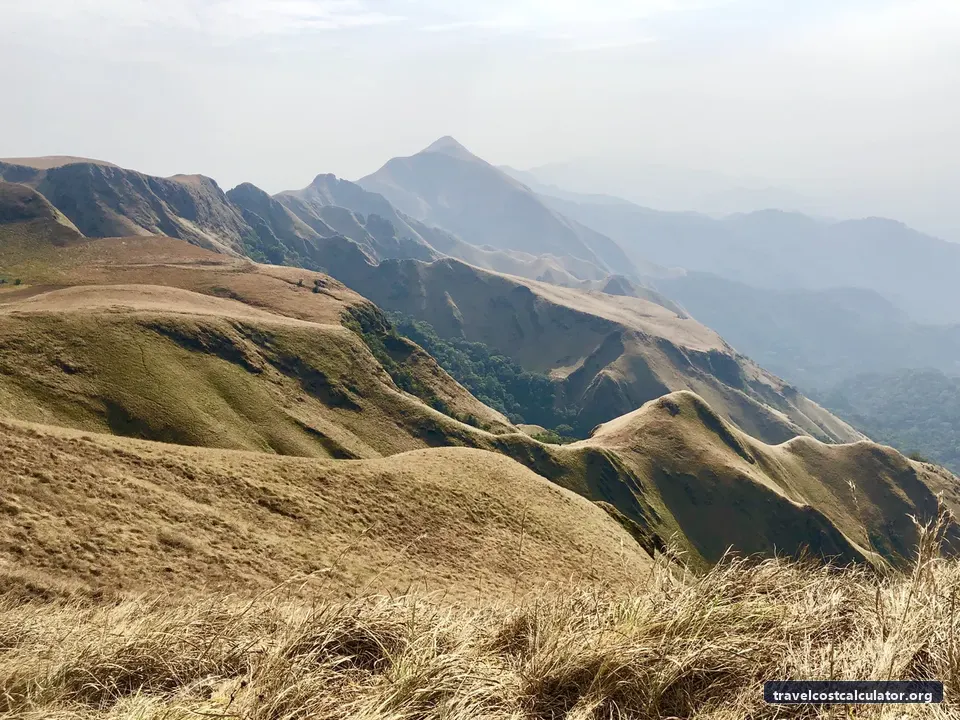
Located on the borders of Guinea, Liberia and Côte d’Ivoire, Mount Nimba rises above the surrounding savannah.
Mount Nimba Strict Nature Reserve
🏛️ Overview & Historical Significance
Rising dramatically above the surrounding tropical savannas of West Africa, the Mount Nimba Strict Nature Reserve is one of the continent's most ecologically distinct and ecologically sacred mountain chains. Shared across the international borders of Guinea, Côte d'Ivoire, and Liberia, the Guinean sector represents the heart of this ancient, high-altitude sanctuary. Crowned by Mount Richard-Molard (the highest peak in both Guinea and Côte d'Ivoire at 1,752 meters / 5,748 feet), the reserve stands as an isolated ecological island surrounded by lowland plains.
In 1981, UNESCO declared Mount Nimba a World Heritage site due to its extraordinary level of endemic biodiversity and pristine microclimates. The mountain's geography features dramatic montane grasslands (known locally as alpages) that give way to dense primary rainforests, mist-draped cloud forests, and deep ravines carved by rushing waterfalls. Because the peak remained untouched by human urbanization for millennia, it evolved into an evolutionary refuge for species found nowhere else on Planet Earth.
Among its legendary biological treasures is the Western Nimba Viviparous Toad (Nimbaphrynoides occidentalis), the world's only known amphibian that gives birth to fully formed live young rather than laying eggs, surviving exclusively in the high-altitude grasslands above 1,200 meters. The reserve is also home to the elusive Nimba Otter Shrew, giant pangolins, micro-endemic flora, and nearby communities of tool-using wild chimpanzees in the Bossou enclave, famous for using stone hammers and anvils to crack open palm nuts.
However, Mount Nimba's conservation history is also one of urgent tension. Inscribed on the UNESCO List of World Heritage in Danger in 1992, the reserve has faced continuous threats from iron ore mining concessions along its borders, bushmeat poaching, climate variability, and refugee influxes from past regional conflicts. As a Strict Nature Reserve (IUCN Category Ia), human habitation is strictly forbidden inside the boundaries, and public entry is tightly regulated by the Guinean government's park authority, CEGENS (Centre Guinéen de Gestion de l'Environnement du Mont Nimba et du Simandou).
🎟️ Entrance Fees, Opening Hours & Ticket Booking Tips
Because Mount Nimba holds "Strict Nature Reserve" status, you cannot simply buy a ticket at an automated gate. All visits must be vetted and authorized by park management in advance. Visiting without official park permits and registered local guides is strictly illegal and subject to heavy fines or deportation by forest guards (Eco-Gardes).
Estimated 2026 Fees & Permits (USD & Guinean Franc - GNF)
Prices below reflect current 2026 fee schedules adjusted for conservation management rates and inflation (estimated exchange rate: 1 USD ≈ 8,650 GNF):
-
✦
CEGENS Park Entry Permit: 435,000 GNF to 650,000 GNF per person per day (~$50 – $75 USD). This fee contributes directly to anti-poaching patrols and eco-guard operations.
-
✦
Mandatory Official Local Eco-Guide Fee: 260,000 GNF to 435,000 GNF per group/day (~$30 – $50 USD). Tipping your guide extra for strenuous multi-day summit treks is highly recommended.
-
✦
Ranger / Eco-Garde Escort Fee: 175,000 GNF to 260,000 GNF per group/day (~$20 – $30 USD). Security escorts are mandatory on high-altitude summit trails near border zones.
-
✦
Chimpanzee Tracking Permit (Optional Bossou Sanctuary Extension): 865,000 GNF per person (~$100 USD). Bossou lies right at the base of the Nimba range and provides rare access to habituated wild chimpanzees.
Opening Hours & Access Schedules
Official ranger post entry stations (primarily at Gbakoré and Bossou) operate daily from 6:00 AM to 6:00 PM. Day hikes must commence by 7:00 AM to ensure safety and navigate steep ascents before afternoon heat or mountain mists roll in. Overnight camping inside the core reserve is restricted and requires explicit written authorization from the director of CEGENS in Lola or N'Zérékoré.
Pro Booking & Permit Tips for 2026
-
✦
Book via Lola or N'Zérékoré: Arrive at the CEGENS regional headquarters in Lola or N'Zérékoré 24–48 hours prior to your planned hike to finalize paper permits and secure your assigned eco-guide.
-
✦
Cash is Mandatory: Credit cards, mobile wallets, and ATMs do NOT function near the reserve base. Carry sufficient cash in crisp, damage-free US Dollars (printed post-2021) or local Guinean Francs (GNF).
-
✦
Health Documentation: Yellow Fever vaccination certificates are mandatory for entry into Guinea and are routinely checked by border and park control posts in the forest region.
🚌 How to Get There & Local Transit Costs
Reaching Mount Nimba requires a journey into the heart of Guinée Forestière (Forest Guinea). The primary travel hub for the region is N'Zérékoré, the second-largest city in Guinea, followed by the gateway town of Lola.
Step 1: Traveling from Conakry Travel Budget to N'Zérékoré
-
✦
By Domestic Flight: Air travel between Conakry (CKY) and N'Zérékoré (NZE) operates on limited weekly schedules via domestic charters or regional carriers. Flights take approximately 1 hour 45 minutes and cost between $180 – $280 USD (1,550,000 – 2,420,000 GNF) one-way. This saves over 20 hours of grueling driving.
-
✦
By Overland Bush Taxi ("Sept-Places"): Station wagons and minibuses depart from Conakry's Matam or Bambéto stations to N'Zérékoré along the main N1/N2 corridors. The 850 km journey takes 18 to 24 hours depending on road conditions. Fares run approximately 260,000 GNF to 350,000 GNF (~$30 – $40 USD) per seat.
-
✦
By Private 4x4 Vehicle Rental: Renting a rugged Toyota Land Cruiser with an experienced driver from Conakry costs between $120 – $180 USD per day plus fuel costs (approx. 1,500,000 GNF total daily outlay).
Step 2: Transit from N'Zérékoré to Lola and Base Camp Villages
From N'Zérékoré, you must travel eastward toward the Liberian/Ivoirian border area:
-
✦
N'Zérékoré to Lola (40 km): Local shared bush taxis run frequently from the central Gare Routière in N'Zérékoré to Lola. Travel time is around 45 to 60 minutes. Fare: 20,000 – 30,000 GNF (~$2.30 – $3.50 USD).
-
✦
Lola to Gbakoré / Bossou Base Camp (15–20 km): From Lola, dirt tracks lead to the eco-guard posts at Gbakoré (entry point for Mount Nimba hikes) or Bossou. Motorbike taxis (Taxi-Moto) are the most efficient option, costing 40,000 – 70,000 GNF (~$4.60 – $8.00 USD) one-way. A private 4x4 transfer costs around 200,000 GNF (~$23 USD).
📸 Best Photography Spots & Insider Visit Hacks
Prime Photography Locations
-
✦
Mount Richard-Molard Summit (1,752m): The pinnacle of West Africa offers unobstructed 360-degree views across three nations—Guinea, Côte d'Ivoire, and Liberia. The dramatic drop-offs into cloud-filled ravines present unmatched landscape photo opportunities.
-
✦
The High Montane Savanna ("Les Alpages"): High-altitude rolling hills carpeted in vibrant green grasses (during early dry season) punctuated by unique endemic flora. Photographers can capture dramatic sky-scapes contrasted against sharp ironstone ridges.
-
✦
Gouéla & Pierre Richoud Forest Ravines: Dense, ancient sub-montane forest canopy filled with moss-laden trees, crystalline waterfalls, and rushing streams. Excellent for macro photography of endemic flora, orchids, and tree frogs.
-
✦
Bossou Primary Reserve Track: Located at the base of the chain, this lush canopy site offers high probability shots of wild chimpanzees utilizing natural tools, nested amidst giant buttress trees.
Insider Visit Hacks for 2026
-
✦
Seasonal Timing: The ideal photography and trekking window is during the early dry season from November to February. Skies are clear, humidity is manageable, and trails are stable. Avoid the peak rainy season (June to September), when torrential rains render tracks impassable, trails dangerously slick, and thick fog obscures views.
-
✦
Equipment Moisture Protection: High humidity and micro-climatic rain squalls are common on the upper slopes even during the dry season. Bring heavy-duty dry bags, silica gel packs, and waterproof covers for all camera gear and smartphones.
-
✦
Hydration & Trail Prep: Trekking up Nimba is physically demanding, involving steep ascents on loose gravel and rocky ridges with zero shade on the upper slopes. Carry at least 3 liters of water per person, high-energy snacks, electrolyte tabs, and sturdy high-ankle hiking boots.
-
✦
Respect Ecological Guidelines: You are walking through a delicate biosphere reserve. Do not touch, collect, or disturb any flora or fauna. The viviparous toad is tiny and camouflaged; watch your footing carefully on high ridge paths!
🏨 Nearby Accommodation & Daily Budget Allocation
Because Mount Nimba is a strictly protected nature reserve, luxury resort infrastructure does not exist at the base. Visitors base themselves in simple community guesthouses near the mountain or stay in regional hotels in N'Zérékoré.
Accommodation Options
-
✦
Bossou Environmental Research Station Guesthouse (Budget Base Camp): Located near the reserve base in Bossou village. Simple rooms with fan cooling, bucket or simple showers, and solar/generator power during evening hours. Rate: 150,000 – 260,000 GNF (~$18 – $30 USD) per night.
-
✦
Lola Town Auberges (Budget / Mid-Range): Basic local inns offering private rooms with en-suite bathrooms and fan/air conditioning when power is active. Rate: 200,000 – 350,000 GNF (~$23 – $40 USD) per night.
-
✦
N'Zérékoré City Hotels (Mid-Range Comfort): Options like Hôtel Sunset or Hôtel Mount Nimba in N'Zérékoré offer continuous air conditioning, reliable generator backup, hot water, basic Wi-Fi, and on-site restaurants. Rate: 435,000 – 780,000 GNF (~$50 – $90 USD) per night.
Dining & Local Food Costs
Local dining near the reserve consists of traditional Guinean forest cuisine served in local eateries (maquis). Try Tiga Dèguè (rice with rich peanut butter sauce), cassava leaf stew with fish or goat, and fried plantains (Alloco). Meals cost between 20,000 GNF to 60,000 GNF (~$2.30 – $7.00 USD) per dish. Bottled water costs roughly 5,000 GNF ($0.60 USD) per 1.5L bottle.
Estimated Daily Budget Breakdowns (2026)
-
✦
Backpacker / Low-Budget Tier: $45 – $70 USD per day (400,000 – 600,000 GNF). Covers shared bush-taxi transport, local village guesthouse staying, street market meals, and shared eco-guide/permit costs Split Travel Budget among a small group.
-
✦
Mid-Range Explorer Tier: $130 – $220 USD per day (1,120,000 – 1,900,000 GNF). Covers private motorbike or shared 4x4 hires, mid-range hotel in N'Zérékoré or Lola, official daily permit fees, dedicated eco-guide and eco-garde team, plus comfortable dining.
-
✦
Private Expedition Tier: $300+ USD per day (2,600,000+ GNF). Covers private 4x4 Land Cruiser vehicle with dedicated driver from Conakry, private eco-station lodging, priority CEGENS permits, chimpanzee tracking add-ons, and personal logistics assistant.
Frequently Asked Questions
Essential visitor FAQs for Mount Nimba Strict Nature Reserve
What is the entrance fee for Mount Nimba Strict Nature Reserve?
How much time do you need to explore Mount Nimba Strict Nature Reserve?
How do I get to Mount Nimba Strict Nature Reserve from the nearest city?
📊 Heritage Quick Specs
Visiting Guinea on a Budget?
Calculate your full daily travel budget for Guinea — including hotel costs, local transport, food, and sightseeing expenses.
View Guinea Daily Travel Costs →Explore more UNESCO World Heritage Sites
🏛️ All 1,200+ Heritage Sites →