
 United States
Monumental Earthworks of Poverty Point
Monumental Earthworks of Poverty Point owes its name to a 19th-century plantation close to the site, which is in the Lower Mississippi Valley on a slightly elevated and narrow landform.
Monumental Earthworks of Poverty Point
1. 🏛️ Overview & Historical Significance
Rising quietly above the alluvial plains of northeastern Louisiana, the Monumental Earthworks of Poverty Point represent one of the most astonishing engineering marvels of the ancient world. Inscribed as a UNESCO World Heritage Site in 2014, Poverty Point holds a singular distinction in global archaeology: it is a monumental landscape constructed not by a settled agrarian empire, but by a sophisticated hunter-gatherer-fisher society during the Late Archaic period, between roughly 1700 BCE and 1100 BCE.
For decades, mainstream archaeological theory held that complex monumental architecture required agriculture, permanent central governance, and heavy labor division. Poverty Point completely shattered that paradigm. Over three millennia ago—centuries before the construction of Stonehenge's final phase or the height of Tutankhamun's reign in Egypt—indigenous North Americans moved an estimated 2 million cubic yards (1.5 million cubic meters) of soil by hand. Using woven baskets to carry earth in 50-pound increments, they sculpted a complex 345-acre geometric landscape without the aid of draft animals, metal tools, or the wheel.
The Architectural Layout & Key Features
-
✦
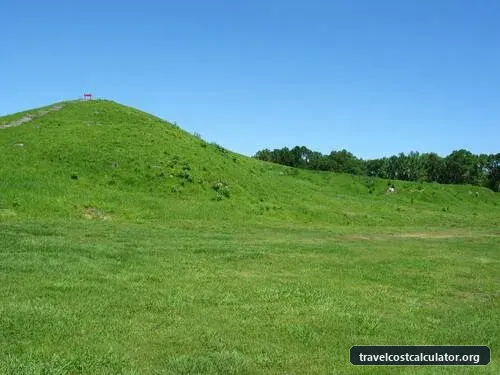
Mound A (The Bird Mound): Standing 72 feet (22 meters) tall, 710 feet long, and 660 feet wide, Mound A is the dominant feature of the site. Shaped like a massive flying bird or an T-shaped platform, it was erected in an extraordinarily short timeframe—archaeological soil cores suggest it was built in just a few months through coordinated collective effort.
-
✦
Concentric C-Shaped Ridges: Six concentric semi-elliptical earthen ridges arch across the site, divided by broad aisles. Originally standing up to 6 feet high, these ridges served as foundational terraces for living quarters, workshops, and ceremonial spaces for an estimated population of hundreds to thousands during gathering seasons.
-
✦
The Central Plaza: Enclosed by the inner ridge is a massive, artificially leveled 43-acre open plaza used for community rituals, games, trade exchanges, and seasonal gatherings.
-
✦
Auxiliary Mounds (B, C, D, E, & F): Smaller earthen structures framing the site, including Mound C, which cuts across the concentric ridges near Bayou Macon, and Mound B, one of the earliest raised features on the grounds.
Poverty Point was also the capital of a vast, continent-spanning trade network. Lacking local stone in the rich Mississippi Delta mud, inhabitants imported tons of raw materials from hundreds of miles away: copper from the Great Lakes region, soapstone from the Appalachian foothills, quartz crystal from the Ouachita Mountains, and chert from the Ohio River Valley. Craftspeople fashioned these materials into delicate stone gorgets, beads, plummet sinkers, and signature Poverty Point Objects (PPOs)—baked clay spheres used for pit-cooking food. Visited in 2026, Poverty Point stands as an unforgettable monument to ancient human ingenuity, collaboration, and environmental harmony.
2. 🎟️ Entrance Fees, Opening Hours & Ticket Booking Tips
Visiting Poverty Point State Historic Site is exceptionally affordable, making it one of the best-value UNESCO World Heritage experiences in North America. Operated by the Louisiana Office of State Parks, visit logistics remain seamless for independent travelers, families, and road-trippers.
2026 Estimated Entrance Fees & Rates
-
✦
General Admission (Ages 4–61): $4.00 USD per person.
-
✦
Seniors (Ages 62+): FREE admission (must present valid ID).
-
✦
Children (Ages 3 & Under): FREE admission.
-
✦
Guided Open-Air Tram Tour Fee: Included with standard site admission (subject to schedule and weather conditions).
-
✦
Annual Louisiana State Parks Pass Holders: FREE entry for cardholder and occupants of a single private vehicle.
Opening Hours & Schedule
-
✦
Site Operating Hours: Open 7 days a week, 9:00 AM to 5:00 PM.
-
✦
Visitor Center & Museum Hours: 9:00 AM to 5:00 PM daily.
-
✦
Holiday Closures: Closed on Thanksgiving Day, Christmas Day, and New Year's Day.
-
✦
Tram Tour Times: Guided motorized tram tours typically depart at 10:00 AM, 11:30 AM, 1:00 PM, and 3:00 PM daily (weather permitting). Check at the front desk upon arrival for daily confirmations.
Pro Tips for Buying Tickets & Planning
Unlike high-volume European UNESCO sites, Poverty Point does not require advance timed-entry booking. You can purchase admission directly at the Visitor Center front desk via cash, major credit cards, or mobile pay systems. However, if traveling with large educational groups or during spring peak school-visit days (March through May), calling the site office ahead of time is recommended to ensure open slots on the motorized tram tour.
3. 🚌 How to Get There & Local Transit Costs
Poverty Point is located in rural West Carroll Parish in northeastern Louisiana, near the town of Pioneer. Because of its remote rural setting, renting a car is strongly recommended as public transportation options like regional buses or trains do not reach the immediate site area.
Nearest Gateway Hubs & Airports
-
✦
Monroe Regional Airport (MLU) - Monroe, LA: The closest commercial airport, located approximately 45 miles (50 minutes drive) southwest of the site. Serves regional connections via major carriers.
-
✦
Jackson-Medgar Wiley Evers International Airport (JAN) - Jackson, MS: Located about 115 miles (1 hour 45 minutes drive) east across the Mississippi River border.
-
✦
Shreveport Regional Airport (SHV) - Shreveport, LA: Located 140 miles (2 hours 15 minutes drive) west along the Interstate 20 corridor.
Step-by-Step Driving Directions
From Monroe, Louisiana (Nearest Major Hub City):
-
✦
Take Interstate 20 East out of Monroe toward Rayville/Delhi for roughly 35 miles.
-
✦
Take Exit 153 (Delhi) and turn north onto LA-17 North.
-
✦
Drive north on LA-17 through Epps, Louisiana for approximately 15 miles.
-
✦
Turn right onto LA-577 North; follow signs for approximately 3 miles directly to the entrance of Poverty Point State Historic Site (6859 LA-577, Pioneer, LA 71266).
Estimated Transportation Costs (2026 Pricing)
-
✦
Rental Car (from Monroe Airport): $45.00 – $80.00 USD per day for a standard compact/mid-size vehicle, plus ~$12.00–$18.00 in fuel for the round trip.
-
✦
Rideshare / Taxi Services: Uber/Lyft options from Monroe to Pioneer exist for one-way legs (costing ~$75.00 – $95.00 USD), but booking a return pickup from rural Pioneer back to Monroe can be nearly impossible without advance arrangements. Renting a vehicle remains the most reliable and budget-friendly choice.
4. 📸 Best Photography Spots & Insider Visit Hacks
Capturing the scale of Poverty Point can be a creative challenge because earthworks are low-relief structures spread across broad acres. To shoot compelling photos and maximize your physical visit, keep these field-tested insider tips in mind.
Top Photography Angles
-
✦
Top of Mound A (Bird Mound Staircase): Climb the wooden staircase to the 72-foot summit. Looking west across the tree line and central plaza provides an expansive elevated perspective of the prehistoric landscape.
-
✦
Base of Mound A (Looking Up): Position yourself near the eastern foot of Mound A looking directly up the steep slope and wooden stairs to emphasize the massive vertical scale of hand-dug earth.
-
✦
Dunbar Mound (Mound C) at Bayou Macon: Frame the peaceful waters of Bayou Macon with Mound C and forested cypress knee backdrop for lush natural contrast.
-
✦
Concentric Ridge Hiking Trail Shadows: Photograph along the forested hiking paths traversing the ridges during early morning hours when low sun angles cast deep shadows in the ancient swales.
Best Season & Time of Day to Visit
Optimal Months: Late autumn (October to November) and spring (March to May) offer ideal weather. Spring brings blooming flora, while late autumn offers crisp air, reduced humidity, and golden fall foliage against the mounds.
Weather Warnings: Mid-summer (June through August) brings intense southern heat (90°F–98°F / 32°C–37°C) combined with high humidity and active biting insects. If visiting in summer, arrive right when gates open at 9:00 AM.
Insider Visitor Hacks
-
✦
Watch the Museum Orientation Film First: Before setting foot on the grounds, spend 20 minutes in the air-conditioned Visitor Center watching the high-definition introductory documentary and viewing the museum collection of PPOs, stone gorgets, and ancient effigies. It grounds your visual understanding of the landscape.
-
✦
Take the Tram Before You Walk: Catch the morning tram tour. The knowledgeable park ranger driver provides historical context, points out features obscured by tree cover, and explains soil composition. Afterwards, hit the 2.6-mile walking trail on foot at your own pace.
-
✦
Pack Biting Insect Protection: Being situated in river basin terrain near bayous, mosquito and seed-tick spray is essential, especially from May through September. Wear light long pants and sturdy closed-toe walking shoes.
-
✦
Bring Water & Sun Protection: Sunscreen, a wide-brimmed hat, and refillable water bottles are mandatory. Water refill stations are located in the Visitor Center.
5. 🏨 Nearby Accommodation & Daily Budget Allocation
Because Poverty Point is situated in a quiet rural setting, lodging options are concentrated in nearby towns like Delhi (15 miles south), Oak Grove (15 miles north), or the larger regional city of Monroe (45 miles west).
Where to Stay: Recommended Options
-
✦
Budget / State Park Cabins: Poverty Point Reservoir State Park (Delhi, LA – ~15 miles away). Features fully equipped waterfront cabins starting around $95.00–$150.00 USD/night, or RV campgrounds for $25.00–$38.00 USD/night. (Note: Separate state park from the historic mound site).
-
✦
Mid-Range Convenience: Super 8 by Wyndham or local motor inns in Delhi/Rayville, LA ($75.00 – $100.00 USD/night) offer basic, clean roadside accommodation 20 minutes from the ruins.
-
✦
Full Service & Amenities: Hotels in Monroe / West Monroe (45-minute drive), such as Courtyard by Marriott Monroe or TownePlace Suites Monroe ($120.00 – $185.00 USD/night), placing you close to restaurants, shopping, and airport transit.
Local Dining Experiences
Don't miss sampling authentic North Louisiana culinary comfort food while exploring the area. Small diners and seafood spots in Delhi and Oak Grove serve classic fried catfish, gumbo, po'boys, and slow-smoked Southern BBQ at modest prices ($12.00–$22.00 USD per meal).
Daily Travel Budget Allocations (2026 Estimates)
Here is a estimated breakdown of daily expenditure per person for a trip centered around Poverty Point and northern Louisiana:
-
✦
Budget Traveler: ~$85 – $125 USD / day
- Camping or shared motel room ($35 – $50)
-
✦
Basic diner meals & picnic lunch ($25 – $35)
-
✦
Rental car share & gas ($20 – $35)
-
✦
Poverty Point entry ($4)
- Mid-tier hotel or state park cabin ($90 – $140)
- Upscale Monroe suite ($160 – $220)
Frequently Asked Questions
Essential visitor FAQs for Monumental Earthworks of Poverty Point
What is the entrance fee for Monumental Earthworks of Poverty Point in 2026?
How much time do you need to explore Monumental Earthworks of Poverty Point?
How do I get to Monumental Earthworks of Poverty Point from the nearest city?
📊 Heritage Quick Specs
Visiting United States on a Budget?
Calculate your full daily travel budget for United States — including hotel costs, local transport, food, and sightseeing expenses.
View United States Daily Travel Costs →Explore more UNESCO World Heritage Sites
🏛️ All 1,200+ Heritage Sites →