
 Netherlands
Mill Network at Kinderdijk-Elshout
The outstanding contribution made by the people of the Netherlands to the technology of handling water is admirably demonstrated by the installations in the Kinderdijk-Elshout area.
Mill Network at Kinderdijk-Elshout
🏛️ Overview & Historical Significance
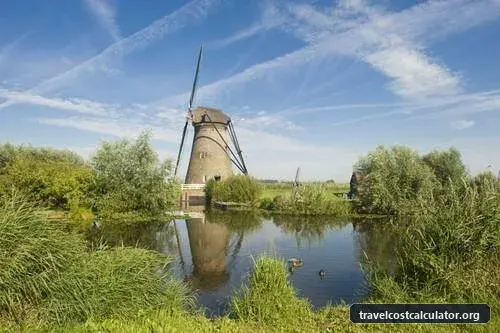
Rising dramatically from the wind-swept polders of South Holland, the Mill Network at Kinderdijk-Elshout stands as humanity's most iconic victory over the relentless sea. Inscribed as a UNESCO World Heritage Site in 1997, this landscape of 19 historic windmills, drainage sluices, pumping stations, and canals represents an extraordinary technological feat of Dutch hydraulic engineering. Nowhere else on Earth can you witness such an intact, functioning system designed to keep an entire region below sea level dry and habitable.
The history of Kinderdijk dates back to the 13th century when the Alblasserwaard polder was drained and settled under the order of Count Floris V. However, persistent soil subsidence caused the land to drop relative to river water levels, triggering catastrophic floods—most famously the historic Saint Elizabeth’s Flood of 1421. To survive, the local water boards constructed a sophisticated network of canals and basins. Between 1738 and 1740, nineteen majestic brick and thatched windmills were erected in two facing lines along the Nederwaard and Overwaard canals to lift water from the lower polders into the Upper Basin, where it could be discharged into the River Lek during low tide.
What makes Kinderdijk an indispensable stop for international travelers is its living heritage. Unlike static museum exhibits, these 18th-century mills remain fully functional standby systems to this day. In emergency situations where modern electric and diesel pumping stations fail, the millers of Kinderdijk can unfurl the canvas sails and set the wooden gears turning to protect the low country. Visiting Kinderdijk in 2026 offers an immersive window into the ingenuity, resilience, and water management mastery that built the Netherlands.
🎟️ Entrance Fees, Opening Hours & Ticket Booking Tips
Exploring Kinderdijk requires understanding the distinction between public access and the official UNESCO museum experience. The open dike paths that run parallel to the windmills are completely free to walk or cycle 24/7 year-round. However, to step inside the historic windmills, access the interactive exhibits, ride the canal boats, and watch the educational multi-screen film, you must purchase an official Kinderdijk All-in Visitor Ticket.
2026 Ticket Pricing (Estimated Rates)
-
✦
Adult Ticket (Online Advance): €20.50 / approx. $22.50 USD
-
✦
Adult Ticket (On-site / Day of Visit): €23.00 / approx. $25.00 USD
-
✦
Child Ticket (Ages 4–12): €10.50 / approx. $11.50 USD (Free for ages 0–3)
-
✦
Family Pass (2 Adults + 2 Children): €54.00 / approx. $59.00 USD
-
✦
Museumkaart / Rotterdam Pass Holders: Free admission to museums (reservation fee of €2.50 / $2.75 USD applies during peak months).
What is Included in the All-in Visitor Ticket?
Your admission pass unlocks full access to the core heritage site elements:
-
✦
Entry to Museum Mill Nederwaard (a authentic brick mill inhabited by real millers).
-
✦
Entry to Museum Mill Blokweer (a 1630s thatched post mill showing traditional 1950s polder life).
-
✦
Hop-on Hop-off access to the Canal Tour Boats (Cruiser and Hopper).
-
✦
Access to the Wisboom Pumping Station audio-visual center and steam engine exhibit.
-
✦
Multi-screen intro film inside De Fabriek Secondary Pumping Station.
-
✦
Official audio tour via the free Kinderdijk Mobile App.
Opening Hours (2026 Operating Schedule)
-
✦
Peak Season (March 28 – October 31, 2026): 09:00 AM – 05:30 PM daily (Canal boats run until 05:00 PM).
-
✦
Winter Season (November 1 – March 27, 2026): 10:30 AM – 04:00 PM daily (Limited boat operations depending on ice/weather).
Smart Booking Tips
1. Book Online in Advance: Tickets must be pre-booked online with a timed entry slot to control crowd flow. Online booking saves you €2.50 per ticket compared to ticket window prices.
2. Morning vs. Afternoon Slots: Reserve an 09:00 AM entry slot to tour the museum mills quietly before large river cruise tour groups arrive at 11:00 AM.
🚌 How to Get There & Local Transit Costs
Kinderdijk is situated in South Holland between Rotterdam and Dordrecht. Reaching the site is simple via public transportation, with the scenic water route being the most popular option for travelers.
Option A: The Waterbus from Rotterdam (Most Recommended)
Taking the Waterbus ferry from downtown Rotterdam offers a scenic voyage along the Nieuwe Maas river directly to Kinderdijk’s entrance.
-
✦
Departure Point: Rotterdam, Erasmusbrug ferry pier (Line 21 direct in summer, or Line 20 to Ridderkerk with a quick transfer).
-
✦
Travel Time: Approximately 30 minutes direct.
-
✦
Cost (2026): €7.50 / approx. $8.20 USD one-way per adult. You can pay using contactless debit/credit card or an OV-chipkaart onboard.
Option B: Train & Bus from Amsterdam Travel Budget or Utrecht
If you are traveling directly from Amsterdam Central Station:
-
✦
Step 1: Take the NS Intercity Direct train from Amsterdam Centraal to Rotterdam Centraal (40 minutes, ticket cost approx. €18.50 / $20.20 USD).
-
✦
Step 2: Take RET Bus 489 from Rotterdam Lombardijen station directly to the Kinderdijk, Molenkade bus stop (25 minutes, ticket cost approx. €4.20 / $4.60 USD).
Option C: Renting a Bicycle from Rotterdam
For an authentic Dutch adventure, rent an e-bike or city bicycle near Rotterdam Centraal (€12.00–€18.00 / $13.00–$19.50 USD per day) and cycle the flat, beautifully paved 15 km (9.3 miles) route along the dikes to Kinderdijk. The cycle takes under an hour and costs nothing extra once you have your bike.
Option D: By Car & Parking Costs
Driving to Kinderdijk directly is strictly regulated to protect local residents. Visitor parking directly at the site is restricted and costs €9.50 / $10.40 USD per car (must be reserved online alongside tickets). Alternatively, park at the Marinco outdoor lot in nearby Alblasserdam (€7.50 / $8.20 USD) and take the electric shuttle bus to the mills.
📸 Best Photography Spots & Insider Visit Hacks
With its mirror-like reflections on calm water and expansive Dutch skies, Kinderdijk is a paradise for photography enthusiasts. Knowing where to stand and when to shoot makes all the difference.
Top 3 Photography Locations
-
✦
1. The Nederwaard Line Viewpoint: Located along the main paved cycle path past the ticket office. Frame your shot looking back down the canal to align five brick mills in a perfect receding line along the water's edge.
-
✦
2. Middelkade Bridge (Overwaard Angle): Stand on the wooden footbridges connecting Middelkade and Overwaard. From here, you can shoot low-angle water reflections capturing both the thatched mills and traditional sailing boats.
-
✦
3. Canal Boat Deck (Low Water Perspective): Position yourself on the open-air deck of the Hopper boat as it traverses the canal to capture wide-angle panoramas of the mills rising above the reed beds.
Insider Hacks for an Unforgettable Visit
-
✦
Golden Hour & Sunset Magic: The museum mills close around 5:30 PM, but the public pathways remain open. Stay late until golden hour when the setting sun turns the sky shades of crimson and orange behind the windmill silhouettes.
-
✦
Illumination Week (Molenweek): If planning your 2026 travel around September, aim for the first full week of September. During this annual event, all 19 windmills are lit up by powerful floodlights after dark—a magical spectacle for long-exposure photography.
-
✦
Rent a Bike On-site: If walking the entire length of the site (over 3 km back and forth) feels overwhelming, rent a cruiser bicycle right outside the visitor center entrance (€10.00 / $11.00 USD for 3 hours).
-
✦
Pack Waterproof Layers: Weather in the open polder changes rapidly. Winds blowing off the North Sea can bring sudden rain showers even on forecast-clear summer days. Bring a windbreaker and a waterproof lens sleeve.
🏨 Nearby Accommodation & Daily Budget Allocation
While Kinderdijk itself is a small village with limited hotel options, staying in nearby historical hub cities like Rotterdam or Dordrecht provides excellent hotel choices and vibrant dining options.
Recommended Accommodation Near Kinderdijk
-
✦
Budget Option (Rotterdam Center): Stayokay Hostel Rotterdam (Cube Houses) – Stay in Piet Blom's iconic architecture just 10 minutes from the Waterbus pier. Dorm beds from €38–€52 / $41–$57 USD per night.
-
✦
Mid-Range Option (Alblasserdam / Kinderdijk): Hotel Landvast or Bed & Breakfast Het Molenland – Located 2 km from the windmills. Cozy, traditional Dutch hospitality with bike rentals. Rooms from €115–€160 / $125–$175 USD per night.
-
✦
Boutique Luxury Option (Dordrecht): Villa Augustus – A beautifully restored historic water tower surrounded by organic gardens, located 15 minutes away via Waterbus. Rooms from €180–€260 / $195–$285 USD per night.
Estimated Daily Budget Breakdowns (2026 Figures)
To help plan your financial itinerary, here is what a full day exploring Kinderdijk and the surrounding region typically costs per person:
1. Backpacker / Budget Level: €65 – €85 / $71 – $93 USD per day
-
✦
Accommodation (Hostel bed in Rotterdam): €42 / $46 USD
-
✦
Transit (Waterbus round-trip from Rotterdam): €15 / $16 USD
-
✦
Kinderdijk Entrance Ticket (Advance online): €20.50 / $22.50 USD
-
✦
Food & Snacks (Supermarket meal / Dutch fries stall): €12 / $13 USD
2. Mid-Range Traveler: €170 – €230 / $185 – $250 USD per day
-
✦
Accommodation (3-star hotel / B&B twin share): €80 / $87 USD per person
-
✦
Transit (Train + Ferry / E-bike rental): €20 / $22 USD
-
✦
Kinderdijk All-in Ticket + Audio Guide: €20.50 / $22.50 USD
-
✦
Dining (Lunch at Grand-Café Het Wapen van Souburgh + Bistro Dinner): €55 / $60 USD
3. Luxury / Comfort Traveler: €350+ / $380+ USD per day
-
✦
Accommodation (Boutique Hotel Villa Augustus / 4-Star Suite): €160 / $175 USD per person
-
✦
Transit (Private Water Taxi or Taxi/Rental Car): €60 / $65 USD
-
✦
Kinderdijk Ticket + Private Guided Boat Tour: €65 / $71 USD
-
✦
Dining (Fine Dining Seafood Dinner in Rotterdam/Dordrecht): €95 / $104 USD
Frequently Asked Questions
Essential visitor FAQs for Mill Network at Kinderdijk-Elshout
What is the entrance fee for Mill Network at Kinderdijk-Elshout?
How much time do you need to explore Mill Network at Kinderdijk-Elshout?
How do I get to Mill Network at Kinderdijk-Elshout from the nearest city?
📊 Heritage Quick Specs
Visiting Netherlands on a Budget?
Calculate your full daily travel budget for Netherlands — including hotel costs, local transport, food, and sightseeing expenses.
View Netherlands Daily Travel Costs →Explore more UNESCO World Heritage Sites
🏛️ All 1,200+ Heritage Sites →