
 Zimbabwe
Matobo Hills
The area exhibits a profusion of distinctive rock landforms rising above the granite shield that covers much of Zimbabwe.
Matobo Hills
🏛️ Overview & Historical Significance
Rising dramatically out of the southwestern Zimbabwean plateau, the Matobo Hills (also known as the Matopos) present one of southern Africa's most spellbinding natural and cultural landscapes. Spanning over 3,100 square kilometers, this extraordinary expanse of sculptured granite inselbergs, giant balancing boulders, and steep wooded valleys was officially inscribed as a UNESCO World Heritage Site in 2003 under the "Cultural Landscape" category.
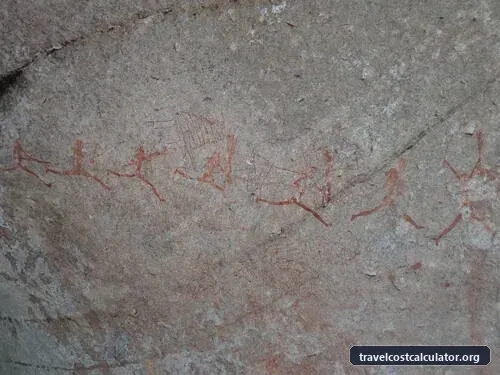
The UNESCO designation recognizes Matobo's continuous human occupation stretching back more than 100,000 years. The region houses one of the highest concentrations of prehistoric rock art in Southern Africa. Created by the indigenous San (Bushmen) hunter-gatherers over 13,000 years ago, these natural cave galleries depict intricate scenes of wildlife, shamanic rituals, and ancient daily life painted in natural ochres and mineral pigments.
Beyond its ancient rock art, the Matobo Hills remain an active spiritual epicenter. For centuries, the landscape has served as the sacred heartland of the Mwari religion, a monotheistic faith practiced by the Shona and Ndebele peoples. Sacred shrines such as Njelele tucked into secret granite clefts continue to attract pilgrims seeking spiritual counsel and rainmaking ceremonies.
The area is also deeply intertwined with 19th- and 20th-century colonial history. Atop the granite dome of Malindidzimu—which translates in the local language to "Hill of Benevolent Spirits"—lies the grave of British imperialist Cecil John Rhodes. Rhodes designated this spot as his final resting place, coining the name "World's View" for its breathtaking 360-degree panorama over the sea of granite domes.
🎟️ Entrance Fees, Opening Hours & Ticket Booking Tips
Visiting Matobo Hills involves navigating fees set by the Zimbabwe Parks and Wildlife Management Authority (Zimparks) as well as the National Monuments department for specific historic sites. As of 2026, transactions across Zimbabwe primarily use U.S. Dollars (USD) alongside the official currency, Zimbabwe Gold (ZiG). Cash in clean USD notes (printed after 2013) remains the most accepted payment method for park entry gates.
2026 Ticket & Activity Fee Structure
-
✦
International Adult Park Entry: $20 USD per person per day (ZiG equivalent available for domestic bank card holders).
-
✦
International Child Park Entry (Ages 6–12): $10 USD per person. Children under 6 enter free.
-
✦
SADC Resident Adult Entry: $15 USD per person per day.
-
✦
Zimbabwean Citizen Adult Entry: $5 USD (or ZiG equivalent).
-
✦
Vehicle Gate Fee: $5 USD per light vehicle / SUV per day.
-
✦
World's View & Rhodes' Grave Entry: $10 USD per person (National Monuments fee collected at the summit gate).
-
✦
Zimparks Guided Rhino Tracking Walk: $50 – $60 USD per person (Requires pre-booking at the main park office or through an accredited tour operator).
Opening Hours & Logistical Tips
-
✦
Park Gate Hours: Open daily from 06:00 to 18:00. Entry after dark is prohibited unless traveling directly to a reserved inside-the-park lodge.
-
✦
Booking Advice: Standard day-entry tickets do not require advance online booking; you can purchase them at the main entrance gates (such as Maleme Gate or Hazelside Gate). However, if you plan to do on-foot rhino tracking, you must book at least 24–48 hours in advance via the Zimparks office at Maleme Dam or through a local safari agent in Bulawayo Travel Budget.
-
✦
Cash Requirement: While major lodges accept international credit cards, park entrance gates occasionally experience offline card terminals due to remote cellular coverage. Always carry exact USD cash.
🚌 How to Get There & Local Transit Costs
The primary gateway to Matobo Hills is Bulawayo, Zimbabwe's second-largest city, located approximately 34 kilometers (21 miles) north of the park boundary. Most travelers arrive in Bulawayo via Joshua Mqabuko Nkomo International Airport (BUQ) or via overland transport from Victoria Travel Budget Falls or Harare Travel Budget.
Transport Options from Bulawayo to Matobo Hills
-
✦
Self-Drive / Rental Car (Recommended): Renting an SUV or 4x4 vehicle in Bulawayo gives you maximum freedom to explore the park's rugged gravel loops and interior cave access roads.
- Cost: $60 – $110 USD per day for a standard 4WD vehicle.
-
✦
Route: Drive south out of Bulawayo along the paved Matopos Road (A7). The journey to the main park gates takes approximately 40 to 50 minutes.
- Cost: $70 – $100 USD return (includes wait time inside the park; drivers will expect you to pay their $5 vehicle gate fee).
- Cost: $2 – $4 USD one-way.
- Cost: $110 – $180 USD per person.
📸 Best Photography Spots & Insider Visit Hacks
Must-Visit Photography Hotspots
-
✦
World's View (Malindidzimu): The ultimate landscape photography vantage point. Shoot late in the afternoon (16:30 to 18:00) during the "golden hour" to capture the warm sun reflecting off the lichens on giant granite boulders and Rhodes' bronze grave plate.
-
✦
Silozwane Cave: Located in the southern sector of the park, this grand cavern features some of the best-preserved San rock art panels depicting human figures, giraffes, and ritual dances. Wide-angle lenses work best here to capture the scale of the cave vault.
-
✦
Nswatugi Cave: Famous for vivid paintings of running kudus and wild cats. The natural light entering the rock shelter between mid-morning and noon provides perfect exposure for rock art photography without requiring flash (flashes are prohibited to protect pigments).
-
✦
Maleme Dam: Early morning mist rising off the quiet waters of Maleme Dam with granite inselbergs reflected in the background offers serene reflections.
-
✦
Whiston Game Park (Rhino Sanctuary): The protected game section of Matobo is home to significant populations of both Southern white rhinos and black rhinos. Bring a 300mm+ telephoto lens for safe distance wildlife photography during guided tracking safaris.
Insider Hacks & Safety Rules
-
✦
Footwear Matters: Granite domes can be deceptively steep and smooth. Wear high-traction hiking boots with rubber soles. Avoid visiting rock domes during rainstorms as wet granite becomes slick as ice.
-
✦
Sun & Fly Protection: Shadow is scarce atop the inselbergs. Pack high-SPF sunscreen, a wide-brim hat, and insect repellent (mopane flies can be annoying in warm dry months).
-
✦
Best Time of Year: Visit during the dry season from May to October for optimal game viewing and comfortable hiking weather. June–August brings cool, clear blue skies. April and May offer lush green landscapes right after the summer rains.
-
✦
Protect the Art: Never touch the San rock paintings or spray water on them to enhance colors; body oils and moisture cause permanent chemical degradation of the prehistoric paints.
🏨 Nearby Accommodation & Daily Budget Allocation
Accommodation in and around Matobo Hills ranges from rustic Zimparks campsites to world-class luxury lodges carved directly into the granite hillsides.
Accommodation Options
-
✦
Budget: Zimparks Maleme Rest Camp & Camping
Located near Maleme Dam inside the core national park area. Offers self-catering thatched chalets and shaded campsites with communal ablution blocks.
- Campsite: $15 – $20 USD per pitch/night.
-
✦
Standard Chalet: $35 – $60 USD per night.
Comfortable mid-tier lodges situated on private property bordering the national park, offering en-suite thatched cottages, swimming pools, and on-site dining.
- Rates: $130 – $240 USD per room/night (inclusive of breakfast).
Ultra-exclusive eco-lodges integrated seamlessly into massive granite kopjes. Features luxury suites built around natural boulder formations, gourmet dining, spa facilities, and private guided game drives.
- Rates: $450 – $800+ USD per person/night (all-inclusive: meals, drinks, activities, and park guided tours).
Estimated Daily Budget Allocations (2026)
-
✦
Shoestring Backpacker ($45 – $70 USD / day):
- Accommodation: Camping at Maleme Rest Camp ($15)
-
✦
Food: Self-catering / basic groceries from Bulawayo ($15)
-
✦
Transport: Shared kombi round-trip + local walking ($8)
-
✦
Park Fees: Standard entry ($20)
- Accommodation: Mid-range lodge or Zimparks luxury chalet ($100 - $140)
- Accommodation: All-inclusive luxury safari lodge ($600 - $800)
Frequently Asked Questions
Essential visitor FAQs for Matobo Hills
What is the entrance fee for Matobo Hills?
How much time do you need to explore Matobo Hills?
How do I get to Matobo Hills from the nearest city?
📊 Heritage Quick Specs
Visiting Zimbabwe on a Budget?
Calculate your full daily travel budget for Zimbabwe — including hotel costs, local transport, food, and sightseeing expenses.
View Zimbabwe Daily Travel Costs →Explore more UNESCO World Heritage Sites
🏛️ All 1,200+ Heritage Sites →