
 India
India
Maratha Military Landscapes of India
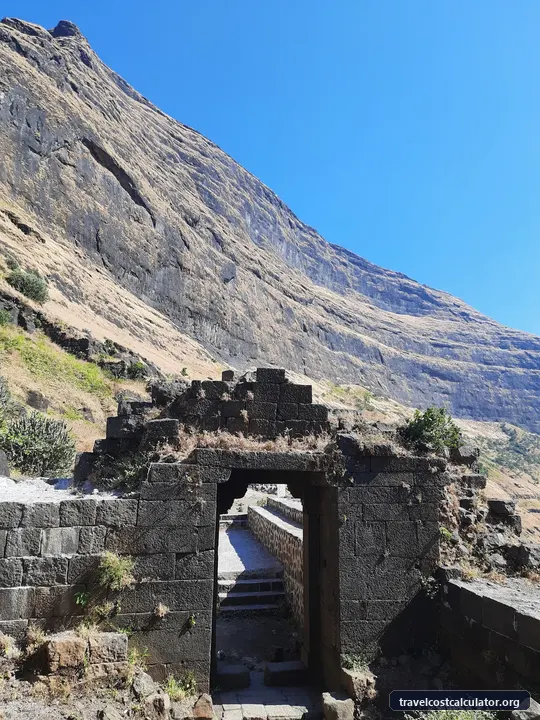
The property includes twelve major fortifications, mostly in Maharashtra State, with one in Tamil Nadu.
Maratha Military Landscapes of India
🏛️ Overview & Historical Significance (Why it was designated a UNESCO World Heritage site in 2025)
The Maratha Military Landscapes of India represents one of the most extraordinary networks of fortification and military architecture in human history. Formally inscribed as a UNESCO World Heritage Site in 2025, this serial property encompasses 12 distinct forts spanning the rugged Sahyadri Mountain Range (Western Ghats), the Konkan coastline, and the plains of Southern India. Developed predominantly between the 17th and 19th centuries under the visionary leadership of Chhatrapati Shivaji Maharaj and subsequent Maratha rulers, this fortification network laid the defense foundation of the Maratha Empire.
UNESCO designated these military landscapes due to their outstanding universal value in military architecture, terrain adaptation, and tactical engineering. The serial nomination highlights how Maratha strategists integrated natural geography—sheer basalt cliffs, dense mountain forests, tidal creeks, and rocky sea islands—into an impregnable defense grid that successfully thwarted Mughal, British, and Portuguese forces for generations.
The 12 component sites showcase five distinct physiographic and strategic typologies:
-
✦
Hill Forts: Salher (the highest fort in Maharashtra), Shivneri (birthplace of Chhatrapati Shivaji Maharaj), Lohagad, Raigad (the royal capital), Rajgad (the first strategic capital), and Panhala.
-
✦
Hill-Forest Fort: Pratapgad, strategically commanding dense mountain passes.
-
✦
Coastal Fort: Suvarnadurg, built on a rocky island off the Dapoli coast.
-
✦
Island Sea Forts: Sindhudurg, Vijaydurg, and Khanderi, representing advanced naval engineering with sea-facing ramparts anchored by molten lead.
-
✦
Inland Land/Hill Fort: Gingee Fort in Tamil Nadu, famously dubbed the "Troy of the East" by the British.
What sets the Maratha Military Landscapes apart is the strategic philosophy of Ganimi Kava (guerrilla warfare). Rather than building massive, ostentatious palaces, the Marathas built functional, high-elevation fortresses featuring complex rainwater harvesting systems, hidden escape passages (*chor darwaja*), multi-layered defensive gates, and outward-jutting bastions designed to funnel enemies into lethal crossfires. Visiting these sites in 2026 offers an immersive journey through living history, ancient water management systems, and breathtaking natural vistas.
🎟️ Entrance Fees, Opening Hours & Ticket Booking Tips
Because the network comprises multiple sites under the jurisdiction of the Archaeological Survey of India (ASI) and the Maharashtra State Department of Archaeology, entry fees are standardized across most location types. Updated for the 2026 travel season, here is a detailed breakdown of costs and ticket logistics.
Standard Monument Entrance Fees (2026 Rates)
-
✦
Indian Citizens & SAARC / BIMSTEC Visitors: ₹25 to ₹50 ($0.30 – $0.60 USD) per fort.
-
✦
Foreign Tourists: ₹300 to ₹600 ($3.60 – $7.20 USD) per fort.
-
✦
Children (Under 15 years): Free entry at all ASI-managed monuments upon presentation of valid age proof.
-
✦
Still Camera / Smartphone Photography: Free for non-commercial use.
-
✦
Commercial Video / Tripod Permits: ₹500 to ₹1,500 ($6.00 – $18.00 USD), requiring advance online approval for professional gear.
Specialized Transport & Access Fees
-
✦
Raigad Ropeway (Cable Car): ₹450 to ₹550 ($5.40 – $6.60 USD) for a round-trip ticket. (Saves a 1,450-step vertical climb; highly recommended during hot weather).
-
✦
Sindhudurg Boat Ferries (from Malvan Jetty): ₹120 to ₹200 ($1.45 – $2.40 USD) round trip, including mandatory life-jacket rental.
-
✦
Suvarnadurg Boat Transfer (Harnai Port): ₹200 to ₹350 ($2.40 – $4.20 USD) per person via private local fishing boats (subject to ocean weather).
Operating Hours
Most land and hill forts (Shivneri, Lohagad, Rajgad, Pratapgad, Panhala, Gingee) are open daily from 6:00 AM to 6:00 PM (Sunrise to Sunset). Island forts (Sindhudurg, Khanderi) operate between 8:00 AM and 5:00 PM, strictly dependent on sea tides and weather conditions.
Pro Ticket Booking Hacks for 2026
-
✦
Book Online via ASI Ticket Portal: Purchase your entrance tickets online through the official ASI e-ticketing portal. Online bookings offer a ₹5 discount for domestic visitors and a ₹50 discount for foreign travelers, while allowing you to skip long lines at ticket windows (especially at Lohagad and Raigad).
-
✦
Carry Physical Photo Identification: Passport for foreign nationals; Aadhaar card/Driver's License for Indian citizens. Security personnel check IDs matching the name on your digital ticket.
-
✦
Cash vs. Digital Payments: While ticket counters accept UPI and credit cards, local transport (boats, auto-rickshaws, guide fees) requires local physical currency (INR cash). Carry small denominations (₹50, ₹100, ₹200 notes).
🚌 How to Get There & Local Transit Costs
The Maratha Military Landscapes are spread across two South Indian states (Maharashtra and Tamil Nadu). Pune and Mumbai Travel Budget serve as the primary international and domestic hubs for 11 of the 12 fort sites. Chennai or Puducherry serves as the access point for Gingee Fort.
1. Accessing the Pune & Western Ghats Cluster (Lohagad, Shivneri, Rajgad, Raigad, Pratapgad)
Nearest Airport & Railway Hub: Pune International Airport (PNQ) or Chhatrapati Shivaji Maharaj International Airport (BOM) in Mumbai.
-
✦
To Lohagad Fort: Take a suburban local train from Pune Junction to Malavli Station (₹30 / $0.36 USD; 1 hour 15 mins). From Malavli station, it is a pleasant 5 km trek or a shared auto-rickshaw ride (₹50–₹100 / $0.60–$1.20 USD per seat) to the base village of Malavli/Bhaja.
-
✦
To Shivneri Fort (Junnar): Take an MSRTC (Maharashtra State Transport) express bus from Pune’s Swargate or Shivajinagar bus stand to Junnar (₹160 / $1.90 USD; 3 hours). From Junnar bus stand, auto-rickshaws reach the fort base for ₹80 ($1.00 USD).
-
✦
To Raigad Fort: Take a state bus from Pune or Mumbai (Central Bus Stand) to Mahad, then transfer to a local bus or shared cab to Pachad/Raigad Ropeway base (Total transit cost: ₹220–₹350 / $2.60–$4.20 USD). Alternatively, private taxi hire from Pune costs ₹3,500–₹4,500 ($42–$54 USD) per day.
2. Accessing the Konkan Coastal Forts (Sindhudurg, Vijaydurg, Suvarnadurg)
Nearest Airport & Railway Hub: Chipi Airport Sindhudurg (SDW), Dabolim Airport Goa Travel Budget (GOI), or Konkan Railway stations (Kudal, Kankavli, or Ratnagiri).
-
✦
To Sindhudurg Fort: Take the Konkan Railway train to Kudal or Sindhudurg station (₹150–₹600 / $1.80–$7.20 USD depending on train class). Take a local bus/auto-rickshaw from Kudal to Malvan Jetty (28 km; ₹50 bus, ₹500 private auto). Ferries depart continuously from Malvan Jetty to the island fort.
-
✦
To Vijaydurg Fort: Accessible by road via MSRTC buses from Rajapur or Devgad (₹60–₹120 / $0.70–$1.45 USD). Private cab from Goa or Kolhapur costs ₹4,000–₹5,500 ($48–$66 USD).
3. Accessing the Southern Outpost (Gingee Fort, Tamil Nadu)
Nearest Airport & Railway Hub: Chennai International Airport (MAA) or Puducherry (PNY).
-
✦
Take a passenger train from Chennai Central to Villupuram Junction (₹90–₹300 / $1.10–$3.60 USD; 2.5 hours).
-
✦
From Villupuram or Puducherry, frequent TNSTC state buses drop travelers directly at Gingee Bus Stand (₹40–₹80 / $0.50–$1.00 USD; 1 hour).
📸 Best Photography Spots & Insider Visit Hacks
Prime Photography Locations across the Network
-
✦
Vinchu Kata (Scorpion's Sting) at Lohagad Fort: A dramatic 1.5 km long fortified ridge extending out like a scorpion tail. Photographed early morning during late monsoon (September) when clouds float beneath the ridge.
-
✦
Maha Darwaja at Raigad Fort: The gigantic, imposing main entry gate flanked by two monumental curved bastions, framed perfectly against the backdrop of the Sahyadri valleys.
-
✦
The Hidden Main Entrance of Sindhudurg Fort: Built into the island walls using smart optical illusion tricks, making the entry gate completely invisible from the sea until you are right in front of it.
-
✦
Rajagiri Peak at Gingee Fort: Capturing the dramatic multi-tiered citadel built over massive granite boulders against sunset hues.
-
✦
Suvarnadurg Sea Fortress from Harnai Beach: Telephoto shots from Harnai headland during golden hour capture the waves crashing against the fort's ancient marine ramparts.
Best Time of Year to Visit
-
✦
October to March (Peak Winter Season): Ideal for all 12 forts. Temperatures range between 15°C and 28°C (59°F–82°F), offering clear blue skies, comfortable conditions for steep hill climbs, and accessible sea routes.
-
✦
July to September (Monsoon Season - Specialized Travel): The hill forts (Lohagad, Rajgad, Raigad, Pratapgad) turn into lush paradise landscapes with mist and waterfalls. Warning: Sea forts (Sindhudurg, Suvarnadurg, Khanderi) are often CLOSED to boat traffic during peak monsoon (June to August) due to rough seas.
Insider Travel Hacks for an Optimal Experience
-
✦
Start Climbs at First Light (5:30 AM – 6:00 AM): Midday sun on exposed granite rock steps can cause heat fatigue. Morning treks offer cool air, minimal crowds, and superior lighting for photography.
-
✦
Footwear is Critical: Invest in high-traction trekking shoes with strong rubber grips. Ancient basalt stone steps can become slick from moss (in monsoon) or polished fine dust (in dry season).
-
✦
Water Strategy: Carry a minimum of 2 liters of water per person. While vendors sell packaged water at popular base points, higher bastions on Rajgad, Salher, and Vijaydurg lack shops. Carry a reusable filter bottle.
-
✦
Hire Licensed Local Guides: At historic fort capitals like Raigad and Rajgad, hire local village guides at the entrance (₹400–₹800 / $4.80–$9.60 USD). Their storytelling reveals hidden water cisterns, secret escape routes, and architectural marvels missed by casual tourists.
🏨 Nearby Accommodation & Daily Budget Allocation
To experience the full Maratha Military Landscapes circuit, plan your accommodation around two primary base regional hubs: Pune/Lonavala (for northern hill forts) and Malvan/Sawantwadi (for coastal forts).
Recommended Accommodations
-
✦
Budget Lodging & Trekkers' Homestays: Local villager-run homestays at the base of Raigad (Pachad village) or Rajgad (Gunjavane village). Simple rooms, clean bedding, and authentic home-cooked meals (₹800 – ₹1,500 / $9.60 – $18.00 USD per night).
-
✦
Mid-Range Hotels & Beach Resorts: 3-star accommodations in Lonavala (for Lohagad) or Malvan coastal town (for Sindhudurg). Modern amenities, air conditioning, and swimming pools (₹2,500 – ₹5,500 / $30.00 – $66.00 USD per night).
-
✦
Heritage & Luxury Resorts: Boutique eco-resorts nestled in the Western Ghats (Mahabaleshwar near Pratapgad or Fort Jadhavgadh near Pune) (₹7,500 – ₹16,000 / $90.00 – $192.00 USD per night).
Daily Budget Estimations (2026 Season)
1. Backpacker / Trekker Budget: $20 – $35 USD (₹1,650 – ₹2,900 INR) per day
-
✦
Stay: Dorm bed or local village homestay (₹600–₹1,200).
-
✦
Meals: Local *Dhabas* & village thalis featuring *Pithla Bhakri*, *Solkadhi*, and *Kanda Poha* (₹400–₹600 total).
-
✦
Transport: Public MSRTC buses and local suburban trains (₹300–₹500).
-
✦
Sightseeing: Standard monument fees (₹50–₹100).
2. Mid-Range Traveler Budget: $60 – $120 USD (₹5,000 – ₹10,000 INR) per day
-
✦
Stay: 3-star comfortable hotel or coastal resort (₹3,000–₹6,000).
-
✦
Meals: Authentic multi-course Konkani seafood thalis (*Surmai/Kolambi fry*) and Maharashtrian cuisine (₹1,000–₹1,800).
-
✦
Transport: Car rental with driver Split Travel Budget among travel companions or private auto-rickshaws (₹1,200–₹2,500).
-
✦
Sightseeing & Guides: Fort tickets, ropeway passes, and local guides (₹500–₹1,200).
3. Luxury / Convenience Budget: $180 – $350+ USD (₹15,000 – ₹29,000+ INR) per day
-
✦
Stay: High-end heritage property or luxury spa resort (₹10,000–₹20,000).
-
✦
Meals: Fine-dining regional cuisine and private resort dining (₹3,000–₹5,000).
-
✦
Transport: Private chauffeured SUV for the entire circuit (₹3,500–₹6,000 per day).
-
✦
Sightseeing & Experiences: Private historical tours, full-day guide services, and express ropeway transfers (₹1,500–₹3,000).
Frequently Asked Questions
Essential visitor FAQs for Maratha Military Landscapes of India
What is the entrance fee for the Maratha Military Landscapes of India?
How much time do you need to explore the Maratha Military Landscapes of India?
How do I get to the Maratha Military Landscapes from Pune or Mumbai?
📊 Heritage Quick Specs
Visiting India on a Budget?
Calculate your full daily travel budget for India — including hotel costs, local transport, food, and sightseeing expenses.
View India Daily Travel Costs →Explore more UNESCO World Heritage Sites
🏛️ All 1,200+ Heritage Sites →