
 Central African Republic
Manovo-Gounda St Floris National Park
The importance of this park derives from its wealth of flora and fauna. Its vast savannahs are home to a wide variety of species: black rhinoceroses, elephants, cheetahs, leopards, wild dogs, red-fronted gazell...
Manovo-Gounda St Floris National Park
🏛️ Overview & Historical Significance
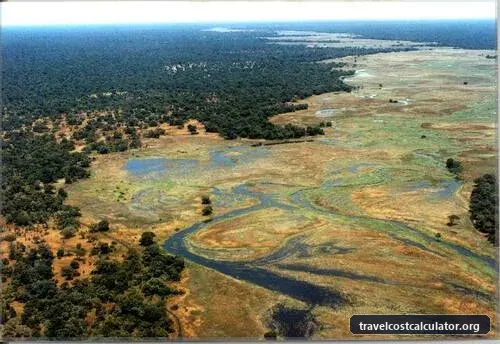
Inscribed as a UNESCO World Heritage Site in 1988, Manovo-Gounda St Floris National Park encompasses a vast, untouched wilderness of 1.74 million hectares in the northern reaches of the Central African Republic (CAR). Positioned along the transition zone between the dry Sahelian savanna and the lush Sudanian woodlands, this ecological powerhouse represents one of Central Africa's most vital biomes, fed by three major river systems: the Manovo, the Gounda, and the Koukourou.
Historically, the park was celebrated for its extraordinary biodiversity. It provided a sanctuary for iconic African megafauna, including massive herds of African savanna elephants, lions, leopards, cheetahs, wild dogs, red-fronted gazelles, and the largest concentrations of hippopotamuses in Central Africa. It was also one of the final natural strongholds for the critically endangered Western black rhinoceros.
However, the park's trajectory took a tragic turn. In 1997, UNESCO placed Manovo-Gounda St Floris on the List of World Heritage in Danger due to catastrophic illegal poaching—driven by heavily armed cross-border poachers—along with unauthorized livestock grazing and regional political instability. By the 2010s, severe poaching had decimated over 80% of the park's large mammal populations, leaving the black rhino functionally extinct in the region.
As of 2026, international conservation efforts—spearheaded by the Central African government alongside international NGOs and environmental coalitions—are working to re-establish perimeter security, fund anti-poaching eco-guards (ecogardes), and restore biodiversity monitoring. Visiting Manovo-Gounda St Floris is not a standard vacation; it is a true frontier expedition reserved for intrepid naturalists, extreme wildlife researchers, and serious adventure travelers looking to experience one of Africa’s most isolated wildernesses.
🎟️ Entrance Fees, Opening Hours & Ticket Booking Tips
Visiting Manovo-Gounda St Floris National Park requires meticulous advance planning through the Ministère des Eaux, Forêts, Chasse et Pêche in Bangui Travel Budget. The park does not operate standard electronic ticketing booths or tourist visitor centers on-site; permits must be physically processed and approved in advance in the capital.
Estimated 2026 Costs & Mandatory Permits
-
✦
Park Entry Permit: 50,000 XAF (approx. $83 USD) per person, per day.
-
✦
Compulsory Ranger & Armed Eco-Guard Escort Fee: 35,000 – 60,000 XAF (approx. $58 – $100 USD) per ranger team, per day (mandatory for all visitors due to safety and wildlife protection protocols).
-
✦
Vehicle Permit Fee: 20,000 XAF (approx. $33 USD) per expedition vehicle, per day.
-
✦
Commercial Photography/Filming Permit: 150,000 – 300,000 XAF (approx. $250 – $500 USD) flat fee (requires specialized approval from the Ministry of Tourism and Environment).
Opening Hours & Logistics
Official park operations run from 06:00 to 18:00 daily. All game drives, foot tracking, and river navigation must occur strictly during daylight hours under the direct supervision of your assigned eco-guards.
Essential Booking Tips
-
✦
Cash Only Economy: Credit cards, ATMs, and digital payments do not function in northern CAR. Bring all funds in physical cash, using crisp, undamaged Central African CFA Francs (XAF) or Euros/USD to exchange in Bangui prior to departure.
-
✦
Advance Authorization: Apply for park clearance and secure your official clearance letter at least 4 to 6 weeks before traveling through an authorized local expedition agency or directly via government environmental liaisons in Bangui.
🚌 How to Get There & Local Transit Costs
Reaching Manovo-Gounda St Floris is a major logistical undertaking. The primary international hub is Bangui M'Poko International Airport (BGF). From Bangui, travelers must venture over 650 kilometers northeast toward the regional hub of Ndélé, the gateway to the park.
Option 1: Private Bush Flight Charter (Recommended)
Due to severe road infrastructure decay and security considerations, chartering a small aircraft from Bangui directly to the Ndélé airstrip (or the bush airstrip near Gounda) is the safest and fastest route.
-
✦
Charter Cost (Roundtrip): $3,500 – $6,500 USD total for a 4-to-6-seater aircraft (e.g., Cessna Caravan). Costs are typically divided among expedition group members.
-
✦
Flight Duration: Approximately 2 to 2.5 hours from Bangui to Ndélé.
Option 2: Overland 4x4 Expedition
For extreme overland travelers, reaching the park by road requires a heavy-duty, twin-fuel-tank 4x4 vehicle equipped with satellite navigation, recovery gear, and security clearance. The route travels north from Bangui through Sibut and Kaga-Bandoro to Ndélé, continuing toward the park borders.
-
✦
4x4 Rental with Driver & Logistics: 150,000 – 240,000 XAF (approx. $250 – $400 USD) per day, excluding fuel.
-
✦
Fuel Costs: Expect to pay around 1,100 – 1,300 XAF ($1.80 – $2.15 USD) per liter. Carry auxiliary fuel bladders or jerrycans, as fuel stations are nonexistent near the park.
-
✦
Transit Time: 2 to 3 full days of rugged dirt-track driving each way from Bangui.
Local Transit in Ndélé
Within the town of Ndélé, basic local transport is available via motorcycle taxis (clando). A short trip within town costs between 1,000 and 2,000 XAF (approx. $1.60 – $3.30 USD).
📸 Best Photography Spots & Insider Visit Hacks
Photographing Manovo-Gounda St Floris requires preparation for harsh sunlight, thick dust, and rapid wildlife movements. The landscape alternates between vast floodplains, granite inselbergs, and dense gallery forests along river corridors.
Prime Photography Spots
-
✦
The Gounda River Floodplain: Ideal for capturing large pods of hippos, Nile crocodiles, and diverse waterbird populations (such as white pelicans and marabou storks) assembling around shrinking water basins.
-
✦
Massif des Bongo: High sandstone plateaus and rocky outcrops offering dramatic panoramic vistas over the expansive Sudanian savanna canopy at sunrise.
-
✦
Koukourou River Gallery Forest: Shaded, lush riverbanks where primates, roan antelopes, and elusive bushbucks can be photographed drinking during early morning hours.
Insider Hacks & Seasonal Timing
-
✦
Optimal Visit Window (Dry Season): Visit between December and April. During these dry months, vegetation thins out and animals concentrate around remaining waterholes, dramatically increasing wildlife visibility. The rainy season (May to November) makes roads impassable swamps and causes river overflows.
-
✦
Camera Protection: Fine Sahelian dust (harmattan) blows heavily during dry months. Protect your electronics using sealed camera rain/dust covers, dry bags, and sensor-cleaning kits.
-
✦
Telephoto & Power Gear: Bring telephoto lenses (400mm–600mm minimum) as wildlife remains skittish. Solar charging panels and high-capacity power banks are essential, as there is zero grid electricity in the region.
-
✦
Travel & Safety Warnings: Always consult up-to-date diplomatic travel advisories before planning. Travel with a dedicated security detail, satellite phone (Iridium network), and comprehensive medical evacuation insurance.
🏨 Nearby Accommodation & Daily Budget Allocation
Tourism infrastructure around Manovo-Gounda St Floris is minimalist and non-existent inside the park boundaries. Visitors must rely on self-sufficient mobile camping setups, basic researcher outposts, or modest guesthouses in Ndélé.
Accommodation Options
-
✦
Expedition Mobile Tented Camps (Inside/Near Park): Set up by professional safari outfitters or research teams. Facilities consist of rugged safari tents, field cots, bucket showers, and campfire dining. (Included as part of organized expedition packages).
-
✦
Basic Ndélé Guesthouses (Ndélé Town): Simple, low-budget accommodations offering basic rooms with fan or intermittent generator power. Rooms range from 15,000 to 35,000 XAF (approx. $25 – $58 USD) per night.
Daily Budget Allocation (2026 Estimates)
To assist in financial planning, here is a realistic breakdown of daily expenses based on three travel styles:
-
✦
Budget Overland / Self-Supported Expedition: $150 – $250 USD per day
- Accommodation: Basic tenting / simple Ndélé guesthouse ($25 – $50)
-
✦
Meals & Water: Self-catered expedition rations ($20 – $35)
-
✦
Permits & Escorts: Shared park daily permits & ranger fees ($85 – $145)
- Accommodation: Guided mobile tented camp ($100 – $200)
- Includes private bush flight charters from Bangui, full-service luxury mobile camp accommodations, private eco-guard details, professional naturalist guides, and all permit clearances.
Frequently Asked Questions
Essential visitor FAQs for Manovo-Gounda St Floris National Park
What is the entrance fee for Manovo-Gounda St Floris National Park?
How much time do you need to explore Manovo-Gounda St Floris National Park?
How do I get to Manovo-Gounda St Floris National Park from the nearest city?
📊 Heritage Quick Specs
Visiting Central African Republic on a Budget?
Calculate your full daily travel budget for Central African Republic — including hotel costs, local transport, food, and sightseeing expenses.
View Central African Republic Daily Travel Costs →Explore more UNESCO World Heritage Sites
🏛️ All 1,200+ Heritage Sites →