
 India
Manas Wildlife Sanctuary
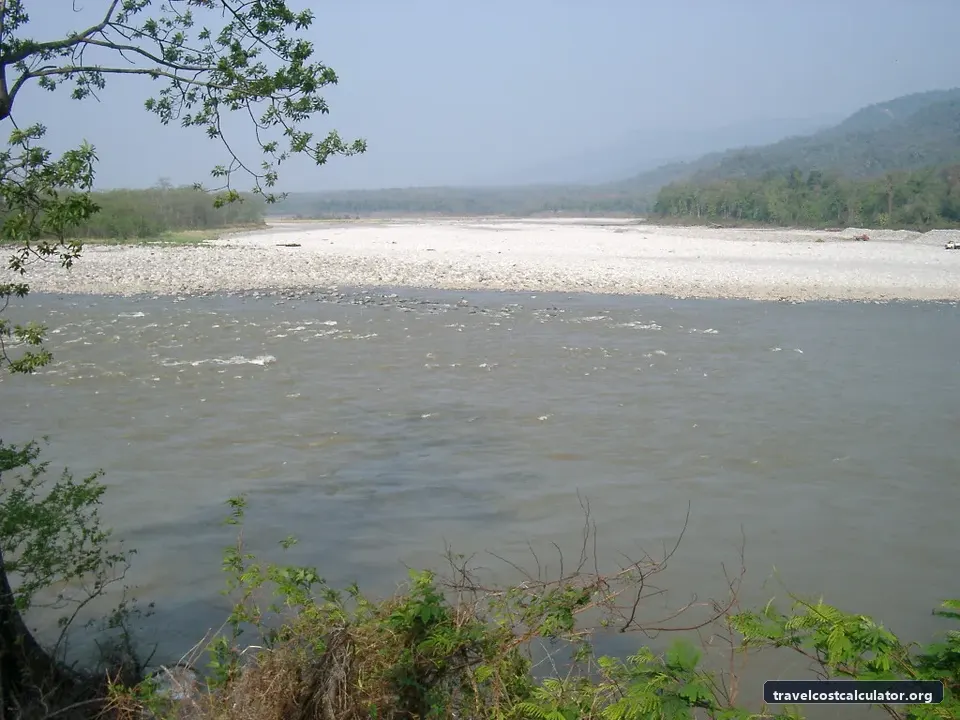
On a gentle slope in the foothills of the Himalayas, where wooded hills give way to alluvial grasslands and tropical forests, the Manas sanctuary is home to a great variety of wildlife, including many endangere...
Manas Wildlife Sanctuary
🏛️ Overview & Historical Significance
Sprawling across the Himalayan foothills in western Assam, India, Manas Wildlife Sanctuary is a world-class biosphere reserve, Project Tiger location, and Elephant Reserve. Bordering the contiguous Royal Manas National Park in Bhutan, this landscape forms one of North-East India's most ecologically critical wildlife corridors. Manas was officially recognized as a UNESCO World Heritage Site in 1985 due to its extraordinary biodiversity, dramatic alluvial grasslands, tropical moist deciduous forests, and vital role in preserving critically endangered species.
The sanctuary owes its UNESCO status to its location at the junction of the Indo-Malayan and Palearctic biogeographical realms. This creates a bio-rich sanctuary home to species found nowhere else on Earth. Manas protects the world’s largest population of the critically endangered Pygmy Hog (Porcula salvania), alongside rare endemics like the Golden Langur, Hispid Hare, Assam Roofed Turtle, and the Bengal Florican. It is also one of the few remaining strongholds for pure-bred Wild Water Buffalo, the Greater One-horned Rhinoceros, Asian Elephants, and Royal Bengal Tigers.
The park's history is a story of resilience. In 1992, severe civil unrest and ethnic insurgency led UNESCO to place Manas on the World Heritage in Danger list due to poaching and infrastructure damage. However, through grassroots conservation initiatives spearheaded by local Bodo communities, eco-tourism cooperatives (such as the Manas Mao Zigri Ecotourism Society), and the Indian Forest Department, the park underwent a remarkable recovery. Rhinos were reintroduced through the Indian Rhino Vision 2020 initiative, wildlife populations stabilized, and in 2011, UNESCO officially removed Manas from the Danger list—turning it into a global model for community-led wildlife restoration.
🎟️ Entrance Fees, Opening Hours & Ticket Booking Tips (2026 Estimates)
Visiting Manas Wildlife Sanctuary requires paying baseline forest entry fees, vehicle permits, camera operational charges, and mandatory local guide service fees. Prices for the 2026 safari season are detailed below in Indian Rupees (₹) and US Dollar ($) equivalents.
Forest Department Entry & Camera Fees
-
✦
Foreign Tourists: ₹500 ($6.00 USD) per person, per shift.
-
✦
Domestic (Indian) Tourists: ₹100 ($1.20 USD) per person, per shift.
-
✦
Still Camera Fee: ₹100 ($1.20 USD) for Indians / ₹500 ($6.00 USD) for Foreigners.
-
✦
Video / Professional Cinema Camera: ₹1,000 ($12.00 USD) for Indians / ₹3,000 ($36.00 USD) for Foreigners.
-
✦
Mandatory Forest Guide Fee: ₹500 – ₹700 ($6.00 – $8.50 USD) per jeep per safari shift.
Safari & Activity Costs (Per Vehicle / Trip)
-
✦
Jeep Safari Vehicle Hire (Bansbari or Bhuyanpara Range): ₹3,500 – ₹4,500 ($42 – $54 USD) per jeep (seats up to 6 passengers).
-
✦
Manas River Boat Rafting (Mathanguri to Bansbari - 3 to 4 Hours): ₹3,500 – ₹5,000 ($42 – $60 USD) per boat (up to 4–6 participants).
-
✦
Elephant Safari (Subject to Forest Dept allocation at Bansbari): ₹1,500 ($18 USD) per Indian national / ₹3,000 ($36 USD) per foreign national.
Opening Hours & Shift Schedule
Manas Wildlife Sanctuary operates two daily safari shifts during the open season:
-
✦
Morning Shift: 06:00 AM – 09:30 AM (Gates open at 05:30 AM for registration).
-
✦
Afternoon Shift: 01:30 PM – 04:30 PM (Varies slightly based on sunset time).
-
✦
Seasonal Closure: The sanctuary is strictly closed to tourists during the heavy monsoon season from June 1st through October 31st each year. It reopens annually in early November.
Insider Booking Tips
-
✦
Pre-Booking Jeeps: Unlike Kaziranga, online central booking can be intermittent. It is highly recommended to arrange jeep permits 7–14 days in advance through your chosen eco-lodge or accredited local societies like the Manas Mao Zigri Ecotourism Society.
-
✦
Identity Requirements: Foreign travelers must carry their original passport and valid Indian visa (or e-Visa printout). Indian citizens must present an Aadhaar card or Voter ID at the Range Forest Office in Bansbari.
-
✦
Cash is Essential: Credit cards are rarely accepted at forest entry gates or by local safari drivers. Bring adequate cash in Indian Rupees (₹) from major cities before arriving in the region.
🚌 How to Get There & Local Transit Costs
Manas Wildlife Sanctuary is located in the Baksa and Chirang districts of Assam. The primary tourist gateway into the park is the Bansbari Range (Central Range), situated roughly 135 to 150 km northwest of Assam's commercial capital, Guwahati.
Step-by-Step Transit Options
Option 1: Direct Private Taxi from Guwahati (Fastest & Most Convenient)
Taking a private car directly from Lokpriya Gopinath Bordoloi International Airport (GAU) or Guwahati Railway Station to Bansbari takes approximately 3.5 to 4 hours along National Highway 27 (NH27).
-
✦
Cost (Sedan/SUV): ₹3,500 – ₹5,500 ($42 – $66 USD) one-way.
Option 2: Train + Local Taxi via Barpeta Road (Best Value)
The nearest railway station to Manas National Park is Barpeta Road Railway Station (BPRD), located just 22 km (approx. 40 minutes) from the Bansbari entry gate.
-
✦
Train from Guwahati to Barpeta Road: Multiple express trains (e.g., Brahmaputra Mail, Kamrup Express) run daily. Travel time is 1.5 to 2.5 hours.
- Sleeper / General Class: ₹100 – ₹180 ($1.20 – $2.15 USD).
-
✦
3AC / 2AC Class: ₹350 – ₹750 ($4.20 – $9.00 USD).
- Auto-Rickshaw (Shared/Private): ₹500 – ₹800 ($6.00 – $9.50 USD).
Option 3: Public ASTC Bus (Budget Choice)
Government ASTC buses and private minibuses run frequently from Guwahati (Adabari or Paltan Bazar bus stands) to Barpeta Road town.
-
✦
Bus Fare: ₹150 – ₹250 ($1.80 – $3.00 USD) per seat.
-
✦
From Barpeta Road bus station, take a shared local Sumo (utility vehicle) or auto-rickshaw to Bansbari for roughly ₹100 – ₹150 ($1.20 – $1.80 USD).
📸 Best Photography Spots & Insider Visit Hacks
Prime Wildlife Photography Locations
-
✦
Mathanguri Riverbank (Bhutan Border): Located at the northern edge of the Central Range where the Manas River breaks into the plains against the backdrop of Bhutan’s Royal Manas mountains. Exceptional for landscape shots, wild elephants drinking at dusk, and waterbirds.
-
✦
Bhuyanpara Range (Eastern Zone): Less visited by general tourists, Bhuyanpara features open alluvial grassland patches that offer optimal sightings and clear lines of sight for Greater One-horned Rhinos, Wild Water Buffalo, and Bengal Floricans.
-
✦
Bansbari Safari Track: The main safari route winding through dense semi-evergreen canopy and open savannah patches. Golden Langurs are frequently spotted hanging in the canopy near the entrance and mid-way check posts.
Insider Hacks for Photographers & Travelers
-
✦
Book the Manas River Drift Rafting: Take the 12 km boat excursion starting near Mathanguri and drifting downstream to Bansbari. It offers an unobstructed platform for photographing bird species (Kingfishers, Ibisbills, Mergansers) and wildlife along the shoreline without engine noise.
-
✦
Optimal Gear Selection: Bring a telephoto lens ranging from 300mm to 600mm for wildlife and birding. A 24-70mm lens is recommended for landscape compositions along the Manas River near Bhutan.
-
✦
Beat the Heat & Dust: During February to April, grasslands can be dry and dusty. Pack a high-quality dust cover for your camera equipment, clear lens filters, and a lightweight neck gaiter or mask.
-
✦
Best Time of Day: Schedule your jeep safaris for the early morning 06:00 AM shift. Low mist rising off the river beds combined with golden hour light delivers ideal photography conditions.
🏨 Nearby Accommodation & Daily Budget Allocation
Accommodations around Manas range from eco-friendly community homestays near the forest gates to mid-range jungle resorts. Most stays are concentrated near the Bansbari Main Entry Gate.
Accommodation Options (2026 Rates)
-
✦
Budget / Eco-Camps: Mao Zigri Eco Camp, Manas Jungle Camp, or local Bodo community homestays. Simple bamboo cottages or tents with basic private bathrooms and local hospitality.
Price: ₹1,200 – ₹2,500 ($14 – $30 USD) per night including breakfast. -
✦
Mid-Range / Comfort Resorts: Musa Jungle Retreat, Florican Cottage, or Manas Eco Resort. Comfortable air-conditioned rooms, manicured gardens, on-site dining, and vehicle booking assistance.
Price: ₹4,500 – ₹9,500 ($54 – $115 USD) per night. -
✦
Government Forest Rest House: Mathanguri Forest Lodge (Inside the park core, overlooking the river). Extremely basic amenities with limited electricity, but offers an unbeatable setting directly inside the reserve.
Price: ₹1,500 – ₹3,000 ($18 – $36 USD) per night (Requires direct booking clearance through the Field Director’s office in Barpeta Road).
Food & Dining Costs
Dining near Manas focuses on traditional Assamese and indigenous Bodo cuisine, utilizing fresh river fish, organic vegetables, bamboo shoots, and local chicken or duck dishes.
-
✦
Local Bodo / Assamese Thali: ₹150 – ₹350 ($1.80 – $4.20 USD) per meal at local eateries near Bansbari gate.
-
✦
Resort Dining: ₹400 – ₹800 ($4.80 – $9.50 USD) per meal for multi-course Indian and Continental buffets.
Estimated Daily Budget Allocation (2026)
Budget Traveler / Backpacker
-
✦
Accommodation (Homestay/Camp): ₹1,800 ($21.50 USD)
-
✦
Food & Water: ₹600 ($7.20 USD)
-
✦
Shared Transport & Entry/Safari (1 Shift): ₹2,000 ($24.00 USD)
-
✦
Total Daily Budget: ₹4,400 (~$52.70 USD)
Mid-Range Traveler
-
✦
Accommodation (Comfort Resort): ₹6,000 ($72.00 USD)
-
✦
Food & Dining: ₹1,400 ($16.80 USD)
-
✦
Private Jeep Safari & Entry Fees: ₹4,500 ($54.00 USD)
-
✦
Local Private Transit: ₹1,500 ($18.00 USD)
-
✦
Total Daily Budget: ₹13,400 (~$160.80 USD)
Frequently Asked Questions
Essential visitor FAQs for Manas Wildlife Sanctuary
What is the entrance fee for Manas Wildlife Sanctuary?
How much time do you need to explore Manas Wildlife Sanctuary?
How do I get to Manas Wildlife Sanctuary from the nearest city?
📊 Heritage Quick Specs
Visiting India on a Budget?
Calculate your full daily travel budget for India — including hotel costs, local transport, food, and sightseeing expenses.
View India Daily Travel Costs →Explore more UNESCO World Heritage Sites
🏛️ All 1,200+ Heritage Sites →