
 Nepal
Lumbini, the Birthplace of the Lord Buddha
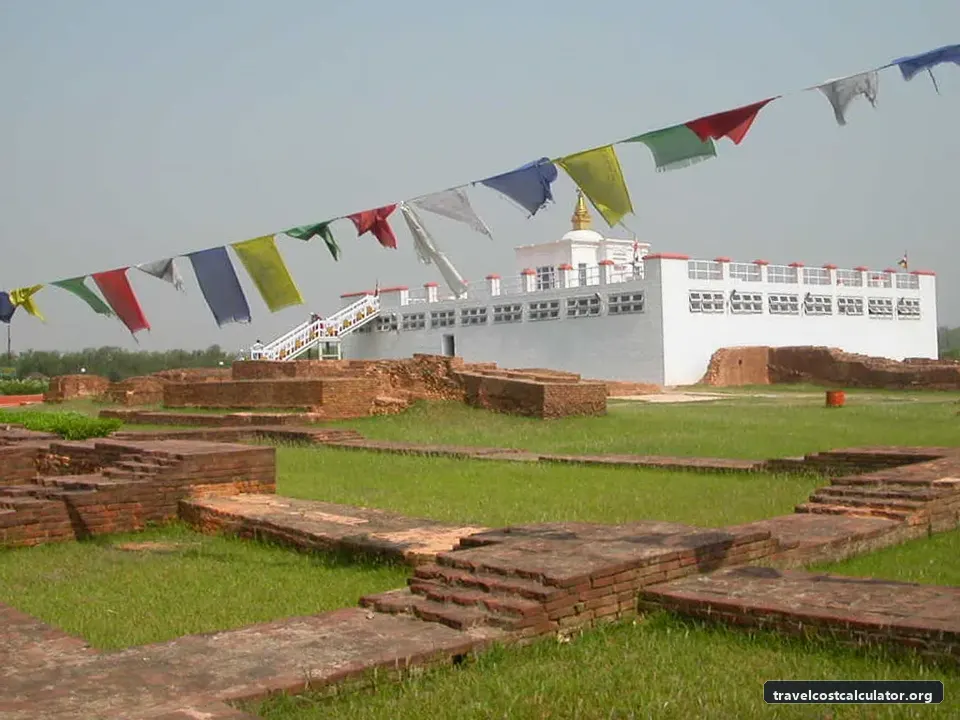
Siddhartha Gautama, the Lord Buddha, was born in 623 B.C. in the famous gardens of Lumbini, which soon became a place of pilgrimage. Among the pilgrims was the Indian emperor Ashoka, who erected one of his comm...
Lumbini, the Birthplace of the Lord Buddha
🏛️ Overview & Historical Significance
Situated in the Terai plains of southern Nepal, Lumbini, the Birthplace of the Lord Buddha, stands as one of the world's most revered spiritual and historical sanctuaries. In 623 BCE, Queen Maya Devi gave birth to Prince Siddhartha Gautama beneath a Sal Travel Budget tree in these sacred gardens. Siddhartha would later attain enlightenment to become the Buddha, establishing a spiritual tradition that has shaped Asian civilization, philosophy, and art for over two and a half millennia.
In 1997, UNESCO designated Lumbini a World Heritage Site under cultural criteria (iii) and (vi). UNESCO recognized that the complex contains unique, intact physical evidence of the birthplace of the Buddha, including the foundational remains of ancient monasteries dating from the 3rd century BCE to the 15th century CE. Among its most critical archaeological treasures are:
-
✦
The Marker Stone: Discovered deep beneath the Maya Devi Temple during archaeological excavations, this conglomerate stone precisely pinpoints the exact spot of the Buddha's birth.
-
✦
The Ashoka Pillar: Erected in 249 BCE by the Indian Emperor Ashoka during his pilgrimage to Lumbini, this sandstone column features a preserved Brahmi inscription verifying Lumbini as the birthplace of the Sakyamuni Buddha and reducing the village's tax burden as a royal decree.
-
✦
Puskarini (Sacred Pond): The ancient pool where Queen Maya Devi took a ritual bath prior to giving birth, and where the infant Buddha was given his first purification bath.
In 1978, legendary Japanese architect Kenzo Tange designed the master plan for the 3-square-mile Lumbini Development Zone. The plan reflects Buddhist symbolism through a central axis that moves from south to north—symbolizing the journey from worldliness to enlightenment. The master plan is Split Travel Budget into three main sections: the Sacred Garden at the south, the Monastic Zone in the middle (divided into Eastern Theravada and Western Mahayana/Vajrayana monastic complexes), and the Cultural Center and New Lumbini Village in the north.
🎟️ Entrance Fees, Opening Hours & Ticket Booking Tips
As of 2026, entry fees to the central Sacred Garden and Maya Devi Temple are standardized by the Lumbini Development Trust (LDT). While walking through the public paths of the outer Monastic Zone is free, entering the inner core of the Sacred Garden requires a paid ticket. Tickets can be purchased directly at the main entry gates (Gate 5 near Sacred Garden or Gate 1 near New Lumbini Village).
2026 Ticket Pricing Breakdown
-
✦
Foreign Nationals (Non-SAARC): NPR 700 (~$5.15 USD)
-
✦
SAARC Country Citizens (India, Sri Lanka, Bhutan, etc.): NPR 500 (~$3.70 USD)
-
✦
Nepali Citizens: NPR 50 (~$0.37 USD)
-
✦
Lumbini Museum Entry: NPR 200 (~$1.50 USD) for foreigners; NPR 100 (~$0.75 USD) for SAARC; NPR 20 (~$0.15 USD) for Nepalis.
-
✦
Still Camera / Professional Video Permit: Standard smartphone and basic camera usage is included with ticket entry. Professional video equipment or commercial film crews require an LDT media permit starting at NPR 10,000 (~$74 USD).
Opening Hours & Visiting Logistics
-
✦
Sacred Garden & Maya Devi Temple: 6:00 AM – 6:00 PM daily (opens at 5:30 AM during peak spring and autumn months).
-
✦
Monastic Zone (Monasteries): 8:00 AM – 12:00 PM and 1:00 PM – 5:00 PM. (Note: Most monasteries close their main doors to visitors during lunch hour).
-
✦
Lumbini Museum: 9:00 AM – 5:00 PM (Closed on Tuesdays and official Nepali public holidays).
Insider Ticket Booking Tips: Ticket counters accept cash in Nepalese Rupees (NPR). Credit card terminals at the counter can be unreliable due to network coverage in the Terai region, so keep exact cash ready. You must remove your shoes before stepping onto the brick walkways surrounding the Maya Devi Temple; carry a light shoe bag or leave your footwear at the designated shoe counter near the entrance (a small tip of NPR 20-50 is standard).
🚌 How to Get There & Local Transit Costs
Lumbini is situated in the Rupandehi District of Province No. 5 in southwest Nepal. The primary transport gateway is Bhairahawa (Siddharthanagar), which houses the Gautam Buddha International Airport (BWA), located 22 kilometers (13.6 miles) east of Lumbini.
Step 1: Arriving in the Region
By Air from Kathmandu Travel Budget: Daily 35-minute domestic flights operate between Kathmandu's Tribhuvan International Airport (KTM) and Gautam Buddha International Airport (BWA). Flight prices in 2026 average $110 – $160 USD one-way for foreign travelers, while Nepali and SAARC citizens pay roughly NPR 4,500 – 6,500 ($33 – $48 USD).
By Tourist Bus from Kathmandu or Pokhara:
-
✦
From Kathmandu: Deluxe/VIP tourist buses depart daily from Gongabu Bus Park or Kalanki (approx. 8 to 10 hours travel time). One-way fare: NPR 1,400 – 2,200 ($10 – $16 USD).
-
✦
From Pokhara: Morning tourist buses run from Tourist Bus Park (approx. 6 to 8 hours travel time). One-way fare: NPR 1,200 – 1,800 ($9 – $13 USD).
Step 2: Airport / City Bus Station to Lumbini Complex
-
✦
Prepaid / Private Taxi from BWA Airport to Lumbini: Takes 30–40 minutes. Fixed standard fare is NPR 1,500 – 2,000 ($11 – $15 USD).
-
✦
Local Bus / Minivan from Bhairahawa Bus Stand: Runs every 15–20 minutes to Lumbini Village. Costs NPR 80 – 120 ($0.60 – $0.90 USD) per person.
Step 3: Getting Around the Lumbini Master Plan
The total Master Plan site stretches over 3 kilometers in length and requires transport to explore efficiently in a single day:
-
✦
Bicycle Rental: Available near Gate 5 or hotel receptions. Costs NPR 300 – 500 ($2.20 – $3.70 USD) per day. Best option for independent travelers.
-
✦
Full-Day Electric Rickshaw (E-Rickshaw): Driver included. Costs NPR 1,800 – 2,500 ($13 – $18 USD) for a 5-to-6 hour comprehensive tour of all major national monasteries and the Sacred Garden.
-
✦
Central Canal Electric Boat: Runs along the 1.4-kilometer central canal connecting the Sacred Garden to the World Peace Pagoda. One-way boat trip costs NPR 150 ($1.10 USD).
📸 Best Photography Spots & Insider Visit Hacks
Capturing the serene spirituality of Lumbini requires understanding both local lighting conditions and sacred protocols. The landscape varies from high-contrast open garden spaces to shaded internal temple courtyards.
Top Photography Locations
-
✦
Puskarini Pond Reflections: Position yourself at the south side of the sacred pool shortly after sunrise. You can capture the Maya Devi Temple reflected in the tranquil water alongside ancient brick ruins, bathed in warm golden light.
-
✦
World Peace Pagoda (Shanti Stupa): Located at the northern tip of the Master Plan. Capture the brilliant white dome framed against the sky during late afternoon (4:30 PM – 5:30 PM), when golden hour illuminates the structure.
-
✦
The Royal Thai Monastery & Great Lotus Stupa (German Monastery): Outstanding examples of diverse architectural photography. The Thai complex features polished white marble and ornate gold roofs, while the German monastery displays intricate Buddhist murals within its outer courtyard.
-
✦
Eternal Peace Flame: Located at the southern end of the central canal. Frame the flame with the long canal stretching north toward the World Peace Pagoda in the background.
Insider Visit Hacks for 2026
-
✦
Seasonal Timing: The best period to visit Lumbini is from October to March. Temperatures are pleasant (15°C to 25°C / 59°F to 77°F). Avoid June through August, when monsoon rains cause high humidity and temperatures reaching 40°C (104°F). Be aware that late December and January often feature heavy morning thick fog (" शीतलहर "), which clears by mid-day.
-
✦
Crowd Avoidance Strategy: Head to the Maya Devi Temple at 6:00 AM right when gates open. Tour groups arriving from Bhairahawa or India usually reach the site between 10:00 AM and 2:00 PM. Reserve your mid-day hours for the shade of the Western Monastic Zone.
-
✦
Temple Dress Code & Etiquette: Lumbini is an active place of worship. Shoulders and knees must be covered for all genders. Leather items (belts, bags) are discouraged inside the immediate Maya Devi sanctuary. Photography is strictly prohibited inside the Maya Devi Temple building where the marker stone rests.
-
✦
Insect Protection: The surrounding wetlands host mosquitoes during twilight hours. Pack insect repellent, especially if attending evening chanting sessions near the Sacred Garden.
🏨 Nearby Accommodation & Daily Budget Allocation
Accommodations around Lumbini are clustered into three main zones: Lumbini Bazaar (closest to Gate 5), Parsa Chowk / Cultural Center Road, and luxury retreats set slightly further out near the airport in Bhairahawa.
Accommodation Tiers (2026 Rates)
-
✦
Budget (Hostels & Simple Guesthouses): $10 – $22 USD (NPR 1,350 – 3,000) per night. Options in Lumbini Bazaar offer basic private rooms with fan/AC, free Wi-Fi, and hot showers. Clean, simple, and within walking distance of the gates.
-
✦
Mid-Range Hotels & Eco-Resorts: $45 – $85 USD (NPR 6,000 – 11,500) per night. Comfortable air-conditioned properties offering on-site dining, lush garden lawns, and bicycle rental services.
-
✦
Luxury Resorts & Heritage Stays: $120 – $250 USD (NPR 16,000 – 33,500) per night. Top-tier resorts offering swimming pools, fine dining, spa services, and curated guided tours of the Buddhist circuit.
Food & Dining Costs
Dining in Lumbini revolves around traditional Nepali, Indian, and vegetarian Buddhist cuisine.
-
✦
Nepali Dal Bhat (Lentil soup, rice, curries): NPR 250 – 450 ($1.85 – $3.30 USD) at local eateries. Includes free refills.
-
✦
Vegetable Momos (Steamed dumplings): NPR 150 – 250 ($1.10 – $1.85 USD).
-
✦
Mid-Range Restaurant Meal: NPR 600 – 1,200 ($4.40 – $8.80 USD) for international or North Indian main dishes with drinks.
Daily Budget Allocations (Per Person, 2026 Estimates)
| Budget Tier | Daily Budget (USD) | Daily Budget (NPR) | Includes |
|---|---|---|---|
| Backpacker | $25 - $35 USD | NPR 3,400 - 4,700 | Guesthouse room, local bus transport, bicycle hire, Dal Bhat meals, standard entrance ticket. |
| Mid-Range | $70 - $120 USD | NPR 9,500 - 16,200 | 3-star hotel with AC, dedicated E-Rickshaw hire, museum tickets, restaurant dining, taxi to airport. |
| Luxury | $200 - $380 USD | NPR 27,000 - 51,000 | 4/5-star luxury resort, private car and driver, domestic return flights, fine dining, private historian guide. |
Frequently Asked Questions
Essential visitor FAQs for Lumbini, the Birthplace of the Lord Buddha
What is the entrance fee for Lumbini, the Birthplace of the Lord Buddha?
How much time do you need to explore Lumbini, the Birthplace of the Lord Buddha?
How do I get to Lumbini, the Birthplace of the Lord Buddha from the nearest city?
📊 Heritage Quick Specs
Visiting Nepal on a Budget?
Calculate your full daily travel budget for Nepal — including hotel costs, local transport, food, and sightseeing expenses.
View Nepal Daily Travel Costs →Explore more UNESCO World Heritage Sites
🏛️ All 1,200+ Heritage Sites →