
 Papua New Guinea
Kuk Early Agricultural Site
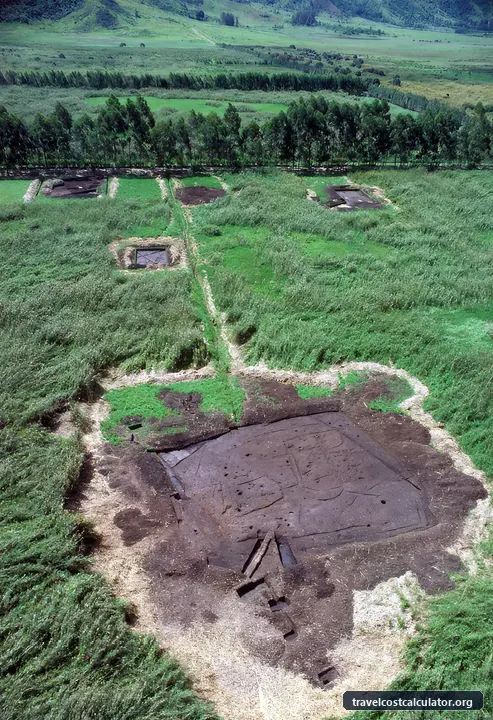
Kuk Early Agricultural Site consists of 116 ha of swamps in the western highlands of New Guinea 1,500 metres above sea-level.
Kuk Early Agricultural Site
🏛️ Overview & Historical Significance
Nestled in the lush, high-altitude Wahgi Valley of the Western Highlands Province of Papua New Guinea, the Kuk Early Agricultural Site stands as one of the most profound archaeological landscapes on Earth. Inscribed as a UNESCO World Heritage Site in 2008, Kuk represents one of the extremely rare locations on the planet where humans independently developed agriculture. While the Fertile Crescent, Mesoamerica, and ancient China are widely recognized for early farming, Kuk Swamp provides indisputable scientific proof that indigenous Papuans were pioneering sophisticated land-management and wetland reclamation systems up to 10,000 years ago.
Spanning roughly 116 hectares of highland wetland, the site preserves continuous archaeological traces of human ingenuity spanning ten millennia. Excavations conducted by Australian archaeologist Sir Jack Golson starting in the 1970s revealed a complex sequence of agricultural development:
-
✦
10,000 BP (Before Present): Early evidence of basin clearing, pit digging, and plant exploitation, contemporary with early agricultural developments in the Near East.
-
✦
7,000–6,400 BP: Definitive proof of mound cultivation on wetland margins, used specifically for cultivating taro (Colocasia esculenta) and indigenous bananas (Musa acuminata).
-
✦
4,000–2,000 BP: Advanced drainage ditch networks designed to channel excess water away from crops, demonstrating an evolving understanding of hydrology and soil conservation.
What makes Kuk particularly unique for modern visitors in 2026 is that it is not a dead, static monument under glass. It remains a living cultural landscape. The land is traditionally owned and managed by the Kawelka clan, who continue to utilize traditional agricultural techniques alongside modern subsistence farming. Visiting Kuk offers a rare dual experience: walking across land that reshaped human history while engaging directly with the indigenous guardians who have stewarded the valley for generations.
🎟️ Entrance Fees, Opening Hours & Ticket Booking Tips
Unlike conventional World Heritage sites equipped with turnstiles, visitor centers, and online ticketing portals, visiting the Kuk Early Agricultural Site requires navigating traditional customary landownership systems. There is no official government ticket counter; access is negotiated through local community permissions and authorized cultural guides in Mount Hagen.
Estimated 2026 Visit Costs
-
✦
Community Landowner & Access Fee: 50 PGK – 100 PGK (~$13.00 – $26.00 USD) per person. Paid directly to the local Kawelka clan elders/caretakers.
-
✦
Mandatory Local Escort / Village Guide: 100 PGK – 200 PGK (~$26.00 – $52.00 USD) flat fee per group. Highly recommended to ensure respectful site navigation and personal security.
-
✦
All-Inclusive Guided Day Tour from Mount Hagen: 350 PGK – 650 PGK (~$90.00 – $170.00 USD) per person. Includes 4x4 vehicle transport, driver, local guide, landowner access fees, and cultural briefing.
Opening Hours & Access Etiquette
There are no fixed operating hours, but visits are strictly permitted only between 6:30 AM and 5:00 PM for safety and visibility reasons. Do not attempt to visit Kuk unannounced or without a local guide. Wandering onto customary land without prior permission from community elders can lead to land disputes or security concerns.
Booking Tips for 2026 Travelers
-
✦
Arrange Access in Mount Hagen: Work through your hotel (such as the Highlander Hotel or Rondon Ridge) or an established PNG tour operator to arrange transport and contact the Kawelka elders at least 24–48 hours in advance.
-
✦
Carry Exact Cash in PNG Kina (PGK): Credit cards, online tickets, and foreign currencies are not accepted at the site. Carry small denominations (10, 20, and 50 Kina notes).
-
✦
Respect Customary Protocol ("Kastom"): Always seek permission from your guide before crossing field boundaries or entering active farming plots.
🚌 How to Get There & Local Transit Costs
The main transit hub for visiting Kuk is Mount Hagen, the third-largest city in Papua New Guinea and the capital of the Western Highlands Province. Kuk is located approximately 12 kilometers (7.5 miles) northeast of Mount Hagen town center, near Kagamuga.
Step 1: Arrival in Mount Hagen
Most travelers arrive via domestic flight from Port Moresby Travel Budget (Jacksons International Airport - POM) to Mount Hagen (Kagamuga Airport - HGU). Domestic carriers Air Niugini and PNG Air operate daily flights. Round-trip airfares in 2026 average between $220 USD and $400 USD depending on seasonal demand.
Step 2: Transit from Mount Hagen to Kuk Site
From Mount Hagen town or Kagamuga Airport, you have two primary choices for overland transit:
-
✦
Private 4x4 Vehicle / Tour Driver (Recommended): Hiring a private 4x4 with an experienced driver through a local agency or hotel costs approximately 200 PGK – 350 PGK (~$52 – $90 USD) round-trip. Given terrain variations and highland security dynamics, this is the safest and most efficient mode of transport.
-
✦
Public Motor Vehicle (PMV Minibus): PMVs operating toward Banz or Kurumul depart from the main Mount Hagen bus rank and can drop passengers at the Kuk turnoff for around 5 PGK – 10 PGK (~$1.30 – $2.60 USD) one-way. Note: PMVs require high situational awareness, local language familiarity (Tok Pisin), and are not recommended for solo international travelers carrying expensive camera gear.
The drive from central Mount Hagen to the site takes roughly 25 to 40 minutes along a mix of paved roads and unpaved, rutted dirt tracks through local villages.
📸 Best Photography Spots & Insider Visit Hacks
Prime Photography Spots
-
✦
The Archaeological Basin Viewpoint: A gentle hill overlook situated along the edge of the site provides a sweeping panorama of the flat Wahgi Valley floor, framed by the dramatic peaks of the Mount Hagen range in the background.
-
✦
Ancient Drainage Canal Cross-Sections: Photograph the visible cut-aways of historical ditches where distinct soil strata show thousands of years of peat accumulation and ancient agricultural trenching.
-
✦
Active Taro & Sweet Potato Gardens: Capture vibrant images of contemporary highlanders cultivating kaukau (sweet potato) and taro using mound systems identical to those developed by their ancestors thousands of years ago.
Lighting, Timing & Weather Hacks
The Western Highlands experience unpredictable tropical weather. In 2026, climate patterns still dictate that early morning visits (7:00 AM – 10:30 AM) offer the clearest skies, optimal soft lighting, and minimal risk of rain. Mid-to-late afternoons regularly bring dense cloud cover and heavy mountain downpours, turning dirt paths into slick mud.
Essential Insider Tips
-
✦
Footwear is Critical: The site is a wetland swamp basin. Wear sturdy, waterproof hiking boots with deep tread. Rubber boots (gumboots) are often recommended if visiting right after rain.
-
✦
Portrait Etiquette: Always ask "Inap mi kisim poto bilong yu?" (Tok Pisin for "May I take your picture?") before photographing local residents or children.
-
✦
Drone Usage: Drones are subject to strictly enforced regulations by the Civil Aviation Safety Authority of Papua New Guinea (CASA PNG). In addition, low-flying drones can cause alarm in traditional rural communities. Always obtain prior permission from community elders before flying.
-
✦
Hire a Local "Wantok" Guide: Having a respected local community member walk alongside you builds instant trust, unlocks access to restricted agricultural plots, and enriches your trip with local oral histories.
🏨 Nearby Accommodation & Daily Budget Allocation
Visitors to Kuk generally stay in or around Mount Hagen, which offers accommodation options ranging from secure mid-range city hotels to premier eco-lodges perched high above the valley floor.
Recommended Accommodations (2026 Estimates)
-
✦
Budget / Mid-Range: Highlander Hotel & Apartments (Town Center)
A secure, well-established hotel featuring gated access, comfortable standard rooms, clean amenities, and an on-site restaurant. Excellent base for arranging day excursions.
Rates: 380 PGK – 650 PGK (~$98 – $170 USD) per night. -
✦
Mid-Range: McRoyal Hotel (Mount Hagen Outskirts)
A reliable hotel offering quiet accommodations, decent dining options, and shuttle services to Kagamuga Airport.
Rates: 300 PGK – 500 PGK (~$78 – $130 USD) per night. -
✦
Luxury / High-End Eco-Lodge: Rondon Ridge (TransNiugini Tours)
Perched at 7,100 feet on the slopes of Mount Kinkeron, Rondon Ridge offers panoramic views of the Wahgi Valley, top-tier security, expert cultural guides, and luxury eco-cabins.
Rates: 1,500 PGK – 2,400 PGK (~$390 – $620 USD) per night (all-inclusive tour packages available).
Daily Food & Dining Budget
Dining options outside hotel premises are limited. Most travelers consume meals at hotel restaurants or purchase fresh fruit (bananas, pineapples, passion fruit) and roasted sweet potatoes at local markets.
-
✦
Hotel Lunch / Dinner: 60 PGK – 120 PGK (~$15 – $31 USD) per main dish.
-
✦
Market Snack / Local Produce: 5 PGK – 15 PGK (~$1.30 – $3.90 USD).
-
✦
Bottled Water & Supplies: 5 PGK – 10 PGK (~$1.30 – $2.60 USD) per bottle (stick strictly to sealed bottled water).
Suggested Daily Budget Breakdown (per person in 2026)
-
✦
Backpacker / Low Budget: ~$80 – $130 USD per day (Staying in basic guest houses, using PMVs with local companions, paying entry/guide fees).
-
✦
Mid-Range Traveler: ~$220 – $350 USD per day (Staying at Highlander Hotel, hiring private 4x4 transport, taking guided day trips).
-
✦
Luxury / Experiential Traveler: ~$550 – $850+ USD per day (Staying at Rondon Ridge with private charter flights, high-end 4x4 vehicles, and dedicated cultural fixers).
Frequently Asked Questions
Essential visitor FAQs for Kuk Early Agricultural Site
What is the entrance fee for Kuk Early Agricultural Site in 2026?
How much time do you need to explore Kuk Early Agricultural Site?
How do I get to Kuk Early Agricultural Site from Mount Hagen?
📊 Heritage Quick Specs
Visiting Papua New Guinea on a Budget?
Calculate your full daily travel budget for Papua New Guinea — including hotel costs, local transport, food, and sightseeing expenses.
View Papua New Guinea Daily Travel Costs →Explore more UNESCO World Heritage Sites
🏛️ All 1,200+ Heritage Sites →