
 Denmark
Kujataa Greenland: Norse and Inuit Farming at the Edge of the Ice Cap
Kujataa is a subarctic farming landscape located in the southern region of Greenland. It bears witness to the cultural histories of the Norse farmer-hunters who started arriving from Iceland in the 10th century...
Kujataa Greenland: Norse and Inuit Farming at the Edge of the Ice Cap
🏛️ Overview & Historical Significance
Inscribed as a UNESCO World Heritage Site in 2017, Kujataa Greenland: Norse and Inuit Farming at the Edge of the Ice Cap is one of the most astonishing cultural landscapes on Planet Earth. Spanning five distinct sub-zones across South Greenland, Kujataa captures over a millennium of human resilience, environmental adaptation, and cultural convergence at the absolute limit of subarctic agriculture.
The historical importance of Kujataa lies in its dual heritage. Around 985 AD, the legendary Norse explorer Erik the Red arrived from Iceland and established the first European farming settlements in Greenland. For nearly 500 years, medieval Norse pioneers cleared pastures, raised livestock, built stone churches, and maintained trade networks with Europe right beside vast glaciers. By the 15th century, the Norse vanished from Greenland, leaving behind remarkable stone ruins such as the famous Brattahlíð (modern-day Qassiarsuk), Garðar (modern-day Igaliku), and the pristine Hvalsey Church.
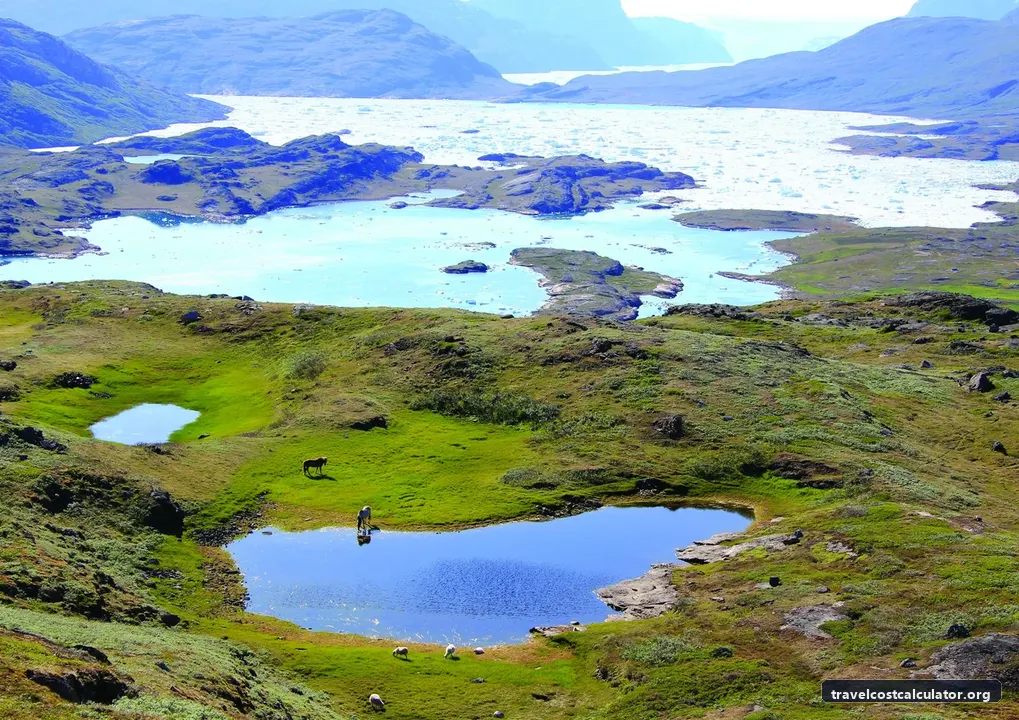
Centuries later, in the late 18th century, modern Inuit farmers revived agricultural traditions in these exact same fertile valleys. Today, Kujataa represents the unique fusion of European Norse farming history and modern Arctic Inuit pastoralism. As of 2026, visitors can walk through working sheep farms where active Inuit agriculture takes place among thousand-year-old Viking stone walls, framed by iceberg-chilled fjords and the roaring Greenland Ice Sheet.
🎟️ Entrance Fees, Opening Hours & Ticket Booking Tips
Unlike traditional enclosed historic sites, Kujataa is an expansive, living cultural landscape. Accessing the open terrain, hiking trails, and historical ruins across South Greenland is entirely free. However, specific open-air exhibits, site museum buildings, and guided interpretation centers charge small nominal fees.
Estimated 2026 Entry & Site Pricing
-
✦
Landscape & Ruins Access (Hvalsey, Outdoor Trails): FREE (0 DKK / $0 USD)
-
✦
Qassiarsuk Open-Air Museum & Reconstructed Norse Church/Longhouse: 60 DKK (~$8.75 USD) per adult
-
✦
Igaliku Countryside Visitor Center & Exhibition: 50 DKK (~$7.25 USD) per adult
-
✦
Qaqortoq Regional Museum (Gateway Hub): 50 DKK (~$7.25 USD) per adult
-
✦
Children (under 12): Free across almost all sites
Opening Hours & Visitor Logistics
The outdoor World Heritage grounds are accessible 24/7 during the main travel season. Local village museums and visitor centers operate primary summer hours from June 1 through September 20, typically open daily from 10:00 AM to 4:00 PM.
Booking Tips for 2026
No advance tickets are required for walking the outdoor ruins. However, because South Greenland relies heavily on seasonal boat charters and small-capacity water taxis, booking your inter-settlement boat transfers and guided heritage tours at least 3 to 5 months in advance is essential. Independent travelers should carry small amounts of cash in Danish Krone (DKK), though major tourist hubs (such as Blue Ice Explorer in Narsarsuaq) accept credit cards.
🚌 How to Get There & Local Transit Costs
Reaching Kujataa requires journeying into South Greenland's dramatic fjord network. The primary transit hubs are Narsarsuaq Airport (UAK) and the regional capital of Qaqortoq.
Step 1: International Flights to South Greenland
In 2026, international access to South Greenland is typically routed through direct seasonal flights via Reykjavik Travel Budget (KEF/RKV, Iceland) or Copenhagen Travel Budget (CPH, Denmark) operated by Air Greenland and Icelandair. Roundtrip international flights average $850 – $1,450 USD depending on early booking.
Step 2: Local Inter-Settlement Transport Fares
Once in South Greenland, marine transport (passenger boats and water taxis) and helicopters replace buses and trains:
-
✦
Narsarsuaq to Qassiarsuk (Brattahlíð): A short 15-minute boat journey across the Tunulliarfik Fjord via boat operators (like Blue Ice Explorer). Cost: ~250 DKK ($36 USD) one-way.
-
✦
Narsarsuaq to Igaliku (Garðar): Take a 30-minute boat ride to Itilleq harbor (~400 DKK / $58 USD), followed by a scenic 4 km (2.5 mi) walk along the historic "King's Road" directly into Igaliku village.
-
✦
Qaqortoq to Hvalsey Church Ruins: Excursions run via high-speed water taxi or tour boat (approx. 45–60 minutes each way). Cost: ~950 – 1,350 DKK ($138 – $196 USD) per person return including site layover.
-
✦
Air Greenland Helicopter Transfers: For rapid transit between Narsarsuaq and Qaqortoq, local red helicopters operate scheduled routes. Cost: ~750 – 1,200 DKK ($108 – $174 USD) one-way.
📸 Best Photography Spots & Insider Visit Hacks
Kujataa is a photographer's dream, offering striking contrasts between ancient grey stone structures, emerald green sheep pastures, deep blue sea fjords, and blinding white icebergs.
Top 4 Photography Locations
-
✦
Hvalsey Church Ruins: The best-preserved Norse structure in Greenland. Frame the magnificent 14th-century granite stone church against the backdrop of Church Mountain (Qaqortukulooq) and floating icebergs in the fjord.
-
✦
Leif Erikson Statue at Qassiarsuk: Capture the bronze statue of the famous Norse explorer standing on a bluff overlooking Eriksfjord, with sheep grazing around ancient ruin mounds below.
-
✦
The King's Road (Kongevejen) Walk to Igaliku: Photograph the dramatic view as you crest the hill and look down onto the idyllic sandstone village of Igaliku nestled into Einarsfjord.
-
✦
Garðar Episcopal Seat Ruins: Capture the giant red sandstone foundations of the medieval Norse cathedral and bishop’s residence juxtaposed with modern Inuit farmhouses.
Insider Visit Hacks for 2026
-
✦
Midnight Sun vs. Northern Lights: Visit between mid-June and late July to experience 24-hour daylight for endless hiking. If you prefer capturing the Aurora Borealis shimmering over Viking ruins, plan your trip for late August through September.
-
✦
Tackle the Arctic Midges: Peak summer (July) brings dense swarms of non-biting midges and mosquitoes in sheltered valleys. Bring a light head net and high-strength bug repellent.
-
✦
Footwear Caution: Terrain between ruins consists of boggy grass, wet tundra, and rough rock. High-cut, waterproof hiking boots are mandatory for safe exploration.
🏨 Nearby Accommodation & Daily Budget Allocation
Accommodations within the Kujataa UNESCO zone range from cozy farm stays and village hostels to boutique hotels in larger hubs like Qaqortoq.
Where to Stay
-
✦
Budget ($65 – $105 USD / night): Leif Eriksson Hostel (Qassiarsuk) or Gardar Hostel (Igaliku). Offers comfortable dormitory beds, shared kitchens, and direct proximity to ancient sites.
-
✦
Mid-Range ($175 – $260 USD / night): Igaliku Country Hotel or local sheep farm stays (such as Tasiusaq Farmstay). Includes private rooms, home-cooked meals, and unmatched local hospitality.
-
✦
Comfort Hub ($250 – $380 USD / night): Hotel Qaqortoq or Hotel Narsarsuaq. Full-service hotels offering private en-suite amenities, high-end Arctic dining, and easy access to tour excursions.
Daily Food & Dining Budget
Dining in Greenland involves imported goods alongside ultra-fresh local culinary specialties like Greenlandic lamb, Arctic char, reindeer, and wild berries. Budget 350 – 650 DKK ($50 – $95 USD) per day for food if dining at local guest lodges or small cafes. Self-catering via village grocery shops (Pilersuisoq) will cut your food budget in half.
Estimated Daily Budget Breakdown (2026 Rates)
-
✦
Budget Backpacker: $110 – $150 USD / day (Hostels, self-catering meals, independent hiking).
-
✦
Mid-Range Explorer: $290 – $440 USD / day (Private guesthouse/farmstay, local boat transfers, lodge dinners).
-
✦
Luxury / Guided Adventurer: $650+ USD / day (Hotel Qaqortoq suites, private water taxis, fully guided archaeological excursions).
Frequently Asked Questions
Essential visitor FAQs for Kujataa Greenland: Norse and Inuit Farming at the Edge of the Ice Cap
What is the entrance fee for Kujataa Greenland: Norse and Inuit Farming at the Edge of the Ice Cap?
How much time do you need to explore Kujataa Greenland: Norse and Inuit Farming at the Edge of the Ice Cap?
How do I get to Kujataa Greenland: Norse and Inuit Farming at the Edge of the Ice Cap from the nearest city?
📊 Heritage Quick Specs
Visiting Denmark on a Budget?
Calculate your full daily travel budget for Denmark — including hotel costs, local transport, food, and sightseeing expenses.
View Denmark Daily Travel Costs →Explore more UNESCO World Heritage Sites
🏛️ All 1,200+ Heritage Sites →