
 Togo
Koutammakou, the Land of the Batammariba
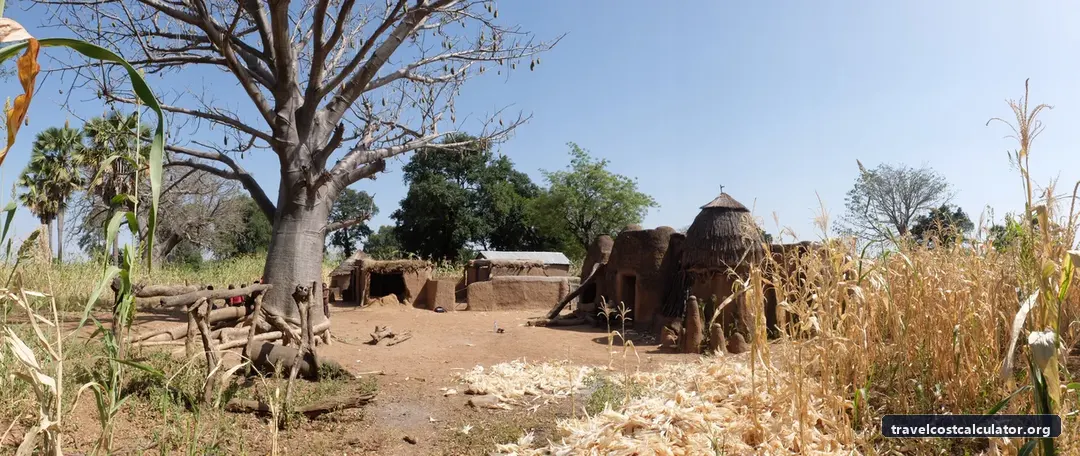
The Koutammakou landscape in north-eastern Togo and neighbouring Benin is home to the Batammariba, whose remarkable mud tower-houses are known as takienta (sikien in the plural).
Koutammakou, the Land of the Batammariba
🏛️ Overview & Historical Significance
Deep in the rolling hills of northeastern Togo lies Koutammakou, the Land of the Batammariba, an extraordinary living cultural landscape that feels suspended in time. Inscribed as a UNESCO World Heritage site in 2004 (and later expanded across the border into Benin), this 50,000-hectare region is famous for its unique mud-tower houses, known locally as Takienta (plural: Sikien). These remarkable architectural masterpieces are not merely shelters—they are vivid representations of the cosmology, social hierarchy, and defensive ingenuity of the Batammariba people, whose name translates to "those who are the real architects of the earth."
The Takienta are hand-crafted two-story clay fortresses built with rounded turrets, thatched roofs, and thick earthen walls designed to regulate temperature during scorching West African afternoons. Historically constructed to repel rival tribes and slave raiders, each house functions as a self-contained microcosm: the dark ground floor shelters livestock and serves as a winter kitchen, while the elevated open-air upper terrace is used for drying millet, sleeping during warm nights, and holding sacred ancestral altars. UNESCO designated Koutammakou an outstanding example of a living cultural landscape because the relationship between the Batammariba, their spirit-infused architecture, and the surrounding savanna remains fully intact today in 2026.
🎟️ Entrance Fees, Opening Hours & Ticket Booking Tips
Visiting Koutammakou requires navigating a localized community-managed tourism system rather than buying a digital ticket in advance. As of 2026, all visitors must register at the official community entrance office near Kandé or Warengo before entering the UNESCO perimeter.
-
✦
Community Entrance Fee: 5,000 XOF (~$8.50 USD) per person.
-
✦
Mandatory Village Guide Fee: 10,000 XOF to 15,000 XOF (~$17 – $25 USD) per group. Hiring a local Batammariba guide is mandatory to ensure cultural respect and proper translation when entering private family compounds.
-
✦
Photography & Village Contribution: 2,000 XOF to 3,000 XOF (~$3.50 – $5.00 USD) per head of household when entering specific Takienta dwellings for photographs.
-
✦
Opening Hours: Officially open daily from 6:30 AM to 6:00 PM (daylight hours).
Essential Booking & Cash Tips: There are no online ticket portals or credit card machines anywhere in northern Togo. You must bring crisp cash in West African CFA Francs (XOF). Stock up on smaller denomination banknotes (1,000 XOF and 2,000 XOF notes) in Kara or Lomé before traveling north, as local village chiefs and guides cannot break large 10,000 XOF notes.
🚌 How to Get There & Local Transit Costs
Koutammakou is located in the Kara Region of northern Togo, near the border town of Kandé. The nearest major commercial and transportation hub is the city of Kara, located approximately 50 kilometers (31 miles) south of the site.
Step 1: Traveling from Lomé to Kara
From Togo's capital city, Lomé, to Kara (approx. 420 km north):
-
✦
VIP Air-Conditioned Coach (e.g., LK Transport, Postel): Takes 7 to 9 hours along the paved N1 highway. One-way fares cost approximately 10,000 XOF to 14,000 XOF ($16 – $23 USD). Booking your seat 24 hours in advance at the terminal in Lomé is highly recommended.
Step 2: Traveling from Kara to Kandé & Koutammakou
Once in Kara, you have three primary transit options to reach the Batammariba villages surrounding Kandé and Warengo:
-
✦
Shared Bush Taxi (Sept-Place): Shared station wagons run regularly between Kara Central Station and Kandé. A seat costs around 2,500 XOF ($4.00 USD) one-way (approx. 1 hour).
-
✦
Motorcycle Taxi (Zemidjan): From Kandé, hire a local moto-taxi to navigate the unpaved dirt tracks connecting the isolated Takienta compounds. A full-day roundtrip with waiting time costs between 6,000 XOF and 10,000 XOF ($10 – $16 USD).
-
✦
Private 4x4 Charter from Kara: Hiring a private vehicle with a driver from Kara offers maximum comfort and air conditioning across rugged dirt roads. Daily rental rates in 2026 average 65,000 XOF to 85,000 XOF ($105 – $140 USD), including fuel.
📸 Best Photography Spots & Insider Visit Hacks
Capturing the surreal beauty of the Batammariba mud castles requires both ideal timing and strict adherence to cultural etiquette.
Prime Photography Angles
-
✦
The Warengo Hillside Viewpoint: Positioned slightly above the valley floor, this vista provides a breathtaking panoramic view of multiple Sikien emerging from the green baobab-dotted landscape.
-
✦
Golden Hour at Nadoba Village: Visit between 4:00 PM and 5:45 PM. The late afternoon sunlight casts a warm, deep amber glow on the textured clay turrets and accentuates the geometric bas-relief patterns carved into the walls.
-
✦
Upper Terrace Granaries: Ask your guide for permission to climb the wooden ladder to the upper roof deck of a Takienta. Photographing the handcrafted conical grain caps against the open African sky makes for a striking composition.
Insider Travel & Cultural Etiquette Hacks
-
✦
Respect Sacred Altars: Earthen mounds outside house entrances are sacred ancestral shrines (Phallic altars). Never step on, touch, or sit on these structures.
-
✦
Offerings for Elders: It is customary to bring small gifts when greeting village elders. Small packages of green tea, coffee, or cola nuts purchased in the Kandé market are deeply appreciated as traditional signs of respect. Avoid handing out candy or cash directly to young children.
-
✦
Seasonality Matters: Plan your trip during the dry season (November to March). During the heavy rains of July through September, unpaved rural tracks transform into impassable mud streams, making access to remote compounds difficult. Note that the dry Harmattan wind blows dust across northern Togo from December to January, creating soft, diffused natural lighting for photography, though skies may look hazy.
🏨 Nearby Accommodation & Daily Budget Allocation
Accommodation directly inside Koutammakou is limited to basic eco-campments, while full-service hotels can be found in nearby Kandé or the city of Kara.
Recommended Places to Stay
-
✦
Budget Community Homestay / Campement de Warengo (Inside Koutammakou): Simple mud-hut or thatched-roof accommodation with shared bucket showers and solar lighting. Perfect for immersive culture lovers. Cost: 5,000 XOF to 9,000 XOF ($8 – $15 USD) per night.
-
✦
Mid-Range / Auberge de Kandé (Kandé Town): Basic, clean hotel rooms with private bathrooms, fan or AC, located just 20 minutes from the UNESCO site entrance. Cost: 18,000 XOF to 30,000 XOF ($30 – $50 USD) per night.
-
✦
Comfort / Hôtel Kara (Kara City): A full-service hotel featuring air-conditioned rooms, a swimming pool, and an onsite restaurant in the regional capital. Cost: 45,000 XOF to 75,000 XOF ($75 – $125 USD) per night.
Estimated Daily Budget Breakdowns (2026 Pricing)
-
✦
Backpacker / Low-Budget Traveler ($25 – $40 USD / day): Shared bush taxis, street food meals (yam fries, grilled chicken, rice dish *fufu*), community homestay, and shared guide fees.
-
✦
Mid-Range Independent Traveler ($70 – $120 USD / day): Hotel in Kandé or Kara, private moto-taxi or shared taxi hire, regional restaurant dining, full guide tip, and community entrance contributions.
-
✦
Comfort / Tour Package Traveler ($180 – $300 USD / day): Private 4x4 charter vehicle from Kara or Lomé, top-tier hotel, private English-speaking specialized guide, and custom photography permissions.
Frequently Asked Questions
Essential visitor FAQs for Koutammakou, the Land of the Batammariba
What is the entrance fee for Koutammakou, the Land of the Batammariba?
How much time do you need to explore Koutammakou, the Land of the Batammariba?
How do I get to Koutammakou, the Land of the Batammariba from the nearest city?
📊 Heritage Quick Specs
Visiting Togo on a Budget?
Calculate your full daily travel budget for Togo — including hotel costs, local transport, food, and sightseeing expenses.
View Togo Daily Travel Costs →Explore more UNESCO World Heritage Sites
🏛️ All 1,200+ Heritage Sites →