
 Australia
Kakadu National Park
This unique archaeological and ethnological reserve, located in the Northern Territory, has been inhabited continuously for more than 40,000 years.
Kakadu National Park
🏛️ Overview & Historical Significance
Spanning nearly 20,000 square kilometers—an area roughly the size of Slovenia or New Jersey—Kakadu National Park is Australia’s largest and most ecologically diverse national park. Recognized globally for its extraordinary cultural and natural values, Kakadu was first inscribed as a UNESCO World Heritage site in 1981, with expansion listings in 1987 and 1992. It remains one of the rare dual-listed World Heritage sites on Earth, celebrated equally for its ancient human heritage and its living, untamed ecosystems.
For more than 65,000 years, Kakadu has been continuously inhabited by Aboriginal Australians. The Bininj people in the north and Mungguy people in the south serve as the traditional owners and custodians of this country. Together with Parks Australia, they jointly manage the park using traditional ecological knowledge passed down through hundreds of generations. Kakadu represents one of the oldest living cultural landscapes on the planet, preserving a spiritual bond between human beings and the earth that has survived uninterrupted since the Ice Age.
The park’s sandstone escarpments, river systems, monsoon rainforests, and expansive billabongs protect thousands of ancient rock art sites. These natural rock galleries document human history, climate shifts, and extinct Australian megafauna across millennia. Famous galleries such as Ubirr and Burrungkuy (Nourlangie) depict Ancestral Beings like the Namarrkon (Lightning Man) and the Rainbow Serpent, alongside intricate "X-ray style" paintings showing internal organs and skeletal structures of native fauna.
Biologically, Kakadu acts as a sanctuary for over 2,000 plant species, a third of Australia’s bird species, and world-renowned populations of apex predators, including the formidable saltwater crocodile (Crocodylus porosus). Understanding Kakadu requires recognizing that it is not merely a wilderness reserve; it is a dynamic, living cultural landscape preserved through indigenous land management practices such as controlled fire-stick burning.
🎟️ Entrance Fees, Opening Hours & Ticket Booking Tips
To visit Kakadu National Park in 2026, all interstate and international visitors must purchase a Kakadu Park Pass. Ticket revenue directly supports park conservation, infrastructure maintenance, and community projects for Aboriginal traditional owners. (Note: Northern Territory residents receive free park entry upon presenting valid local identification).
2026 Estimated Ticket Prices & Seasonal Rates
Kakadu operates on a seasonal pricing structure reflecting accessibility and visitor demand:
-
✦
Dry Season Pass (May 15 – October 31, 2026):
- Adult (16+ years): AUD $40.00 (~$26.00 USD)
-
✦
Concession (Seniors/Students): AUD $30.00 (~$19.50 USD)
-
✦
Child (Under 16): Free
-
✦
Family Pass (2 Adults + 2+ Children): AUD $100.00 (~$65.00 USD)
- Adult (16+ years): AUD $25.00 (~$16.00 USD)
Opening Hours & Site Access
The park itself is accessible 24 hours a day, 7 days a week year-round via paved highways. However, individual art galleries, visitor hubs, and natural attractions have specific operational hours:
-
✦
Bowali Visitor Centre (Jabiru): Open daily from 8:00 AM to 5:00 PM (Closed Christmas Day).
-
✦
Ubirr & Burrungkuy Art Sites: Open daily from 8:00 AM until sunset (typically 6:30 PM).
-
✦
Cahills Crossing Viewing Platform: Open 24/7, best visited during changing tides.
Pro Booking Hacks for 2026
-
✦
Pre-Purchase Digital Passes: Buy your pass online through the official Parks Australia website prior to leaving Darwin. Mobile coverage in Kakadu is extremely limited outside Jabiru and Cooinda, making digital downloads or physical printouts essential.
-
✦
Pass Validity: Standard passes are valid for 7 consecutive days. If you plan an extended stay, you can extend your pass to 14 days at no extra cost by registering at the Bowali Visitor Centre.
-
✦
Book Commercial Tours Early: Popular guided experiences, such as the Yellow Water Cruise or 4WD waterfall tours, frequently sell out 2 to 3 months ahead during peak dry season (June–August).
🚌 How to Get There & Local Transit Costs
Kakadu National Park is situated in the Top End of Australia’s Northern Territory. The primary gateway and nearest major transportation hub is Darwin, located roughly 250 kilometers (155 miles) northwest of the park’s main township, Jabiru.
1. Self-Drive Vehicle Rental (Most Recommended)
Self-driving offers maximum flexibility. There are two primary driving routes into the park from Darwin:
-
✦
Northern Entrance (via Arnhem Highway): Takes approximately 2.5 to 3 hours to reach Jabiru along fully sealed bitumen roads. Suitable for standard 2WD vehicles year-round.
-
✦
Southern Entrance (via Stuart & Kakadu Highways): Routes through Pine Creek and is ideal for travelers returning from Nitmiluk (Katherine) Gorge. Fully paved.
2026 Vehicle Hire & Fuel Costs:
-
✦
2WD Compact / SUV Rental: AUD $75 – $130 per day (~$50 – $85 USD). Suitable for main highway access, Bowali Visitor Centre, Ubirr, and Burrungkuy.
-
✦
4WD High-Clearance Vehicle Rental: AUD $190 – $360 per day (~$125 – $235 USD). Mandatory for unsealed tracks reaching remote waterfalls like Jim Jim Falls, Twin Falls, Maguk, and Koolpin Gorge.
-
✦
Fuel Costs: Fuel prices in remote outback roadhouses (e.g., Bark Hut Inn, Jabiru, Cooinda) carry a premium. Expect to pay between AUD $2.10 and $2.45 per liter for diesel/unleaded. Budget approximately AUD $150 – $240 (~$100 – $155 USD) total fuel for a 3-day trip.
2. Guided Overland Tours from Darwin
If you prefer not to drive outback distances, organized tours handle all navigation, permits, and guiding:
-
✦
1-Day Express Tour: AUD $280 – $350 (~$185 – $230 USD) per person. Includes return transport from Darwin, park pass, Ubirr art tour, and a river cruise. (High pace, long driving hours).
-
✦
3-Day / 2-Night 4WD Safari Tour: AUD $950 – $1,450 (~$620 – $950 USD) per person. Includes 4WD transport, bush camping or lodge stay, major waterfalls, cultural guide, and all meals.
3. Public Transit Options
There are no public bus lines or train services connecting Darwin to Kakadu National Park. Transport must be arranged via rental vehicle, private charter, or commercial tour operator.
📸 Best Photography Spots & Insider Visit Hacks
Kakadu is a photographer's paradise of dramatic red escarpments, lush paperbark wetlands, ancient rock galleries, and abundant wildlife. Timing your shots around light and season is critical.
Top Photography Locations
-
✦
Ubirr (Nadab Lookout): Offers one of Australia's iconic sunset vistas. After viewing the ancient rock galleries, ascend the rock dome to enjoy 360-degree views over the shimmering Nadab floodplains. Best time: 5:30 PM to 6:30 PM.
-
✦
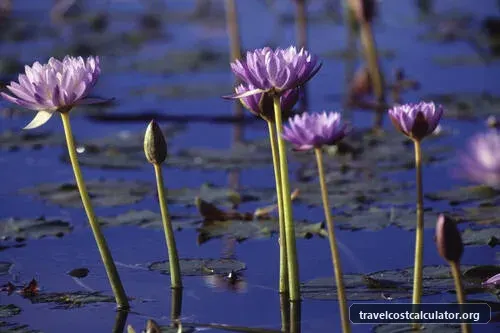
Yellow Water Billabong (Ngurrungurrudjba): Capture saltwater crocodiles breaking through water lilies, white-bellied sea eagles, and kingfishers against misty, golden waters. Best time: 6:45 AM sunrise boat cruise.
-
✦
Burrungkuy / Gunwarddewardde Lookout: Provides wide-angle landscape shots of the towering red sandstone escarpments contrasting against dark green woodland foliage. Best time: Late afternoon light.
-
✦
Cahills Crossing: Position yourself safely on the viewing platform to photograph massive saltwater crocodiles gathering to catch migrating barramundi against the rising tidal waters of the East Alligator River. Best time: High tide window (check tide charts daily).
-
✦
Jim Jim & Twin Falls: Massive 200-meter drops framing clear plunge pools. Best time: Midday sun for canyon light, accessible June to October via 4WD or year-round scenic flights.
Insider Hacks to Avoid Crowds & Heat
-
✦
Respect Indigenous Seasons: The Bininj/Mungguy recognize six distinct weather seasons rather than two. The Yegge (May–June) features cool morning mists and drying wetlands, while Gudjewg (January–March) brings dramatic monsoon storms and spectacular waterfall flows visible via scenic flights.
-
✦
Beat the Midday Sun: Kakadu temperatures routinely exceed 35°C (95°F) with high humidity. Plan outdoor hikes (like Ubirr or Nawurlandja) between 6:30 AM and 10:00 AM. Spend the hot afternoon hours inside air-conditioned visitor centers or taking a boat tour.
-
✦
Croc Safety is Mandatory: Never swim in billabongs, rivers, or unposted waterholes. Assume all bodies of water contain wild saltwater crocodiles unless explicitly signed as a designated swimming area by Parks Australia (e.g., Maguk or Motor Car Falls after seasonal ranger checks).
🏨 Nearby Accommodation & Daily Budget Allocation
Accommodation in Kakadu ranges from basic unserviced bush campsites to comfortable mid-range lodges and safari-style glamping tents. The two main accommodation hubs within the park are Jabiru (in the north) and Cooinda (in the central/south region).
Accommodation Tiers & 2026 Pricing
-
✦
Budget Camping (Parks Australia Campsites):
- Unmanaged Bush Sites (e.g., Two Mile, Waldak Irrmarn): AUD $10 – $15 (~$6.50 – $10 USD) per adult/night. Basic drop toilets, bring own water.
-
✦
Managed Sites (e.g., Merl, Djarradjin, Mardukal): AUD $20 – $28 (~$13 – $18.50 USD) per adult/night. Solar showers, flushing toilets, BBQ facilities.
- Kakadu Lodge (Jabiru) & Cooinda Lodge: Hotel rooms and air-conditioned cabins ranging from AUD $220 – $380 (~$145 – $250 USD) per night. Standard powered caravan sites cost AUD $50 – $75 (~$33 – $50 USD) per night.
- Cooinda Outback Retreat Glamping Tents: Safari-style canvas tents featuring air conditioning, plush bedding, and high-end outdoor decks. Rates range from AUD $350 – $520 (~$230 – $340 USD) per night.
Daily Travel Budget Allocations (2026 Estimates)
Below is a breakdown of estimated daily expenses per person for exploring Kakadu National Park:
| Budget Tier | Accommodation | Meals & Drinks | Transport & Gas | Tours & Activities | Total Daily Budget |
|---|---|---|---|---|---|
| Backpacker / Camper | $15 USD (Camping) | $25 USD (Groceries/Self-cook) | $35 USD (Shared 2WD hire + fuel) | $10 USD (Park pass prorated) | $85 USD / day |
| Mid-Range Traveler | $110 USD (Lodge room share) | $55 USD (Pub dinners & cafes) | $75 USD (4WD rental + fuel) | $50 USD (Cruises/pass prorated) | $290 USD / day |
| Luxury / Glamping | $260 USD (Glamping / Resort) | $110 USD (Fine dining & drinks) | $180 USD (4WD SUV / Charter) | $140 USD (Scenic flights & private tours) | $690 USD / day |
Planning Tip: Grocery supplies in Jabiru are expensive compared to Darwin. Save money by purchasing non-perishable foodstuffs, snacks, and water containers at supermarkets in Darwin prior to driving into the park.
Frequently Asked Questions
Essential visitor FAQs for Kakadu National Park
What is the entrance fee for Kakadu National Park?
How much time do you need to explore Kakadu National Park?
How do I get to Kakadu National Park from the nearest city?
📊 Heritage Quick Specs
Visiting Australia on a Budget?
Calculate your full daily travel budget for Australia — including hotel costs, local transport, food, and sightseeing expenses.
View Australia Daily Travel Costs →Explore more UNESCO World Heritage Sites
🏛️ All 1,200+ Heritage Sites →