
 Japan
Japan
Jomon Prehistoric Sites in Northern Japan
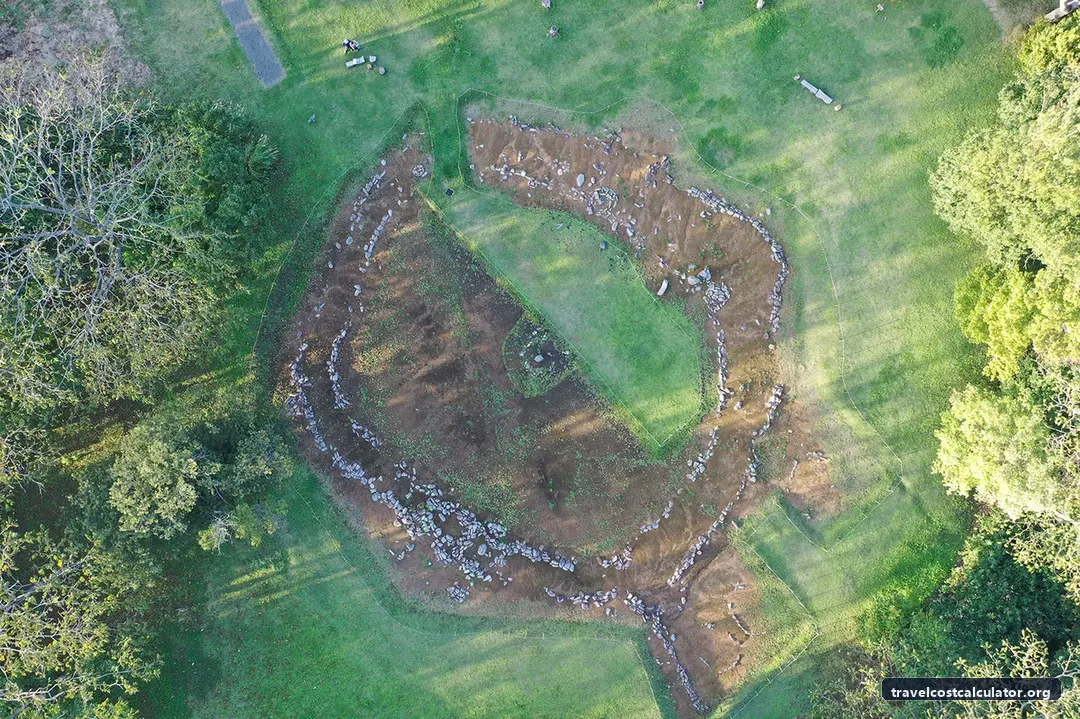
The property consists of 17 archaeological sites in the southern part of Hokkaido Island and northern Tohoku in geographical settings ranging from mountains and hills to plains and lowlands, from inland bays to lakes, and rivers.
Jomon Prehistoric Sites in Northern Japan
🏛️ Overview & Historical Significance
In July 2021, UNESCO officially added the Jomon Prehistoric Sites in Northern Japan to its World Heritage list, acknowledging a rare and fascinating chapter in human civilization. Spanning 17 interconnected archaeological locations across Hokkaido, Aomori, Iwate, and Akita prefectures, these sites showcase the extraordinary cultural evolution of the hunter-fisher-gatherer Jomon people, who inhabited the Japanese archipelago from approximately 13,000 BCE to 400 BCE.
Unlike most ancient civilizations that transitioned to intensive agriculture to build permanent settlements, the Jomon people established a sophisticated, sedentary lifestyle without full-scale farming. Blessed with the ecological abundance of Northern Japan’s cool-temperate broadleaf forests, nutrient-rich marine currents, and rivers packed with migrating salmon, Jomon communities flourished in deep harmony with their natural surroundings for over 10,000 years.
The centerpiece of this World Heritage designation is the massive Sannai-Maruyama Site in Aomori Prefecture, alongside other remarkable locations such as the Oyu Stone Circles in Akita and the Kakinoshima Site in Hokkaido. Visitors to these sites encounter reconstructed pit dwellings, towering wooden pillar monuments, massive ritual earthworks, and intricate ceramic artifacts. Most famously, the Jomon period yielded remarkable cord-marked pottery (from which the name Jomon derives) and mysterious clay figurines known as Dogu (including the iconic "Gassho" or praying figurine and the "Hollow Dogu" national treasures).
For modern travelers in 2026, visiting these northern sites offers a profound alternative to Japan's hyper-modern urban corridors. It is an immersive journey into deep antiquity, revealing a pre-historic society that practiced complex spiritual rituals, engaged in long-distance trade, and maintained peaceful, sustainable communities for millennia without central military rule or major social stratification.
🎟️ Entrance Fees, Opening Hours & Ticket Booking Tips
Visiting the Jomon sites is remarkably affordable, as local municipal governments and prefectural boards of education maintain entry fees at modest rates to encourage cultural education. Below are the updated estimated admission fees, operating schedules, and logistics for 2026 across the key public sites:
1. Sannai-Maruyama Site & San-Maru Museum (Aomori Prefecture - Flagship Site)
-
✦
Adult Admission: ¥410 (~$2.80 USD)
-
✦
High School & University Students: ¥200 (~$1.40 USD)
-
✦
Junior High & Younger: Free
-
✦
Special Temporary Exhibitions: Additional ¥300 – ¥500 (~$2.00 – $3.50 USD)
-
✦
Opening Hours: 9:00 AM – 5:00 PM (November to April) | 9:00 AM – 6:00 PM (May to October). Last entry is 30 minutes before closing.
-
✦
Closed Days: 4th Monday of each month (if a public holiday, the following day) and December 30 – January 1.
2. Hakodate Jomon Culture Center & Kakinoshima Site (Hokkaido)
-
✦
Adult Admission: ¥300 (~$2.00 USD)
-
✦
Students / Children: ¥150 (~$1.00 USD)
-
✦
Opening Hours: 9:00 AM – 5:00 PM (April to October) | 9:00 AM – 4:30 PM (November to March). Closed Mondays and year-end holidays.
3. Oyu Stone Circles Museum & Park (Akita Prefecture)
-
✦
Adult Admission: ¥320 (~$2.15 USD)
-
✦
High School / Students: ¥170 (~$1.15 USD)
-
✦
Opening Hours: 9:00 AM – 4:00 PM (Museum). Outdoor stone circle grounds remain open during daylight hours year-round.
Insider Booking & Ticket Tips for 2026:
-
✦
No Advance Reservations Needed: Standard entry tickets for general admission can be purchased on-site at automated kiosks or ticket windows using cash, Japanese IC transit cards (Suica, Pasmo, ICOCA), or major international credit cards.
-
✦
Multilingual Digital Guides: Download the official "Jomon Prehistoric Sites" free smartphone audio app prior to your visit. Physical audio guide handsets can also be rented at the Sannai-Maruyama visitor center desk for ¥500 (~$3.40 USD).
-
✦
Jomon Passport / Stamp Rally: Pick up a free Jomon Heritage Passport at any of the 17 main site visitor centers. Collecting stamps across multiple locations yields commemorative gifts and discounted admission at secondary sites.
🚌 How to Get There & Local Transit Costs
The primary transit hub for accessing the most famous Jomon sites is Aomori City on the northern tip of Japan's main island (Honshu), reachable seamlessly via high-speed rail from Tokyo Travel Budget.
Step 1: Reaching Aomori City from Tokyo
-
✦
By JR Tohoku Shinkansen (Bullet Train): Take the Hayabusa Shinkansen from Tokyo Station directly to Shin-Aomori Station. The journey takes approximately 3 hours and 15 minutes.
- Cost: ~¥17,500 (~$118.00 USD) one-way for an reserved seat. Fully covered by the JR East Pass (Tohoku Area) or the full Japan Rail Pass.
Step 2: Reaching Sannai-Maruyama Site from Shin-Aomori / Aomori Station
-
✦
By Aomori City Bus ("Nebuta-go" Tourist Loop Bus): Board the bus from Shin-Aomori Station (East Exit Bus Stop #3) or Aomori Station (Bus Stop #8). The bus arrives directly at the Sannai-Maruyama-Iseki-Mae stop in 15 minutes.
- Fare: ¥310 (~$2.10 USD) one-way per adult. A 1-Day Unlimited Bus Pass costs ¥710 (~$4.80 USD).
- Fare: Approximately ¥1,500 – ¥2,000 (~$10.00 – $13.50 USD).
Reaching Secondary Jomon Hubs
-
✦
To Hakodate Sites (Kakinoshima / Washinoki, Hokkaido): Board the Hokkaido Shinkansen from Shin-Aomori to Shin-Hakodate-Hokuto Station (1 hour, ~¥7,500 / ~$50.00 USD), then transfer to the local Hakodate Bus bound for the Jomon Culture Center (70 minutes, ¥800 / ~$5.40 USD).
-
✦
To Oyu Stone Circles (Akita): Take the JR Hanawa Line train to Towada-Minami Station, then board the local Hanawa-bound bus or take a 15-minute taxi (~¥2,500 / ~$17.00 USD) directly to the Oyu site.
-
✦
Rental Car Recommendation: If you plan to visit 3 or more dispersed Jomon sites across rural Aomori, Iwate, and Akita, renting a vehicle from Shin-Aomori Station is highly recommended. Daily rental costs in 2026 start around ¥7,000 – ¥9,500 (~$47.00 – $64.00 USD) plus highway tolls (ETC card recommended).
📸 Best Photography Spots & Insider Visit Hacks
To capture the evocative ancient atmosphere of the Jomon era without crowds, careful timing and strategic site selection are key.
Top Photography Locations
-
✦
The Reconstructed 6-Pillar Wooden Structure (Sannai-Maruyama): The iconic symbol of the Jomon World Heritage site. Frame this massive timber tower from the low grassy slope south of the structure. For optimal lighting, capture it in the late afternoon when warm sunlight illuminates the weathered chestnut wood against the sky.
-
✦
The Grand Long Pit Dwelling (Sannai-Maruyama): Step inside the 32-meter reconstructed thatched communal structure. Wide-angle lenses (16mm to 24mm equivalent) excel here to capture the intricate interior timber framing and ambient earth-smoke atmosphere.
-
✦
Oyu Stone Circles (Manza Circle): The "sundial" arrangement of river stones looks most dramatic during golden hour or under morning fog. Shoot from the perimeter observation deck to capture the radial pattern against the backdrop of Mount Towada's foothills.
-
✦
National Treasure Exhibit Galleries: Inside the San-Maru Museum and Hakodate Jomon Culture Center, macro photography (where non-flash photography is permitted) highlights the intricate cord markings, facial expressions, and symmetry of ancient Dogu figurines.
Insider Visit Hacks for 2026
-
✦
Optimal Seasonal Windows:
- Late October to Early November: Peak autumn foliage turns the surrounding beech and oak forests into vivid gold and amber hues, providing a striking backdrop to thatched dwellings.
-
✦
January to February: Snow covers the reconstructed pit dwellings, offering a serene, stark winter aesthetic reminiscent of ancient survival conditions.
-
✦
May to June: Fresh green foliage and mild weather (~18°C to 23°C), ideal for walking outdoor sites comfortably.
🏨 Nearby Accommodation & Daily Budget Allocation
Because the Jomon sites are spread across northern Honshu and southern Hokkaido, staying in a well-connected transit city like Aomori City provides the best base for dining, transit connections, and lodging choices.
Recommended Hotel Options in Aomori City (2026 Pricing)
-
✦
Budget Option: Aomori Center Hotel / Capsule Hotels near Aomori Station
- Clean, efficient rooms with access to public natural hot spring baths on-site.
-
✦
Cost: ¥4,500 – ¥7,000 (~$30.00 – $47.00 USD) per night.
- Modern business hotels located directly adjacent to Aomori Station with English-speaking staff and high-speed Wi-Fi.
- Traditional Japanese hot-spring inns offering multi-course kaiseki dinners featuring Tsugaru strait seafood and private outdoor hot spring baths.
Sample Daily Budget Breakdown for a Mid-Range Solo Traveler (2026 Estimates)
Below is a realistic daily financial plan for exploring the Jomon sites around Aomori:
-
✦
Accommodation (Mid-range city hotel): ¥13,500 (~$91.00 USD)
-
✦
Local Transportation (Bus fares + short local rail): ¥1,800 (~$12.00 USD)
-
✦
Sightseeing & Admissions (2 Jomon sites + museums): ¥1,000 (~$6.70 USD)
-
✦
Meals & Dining:
- Breakfast (Hotel or local bakery): ¥900 (~$6.00 USD)
-
✦
Lunch (Jomon chestnut noodles or local ramen): ¥1,200 (~$8.00 USD)
-
✦
Dinner (Aomori Nokke-don seafood bowl at Furukawa Market): ¥2,500 (~$17.00 USD)
Frequently Asked Questions
Essential visitor FAQs for Jomon Prehistoric Sites in Northern Japan
What is the entrance fee for Jomon Prehistoric Sites in Northern Japan?
How much time do you need to explore Jomon Prehistoric Sites in Northern Japan?
How do I get to Jomon Prehistoric Sites in Northern Japan from the nearest city?
📊 Heritage Quick Specs
Visiting Japan on a Budget?
Calculate your full daily travel budget for Japan — including hotel costs, local transport, food, and sightseeing expenses.
View Japan Daily Travel Costs →Explore more UNESCO World Heritage Sites
🏛️ All 1,200+ Heritage Sites →