
 China
China
Jiuzhaigou Valley Scenic and Historic Interest Area
Stretching over 72,000 ha in the northern part of Sichuan Province, the jagged Jiuzhaigou valley reaches a height of more than 4,800 m, thus comprising a series of diverse forest ecosystems.
Jiuzhaigou Valley Scenic and Historic Interest Area
🏛️ Overview & Historical Significance
Nestled on the edge of the Tibetan Plateau in southwestern China's Sichuan Province, Jiuzhaigou Valley Scenic and Historic Interest Area is widely regarded as one of the world's most spectacular natural wonders. Stretching over 72,000 hectares, this UNESCO World Heritage Site derives its name—which translates to "Nine Tibetan Villages"—from the nine traditional Amdo Tibetan settlements located along its length. Designated as a UNESCO World Heritage site in 1992 under Criterion (vii), Jiuzhaigou was recognized for its superlative natural beauty, extraordinary karsthydrological features, and untouched primary forest ecosystems.
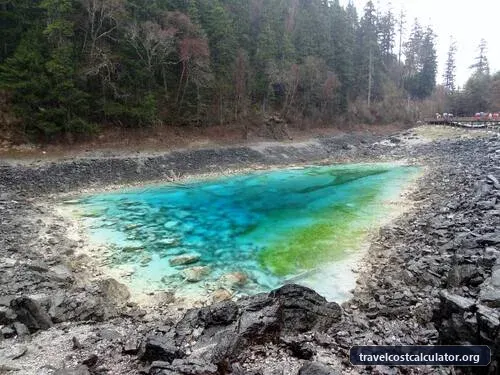
What sets Jiuzhaigou apart globally is its dynamic geological formation. Glacial activity combined with high concentrations of calcium carbonate in the alpine runoff has created a fairytale landscape of over 100 crystal-clear, multi-tiered travertine lakes, cascading waterfalls, and snow-capped limestone peaks. The water’s exceptional transparency reveals submerged ancient trees and vivid mineral deposits that reflect hues of turquoise, deep emerald, and sapphire blue depending on the sunlight, time of day, and algae composition.
Beyond its breathtaking aesthetic value, Jiuzhaigou serves as a vital sanctuary for biodiversity. It provides habitat for rare, endangered species such as the giant panda, the golden snub-nosed monkey, and the Sichuan takin. Following complete recovery and ecosystem renewal after the 2017 earthquake, visiting Jiuzhaigou in 2026 offers travelers an inspiring look at natural resilience paired with deep-rooted Tibetan culture, visible in the colorful prayer flags fluttered across valley villages.
🎟️ Entrance Fees, Opening Hours & Ticket Booking Tips
Visiting Jiuzhaigou Valley requires careful planning due to strict daily visitor caps designed to preserve the delicate alpine ecosystem. All tickets must be booked using a real-name reservation system tied to your passport number.
2026 Estimated Ticket Pricing Structure
-
✦
Peak Season (April 1 – November 15):
- Entrance Fee: 190 RMB (~$26.50 USD)
-
✦
Sightseeing Bus Ticket (Mandatory): 90 RMB (~$12.50 USD)
-
✦
Total Combined Cost: 280 RMB (~$39.00 USD)
- Entrance Fee: 80 RMB (~$11.00 USD)
Operating Hours
-
✦
Peak Season: 7:30 AM – 5:00 PM (Ticket verification closes around 2:00 PM).
-
✦
Low Season: 8:30 AM – 5:00 PM (Ticket verification closes around 2:00 PM).
Essential Ticket Booking Hacks for 2026
-
✦
Book in Advance: Tickets can be reserved up to 14 days in advance via official channels like Trip.com or the local WeChat mini-program ("Aba Travel Network" / 阿坝旅游网). During peak autumn foliage (mid-to-late October), tickets sell out within minutes of release.
-
✦
Carry Your Physical Passport: Electronic copies or phone photos are not accepted at the automated turnstiles. You must present the physical passport used during online booking.
-
✦
Eco-Shuttle Bus Option: The sight-seeing bus is non-negotiable for most visitors because the valley is over 30 kilometers (19 miles) long. Buses run on a high-frequency hop-on, hop-off basis throughout the Y-shaped valley.
🚌 How to Get There & Local Transit Costs
The major travel hub for visiting Jiuzhaigou is Chengdu, the capital of Sichuan Province. Modern infrastructure developments have dramatically cut down travel times between Chengdu and Jiuzhaigou, making the journey seamless for international tourists.
Option 1: High-Speed Bullet Train + Express Bus (Recommended & Fastest Land Route)
Thanks to the completed Chengdu-Lanzhou High-Speed Railway line, bullet trains connect Chengdu East Railway Station to Huanglongjiuzhai Station in just 1.5 to 2 hours.
-
✦
Train Fare: ~120 RMB – 150 RMB ($17 – $21 USD) one-way for Second Class.
-
✦
Connecting Bus to Valley Entrance: From Huanglongjiuzhai Railway Station, direct express shuttle buses run continuously to the Jiuzhaigou Valley entrance area (approx. 1.5 to 2 hours ride).
-
✦
Bus Fare: ~45 RMB – 50 RMB ($6.50 – $7.00 USD) one-way.
-
✦
Total Time from Chengdu: Under 4 hours end-to-end.
Option 2: Direct Express Long-Distance Bus
For budget travelers who prefer no transfers, direct long-distance coaches depart daily from Chengdu's Xinnanmen Bus Station or Chadianzi Bus Station.
-
✦
Bus Fare: ~150 RMB – 180 RMB ($21 – $25 USD) one-way.
-
✦
Travel Time: 8 to 9 hours (scenic, but long; subject to mountain highway traffic).
Option 3: Flight via Jiuzhai Huanglong Airport (JZH)
Direct flights operate from Chengdu Tianfu International Airport (TFU) to Jiuzhai Huanglong Airport (JZH), located at an altitude of 3,448 meters.
-
✦
Flight Duration: ~1 hour.
-
✦
Airfare: ~$100 – $220 USD depending on season.
-
✦
Airport Transfer: Shuttle buses or taxis from JZH Airport to the park entrance take about 1.5 hours and cost ~45 RMB ($6.50 USD) for shuttle buses or ~200 RMB ($28 USD) for private taxis. Note: Flights in this high-altitude region are frequently delayed or canceled due to mountain weather.
📸 Best Photography Spots & Insider Visit Hacks
Jiuzhaigou is shaped like a giant letter "Y", composed of three main valleys: Shuzheng Valley (stem), Rize Valley (right branch), and Zechawa Valley (left branch). Strategic navigation is crucial to beat the tour bus crowds and catch optimal photography light.
Must-See Photography Locations
-
✦
Five Flower Lake (Wuhua Hai): Located in Rize Valley, this is Jiuzhaigou's most famous spot. Submerged ancient fallen trees lie crisp beneath electric blue and golden water. Shoot from the wooden boardwalks or the elevated overlook rock (Tiger Mouth) for panoramic captures.
-
✦
Mirror Lake (Jing Hai): Early morning before 9:00 AM is essential here. Before the surface winds pick up, the lake acts as a perfect glass mirror reflecting surrounding snow-capped peaks and vibrant autumn trees.
-
✦
Pearl Shoal Waterfall (Zhenzhutan Pu): A curtain waterfall spanning 310 meters wide where water rushes over travertine terraces. Famous as a backdrop in classic Chinese cinema, it offers incredible long-exposure photography opportunities from the lower bridge.
-
✦
Nuorilang Waterfall: Located at the junction of the "Y", this is the widest travertine waterfall in China. Shoot in the early afternoon when sunlight hits the falling water mist.
-
✦
Long Lake (Chang Hai): Located at the end of Zechawa Valley, this high-altitude glacier lake is flanked by dramatic peaks and an iconic solitary cypress tree.
Insider Hacks to Avoid Crowds
-
✦
The Reverse Route Strategy: Most tour groups stop at Shuzheng Valley near the entrance first. Instead, board the shuttle bus early in the morning and head straight to the top of the right branch (Rize Valley / Virgin Forest) or left branch (Long Lake), then walk downhill against the crowd flow.
-
✦
Seasonal Weather & Best Month: Mid-to-late October is peak season when alpine forests burst into fiery red, orange, and gold against turquoise waters. Mid-spring (April–May) offers fewer crowds and thawing lakes. Winter (December–February) transforms the park into a frozen paradise of blue ice and snow with budget-friendly rates.
-
✦
Avoid Holidays: Never visit during China's Golden Week (October 1–7) or the summer school holiday rush (July–August), when the park operates at maximum capacity.
🏨 Nearby Accommodation & Daily Budget Allocation
Most travelers stay in Zhangzha Town (also known as Jiuzhaigou Town), located just 1 to 5 kilometers outside the main park entrance gate. Over-nighting inside the actual national park was banned to protect the environment.
Recommended Accommodation Tiers
-
✦
Budget / Hostels ($25 – $45 USD / 180 – 320 RMB per night): Clean Tibetan-style guesthouses and youth hostels located near the park entrance, offering private rooms, heated blankets, and English-speaking staff.
-
✦
Mid-Range Hotels ($60 – $120 USD / 430 – 850 RMB per night): Modern 3 and 4-star options such as Holiday Inn Express Jiuzhaigou or regional boutique hotels featuring floor heating, oxygen concentrators, and buffet breakfasts.
-
✦
Luxury Resorts ($200 – $450+ USD / 1,440 – 3,200 RMB per night): International 5-star sanctuaries located a short drive from the park, such as Rissai Valley (a Ritz-Carlton Reserve), Conrad Jiuzhaigou, or Banyan Tree Jiuzhaigou, featuring private villas, spa treatments, and fine dining.
Dining & Food Expenses
Local dining is dominated by traditional Sichuan food (spicy, flavorful) and Tibetan cuisine. Key specialties include Yak Meat Hotpot, butter tea, tsampa, and grilled highland barley pancakes.
-
✦
Dining Budget: ~$8 – $20 USD (55 – 140 RMB) per person for a heartly local dinner in Zhangzha Town.
-
✦
Park Lunching Tip: Inside the park, food options are limited. The central transfer hub (Nuorilang Tourist Center) offers a buffet lunch (~60–90 RMB / $8.50–$12.50 USD) or fast food. Many seasoned hikers bring their own self-heating meal packs (bought in local convenience stores for 20–30 RMB) to eat along scenic boardwalk benches.
Sample Daily Travel Budgets (2026 Estimates per person)
-
✦
Budget Backpacker: $65 – $90 USD / day (Hostel bed/budget room, high-speed train + bus transport, local street food/snacks, low-season ticket).
-
✦
Mid-Range Traveler: $150 – $240 USD / day (3-star or 4-star hotel, high-speed train second class, comfortable sit-down restaurant meals, peak season ticket).
-
✦
Luxury Traveler: $450 – $800+ USD / day (5-star resort stay, private car transfer from railway station, fine Tibetan yak hotpot, peak tickets, private park guide services).
Frequently Asked Questions
Essential visitor FAQs for Jiuzhaigou Valley Scenic and Historic Interest Area
What is the entrance fee for Jiuzhaigou Valley Scenic and Historic Interest Area?
How much time do you need to explore Jiuzhaigou Valley Scenic and Historic Interest Area?
How do I get to Jiuzhaigou Valley Scenic and Historic Interest Area from the nearest city?
📊 Heritage Quick Specs
Visiting China on a Budget?
Calculate your full daily travel budget for China — including hotel costs, local transport, food, and sightseeing expenses.
View China Daily Travel Costs →Explore more UNESCO World Heritage Sites
🏛️ All 1,200+ Heritage Sites →