
 South Korea
Jeju Volcanic Island and Lava Tubes
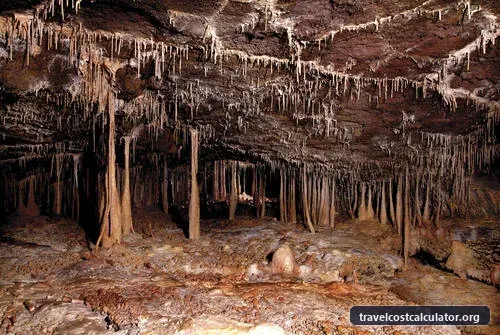
Jeju Volcanic Island and Lava Tubes together comprise three sites that make up 18,846 ha. It includes Geomunoreum, regarded as the finest lava tube system of caves anywhere, with its multicoloured carbonate roo...
Jeju Volcanic Island and Lava Tubes
🏛️ Overview & Historical Significance
Inscribed as South Korea's first UNESCO Natural World Heritage site in 2007, Jeju Volcanic Island and Lava Tubes represents one of the most pristine basaltic continental margin shield volcanoes on Earth. Spanning over 18,840 hectares—nearly 10 percent of Jeju Island Travel Budget’s total landmass—this designated property is a masterclass in volcanic geomorphology, atmospheric beauty, and unique ecosystem evolution.
The UNESCO designation encompasses three distinct geographical property zones, each contributing to the site's Universal Outstanding Value:
-
✦
Mount Hallasan Natural Reserve: Rising 1,947 meters above sea level, Mt. Hallasan is South Korea's highest peak. This dormant shield volcano features dramatic rock formations, steep basaltic cliffs, alpine flora, and Baengnokdam—a breathtaking crater lake sitting atop the summit.
-
✦
Geomunoreum Lava Tube System: Formed by basaltic lava eruptions between 100,000 and 300,000 years ago, this is widely recognized by speleologists as one of the finest lava tube systems in the world. While many tubes are strictly sealed to protect fragile internal ecosystems, public-accessible caves like Manjanggul Lava Tube exhibit multi-colored carbonate stalactites, stalagmites, and massive lava columns created by secondary mineral deposits.
-
✦
Seongsan Ilchulbong Tuff Cone: Emerging dramatically from the ocean on Jeju’s eastern coast, this hydrovolcanic tuff cone resembles a gigantic ancient fortress. Formed by undersea eruptions around 50,000 years ago, its bowl-shaped crater ringed by 99 sharp rock spires offers a world-renowned vantage point for sunrise.
Beyond its geological prestige, Jeju holds a UNESCO "Triple Crown" designation—holding status as a Biosphere Reserve, Global Geopark, and Natural World Heritage site. For eco-tourists and outdoor enthusiasts visiting in 2026, exploring these landforms offers an unparalleled journey into the geological furnace that forged the Korean peninsula’s favorite island getaway.
🎟️ Entrance Fees, Opening Hours & Ticket Booking Tips (2026 Pricing)
Because the UNESCO site is Split Travel Budget across different locations on Jeju Island, entrance fees, opening hours, and reservation rules are managed individually by each site authority. Below are the updated 2026 estimated fees and admission details.
1. Mount Hallasan National Park
-
✦
Entrance Fee: Free admission.
-
✦
Parking Fees: ₩1,800 KRW (~$1.35 USD) for compact cars; ₩3,000 KRW (~$2.25 USD) for standard passenger vehicles.
-
✦
Opening Hours: Trailhead gates open at 05:30 (May–August) and 06:00 (rest of the year). Seasonal cutoff times apply at intermediate checkpoints (e.g., Jindallaebat Shelter at 12:00 or 12:30).
-
✦
Mandatory Booking Tip: To hike to the summit of Mt. Hallasan via the Seongpanak or Gwanumsa trails, you must reserve a spot in advance through the official Jeju Special Self-Governing Province Hallasan Visitor Reservation System. Slots open at 09:00 AM on the first business day of the preceding month and fill up rapidly during peak spring and autumn seasons.
2. Seongsan Ilchulbong (Sunrise Peak)
-
✦
Entrance Fee: Adults (ages 25–64): ₩5,000 KRW (~$3.75 USD); Youth (ages 13–24) & Children: ₩2,500 KRW (~$1.90 USD). The lower coastal walking path is free to enter.
-
✦
Opening Hours: 07:00 – 19:00 (Spring/Summer); 07:30 – 18:00 (Autumn/Winter). Ticket booth closes 1 hour before sunset. Closed on the first Monday of every month.
-
✦
Booking Tip: No advance online booking is required for individual travelers; tickets are bought directly at the automated kiosks or ticket windows. Arrive before 07:30 AM to buy your ticket and beat tour bus lines.
3. Geomunoreum & Manjanggul Lava Tube
-
✦
Geomunoreum Trek Fee: Adults: ₩2,000 KRW (~$1.50 USD); Youth/Children: ₩1,000 KRW (~$0.75 USD).
-
✦
Geomunoreum Reservations: Strict daily capacity limits apply (maximum 450 visitors per day). Advance reservation is mandatory via the Jeju World Natural Heritage Center portal at least 2 days to 1 month prior to your visit. Closed every Tuesday.
-
✦
Manjanggul Cave Entry Fee: Adults: ₩4,000 KRW (~$3.00 USD); Youth/Children: ₩2,000 KRW (~$1.50 USD).
-
✦
Manjanggul Hours: 09:00 – 18:00 (Last admission at 17:10). Closed on the first Wednesday of every month for ecological rest. Note: Always double-check local safety maintenance schedules prior to departure as internal lava tube preservation work can cause temporary partial section closures.
🚌 How to Get There & Local Transit Costs
Jeju Island does not have a train network, so visitors rely on public buses, rental cars, or taxis arriving from Jeju International Airport (CJU) or Jeju City Bus Terminal.
Option 1: Rental Car (Strongly Recommended)
Renting a car is by far the most convenient way to move between spread-out UNESCO sites. Major Korean vehicle rental companies operates right out of CJU Airport via shuttle buses.
-
✦
Daily Rental Cost (2026): ₩45,000 – ₩85,000 KRW (~$34 – $64 USD) per day for a compact to mid-size sedan, including collision damage waiver (CDW) insurance.
-
✦
Fuel Cost: Approx. ₩1,680 – ₩1,750 KRW per liter (~$4.80 USD per gallon).
-
✦
Requirements: Drivers must present a valid International Driving Permit (IDP) alongside their home country's driver's license and passport.
Option 2: Express & Intercity Public Buses
Jeju features a well-organized color-coded bus network. Cashless payments are standard; tap on and off using a T-Money or Cashbee transit card (available at airport convenience stores).
-
✦
To Seongsan Ilchulbong: From Jeju International Airport or Jeju Bus Terminal, take Express Bus #101 (Red line) to the Seongsan Transfer Bus Stop (approx. 70 minutes, ₩3,000 KRW / ~$2.25 USD). From there, it is a 10-minute walk to the entrance.
-
✦
To Mount Hallasan (Seongpanak Trailhead): Take Bus #181 (Express) or Bus #281 (Intercity) from Jeju Central Terminal directly to the Seongpanak entrance (35–45 minutes, ₩1,250 – ₩2,400 KRW / ~$0.95 – $1.80 USD).
-
✦
To Geomunoreum & Manjanggul Cave: Take Bus #260 from Jeju City to the World Natural Heritage Center / Geomunoreum stop (~45 minutes, ₩1,250 KRW / ~$0.95 USD). For Manjanggul, take Express Bus #101 to Gimnyeong-ri, then transfer to local feeder Bus #711-1 or #711-2.
Option 3: Taxis & Private Day Charters
-
✦
Metered Taxis: Base fare is ₩4,300 KRW (~$3.20 USD). A taxi ride from Jeju City to Seongsan Ilchulbong costs roughly ₩40,000 – ₩50,000 KRW (~$30 – $38 USD) one way.
-
✦
Private Taxi Charter: Renting a private taxi driver for a full 8-hour UNESCO route tour typically costs between ₩150,000 and ₩200,000 KRW (~$115 – $150 USD) including fuel and parking.
📸 Best Photography Spots & Insider Visit Hacks
Prime Photography Angles
-
✦
Gwangchigi Beach (Seongsan View): Located just south of Seongsan Ilchulbong, this black sand and green moss coast offers the ultimate shot of the tuff cone rising out of the water at low tide during sunrise.
-
✦
The Great Stone Column in Manjanggul: Near the open end of the public cavern route sits a 7.6-meter-tall lava column—the largest known of its kind in the world. Use a tripod or stable low-light handheld setting to capture its illuminated textures.
-
✦
Baengnokdam (Hallasan Crater Rim): Position yourself at the top summit wooden deck during crisp morning hours to capture the turquoise crater lake framed by drifting alpine clouds.
-
✦
Canola Fields along Nusan-ri: If visiting in spring (late March to April), capture the contrast of vibrant yellow canola fields set against the volcanic backdrop of Seongsan Ilchulbong.
Insider Hacks to Avoid Crowds & Gear Up
-
✦
Beat the Seongsan Rush: Arrive by 06:15 AM. You can hike up to the summit rim as dawn breaks, catching the first sun rays over the East Sea long before large tour buses arrive around 09:00 AM.
-
✦
Prepare for Manjanggul Cave Temperatures: The interior of the lava tube maintains a cool constant temperature between 11°C and 15°C (52°F–59°F) year-round with dripping water overhead. Wear a light windbreaker or jacket, and wear sturdy waterproof shoes—the basalt floor is uneven, wet, and slippery.
-
✦
Strict Summit Cut-Offs on Hallasan: Park Rangers strictly enforce timing gates. If you do not cross the intermediate shelter checkpoint (e.g., Jindallaebat on the Seongpanak route) by the seasonal cutoff time (12:00 or 12:30 PM), you will be turned back and denied summit access. Start your climb no later than 07:00 AM.
🏨 Nearby Accommodation & Daily Budget Allocation
To maximize your itinerary, stay 1–2 nights on the east side of the island near Seongsan/Gujwa for easy access to the lava tubes and sunrise peak, and 1–2 nights in Jeju City or Seogwipo for Mt. Hallasan base camps.
Accommodation Recommendations
-
✦
Budget ($25 – $50 USD / night): Playce Camp Jeju (Seongsan) – A trendy micro-hotel offering private pod-style rooms catering to solo travelers, hikers, and young adventurers, located minutes from Seongsan Ilchulbong.
-
✦
Mid-Range ($70 – $130 USD / night): Co-op City Hotel Seongsan or Amber Hotel Central (Jeju City) – Comfortable, modern hotel rooms with ocean views or convenient transit connections to Hallasan trailheads.
-
✦
Luxury ($250 – $500+ USD / night): The Shilla Jeju or Grand Hyatt Jeju – High-end resorts boasting infinity pools, fine dining featuring local black pork and seafood, and full-service concierge support for arranging UNESCO charters.
Estimated Daily Travel Budgets (Per Person, 2026 Rates)
Below is a breakdown of realistic daily spending allocations based on your travel style:
-
✦
Backpacker / Low Budget: ~₩65,000 KRW ($48 USD) per day
- Accommodation: Dorm bed or budget micro-room (₩30,000 KRW / $22 USD)
-
✦
Food: Convenience stores, local gimbap shops, and simple noodle dishes (₩22,000 KRW / $16.50 USD)
-
✦
Transport: T-Money public bus rides (₩6,000 KRW / $4.50 USD)
-
✦
Sightseeing: Nominal entrance fees (₩7,000 KRW / $5.00 USD)
- Accommodation: Split cost of mid-range 3-star hotel (₩55,000 KRW / $41 USD per person share)
- Accommodation: 5-Star Luxury Resort (₩350,000 KRW / $260 USD per person share)
Frequently Asked Questions
Essential visitor FAQs for Jeju Volcanic Island and Lava Tubes
What is the entrance fee for Jeju Volcanic Island and Lava Tubes?
How much time do you need to explore Jeju Volcanic Island and Lava Tubes?
How do I get to Jeju Volcanic Island and Lava Tubes from the nearest city?
📊 Heritage Quick Specs
Visiting South Korea on a Budget?
Calculate your full daily travel budget for South Korea — including hotel costs, local transport, food, and sightseeing expenses.
View South Korea Daily Travel Costs →Explore more UNESCO World Heritage Sites
🏛️ All 1,200+ Heritage Sites →