
 Japan
Iwami Ginzan Silver Mine and its Cultural Landscape
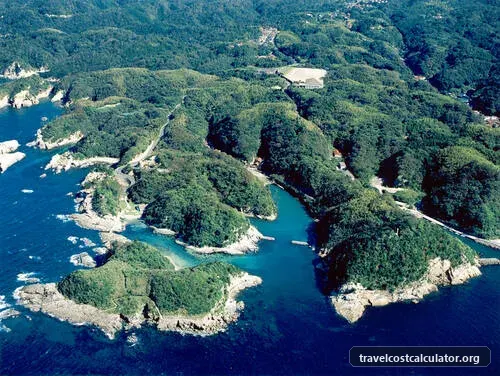
The Iwami Ginzan Silver Mine in the south-west of Honshu Island is a cluster of mountains, rising to 600 m and interspersed by deep river valleys featuring the archaeological remains of large-scale mines, smelt...
Iwami Ginzan Silver Mine and its Cultural Landscape
🏛️ Overview & Historical Significance
Nestled in the lush, secluded mountains of Shimane Prefecture on Western Honshu, the Iwami Ginzan Silver Mine and its Cultural Landscape stands as one of Japan's most extraordinary yet under-visited UNESCO World Heritage sites. Inscribed in 2007, this vast complex encompasses far more than subterranean tunnels; it preserves an entire 16th- to 20th-century industrial ecosystem including mine shafts, administrative towns, mountain fortresses, transport routes, and historic port settlements.
At its peak during the late 16th and early 17th centuries, Iwami Ginzan was a powerhouse of global commerce. It is estimated that at the height of its production, this single mining complex produced roughly one-third of the world’s silver. This silver fueled the Asian and European trade networks, heavily influencing global financial systems, minting coins for the Tokugawa Shogunate, and trading directly with East Asian and European merchants via Chinese and Dutch trade posts.
Why UNESCO Inscribed Iwami Ginzan in 2007
UNESCO awarded Iwami Ginzan World Heritage status based on three distinct, compelling criteria that set it apart from Western mining heritage sites:
-
✦
Sustained Environmental Harmony: Unlike European silver mines of the era that devastated surrounding forests for smelting fuel, mine managers at Iwami Ginzan implemented strict timber management and reforestation policies. Today, the mining ruins are seamlessly reclaimed by thick native forests rather than clear-cut barren land.
-
✦
Technological Innovation (Haifukubuki): The site pioneered the introduction of advanced cupellation refining techniques (Haifukubuki) imported from the Korean Peninsula in 1533, which dramatically increased silver purity and production yields across East Asia.
-
✦
Complete Preserved Infrastructure: The UNESCO designation covers the full supply chain: the subterranean extraction shafts (Mabu), the magistrate town of Omori, defensive mountain castles (Yamabuki Castle), silver transport trails (Ginzan Kaido), and the coastal shipping ports of Yunotsu and Tomogaura.
🎟️ Entrance Fees, Opening Hours & Ticket Booking Tips
Visiting Iwami Ginzan is surprisingly affordable, as the cultural landscape itself is an open, living community. While walking through the historic town of Omori is completely free, small entrance fees apply to specific historic residences, temples, and accessible mine tunnels.
Key Attractions & Estimated 2026 Ticket Pricing
-
✦
Ryugenji Mabu Mine Shaft (Main Tunnel):
- Adults: ¥410 JPY (~$2.65 USD)
-
✦
Children (Elementary/Junior High): ¥210 JPY (~$1.35 USD)
-
✦
Note: Foreign passport holders frequently receive a discounted entry rate of ¥310 JPY (~$2.00 USD) upon presentation of a valid passport at the ticket counter.
- Adults: ¥300 JPY (~$1.95 USD)
- Adults: ¥500 JPY (~$3.20 USD)
- Adults: ¥500 JPY (~$3.20 USD)
Opening Hours & Schedule Constraints
-
✦
Ryugenji Mabu Tunnel: 9:00 AM – 5:00 PM (March 1 to November 30); 9:00 AM – 4:00 PM (December 1 to February 28). Closed December 29 – January 1. Last admission is 15 minutes before closing.
-
✦
World Heritage Center: 8:30 AM – 5:30 PM (Exhibition rooms open 9:00 AM – 5:00 PM). Closed on the last Tuesday of every month and during Year-End holidays.
Insider Booking & Payment Tips
No advance online reservation is required for individual travelers entering Ryugenji Mabu or local museums. However, cash remains king in rural Shimane Prefecture. While the main World Heritage Center accepts major credit cards and IC transit cards (Suica/Pasmo), local ticket booths at individual shafts and small craft shops in Omori Town accept cash only. Ensure you carry at least ¥5,000–¥10,000 JPY in cash per person for the day.
🚌 How to Get There & Local Transit Costs
Because Iwami Ginzan is located in rural Shimane along the Sea of Japan coast, reaching the site requires a combination of express train/bus travel followed by a short local bus connector. The main gateway railway hub is JR Oda-shi Station (大田市駅).
Step-by-Step Routes & Estimated 2026 Fares
Option 1: From Izumo / Matsue (Most Popular Base)
-
✦
Train: Take the JR San-in Main Line Limited Express (Super Oki or Super Matsukaze) from Izumoshi Station to JR Oda-shi Station (approx. 25–30 minutes, ¥1,500 JPY / ~$9.70 USD one-way, fully covered by the Japan Rail Pass).
-
✦
Local Bus: Outside JR Oda-shi Station, board the Iwami Kotsu Bus bound for Omori Daikansho-ato or Iwami Ginzan Sekai Isan Center (approx. 28 minutes, ¥530 JPY / ~$3.40 USD one-way).
Option 2: From Hiroshima Station
-
✦
Express Highway Bus (Iwami Ginzan号): Direct highway buses operate daily between Hiroshima Bus Center/Hiroshima Station and Iwami Ginzan (approx. 2 hours 30 minutes, ¥3,400 JPY / ~$22.00 USD one-way). This is often faster and cheaper than rail transfers.
Getting Around the Mining Area: On-Site Transit
Private vehicle access to the historical zone of Omori is strictly prohibited under local conservation environmental rules ("Park & Ride" policy). Cars must park at the Iwami Ginzan World Heritage Center, where visitors board a shuttle bus to Omori Town.
-
✦
Electric Bicycle Rental (Highly Recommended): Available at Kawamura Cycle near the Omori bus stop. Rates are approximately ¥1,000 JPY (~$6.50 USD) for 2 hours (standard electric bike) or ¥1,500 JPY (~$9.70 USD) for sports e-bikes. Renting an e-bike saves a 45-minute uphill walk to the Ryugenji Mabu shaft.
-
✦
"Guron" Slow-Speed Electric Shuttle Carts: Open-air, slow-moving golf-style carts service the main walking route between Omori town center and the mine entrance. Fare: ¥200 JPY (~$1.30 USD) per section.
📸 Best Photography Spots & Insider Visit Hacks
Top Photography Spots
-
✦
Ryugenji Mabu Mine Tunnel Interior: Capture the rugged, hand-chiseled walls illuminated by dramatic ambient orange lighting, illustrating the sheer manual labor required by Edo-period miners.
-
✦
Omori Townscape (Main Street): Frame the traditional dark-stained wooden machiya storefronts capped with red-brown Sekishu-gawara roof tiles. The stretch near the former Daikansho (Magistrate Office) offers unobstructed views with lush green mountain backdrops.
-
✦
Gohyakurakan (Rakan-ji Temple Caves): Located across from Rakan-ji temple, two rock-cut caves house 500 unique hand-carved stone statues of Buddha's disciples, each displaying distinct facial expressions reflecting grief, joy, and contemplation.
-
✦
Yunotsu Onsen Port at Sunset: Located 15 minutes west by train, this ancient hot-spring port town features retro Taisho-era bathhouses and traditional fishing boats reflecting in the tranquil harbor bay.
Insider Visit Hacks
-
✦
The Morning E-Bike Strategy: Arrive at Omori Town by 9:00 AM. Immediately rent an electric bicycle near the bus terminal and ride straight uphill (2.3 km) to Ryugenji Mabu before tour groups arrive around 10:30 AM. Explore the tunnel, then glide downhill at a leisurely pace back through Omori Town.
-
✦
Best Seasonal Window: Late October to mid-November offers crisp weather and brilliant autumn foliage (momiji) framing the wooden townscapes. Alternatively, early April features blooming cherry trees along the Ginzan River.
-
✦
Combine Mine with Yunotsu Onsen: Do not miss Yunotsu Onsen town, an integral component of the UNESCO site. After exploring the mine, take the train from Oda-shi to Yunotsu Station and soak in the mineral-rich waters of Motoyu or Yakushiyu bathhouse (entry: ~¥500 JPY / $3.20 USD).
🏨 Nearby Accommodation & Daily Budget Allocation
While many travelers visit Iwami Ginzan as a day trip from Izumo or Hiroshima, staying overnight nearby allows you to experience early morning tranquility in Omori or relax in the sulfurous hot springs of Yunotsu Onsen.
Recommended Accommodations
-
✦
Budget Option (Hostels/Minshuku): Yunotsu Guesthouse & Cafe Hibi (Yunotsu Onsen) or local family-run minshukus in Oda City. Dorm beds and basic Japanese-style tatami rooms range from ¥6,000 to ¥9,000 JPY ($39 to $58 USD) per night.
-
✦
Mid-Range / Authentic Heritage Stay: Kiunkan or Takimoto Ryokan (Yunotsu Onsen). Traditional Japanese ryokans offering mineral hot baths and full multi-course kaiseki dinners featuring local Sea of Japan seafood like Nodoguro (Blackthroat Seaperch). Cost: ¥22,000 to ¥38,000 JPY ($140 to $245 USD) per night (double occupancy, including two meals).
-
✦
Boutique Luxury: Restored traditional machiya townhouses directly in Omori Town (such as Takyo Aburi). Cost: ¥45,000+ JPY ($290+ USD) per night.
Daily Budget Allocations (Estimated 2026 Costs Per Person)
Backpacker / Independent Travel Budget: ~$70 USD / ¥10,800 JPY per day
-
✦
Roundtrip train/bus from Izumo: ¥2,560 JPY ($16.50 USD)
-
✦
Site Entrance fees (Tunnel + World Heritage Center): ¥710 JPY ($4.60 USD)
-
✦
E-bike rental (2 hours): ¥1,000 JPY ($6.50 USD)
-
✦
Lunch (Local Izumo Soba / Hand-cut noodles): ¥1,300 JPY ($8.40 USD)
-
✦
Dinner & snacks: ¥2,500 JPY ($16.00 USD)
-
✦
Hostel/Minshuku share: ¥2,730 JPY ($18.00 USD allocation)
Mid-Range Comfortable Travel Budget: ~$230 USD / ¥35,500 JPY per day
-
✦
Roundtrip Express transit / Regional Pass: ¥3,500 JPY ($22.50 USD)
-
✦
All museum/site access tickets: ¥1,700 JPY ($11.00 USD)
-
✦
E-bike rental & electric shuttle: ¥2,000 JPY ($13.00 USD)
-
✦
Café & Artisanal Lunch in Omori (e.g., Cafe B-sket): ¥2,500 JPY ($16.00 USD)
-
✦
Overnight Ryokan with Dinner/Breakfast in Yunotsu: ¥25,800 JPY ($166.50 USD)
Frequently Asked Questions
Essential visitor FAQs for Iwami Ginzan Silver Mine and its Cultural Landscape
What is the entrance fee for Iwami Ginzan Silver Mine and its Cultural Landscape?
How much time do you need to explore Iwami Ginzan Silver Mine and its Cultural Landscape?
How do I get to Iwami Ginzan Silver Mine and its Cultural Landscape from the nearest city?
📊 Heritage Quick Specs
Visiting Japan on a Budget?
Calculate your full daily travel budget for Japan — including hotel costs, local transport, food, and sightseeing expenses.
View Japan Daily Travel Costs →Explore more UNESCO World Heritage Sites
🏛️ All 1,200+ Heritage Sites →