
 Japan
Itsukushima Shinto Shrine
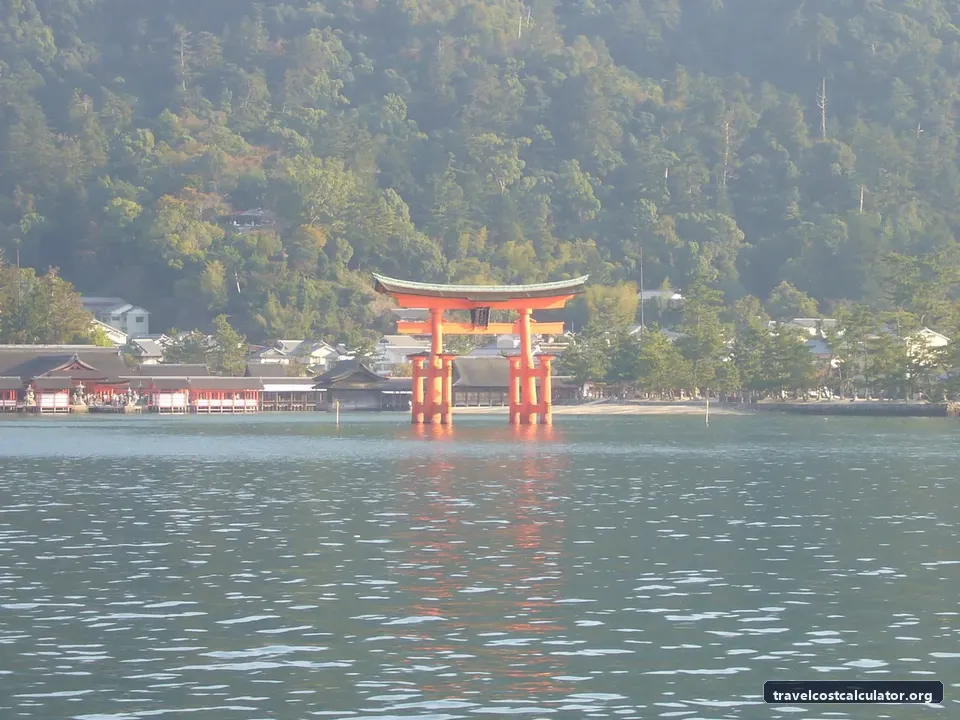
The island of Itsukushima, in the Seto inland sea, has been a holy place of Shintoism since the earliest times.
Itsukushima Shinto Shrine
🏛️ Overview & Historical Significance
Rising dramatically out of the calm waters of the Seto Inland Sea, the Itsukushima Shinto Shrine (厳島神社) on Miyajima Island stands as one of Japan’s most iconic spiritual landmarks. Designated as a UNESCO World Heritage site in 1996, the shrine complex is world-renowned for its visionary architectural integration with natural tides, seamlessly blending human craftsmanship with the surrounding marine environment. Its defining feature—the magnificent grand vermilion gate, or O-Torii—appears to float on the surface of the sea during high tide, creating one of the most photographed vistas in East Asia.
The origins of Itsukushima date back to 593 AD during the reign of Empress Suiko, though the shrine complex achieved its modern structural brilliance in 1168 under the patronage of Taira no Kiyomori, the supreme military commander of the late Heian period. In ancient Shinto tradition, the entire island of Miyajima was revered as a sacred deity (kami). To avoid desecrating the holy land, the shrine was constructed over an intertidal mudflat on stilts, allowing commoners and pilgrims to approach the deity without setting foot on the sacred island soil.
UNESCO awarded Itsukushima World Heritage status based on three main criteria: it represents a supreme masterpiece of human creative genius, displays an outstanding interchange of architectural developments, and perfectly illustrates Shinto concepts of natural worship. Following an extensive multi-year restoration of the massive 16-meter-tall camphor wood O-Torii gate (completed recently), visitors in 2026 can view the vibrant vermilion structures in pristine condition.
🎟️ Entrance Fees, Opening Hours & Ticket Booking Tips
Visiting Itsukushima Shinto Shrine is remarkably affordable compared to major Western heritage sites. Ticket purchasing is streamlined, but travelers must account for local Hidden Travel Expenses Guide updated for 2026 logistics.
2026 Admission Prices & Visitor Taxes
-
✦
Shrine Main Hall Admission: ¥300 JPY (approx. $2.00 USD) for adults; ¥200 JPY ($1.35 USD) for high school students; ¥100 JPY ($0.70 USD) for elementary/junior high students.
-
✦
Treasure Hall (Homotsukan) Ticket: ¥300 JPY (approx. $2.00 USD).
-
✦
Combination Ticket (Shrine + Treasure Hall): ¥500 JPY (approx. $3.35 USD).
-
✦
Miyajima Visitor Tourist Tax: ¥100 JPY (approx. $0.70 USD) per visitor. Note: This municipal visitor tax is automatically added to your ferry ticket price or collected at ticket kiosks when purchasing passage to the island.
Opening Hours & Schedule
The shrine operates year-round with seasonal closing hours:
-
✦
Opening Time: 6:30 AM every day (ideal for early morning photography with zero crowds).
-
✦
Closing Time: 5:30 PM (Jan 1 – Feb 28 & Oct 15 – Nov 30); 6:00 PM (Mar 1 – Oct 14); 5:00 PM (Dec 1 – Dec 31).
Booking & Practical Money Tips
Advance online ticket reservations are not required for individual entry to the main shrine buildings; tickets can be bought directly at the entrance gate (Higashioshiro). Payment is accepted via cash (Japanese Yen) as well as major IC transportation cards (Suica, Pasmo, Icoca). If you plan to take a nighttime illuminated boat tour around the O-Torii, advance online booking via local harbor operators is recommended during peak autumn and spring seasons.
🚌 How to Get There & Local Transit Costs
Itsukushima Shrine is located on Miyajima Island in Hiroshima Prefecture. Getting to the island from central Hiroshima is straightforward and efficient via Japan’s rail and ferry system.
Step-by-Step Route from Hiroshima Station
-
✦
Train from Hiroshima Station to Miyajimaguchi Pier: Take the JR Sanyo Line bound for Iwakuni or Miyajimaguchi. The ride takes approximately 28 minutes and costs ¥420 JPY ($2.80 USD). (Fully covered by the JR Pass).
Alternative: Take the Hiroshima Electric Railway (Hiroden Streetcar Line 2) from central Hiroshima to Miyajimaguchi. It takes around 50–55 minutes and costs ¥270 JPY ($1.80 USD). -
✦
Ferry Crossing from Miyajimaguchi to Miyajima Island: Walk 3 minutes from Miyajimaguchi Station to the ferry terminals. Two operators run frequent 10-minute ferry crossings (every 10–15 minutes):
- JR West Miyajima Ferry: Recommended for daylight views because its routes pass closer to the O-Torii gate. Cost is ¥200 JPY + ¥100 Visitor Tax = ¥300 JPY ($2.00 USD) one-way. (Ferry fare covered by JR Pass, though the ¥100 local tax may be billed separately).
-
✦
Matsudai Ferry: Operates on identical pricing and schedules.
-
✦
Direct Scenic River Ferry (Alternative): Aqua-Net operates direct high-speed boats from the Hiroshima Peace Memorial Park directly to Miyajima Pier. Takes 45 minutes; costs ¥2,200 JPY ($14.60 USD) one-way or ¥4,000 JPY ($26.50 USD) round trip.
-
✦
Walk to the Shrine: From the Miyajima Ferry Terminal, enjoy a scenic 10- to 15-minute walking path along the shoreline (past friendly wild deer) straight to the shrine's entrance.
📸 Best Photography Spots & Insider Visit Hacks
To capture world-class photographs of Itsukushima Shinto Shrine, you must plan your visit around the marine tides. The shrine offers two completely distinct visual experiences depending on the ocean levels.
The Two Tide Experiences
-
✦
High Tide (Water Level > 250 cm): The iconic "floating shrine" photo. The sea waters submerge the wooden piles below the corridors, making the entire complex look adrift on the ocean. High tide is optimal for classic postcard shots from the shrine’s elevated boardwalk (Hirabutai) and the West Gallery.
-
✦
Low Tide (Water Level < 100 cm): The sea recedes completely, allowing visitors to step off the wooden walkways and trek directly across the damp seabed to stand under the massive wooden legs of the 16-meter-tall O-Torii Gate. Look closely at the wooden pillars to spot coin offerings pressed into the bark by worshippers.
Top 4 Photography Locations
-
✦
The Hirabutai Deck (Shrine Center Platform): Standing right in front of the main shrine hall facing directly toward the O-Torii gate framing the open sea.
-
✦
Nishi-kairi (West Corridor Boardwalk): Captures the curving red lacquered pillars leading the eye toward the floating gate at high tide.
-
✦
Kiyomori Shrine Beach Shoreline: Located just west of the shrine along the sandy bank; excellent for golden hour and sunset compositions with the gate silhouetted against the sky.
-
✦
Five-Story Pagoda (Gojutono-to) Viewpoint: Position yourself near Senjokaku Hall on the hill above to frame the pagoda towering over the vermilion roofs of Itsukushima Shrine.
Insider Visit Hacks for 2026
-
✦
Check Tide Tables Daily: Always consult the Miyajima Tourist Association Tide Timetable online before setting your itinerary. Ideally, spend a full day or overnight on the island to witness both high and low tides.
-
✦
Arrive at 6:30 AM: The main shrine corridors fill rapidly with group tours by 9:30 AM. Arriving when the gates open at 6:30 AM offers quiet reflection, crisp morning light, and empty wooden corridors.
-
✦
Beware of Wild Sika Deer: The free-roaming deer are considered divine messengers in Shinto belief. While habituated to humans, do not feed them, and guard paper items, maps, and tickets closely—they will attempt to eat paper right out of your pockets!
-
✦
Night Light-Up: The O-Torii and shrine boardwalks are illuminated every evening from sunset until 11:00 PM. While the shrine inner halls are closed at night, walking along the beach shore provides an ethereal, crowd-free atmosphere.
🏨 Nearby Accommodation & Daily Budget Allocation
Whether you choose to stay in affordable Hiroshima City hotels and make a day trip, or treat yourself to a traditional Japanese ryokan on Miyajima Island, budgeting correctly ensures a stress-free trip.
Recommended Places to Stay
-
✦
Budget ($30 – $60 USD / night): Stay in central Hiroshima near Hiroshima Station (e.g., K's House Hiroshima Hostel or Nest Hotel Hiroshima). Take the 30-minute train ride to Miyajima for early morning entry.
-
✦
Mid-Range ($100 – $190 USD / night): Hotels near Miyajimaguchi Pier on the mainland side (e.g., Miyajima Coral Hotel) or standard western-style hotels in Miyajima town (e.g., Miyajima Hotel Makoto).
-
✦
Luxury / Traditional Ryokan ($350 – $750+ USD / night): Historic Japanese inns on the island such as Iwaso Ryokan or Kurayado Iroha. Includes multi-course traditional Kaiseki dining featuring fresh Seto Inland Sea seafood and private Japanese hot spring (onsen) access.
Sample Estimated Daily Travel Budget (Per Person, 2026)
Below is an estimated single-day breakdown for a full-day excursion from Hiroshima to Miyajima Island:
-
✦
Round-Trip Transport (JR Train + Ferry + Tourist Tax): ¥1,140 JPY (~$7.60 USD)
-
✦
Shrine & Treasure Hall Entry: ¥500 JPY (~$3.35 USD)
-
✦
Local Street Food & Lunch: ¥2,200 JPY (~$14.60 USD)
Must-try regional delicacies: Freshly grilled local oysters (¥600/2pcs), Momiji Manju maple leaf pastries (¥200/pc), and Hiroshima-style Okonomiyaki savory pancakes (¥1,200). -
✦
Mount Misen Ropeway Ticket (Optional Add-on): ¥2,000 JPY (~$13.30 USD) round-trip cable car ride to Miyajima’s highest peak.
-
✦
Mid-Range Dinner back in Hiroshima / Island: ¥3,000 JPY (~$20.00 USD)
-
✦
Total Daily Spending (Excluding Lodging): ~$58.85 USD (approx. ¥8,840 JPY)
Frequently Asked Questions
Essential visitor FAQs for Itsukushima Shinto Shrine
What is the entrance fee for Itsukushima Shinto Shrine?
How much time do you need to explore Itsukushima Shinto Shrine?
How do I get to Itsukushima Shinto Shrine from the nearest city?
📊 Heritage Quick Specs
Visiting Japan on a Budget?
Calculate your full daily travel budget for Japan — including hotel costs, local transport, food, and sightseeing expenses.
View Japan Daily Travel Costs →Explore more UNESCO World Heritage Sites
🏛️ All 1,200+ Heritage Sites →