
 Argentina
Ischigualasto / Talampaya Natural Parks
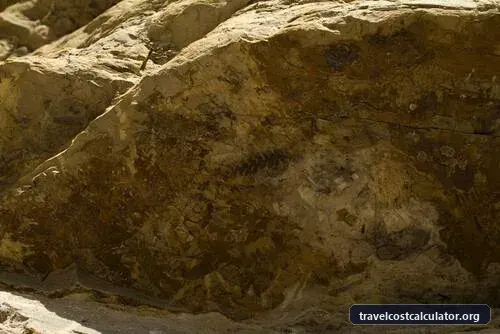
These two contiguous parks, extending over 275,300 ha in the desert region on the western border of the Sierra Pampeanas of central Argentina, contain the most complete continental fossil record known from the Triassic Period (245-208 million years ago).
Ischigualasto / Talampaya Natural Parks
🏛️ Overview & Historical Significance
Inscribed as a UNESCO World Heritage site in 2000, the contiguous natural parks of Ischigualasto (San Juan Province) and Talampaya (La Rioja Province) represent one of the most complete and extraordinary continental fossil records on Earth. Spanning over 275,000 hectares across the arid Monte desert of western Argentina, this desert landscape contains a complete sequence of terrestrial sediments from the entire Triassic Period (245 to 208 million years ago).
While dinosaurs capture the public imagination, the true scientific marvel of Ischigualasto and Talampaya lies in their ability to tell the origin story of modern vertebrate life. It was during the Triassic that early mammals evolved alongside the earliest ancestors of dinosaurs and crocodilians. Excavations here have yielded pivotal palaeontological discoveries, including Eoraptor lunensis—one of the primitive, two-legged dinosaurs ever discovered—as well as ancient plant fossils, early cynodonts, and massive rhynchosaurs.
Geologically, the parks offer a surreal visual contrast. Ischigualasto, popularly known as Valle de la Luna (Valley of the Moon), features ash-gray clay, light sandstone, and bizarre, wind-sculpted rock structures resembling mushrooms, bowling balls, and chess pieces. Just across the provincial border, Talampaya National Park drops into dramatic canyon country, dominated by sheer, 150-meter-tall vertical cliffs of crimson sandstone carved by water and wind over tens of millions of years. Together, they form an open-air museum of deep time that attracts paleontologists, photographers, and adventurous travelers from around the globe.
🎟️ Entrance Fees, Opening Hours & Ticket Booking Tips
Visiting both parks requires navigating two distinct administrative jurisdictions: Ischigualasto is a Provincial Park managed by San Juan, while Talampaya is a National Park managed by Argentina's APN (Administración de Parques Nacionales) alongside private tour concessionaires. Estimated costs for 2026 reflect adjusted foreign tourist tariffs (in USD equivalents and local Argentine Pesos, ARS).
1. Ischigualasto Provincial Park (Valle de la Luna)
-
✦
Foreign Visitor Entrance Fee (2026 Estimate): ~$25,000 ARS (~$20 USD) per person.
-
✦
Full Moon Night Tour: ~$35,000 ARS (~$28 USD). Must be booked 2–3 days in advance surrounding the full moon calendar.
-
✦
Trekking / Mountain Bike Circuit Fee: ~$30,000 ARS (~$24 USD) including local specialized guide.
-
✦
Opening Hours: Daily from 8:00 AM to 5:00 PM (Summer: Oct–Mar) / 8:30 AM to 4:30 PM (Winter: Apr–Sep). Caravans depart every 45–60 minutes.
2. Talampaya National Park
-
✦
National Park Entry Fee (Foreigners 2026): ~$28,000 ARS (~$22 USD). Pay at the main visitor center.
-
✦
Mandatory Internal Excursions (Concessionaire): Vehicles are not allowed inside Talampaya's canyon on your own. You must book an internal excursion operated by the park’s official concessionaire (Runacay):
- Circuit 1: Classic Canyon (Circuito 1 - Cañón de Talampaya, 2.5 hrs): ~$65,000 ARS (~$52 USD) via overland minibus.
-
✦
Circuit 2: Canyon + Cajón del Arco Iris (4 hrs by 4x4 overland truck): ~$95,000 ARS (~$76 USD).
-
✦
Guided Mountain Bike / Trekking Circuit: ~$55,000 ARS (~$44 USD).
Pro Booking Tips for 2026:
Payment Mechanics: While major visitor hubs accept international credit cards (Visa/Mastercard processed at the foreign tourist MEP rate), internet connectivity in this remote desert corner can be spotty. Always carry backup physical cash in ARS or USD for park entries and local snacks.
Advance Reservations: For Talampaya’s popular 4x4 excursions and Ischigualasto’s famous Full Moon Tour, advance reservations through the official provincial tourism portals or local operators in Villa Unión are essential, especially during peak seasons (Easter Week/Semana Santa and the July winter holidays).
🚌 How to Get There & Local Transit Costs
The parks sit isolated in the Cuyo region, requiring planning to reach. The two main regional air and bus hubs are La Rioja City (IRJ) and San Juan City (UAQ). The closest gateway base towns offering lodging and tour departures are Villa Unión (La Rioja, 60 km from Talampaya) and San Agustín del Valle Fértil (San Juan, 45 km from Ischigualasto).
Option A: Rental Car (Strongly Recommended)
Renting a vehicle provides maximum flexibility to explore both parks over two days along the well-paved National Route 150 and Route 76.
-
✦
Starting Points: San Juan City Airport (330 km / 4-hour drive) or La Rioja Airport (210 km / 2.5-hour drive).
-
✦
Estimated Car Rental Cost (2026): $55 – $85 USD per day for a standard compact sedan; $90 – $140 USD per day for an SUV or pickup.
-
✦
Fuel Budget: Gasoline costs roughly $1.15 – $1.30 USD per liter. Ensure your tank is full before leaving major towns like Patquía, Villa Unión, or Valle Fértil, as desert fuel stops can occasionally run dry.
Option B: Public Bus + Local Excursions
For solo travelers or budget backpackers using public transportation:
-
✦
San Juan to Valle Fértil: Long-distance buses (e.g., Vallecito) run daily from San Juan Terminal to San Agustín del Valle Fértil (~4 hours, ~$12 – $16 USD one-way). From Valle Fértil, local agencies run shared tour vans to Ischigualasto for ~$25 – $35 USD per seat.
-
✦
La Rioja to Villa Unión: Regular long-distance buses run daily (~3.5 hours, ~$10 – $14 USD). From Villa Unión’s terminal, daily shuttle vans run to the Talampaya Visitor Center for ~$18 – $25 USD round-trip.
Option C: Organized Day Tours from Major Cities
If you prefer not to drive or change hotels, full-day guided excursion packages depart directly from San Juan City or La Rioja City. These long 12-to-14-hour round-trip tours cost between $90 and $150 USD per person, including transport and a guide, but excluding park entrance fees.
📸 Best Photography Spots & Insider Visit Hacks
Top Photography Locations
-
✦
El Hongo (The Mushroom - Ischigualasto): The signature landmark of Valle de la Luna. Capture it during late afternoon golden hour when the orange light illuminates the cap against the red cliff backdrop of the Morado high wall.
-
✦
Cancha de Bochas (Ischigualasto): A natural plain scattered with perfectly spherical stone balls formed through accretion. Frame your shot low to the ground to emphasize their geometry.
-
✦
El Murallón & Echo Spot (Talampaya): The towering 150-meter red cliff face inside the canyon. Frame wide-angle shots showing the sheer vertical scale against the deep blue desert sky.
-
✦
La Catedral & El Monje (Talampaya): Gothic spire-like sandstone towers carved by erosion. The morning sun casts long, dramatic shadows that highlight the rock texture.
Insider Visit Hacks for 2026
1. Master the Ischigualasto Car Convoy: The standard tour of Ischigualasto requires driving your own vehicle behind an official park ranger’s lead car in a convoy across a 40 km dirt circuit. If you arrive by public bus, you must purchase a seat in a local agency's van or "hitch" a paid ride with other travelers at the visitor center desk.
2. Beat the Desert Heat & Wind: Temperatures in summer (December to February) easily top 40°C (104°F) with high UV radiation, while winter nights can drop below freezing (0°C / 32°F). The optimal weather windows are Autumn (April to June) and Spring (September to November), featuring pleasant daytime highs of 22°C–26°C (71°F–79°F).
3. Experience the Full Moon Walk: Book your trip around the lunar calendar. Ischigualasto offers a 2-hour night walk under the full moon without headlamps. The white clay turns luminescent under the moonlight, creating a memorable night landscape experience.
4. Fly Drones Responsibly: Drone flying is strictly prohibited inside Talampaya National Park to protect nesting condors and falcons. In Ischigualasto Provincial Park, drone use requires prior written authorization and permit payment at the administration office.
🏨 Nearby Accommodation & Daily Budget Allocation
Because the parks sit between two provinces, travelers usually choose between staying in Villa Unión (best for quick access to Talampaya) or San Agustín del Valle Fértil (closest to Ischigualasto). Both offer options ranging from simple hostels to comfortable eco-lodges.
Where to Stay
-
✦
San Agustín del Valle Fértil (San Juan):
- Budget: Hostal Campo Valle (Clean dorms/private rooms, ~$18–$30 USD/night).
-
✦
Mid-Range: Finca Olivas del Valle or Hotel Rustico Cerro del Valle (~$60–$95 USD/night).
- Budget: Hostel Campus Villa Unión (~$20–$35 USD/night).
Daily Budget Allocation (2026 Estimates per Person)
To help you budget your expedition to these UNESCO parks, here is a daily breakdown across three travel styles:
-
✦
Backpacker / Shoestring: $45 – $65 USD / day
- Hostel dorm bed or budget cabaña: $18 – $25
-
✦
Public bus transit & shared shuttle Split Travel Budget: $12 – $18
-
✦
Groceries, street empanadas & simple diner meals: $10 – $15
-
✦
Park entry fees (averaged over 2 days): $15
- 3-star hotel or private posada (double occupancy split): $40 – $65
- Boutique wine lodge or premier cabaña: $110 – $180
Frequently Asked Questions
Essential visitor FAQs for Ischigualasto / Talampaya Natural Parks
What is the entrance fee for Ischigualasto / Talampaya Natural Parks?
How much time do you need to explore Ischigualasto / Talampaya Natural Parks?
How do I get to Ischigualasto / Talampaya Natural Parks from the nearest city?
📊 Heritage Quick Specs
Visiting Argentina on a Budget?
Calculate your full daily travel budget for Argentina — including hotel costs, local transport, food, and sightseeing expenses.
View Argentina Daily Travel Costs →Explore more UNESCO World Heritage Sites
🏛️ All 1,200+ Heritage Sites →