
 Argentina
Iguazu National Park
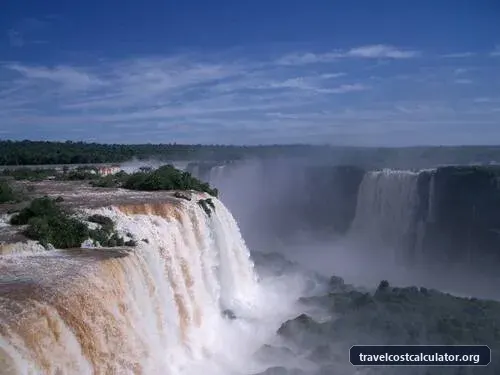
The semicircular waterfall at the heart of this site is some 80 m high and 2,700 m in diameter and is situated on a basaltic line spanning the border between Argentina and Brazil.
Iguazu National Park
1. 🏛️ Overview & Historical Significance
Straddling the border between northeastern Argentina and southern Brazil, Iguazu National Park (Parque Nacional Iguazú) houses one of the most awe-inspiring natural wonders on Earth. Inscribed as a UNESCO World Heritage site in 1984 (with the Brazilian counterpart added in 1986), the park preserves a spectacular semi-deciduous subtropical rainforest surrounding 275 individual waterfalls that cascade over a 2.7-kilometer (1.7-mile) volcanic basalt amphitheater.
UNESCO recognized Iguazu for both its exceptional natural beauty and its globally significant biological diversity. Nestled within the critical Paranaense Rainforest (part of the broader Atlantic Forest biome), the park acts as a vital sanctuary for hundreds of endemic and endangered species. Visitors wandering its mist-shrouded boardwalks share the forest with jaguar, south american tapir, giant anteater, ocelot, white-throated toucan, and thousands of vivid butterfly species.
The name Iguazú originates from the Indigenous Indigenous Guaraní words "I" (water) and "Guazú" (great). According to ancient Guaraní legend, a ferocious serpent deity named Boi demanded an annual sacrifice of a beautiful young maiden named Naipú. When Naipú fled down the river in a canoe with her mortal lover Tarobá, the enraged god sliced open the bed of the river, condemning the lovers to an eternal fall—Tarobá transformed into the trees lining the gorge and Naipú into the rushing waters spilling into the abyss, reunited forever only by the rainbows arched over the spray.
Geologically, the falls are the result of a massive volcanic eruption roughly 132 million years ago. Today, the Argentine side contains roughly 80% of the waterfall system, offering intimate, immersive catwalks that lead visitors directly over, under, and beside roaring torrents of water—culminating in the legendary Garganta del Diablo (Devil’s Throat), where half of the river’s volume plunges over 80 meters (262 feet) into a thunderous chasm.
2. 🎟️ Entrance Fees, Opening Hours & Ticket Booking Tips
Navigating park admission on the Argentine side requires an understanding of current pricing models, local currency dynamics, and reservation strategies. For 2026, the National Parks Administration (APN) maintains tier-based pricing for international visitors, regional Mercosur residents, and Argentine nationals.
2026 Estimated Ticket Prices
-
✦
International Adult General Admission: ~48,000 ARS (approx. $40.00 – $45.00 USD / €38 – €42).
-
✦
International Children (Ages 6–16): ~20,000 ARS (approx. $16.00 – $18.00 USD).
-
✦
Children under 6 & Visitors with Disabilities: Free entry.
-
✦
Second-Day Consecutive Pass Discount: 50% off the original ticket price.
Park Opening Hours
The park is open 365 days a year from 8:00 AM to 6:00 PM. Ticket sales and initial park entry close at 4:30 PM. The final Tren Ecológico de la Selva (Ecological Jungle Train) departing back from Garganta del Diablo station leaves around 5:10 PM.
Insider Booking & Payment Tips
-
✦
Book Online in Advance: Reserve official digital tickets directly through the official APN portal (
iguazuargentina.com). Purchasing online guarantees your entry time slot, allows you to skip the lengthy morning box-office queue, and saves valuable daylight hours. -
✦
Unlock the 50% Second-Day Discount: Iguazu’s Argentine side is massive. If you want a second day to explore the Macuco Trail or take a nautical excursion, you must validate your physical or digital ticket at the exit turnstiles at the end of Day 1. This validates your half-price ticket for the very next consecutive day.
-
✦
Accepted Payment Methods: Major international credit/debit cards (Visa, Mastercard) are accepted both online and at the park gate counters. If paying in cash, only Argentine Pesos (ARS) are accepted at the main entrance; foreign currencies like USD or BRL are generally not taken directly at official park ticket booths.
-
✦
Gran Aventura Boat Tour Add-On: The thrilling Gran Aventura speedboat ride—which drives directly into the mist under the San Martín and Tres Mosqueteros falls—costs approximately $80.00 – $90.00 USD per person. Book this at the Iguazú Jungle booth near the park entrance as soon as you arrive, as daily slots sell out quickly during high season.
3. 🚌 How to Get There & Local Transit Costs
The gateway town for the Argentine side of the falls is Puerto Iguazú, situated roughly 18 kilometers (11 miles) northwest of the national park entrance. Traveling into Puerto Iguazú and reaching the park gate is straightforward via several transport modes.
Getting to Puerto Iguazú
-
✦
By Air: Fly into Cataratas del Iguazú International Airport (IGR). Direct 1-hour-50-minute domestic flights from Buenos Aires Travel Budget (AEP or EZE) operate daily on Aerolíneas Argentinas, Flybondi, and JetSMART. Roundtrip flights range between $70.00 and $180.00 USD depending on seasonal demand.
-
✦
From Brazil (Foz do Iguaçu): If crossing from the Brazilian side or arriving at IGU airport, private transfers or cross-border buses ("Crucero del Norte" or "Rio Uruguay") cross the Tancredo Neves International Bridge. Expect customs control checks at the border, adding 30–60 minutes to transit time.
Local Transit Costs to the Park Entrance
-
✦
Public Shuttle Bus (Río Uruguay): The most economical option. Direct public buses run every 20 minutes from the Terminal de Ómnibus de Puerto Iguazú in the town center straight to the park gate.
- Cost: Approx. 4,500 ARS (~$4.00 USD return ticket).
-
✦
Transit Time: 30 to 35 minutes.
- Cost: Approx. $18.00 – $25.00 USD one-way, or $35.00 – $45.00 USD for a roundtrip private hire.
Internal Transit: The Ecological Jungle Train
Once inside the park entrance, transit on the Tren Ecológico de la Selva is entirely free (included with your admission ticket). This natural-gas-powered, open-air train runs every 15–20 minutes and connects three primary stations:
-
✦
Estación Central: Located near the main visitor center and gift shops.
-
✦
Estación Cataratas: The access hub for the Upper Circuit (Circuito Superior) and Lower Circuit (Circuito Inferior).
-
✦
Estación Garganta: The terminal station leading to the 1.1 km boardwalk across the upper river to Devil’s Throat.
4. 📸 Best Photography Spots & Insider Visit Hacks
Prime Photography Locations
-
✦
Garganta del Diablo Viewing Platform: Stand right over the precipice where millions of gallons of water drop into the dark void.
- Photography Tip: Mid-morning provides brilliant front-lighting on the plume of mist, while late afternoon offers dramatic high-contrast atmospheric backlighting. Use high shutter speeds (1/1000s or faster) to freeze droplet spray, or bring ND filters for silky long exposures.
- Photography Tip: Frame your shot from the lower deck looking upwards to convey the overwhelming vertical scale of the falls. Rainbows frequently arch across the base between 10:00 AM and 1:00 PM.
- Photography Tip: Capture sweeping panoramic landscapes using a wide-angle lens (16–24mm equivalent) to showcase the layered tiers of jungle foliage and cascades stretching into Brazil.
Insider Visit Hacks for Beat-The-Crowd Exploration
-
✦
Execute the "Reverse Strategy": Standard tour groups arrive around 9:30 AM and crowd the Upper and Lower Circuits first. To beat them, arrive at the park gates by 7:45 AM. As soon as gates open at 8:00 AM, walk straight to Estación Central or take the very first train directly to Estación Garganta. You will enjoy Devil’s Throat with tiny crowds and pristine morning light before the mass groups arrive at 10:30 AM.
-
✦
Guard Your Snacks from Coatis: South American Coatis (ring-tailed relatives of raccoons) inhabit the park in high numbers. They are surprisingly smart and bold; they will unzip backpacks and grab food directly out of open hands. Keep food completely hidden inside sealed bags, avoid eating near benches, and never attempt to pet them—their teeth and claws are sharp.
-
✦
Pack Electronics Protection: The mist generated by the falls—especially at Devil's Throat and on the Lower Circuit—is equivalent to standing in a torrential rainstorm. Bring a dry bag for camera equipment, waterproof phone sleeves, micro-fiber cleaning cloths, and a lightweight, packable rain poncho.
-
✦
Hike the Sendero Macuco: If you seek peaceful solitude amidst untouched jungle, walk the 7-kilometer (4.3-mile) roundtrip Sendero Macuco trail. This dirt track leads through prime forest to the secluded Salto Arrechea waterfall, where you can swim in a natural freshwater pool far away from mainstream tourist crowds.
-
✦
Optimal Seasons to Visit:
- March to May (Autumn) & September to November (Spring): Ideal shoulder seasons. Temperatures hover comfortably between 20°C and 28°C (68°F–82°F) with moderate humidity and manageable crowd numbers.
-
✦
December to February (Summer): Maximum waterfall flow, but extremely hot and humid (often exceeding 35°C / 95°F) with heavy tropical downpours and peak domestic holiday crowds.
5. 🏨 Nearby Accommodation & Daily Budget Allocation
Puerto Iguazú offers accommodations ranging from forest eco-lodges and luxury riverfront resorts to welcoming hostel dorms. Staying in Puerto Iguazú allows you to sample fresh regional cuisine, such as freshwater Surubí or Pacú fish, traditional Argentine asado, and handcrafted empanadas.
Recommended Accommodations
-
✦
Luxury Tier — Inside the Park: Gran Meliá Iguazú. The only hotel situated inside Iguazu National Park on the Argentine side. Rooms and infinity pools offer direct, unobstructed views of the waterfalls across the canopy.
Price Range: $450.00 – $850.00+ USD per night. -
✦
Mid-Range Tier — Iryapú Jungle Zone: Loi Suites Iguazú Hotel or O2 Hotel Iguazú. Built beneath the high canopy of the Iryapú Jungle, offering tranquil forest settings, top-tier amenities, and pool decks just 15 minutes from the park entrance.
Price Range: $110.00 – $220.00 USD per night. -
✦
Budget / Hostels — Puerto Iguazú Town: Tangoinn Club Hostel or Secret Garden Iguazu. Social, clean lodging option in the town center close to the main bus station, restaurants, and night markets.
Price Range: $18.00 – $35.00 USD per night for dorm beds/private budget rooms.
Daily Budget Allocation Breakdown (2026 Estimates)
Planning your overall travel expenditure depends heavily on travel style. Below is a breakdown of projected daily travel expenses per person when visiting Iguazu National Park:
1. Backpacker / Budget Traveler: ~$50 – $70 USD / day
-
✦
Hostel dorm bed: $20.00 USD
-
✦
Public shuttle bus transport: $4.00 USD
-
✦
Empanadas, street food, and supermarket supplies: $12.00 USD
-
✦
Park entrance fee (averaged over 2-day pass): $25.00 USD
2. Mid-Range Traveler: ~$150 – $250 USD / day
-
✦
3 or 4-star boutique hotel (shared double occupancy): $75.00 USD
-
✦
Private remis / taxi transfers: $15.00 USD
-
✦
Sit-down meals at restaurants (e.g., La Rueda 1975 or Aqva): $35.00 USD
-
✦
Park ticket + Gran Aventura Boat Excursion: $105.00 USD
3. Luxury Traveler: ~$600 – $1,100+ USD / day
-
✦
5-star resort (Gran Meliá inside the park): $500.00 – $800.00 USD
-
✦
Private chauffeur and airport transfers: $60.00 USD
-
✦
Fine dining culinary experiences with Argentine wine pairings: $80.00 USD
-
✦
Private guided park tours & boat excursions: $150.00 USD
Frequently Asked Questions
Essential visitor FAQs for Iguazu National Park
What is the entrance fee for Iguazu National Park in 2026?
How much time do you need to explore Iguazu National Park?
How do I get to Iguazu National Park from the nearest city?
📊 Heritage Quick Specs
Visiting Argentina on a Budget?
Calculate your full daily travel budget for Argentina — including hotel costs, local transport, food, and sightseeing expenses.
View Argentina Daily Travel Costs →Explore more UNESCO World Heritage Sites
🏛️ All 1,200+ Heritage Sites →