
 China
China
Hubei Shennongjia
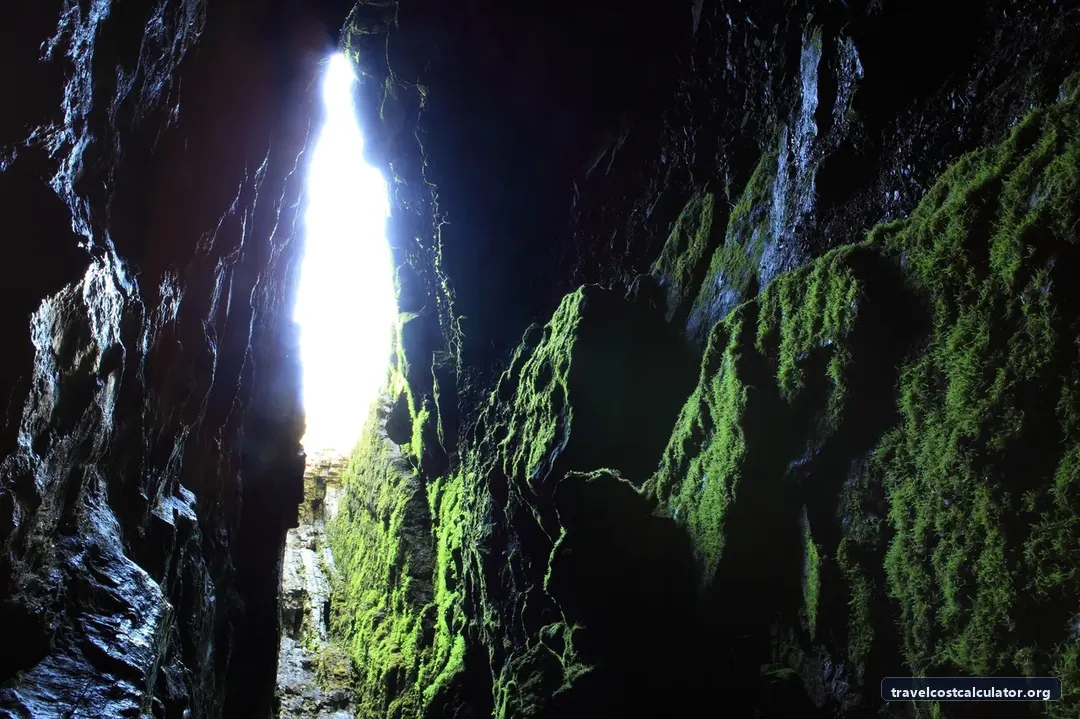
Located in Hubei Province, in central-eastern China, the site consists of two components: Shennongding/Badong to the west and Laojunshan to the east.
Hubei Shennongjia
🏛️ Overview & Historical Significance
Nestled in the remote, mist-shrouded mountains of western Hubei Province, Hubei Shennongjia is one of China’s most ecologically significant and mythically rich natural sanctuaries. In 2016, UNESCO inscribed Shennongjia as a World Heritage Site, recognizing it as an extraordinary epicenter of global biodiversity. Spanning over 73,000 hectares of primary forests, high-altitude wetlands, and dramatic karst peaks, Shennongjia represents the largest remaining intact primary forest reserve in Central China, acting as a crucial transitional zone between China’s northern temperate and southern subtropical botanical belts.
The historical and cultural heritage of Shennongjia is deeply entwined with ancient Chinese lore. Legend holds that Shennong (the "Divine Farmer"), one of China's mythological Yan Emperors, visited these dense wildernesses to search for medicinal herbs. To scale the sheer cliffs, he built massive timber scaffolds—giving the region its name, Shennongjia ("Shennong’s Ladder"). Beyond ancient mythology, the region holds global renown for cryptozoology as the home of the legendary Yeren (the Chinese "Wild Man" or Yeti), drawing wilderness explorers and researchers for decades.
Ecologically, Shennongjia is a living sanctuary. It harbours over 3,000 species of higher plants and hundreds of rare, endangered animal species. Most notably, it serves as the ultimate stronghold for the endearingly fluffy, golden-furred Sichuan Golden Snub-nosed Monkey (Rhinopithecus roxellanae), alongside Clouded Leopards, Asian Black Bears, and the Chinese Giant Salamander. The site’s immense elevation gradients—ranging from below 400 meters to 3,106 meters at Shennong Ding (the "Roof of Central China")—create microclimates that preserved relict species through ancient glacial epochs.
🎟️ Entrance Fees, Opening Hours & Ticket Booking Tips
Navigating park tickets in 2026 requires understanding Shennongjia's vast geographical layout. The reserve is divided into six major sub-scenic zones spread across distinct valleys and peaks. Visitors can purchase individual entry passes or a discounted combined pass.
2026 Ticket Pricing Breakdown
-
✦
All-Inclusive 6-in-1 Joint Ticket (Recommended): ¥299 CNY (approx. $41.50 USD / €38.50). Valid for 5 consecutive days, covering Shennong Ding, Dajiuhu Wetland, Guanmenshan, Tianshengqiao, Shennong Altar, and Xiangxi Yuan. (Off-peak rate from Nov 16 – April 15 is ¥269 CNY / $37.50 USD).
-
✦
Mandatory Eco-Shuttle Bus Passes:
- Dajiuhu Wetland Shuttle & Electric Train: ¥60 CNY (~$8.30 USD).
-
✦
Shennong Ding Sightseeing Bus Pass: ¥90 CNY (~$12.50 USD) (Required if you do not hire a private certified vehicle).
- Shennong Ding: ¥130 CNY (~$18.00 USD)
Opening Hours & Logistics
Operating hours adjust seasonally across all primary gates:
-
✦
Peak Season (April 16 – November 15): 07:00 – 17:30
-
✦
Off-Peak Season (November 16 – April 15): 08:00 – 17:00
Insider Ticket Booking Hacks
Under China's modernized tourism booking systems, foreign visitors must present a valid original passport at entrance turnstiles. Advance reservations via WeChat official mini-programs (search "Shennongjia Tourism" / 神农架旅游) or international platforms like Trip.com are highly recommended during national holidays (Golden Week in May/October). Buying the 5-day joint ticket saves over ¥120 CNY compared to individual single-entry passes and offers total schedule flexibility.
🚌 How to Get There & Local Transit Costs
Thanks to expanded infrastructure, reaching this once-impenetrable mountain domain is faster than ever.
Step 1: Reaching the Regional Hubs
The primary transit hubs for entering Shennongjia are Yichang, Wuhan, and Shiyan.
-
✦
Via High-Speed Rail (HSR) - Best Option: Take the Zhengzhou–Chongqing High-Speed Railway to Shennongjia Railway Station (located near Songbai) or Xingshan Railway Station (closer to Muyu Town).
- From Wuhan (Hankou Station): ~2 to 2.5 hours to Shennongjia/Xingshan Station (¥140–¥210 CNY / $19.50–$29.00 USD).
-
✦
From Chongqing: ~2.5 to 3 hours to Shennongjia Station (¥180–¥260 CNY / $25.00–$36.00 USD).
Step 2: Local Station Transfer to Tourist Base (Muyu Town)
Muyu Town (木鱼镇) is the primary southern hub for lodging, dining, and scenic tour departures.
-
✦
Station Shuttle Bus: From Xingshan Station or Shennongjia Station, express tourist shuttle buses run directly to Muyu Town every 30 minutes. Ticket cost: ¥25–¥40 CNY ($3.50–$5.50 USD); journey time: 45 to 75 minutes.
-
✦
Taxi / Ride-Hailing: A direct cab or Didi ride from Xingshan Station to Muyu Town costs roughly ¥120–¥160 CNY ($16.50–$22.00 USD).
Step 3: Navigating Within the Reserve
Because scenic spots are separated by dozens of kilometers of winding mountain roads, standard city public transit does not exist inside the reserve.
-
✦
Official Tourist Buses: Running loops between Muyu Town and key attractions like Shennong Ding and Dajiuhu. Day passes cost ¥90–¥150 CNY ($12.50–$20.80 USD).
-
✦
Car Rental & Driver Hire: Renting a private car with a local driver in Muyu Town for park exploration costs around ¥450–¥700 CNY ($62–$97 USD) per day—an ideal investment for photographers traveling in groups.
📸 Best Photography Spots & Insider Visit Hacks
Top Photography Locations
-
✦
Dajiuhu High-Altitude Wetland (Lake #4 & Lake #5): Renowned for ethereal morning reflection shots. Between 06:00 and 08:00 AM, thick mountain mist floats over crystal-clear alpine lakes framed by dramatic yellow larch trees in autumn.
-
✦
Shennong Ding Peak & Banbayan: The top spot for panoramic landscape photography. Capture rolling clouds over razor-sharp karst limestone formations.
-
✦
Dalongtan Golden Monkey Research Base: Located inside the reserve, this designated sanctuary offers rare, close-up wildlife photography opportunities of the endangered Golden Snub-nosed Monkeys playing in ancient forest canopies.
-
✦
Tianshengqiao (Natural Bridge Park): Perfect for long-exposure water photography featuring cascading waterfalls, mossy limestone arches, and traditional Tujia craft shops.
Insider Hacks to Avoid Crowds & Optimize Your Trip
-
✦
Seasonal Timing: Autumn (late September to late October) is spectacular, offering vibrant foliage, but draws huge domestic crowds. Late Spring (May to June) features blooming alpine rhododendrons, pleasant weather, and shorter lines.
-
✦
Split Travel Budget Your Lodging: To save 2+ hours of winding mountainous driving each day, spend 2 nights in Muyu Town (for southern sites like Shennong Ding, Tianshengqiao, and Guanmenshan) and 1 night in Pingqian Town / Dajiuhu Village (for early-morning access to the Dajiuhu mist).
-
✦
Pack Dynamic Layers: Elevation changes cause dramatic temperature swings. Peak temperatures at Shennong Ding can drop 10–15°C (18–27°F) below temperatures in Muyu Town. Rain gear and sturdy hiking boots are essential year-round.
🏨 Nearby Accommodation & Daily Budget Allocation
Accommodation in Shennongjia ranges from cozy mountain guesthouses run by local Tujia families to upscale luxury wellness resorts.
Recommended Accommodation Bases
-
✦
Muyu Town (Southern Hub): Offers the widest array of restaurants, convenience stores, and hotels. Best for general sightseeing.
-
✦
Pingqian Ancient Town / Dajiuhu (Western Hub): Located right outside the Dajiuhu Wetland gate. Ideal for landscape photographers planning sunrise shoots.
Tiered Accommodation Costs (2026 Rates)
-
✦
Budget Hostels & Alpine Homestays: ¥120 – ¥220 CNY ($16.50 – $30.50 USD) per night. Clean rooms, private bath, wifi, and local hospitality.
-
✦
Mid-Range Hotels & Boutique B&Bs: ¥350 – ¥600 CNY ($48.00 – $83.00 USD) per night. Enhanced amenities, central heating, mountain views, and Western-friendly services.
-
✦
Luxury & Wellness Resorts: ¥850 – ¥1,800 CNY ($118.00 – $250.00 USD) per night. Options like Crowne Plaza Shennongjia offer luxury spas, heated indoor pools, and English-speaking concierge service.
Food & Dining Costs
Sampling regional Hubei mountain cuisine is a highlight. Don't miss Shennongjia Cured Pork Hotpot (腊肉火锅), stir-fried wild mountain mushrooms, and crispy alpine potatoes.
-
✦
Local Noodle Shops / Quick Meals: ¥15 – ¥30 CNY ($2.00 – $4.15 USD) per dish.
-
✦
Traditional Sit-down Tujia Restaurants: ¥60 – ¥110 CNY ($8.30 – $15.20 USD) per person for a multi-course meal.
Estimated Daily Travel Budgets
-
✦
Backpacker / Budget Traveler: $45 – $65 USD / day (Hostel room, public shuttles, local noodle shops, 5-day joint pass spread out).
-
✦
Mid-Range Traveler (Most Popular): $110 – $170 USD / day (Boutique hotel, shared private car/driver, scenic park buses, hearty local dining).
-
✦
Luxury / Comfort Traveler: $280 – $450+ USD / day (5-star hotel/resort, dedicated private driver & guide, premium dining).
Frequently Asked Questions
Essential visitor FAQs for Hubei Shennongjia
What is the entrance fee for Hubei Shennongjia?
How much time do you need to explore Hubei Shennongjia?
How do I get to Hubei Shennongjia from the nearest city?
📊 Heritage Quick Specs
Visiting China on a Budget?
Calculate your full daily travel budget for China — including hotel costs, local transport, food, and sightseeing expenses.
View China Daily Travel Costs →Explore more UNESCO World Heritage Sites
🏛️ All 1,200+ Heritage Sites →