
 Japan
Historic Monuments of Ancient Nara
Nara was the capital of Japan from 710 to 784. During this period the framework of national government was consolidated and Nara enjoyed great prosperity, emerging as the fountainhead of Japanese culture. The c...
Historic Monuments of Ancient Nara
🏛️ Overview & Historical Significance
The Historic Monuments of Ancient Nara represent the cultural, spiritual, and political crucible of classical Japan. In 710 AD, Empress Gemmei established Heijō-kyō (modern-day Nara) as Japan's first permanent capital, marking the start of the Nara Period (710–784 AD). During this transformative era, Japanese statecraft, urban design, and religious architecture evolved rapidly under the influence of Tang Dynasty China and Silk Road trade networks. In recognition of this unprecedented architectural and spiritual flourish, UNESCO inscribed eight distinct properties in Nara as a World Heritage Site in 1998 under Cultural Criteria (ii), (iii), (iv), and (vi).
Unlike modern metropolis developments, Nara preserved its eighth-century layout, surrounded by sacred hills and primeval timberlands. The World Heritage designation encompasses eight monumental locations that collectively illustrate the synthesis of early Japanese Shinto nature worship and imported Mahayana Buddhism:
-
✦
Tōdai-ji (Eastern Great Temple): Founded by Emperor Shōmu in 738 AD, this massive temple complex was built as the administrative head of all provincial temples across Japan. Its central sanctuary, the Daibutsuden (Great Buddha Hall), remains one of the largest wooden buildings in the world and houses the majestic 15-meter-tall bronze statue of Vairocana Buddha (Daibutsu).
-
✦
Kōfuku-ji: Established in 710 AD as the tutelary temple of the powerful Fujiwara clan. Famous for its iconic five-story pagoda—the second tallest wooden pagoda in Japan—and an extraordinary collection of eighth-century Master sculpture art.
-
✦
Kasuga Taisha (Kasuga Grand Shrine): Nara’s most revered Shinto shrine, established in 768 AD to protect the capital. Famed for its thousands of bronze and stone lanterns donated by worshippers over centuries, framed by vibrant vermilion corridors.
-
✦
Gangō-ji: Originally constructed in Asuka as Hōkō-ji and relocated to Nara in 718 AD. It features original eighth-century roofing tiles that remain intact on its main hall—making them the oldest surviving roof tiles in Japan.
-
✦
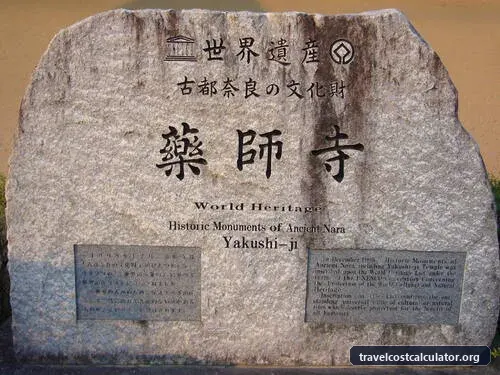
Yakushi-ji: Built by Emperor Tenmu in the late 7th century to pray for his Empress’s recovery from illness, this temple is renowned for its symmetrical layout, the exquisite 8th-century East Pagoda, and masterwork Buddhist bronzes.
-
✦
Tōshōdai-ji: Founded in 759 AD by the blind Chinese monk Ganjin (Jianzhen), who introduced proper Buddhist ordination rites to Japan. It retains supreme examples of classic Eighth-Century East Asian wooden architecture.
-
✦
Heijō Palace Site: The sprawling archaeological site of the original Imperial Palace, featuring reconstructed monuments including the Daigokuden (Great Hall of State) and the Suzaku Gate, offering a vivid window into ancient imperial ceremonies.
-
✦
Kasugayama Primeval Forest: A 250-hectare sacred forest preserved untouched since 841 AD, when hunting and tree-felling were strictly banned to protect the holy dwelling place of the Kasuga deities.
Visiting Ancient Nara in 2026 offers travel connoisseurs a rare living connection to the birth of Japanese art, timber engineering, and religious harmony, where wild sacred deer still roam freely among world-class architectural masterpieces.
🎟️ Entrance Fees, Opening Hours & Ticket Booking Tips
Unlike contained monument parks, the Historic Monuments of Ancient Nara are spread across the city. Nara Park itself, the Heijō Palace grounds, and the trails of Kasugayama Primeval Forest are completely free to access 24/7. However, individual temples, museum halls, and shrine inner sanctums charge separate entry fees. In 2026, entry pricing has seen minor updates to support ongoing preservation efforts and digital queue management.
2026 Standard Admission Prices & Operating Hours
-
✦
Tōdai-ji (Great Buddha Hall):
- Adults / High School: ¥800 (~$5.35 USD)
-
✦
Children (Elementary/Junior High): ¥400 (~$2.70 USD)
-
✦
Combined Ticket (Great Buddha Hall + Tōdai-ji Museum): ¥1,200 (~$8.00 USD)
-
✦
Hours: April–October: 7:30 AM – 5:30 PM | November–March: 8:00 AM – 5:00 PM
- Grounds: Free admission
- Outer Grounds: Free admission
- Standard Admission: ¥1,000 (~$6.70 USD)
- Adults: ¥1,000 (~$6.70 USD) | High School: ¥400 (~$2.70 USD)
- Adults: ¥600 (~$4.00 USD)
- Admission: Free (Special temporary exhibits may carry a nominal ¥300–¥500 fee)
Ticket Booking & Financial Hacks for 2026
Most individual temple tickets can be purchased at on-site ticket windows on the day of your visit. Cash (Japanese Yen) remains strongly recommended for ticket booths at smaller sites like Gangō-ji and Tōshōdai-ji, though major gates (Tōdai-ji and Kōfuku-ji) now accept contactless IC cards (Suica, ICOCA), credit cards, and mobile payments. Advance online tickets are generally not required for standard day entry, but booking early via official local portals is recommended if you plan to visit during peak night illumination events in mid-August (Nara Tokae Lantern Festival) or late autumn night viewings.
🚌 How to Get There & Local Transit Costs
Nara is located in the Kansai region of western Japan, ideally situated between Osaka and Kyoto Travel Budget. It is easily reachable by train, making it one of the premier day-trip or weekend destinations in East Asia.
1. Direct Routes from Kyoto
-
✦
Kintetsu Railway (Recommended): Board the Kintetsu Limited Express from Kyoto Station to Kintetsu-Nara Station. Transit time is approximately 35 minutes and costs ¥1,280 (~$8.50 USD) including the seat reservation fee. Alternatively, take the standard Kintetsu Express for ¥760 (~$5.00 USD), which takes around 45 minutes without required seat reservations.
-
✦
JR West Miyakoji Rapid: Board from Kyoto Station to JR Nara Station. Journey time is 45 minutes, costing ¥720 (~$4.80 USD). This line is 100% covered by the Japan Rail Pass and JR Kansai Area Passes.
2. Direct Routes from Osaka
-
✦
From Namba (Kintetsu Line): Take the Kintetsu Rapid Express from Osaka-Namba Station directly to Kintetsu-Nara Station. Journey time is 38–40 minutes, costing ¥680 (~$4.50 USD).
-
✦
From Osaka/Umeda (JR Line): Take the JR Yamatoji Rapid Service from Osaka Station directly to JR Nara Station. Journey time is 50 minutes, costing ¥820 (~$5.45 USD).
Station Location Tip: Kintetsu-Nara vs. JR Nara
Crucial Logistics Note: Kintetsu-Nara Station is located significantly closer to the World Heritage attractions than JR Nara Station. Kintetsu-Nara is just a 5-minute walk from Kōfuku-ji and Nara Park, whereas JR Nara Station requires a 15 to 20-minute walk (or a short 5-minute bus ride) to reach the park perimeter.
Local Nara Transit & Passes in 2026
Once in Nara, the primary cluster of sites (Tōdai-ji, Kōfuku-ji, Kasuga Taisha) can easily be explored on foot. For outlying sites like Yakushi-ji, Tōshōdai-ji, or the Heijō Palace Site, utilize the Nara Kotsu Bus network:
-
✦
Single Bus Ride: Flat fare of ¥220 (~$1.45 USD) within the central Nara zone. Tap your ICOCA/Suica card upon boarding and exiting.
-
✦
Nara Kotsu 1-Day Bus Pass (1-Day Pass Wide): Costs ¥600 (~$4.00 USD) for the central area, or ¥1,000 (~$6.70 USD) for the coverage zone including Yakushi-ji and Tōshōdai-ji. Available for purchase at the Kintetsu-Nara and JR Nara bus terminal customer centers.
-
✦
Kintetsu Rail Pass (1-Day or 2-Day): Available to foreign tourists for ¥1,800–¥3,000 ($12–$20 USD), offering unlimited train travel between Osaka, Kyoto, and Nara, plus unlimited local Nara Kotsu buses.
📸 Best Photography Spots & Insider Visit Hacks
Prime Photo Locations
-
✦
Tōdai-ji Daibutsuden Mirror Pond (Kagami-ike): Frame the massive wooden facade of the Great Buddha Hall reflecting across the mirror-like pond. Capture this shot early in the morning when the water surface is dead calm.
-
✦
Kasuga Taisha Lantern Corridors: The vermilion corridors draped with bronze oil lanterns offer striking geometric depth. For soft, golden lighting on the wooden architectural textures, shoot in the late afternoon.
-
✦
Ukimidō Pavilion (Sagiike Pond): A tranquil hexagonal wooden pavilion floating over a reflective pond within Nara Park. Surrounded by cherry blossoms in spring and blazing maples in autumn, it offers a dramatic composition away from the main temple crowds.
-
✦
Mt. Wakakusa Slope (Wakakusayama): Hike up the grassy hillsides behind Nara Park for sweeping panoramic shots of the entire Nara Basin, with temple pagodas rising above the tree canopy against sunset skies.
Crowd-Dodging & Timing Strategy
Nara receives millions of visitors annually. To experience the tranquil, spiritual ambience of these sacred monuments, follow this itinerary framework:
-
✦
The 7:30 AM Advantage: Tōdai-ji opens its doors at 7:30 AM (8:00 AM in winter). Arriving at 7:30 AM allows you to walk through the Nandaimon Gate and stand before the Great Buddha in near-total silence before tour groups arrive around 9:30 AM.
-
✦
Best Seasons: Mid-to-late April (post-cherry blossom greenery with mild weather) and mid-to-late November (vibrant autumn foliage). June features lush moss gardens at Tōshōdai-ji during the rainy season.
-
✦
Off-Peak Weekdays: Plan your visit for Tuesday through Thursday to avoid weekend domestic travel rushes from Kyoto and Osaka.
Nara Deer Etiquette & Feeding Guidelines
Over 1,300 free-roaming Sika deer inhabit Nara Park. In Shinto tradition, they are considered divine messengers of Kasuga Taisha. While charming, they remain wild animals:
-
✦
Shika-senbei (Deer Crackers): Purchase official, sugar-free rice bran crackers from registered street vendors for ¥200 (~$1.35 USD) per pack. Proceeds support local deer protection programs. Do not feed deer human food, plastics, or paper.
-
✦
Bowing Tradition: Bowing your head gently to a stag often prompts them to bow back before receiving a cracker.
-
✦
Safety Notice: Stags can grow assertive during autumn rutting season (September–November), and mother deer can be protective in calving season (May–June). Keep bags zipped, hold passports and paper maps securely out of reach, and avoid teasing the animals with food.
🏨 Nearby Accommodation & Daily Budget Allocation
While many travelers visit Nara as a day-trip from Kyoto or Osaka, staying overnight reveals the magic of the ancient capital after dusk when the tour crowds vanish and temple bells echo across dark forest paths.
Recommended Accommodations (2026 Pricing)
-
✦
Budget / Hostels:
- Oak Hostel Nara / Guesthouse Naramachi: Modern, spotless dormitory beds and private compact rooms within walking distance of Kintetsu-Nara. Dorm beds cost ¥3,800 – ¥5,500 (~$25 – $36 USD) per night.
- Hotel Nikko Nara / Miroku Nara by Share Hotels: Elegant, contemporary rooms offering localized Japanese design touches directly adjacent to key transport hubs. Rates average ¥15,000 – ¥26,000 (~$100 – $173 USD) per night.
- Shisui, a Luxury Collection Hotel, Nara / Tsukihitei Ryokan: Nestled inside Kasugayama Forest or steps from Nara Park, offering private hot spring baths, exquisite Kaiseki dining, and luxury hospitality. Nightly rates range from ¥60,000 – ¥130,000+ (~$400 – $865+ USD).
Daily Travel Budget Allocations (Estimated 2026 Costs)
To help you budget your visit effectively, here are estimated daily spending requirements per person (excluding long-haul international flights):
1. Backpacker / Low-Cost Tier
-
✦
Accommodation: Hostel dorm bed = ¥4,200 (~$28 USD)
-
✦
Food: Convenience store breakfast, casual ramen/udon lunch, street snack dinner = ¥3,000 (~$20 USD)
-
✦
Transport: Kintetsu local trains & local bus pass = ¥1,360 (~$9 USD)
-
✦
Sightseeing: Tōdai-ji + Kasuga Taisha inner entry = ¥1,300 (~$8.65 USD)
-
✦
Total Estimated Daily Cost: ¥9,860 (~$65.65 USD)
2. Flashpacker / Mid-Range Tier
-
✦
Accommodation: 3-Star Hotel or modern boutique stay (twin/double share) = ¥10,000 (~$66.60 USD)
-
✦
Food: Sit-down lunch (Kaki-no-ha persimmon sushi set), izakaya dinner with regional sake = ¥6,500 (~$43.30 USD)
-
✦
Transport: Kintetsu Express rail + day bus pass = ¥2,100 (~$14.00 USD)
-
✦
Sightseeing: Combined tickets for 4 major UNESCO sites + deer crackers = ¥3,200 (~$21.30 USD)
-
✦
Total Estimated Daily Cost: ¥21,800 (~$145.20 USD)
3. Luxury Tier
-
✦
Accommodation: Premier Ryokan / 5-Star Hotel with multi-course dinner & breakfast = ¥65,000 (~$433.30 USD)
-
✦
Food: Gourmet lunch featuring traditional Chagayu (tea porridge) & high-end dining = ¥12,000 (~$80.00 USD)
-
✦
Transport: Private taxi transfers around Nara sites = ¥8,000 (~$53.30 USD)
-
✦
Sightseeing: Private guided tour fees + full admission to all 8 sites = ¥15,000 (~$100.00 USD)
-
✦
Total Estimated Daily Cost: ¥100,000+ (~$666.60+ USD)
Frequently Asked Questions
Essential visitor FAQs for Historic Monuments of Ancient Nara
What is the entrance fee for Historic Monuments of Ancient Nara?
How much time do you need to explore Historic Monuments of Ancient Nara?
How do I get to Historic Monuments of Ancient Nara from the nearest city?
📊 Heritage Quick Specs
Visiting Japan on a Budget?
Calculate your full daily travel budget for Japan — including hotel costs, local transport, food, and sightseeing expenses.
View Japan Daily Travel Costs →Explore more UNESCO World Heritage Sites
🏛️ All 1,200+ Heritage Sites →