
 Japan
Japan
Historic Monuments of Ancient Kyoto (Kyoto, Uji and Otsu Cities)
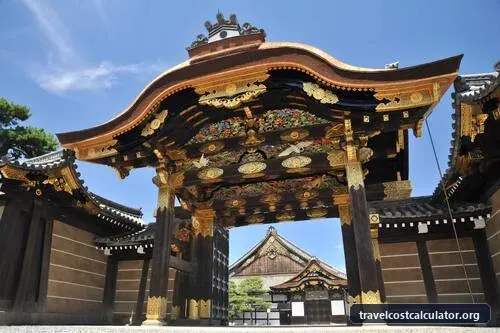
Built in A.D. 794 on the model of the capitals of ancient China, Kyoto was the imperial capital of Japan from its foundation until the middle of the 19th century. As the centre of Japanese culture for more than...
Historic Monuments of Ancient Kyoto (Kyoto, Uji and Otsu Cities)
🏛️ Overview & Historical Significance
Inscribed as a UNESCO World Heritage site in 1994, the Historic Monuments of Ancient Kyoto Travel Budget (Kyoto, Uji and Otsu Cities) encompass 17 distinct cultural locations spanning three neighboring cities in Japan's Kansai region. Founded in 794 AD as Heian-kyō ("Capital of Peace and Tranquility"), Kyoto served as the imperial capital of Japan for over a millennium until the seat of power relocated to Tokyo Travel Budget in 1868. This extraordinary ensemble of 13 Buddhist temples, 3 Shinto shrines, and 1 castle represents the apex of Japanese wooden architecture, sacred landscape design, and spiritual refinement.
UNESCO awarded World Heritage status based on two critical criteria: the sites illustrate the development of Japanese secular and religious architecture over ten centuries, and the classic Japanese gardens preserved here have profoundly influenced landscape architecture worldwide. Unlike many major Japanese cities, Kyoto was spared from large-scale aerial bombardment during World War II, leaving its historical urban fabric intact.
The 17 component sites are distributed across three municipal jurisdictions:
-
✦
Kyoto City (15 Sites): Kamigamo Shrine, Shimogamo Shrine, Tō-ji, Kiyomizu-dera, Daigo-ji, Ninna-ji, Saihō-ji (Moss Temple), Tenryū-ji, Kinkaku-ji (Golden Pavilion), Ginkaku-ji (Silver Pavilion), Ryōan-ji, Nishi Hongan-ji, Nijō Castle, Kōzan-ji, and Sanjūsangen-dō (associated historic precinct).
-
✦
Uji City (2 Sites): Byōdō-in Temple (immortalized on the 10-yen coin) and Ujigami Shrine (the oldest surviving Shinto shrine structure in Japan).
-
✦
Otsu City, Shiga Prefecture (1 Site): Enryaku-ji Temple, perched atop Mount Hiei, the historic headquarters of the Tendai sect of Esoteric Buddhism.
Together, these monuments capture the evolutionary arc of Japanese culture, from the aristocratic elegance of the Heian period to the serene Zen aesthetics of the Muromachi period and the military grandeur of the Momoyama era.
🎟️ Entrance Fees, Opening Hours & Ticket Booking Tips
There is no single "all-inclusive" UNESCO pass for Kyoto. Each of the 17 sites operates independently under its own management authority, charging separate admission fees. In 2026, visitors should budget for individual entries and utilize timed digital ticketing systems where required.
Key Ticket Prices & Operating Hours (Estimated 2026 Pricing)
-
✦
Kinkaku-ji (Golden Pavilion):
- Hours: 9:00 AM – 5:00 PM daily.
-
✦
Admission: ¥500 (~$3.30 USD) Adults / ¥300 (~$2.00 USD) Children. Ticket includes an amulet paper charm (Ofuda).
- Hours: 6:00 AM – 6:00 PM daily (extended to 9:30 PM during spring/autumn night illuminations).
- Hours: 8:45 AM – 4:00 PM (Gates close at 5:00 PM). Closed Tuesdays in Jan, Jul, Aug, Dec.
- Hours: 8:30 AM – 5:30 PM (Museum open 9:00 AM – 5:00 PM).
- Hours: Timed entry slots only (10:00 AM & 1:00 PM typical).
- Hours: 8:00 AM – 5:00 PM (March–Nov) / 8:30 AM – 4:30 PM (Dec–Feb).
- Hours: 8:30 AM – 4:30 PM.
2026 Ticket Booking & Smart Planning Tips
To combat overtourism in 2026, Kyoto City and regional temple associations have expanded digital reservation systems. Nijō Castle and Kiyomizu-dera accept fast-track QR code tickets purchased online via authorized platforms to skip long ticket counter lines. For Saihō-ji (Kokedera), walk-ins are strictly impossible; secure reservations the moment booking windows open 60 days ahead. Cash is still required at small temple souvenir shops and incense counters, though major entry gates widely accept ICOCA, Suica, contactless credit cards, and Apple Pay.
🚌 How to Get There & Local Transit Costs
Navigating between Kyoto, Uji, and Otsu is efficient thanks to Japan's integrated railway and transit networks. Kyoto Station acts as the master transportation hub for all 17 World Heritage sites.
Reaching Kyoto Hub
-
✦
From Kansai International Airport (KIX): Take the JR Haruka Limited Express direct to Kyoto Station (75 minutes; ~¥3,100 / $20.50 USD, or covered by JR Pass).
-
✦
From Tokyo Station: Take the Tokaido Shinkansen (Nozomi) to Kyoto Station (2 hours 15 minutes; ~¥14,200 / $94.00 USD).
-
✦
From Osaka (Umeda): Take the JR Special Rapid Train to Kyoto Station (29 minutes; ¥580 / $3.80 USD).
Getting to Key UNESCO Destinations from Kyoto Station
-
✦
To Kinkaku-ji: Board Kyoto City Bus #205 or #50 from Kyoto Station Bus Terminal to Kinkaku-ji-michi (40 minutes, ¥230 / $1.50 USD). Alternative: Subway Karasuma Line to Kita-Oji Station (¥260), then 10-minute taxi (¥1,200).
-
✦
To Kiyomizu-dera: Take Kyoto City Bus #206 or #86 to Gojo-zaka or Kiyomizu-michi (15-20 minutes, ¥230 / $1.50 USD), followed by a 10-minute uphill walk along traditional shop streets.
-
✦
To Uji (Byōdō-in & Ujigami Shrine): Take the JR Nara Line from Kyoto Station to JR Uji Station (20 minutes on Rapid train; ¥240 / $1.60 USD). Byōdō-in is a 10-minute walk from the station.
-
✦
To Mt. Hiei / Enryaku-ji (Otsu City): Take the JR Kosei Line from Kyoto Station to Hieizan-Sakamoto Station (17 minutes; ¥240), walk 10 minutes to Sakamoto Cable Car, and ride the cable car to Mount Hiei summit (¥870 one-way).
2026 Transport Cost Optimization
Kyoto City has phased out single-day bus-only passes to alleviate city bus overcrowding. The primary transit card for travelers in 2026 is the Kyoto Subway & Bus 1-Day Pass (¥1,100 / ~$7.25 USD). It grants unlimited travel on all city subways and city buses, cutting commute times by allowing you to combine underground trains with short bus links. Tap-and-go contactless payment using IC cards (ICOCA, Suica) works seamlessly across all train and bus lines.
📸 Best Photography Spots & Insider Visit Hacks
Prime Photography Hotspots
-
✦
Kinkaku-ji Mirror Pond: Arrive at 8:45 AM for gate opening. Capture the gold-leaf pavilion perfectly mirrored in the Kyōko-chi pond before breezes disturb the water surface.
-
✦
Kiyomizu-dera Main Stage: Photograph from the Okunoin Hall terrace looking back at the massive wooden stage framed by cherry blossoms in spring (late March/early April) or vibrant maples during autumn (mid-November to early December).
-
✦
Byōdō-in Phoenix Hall: Position yourself directly across the central pond on sunny mornings to shoot the symmetrical red-and-gold architecture reflecting off the water.
-
✦
Tenryū-ji Sōgenchi Garden: Frame the sweeping Zen pond with the Arashiyama mountains in the background from inside the main Hōjō hall.
Insider Hacks to Escape Overcrowding
Kyoto experiences heavy tourist volume, but strategic planning unlocks peaceful experiences:
-
✦
The 6:00 AM Kiyomizu-dera Strategy: Kiyomizu-dera opens at 6:00 AM. Visiting between 6:00 AM and 7:30 AM allows you to experience atmospheric solitude with morning mist rising over the Higashiyama hills.
-
✦
Escape to Otsu and Uji: While central Kyoto sites get crowded midday, head out to Enryaku-ji in Otsu City or Byōdō-in in Uji City. Both offer world-class UNESCO heritage with significantly lower visitor density.
-
✦
Seasonal Timing: Peak cherry blossom season occurs between late March and early April; autumn foliage peaks from mid-November to early December. For lower crowds and lower hotel rates, visit during late January, February, or June (rainy season brings lush green moss at Saihō-ji and Ryōan-ji).
-
✦
Cultural Etiquette: Tripods and monopods are strictly prohibited inside almost all temple grounds and gardens. Inside main halls housing sacred statues (e.g., Sanjūsangen-dō, Ninomaru Palace), photography is strictly banned. Always remove shoes when entering wooden temple halls (wear clean, slip-on friendly socks).
🏨 Nearby Accommodation & Daily Budget Allocation
Recommended Neighborhoods for Stay
-
✦
Higashiyama / Gion: Ideal for walking to Kiyomizu-dera, Codai-ji, and historic preservation lanes (Sannenzaka/Ninenzaka). Higher hotel costs.
-
✦
Kyoto Station Area: Best for transportation logistics, direct bus connections, and rapid access to Uji, Otsu, and Kansai Airport.
-
✦
Uji City: A peaceful riverfront alternative offering authentic green tea culture, boutique ryokans, and easy rail links into central Kyoto.
Estimated Daily Budget Tiers for 2026
Costs reflect standard per-person daily expenses including lodging, food, localized transport, and entry tickets across the UNESCO sites.
1. Budget Backpacker (¥8,500 – ¥12,500 / ~$56 – $82 USD per day)
-
✦
Lodging: Hostel dorm bed or capsule hotel near Kyoto Station / Shijo (¥3,500 – ¥5,500).
-
✦
Meals: Convenience stores (7-Eleven, Lawson), cheap ramen shops, and Gyudon chains like Yoshinoya (¥2,500 – ¥3,500).
-
✦
Transport: Kyoto Subway & Bus 1-Day Pass (¥1,100).
-
✦
Sightseeing: 2-3 temple entries per day (¥1,500 – ¥2,000).
2. Mid-Range Traveler (¥24,000 – ¥40,000 / ~$160 – $265 USD per day)
-
✦
Lodging: 3-star boutique hotel or modern business hotel (e.g., Sotetsu Fresa Inn, Hotel Intergate) (¥14,000 – ¥22,000 per room night).
-
✦
Meals: Sit-down tonkatsu, casual izakayas, local matcha desserts in Uji (¥6,000 – ¥10,000).
-
✦
Transport: Mix of trains, subway pass, and occasional short taxi trips (¥2,500).
-
✦
Sightseeing: 3-4 temple entries including special garden accesses (¥2,500 – ¥4,000).
3. Luxury / Traditional Ryokan (¥75,000 – ¥140,000+ / ~$490 – $920+ USD per day)
-
✦
Lodging: Luxury traditional Japanese Ryokan with private onsen (e.g., Hiiragiya, Tawaraya, or Four Seasons Kyoto) (¥55,000 – ¥110,000 per night).
-
✦
Meals: Multi-course Kaiseki dinner (often included in ryokan rate) and high-end multi-course lunch (¥12,000 – ¥25,000).
-
✦
Transport: Private hired cars / taxi services throughout the day (¥8,000 – ¥15,000).
-
✦
Sightseeing: Full daily access including private tea ceremony or Saihō-ji reservations (¥5,000+).
Frequently Asked Questions
Essential visitor FAQs for Historic Monuments of Ancient Kyoto (Kyoto, Uji and Otsu Cities)
What is the entrance fee for Historic Monuments of Ancient Kyoto (Kyoto, Uji and Otsu Cities)?
How much time do you need to explore Historic Monuments of Ancient Kyoto (Kyoto, Uji and Otsu Cities)?
How do I get to Historic Monuments of Ancient Kyoto (Kyoto, Uji and Otsu Cities) from the nearest city?
📊 Heritage Quick Specs
Visiting Japan on a Budget?
Calculate your full daily travel budget for Japan — including hotel costs, local transport, food, and sightseeing expenses.
View Japan Daily Travel Costs →Explore more UNESCO World Heritage Sites
🏛️ All 1,200+ Heritage Sites →