
 China
Historic Ensemble of the Potala Palace, Lhasa
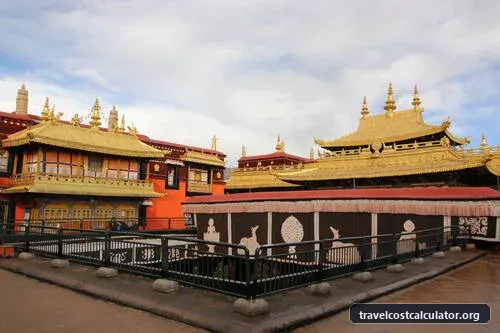
The Potala Palace, winter palace of the Dalai Lama since the 7th century, symbolizes Tibetan Buddhism and its central role in the traditional administration of Tibet.
Historic Ensemble of the Potala Palace, Lhasa
🏛️ Overview & Historical Significance
Dominating the Red Mountain (Marpo Ri) in the heart of the Lhasa Valley at an astounding 3,700 meters (12,100 feet) above sea level, the Historic Ensemble of the Potala Palace is one of human architecture's greatest triumphs. Recognized as a UNESCO World Heritage site in 1994—with major expansions added in 2000 (the Jokhang Temple Monastery) and 2001 (the Norbulingka Summer Palace)—this complex forms the ultimate physical and spiritual epicenter of Tibetan Buddhism.
The origins of the site trace back to the 7th century AD, when King Songtsen Gampo constructed the first wooden fortress on Marpo Ri to celebrate his marriage to Princess Wencheng of the Tang Dynasty. However, the monumental structure standing today was commissioned in 1645 by the 5th Dalai Lama, Lobsang Gyatso. It served as the winter residence and administrative seat of successive Dalai Lamas until 1959.
The UNESCO designation recognizes the ensemble for three distinct monuments that illustrate the evolution of sacred and secular Tibetan architecture over thirteen centuries:
-
✦
The Potala Palace: Divided into the striking Potrang Karpo (White Palace), which housed the Dalai Lama's living quarters and government offices, and the central Potrang Marpo (Red Palace), dedicated entirely to Buddhist study, prayer halls, and the gold-leaf stupas holding the tomb relics of past Dalai Lamas.
-
✦
Jokhang Temple Monastery: Built in 647 AD, Jokhang is considered the absolute spiritual heart of Tibet. It houses the Jowo Rinpoche, a life-sized statue of the 12-year-old Buddha brought from Tang China, making it the primary destination for millions of prostrating pilgrims.
-
✦
Norbulingka: Spanning 36 hectares of lush botanical gardens southwest of Potala, Norbulingka served as the royal summer palace from the 1780s onward, showcasing exceptional Tibetan garden artistry and royal pavilion architecture.
🎟️ Entrance Fees, Opening Hours & Ticket Booking Tips
Visiting the Potala Palace requires careful forward planning due to strict daily visitor quotas implemented by cultural preservation authorities to protect the fragile, multi-story timber structure.
2026 Ticket Pricing & Seasonal Rates
-
✦
Potala Palace Peak Season (May 1 – October 31): 200 CNY (~$28.50 USD / €26.00) per adult.
-
✦
Potala Palace Low Season (November 1 – April 30): 100 CNY (~$14.25 USD / €13.00) per adult. Note: China's seasonal "Winter Tour in Tibet" promotion often offers reduced or free admissions during select mid-winter months, though standard low-season rates apply outside exact promo windows.
-
✦
Jokhang Temple Entry: 85 CNY (~$12.00 USD / €11.00) year-round.
-
✦
Norbulingka Palace Entry: 60 CNY (~$8.50 USD / €7.80) year-round.
-
✦
Chakpori Hill (Yaowang Mountain) Viewing Deck: 2 CNY (~$0.30 USD) for entrance to the iconic observation terrace.
Opening Hours & Access Logistics
-
✦
Potala Palace Hours: Daily from 9:00 AM to 3:40 PM (Security checkpoints open at 8:30 AM). Last entry permitted at 3:00 PM.
-
✦
Jokhang Temple Hours: 8:30 AM to 6:00 PM (Mornings are typically reserved for pilgrims; afternoon entry is ideal for international tourists).
-
✦
Norbulingka Hours: 9:00 AM to 5:00 PM (Monday through Saturday).
Mandatory Booking Rules & Permits for 2026
Independent international travel inside the Tibet Autonomous Region (TAR) is not permitted under Chinese regulations. Every foreign visitor must hold a valid Tibet Travel Permit (TTP) and travel accompanied by a licensed Tibetan tour guide.
-
✦
Real-Name Reservation System: Potala Palace limits visitors to approximately 5,000 per day. Tickets MUST be reserved 7 days in advance. While independent domestic tourists use the official Potala Palace WeChat Mini-Program, international travelers should have their registered Tibetan tour agency process the reservation using their passport details.
-
✦
Strict 1-Hour Interior Limit: Once you cross the internal checkpoint at the entrance of the White Palace, you are granted exactly 60 minutes to complete the interior tour of the upper chambers to prevent overcrowding.
-
✦
Identification Requirement: You must carry your original passport, physical Tibet Travel Permit, and printed ticket reservation slip to clear the three separate security checkpoints.
🚌 How to Get There & Local Transit Costs
Lhasa is well-connected to mainland China via high-speed train networks and direct flights. Once inside Lhasa city, getting to the Potala Palace and surrounding ensemble sites is fast and budget-friendly.
Arriving in Lhasa
-
✦
From Lhasa Gonggar Airport (LXA): Located 60 km south of the city center.
- Airport Shuttle Bus: 30 CNY (~$4.25 USD) per person. Buses depart every 30 minutes from outside the arrivals terminal and terminate at the Civil Aviation Ticket Office, which sits just a 5-minute walk from Potala Square. Journey time: 60 minutes.
-
✦
Taxi / Private Transfer: 150 – 200 CNY (~$21 – $28 USD). Takes around 45–50 minutes via the Lhasa-Gonggar Airport Expressway.
- City Bus: Take Bus No. 1 or Bus No. 14 directly from the station plaza to the "Potala Palace Square" stop for 1 CNY (~$0.14 USD). Journey time: 30 minutes.
Transit Between Historic Ensemble Sites
The three UNESCO components form a compact triangle across central Lhasa:
-
✦
Potala Palace to Jokhang Temple: Located 1.8 km east. A pleasant 20-minute walk through Barkhor Bazaar, or a 10 CNY (~$1.40 USD) metered taxi ride. Public Bus No. 8 or No. 24 costs 1 CNY.
-
✦
Potala Palace to Norbulingka: Located 3 km west. Take Bus No. 2, 14, or 24 for 1 CNY, or take a 5-minute taxi for 12–15 CNY (~$1.70 – $2.10 USD).
-
✦
City Taxis & E-Bikes: Taxis start at 10 CNY for the first 3 km. Shared electric scooters are widely available across the city using local apps (requires Chinese payment setup like Alipay or WeChat Pay).
📸 Best Photography Spots & Insider Visit Hacks
Prime Photography Angles
-
✦
Chakpori Hill (Yaowang Mountain): Situated directly southwest of Potala. Climb the short stone staircase to the observation deck early in the morning to capture the classic image featured on the back of China's 50-Yuan banknote as sunrise hits the gold roofs.
-
✦
Potala Palace Square & Reflective Pool: Located south of the palace across Beijing Travel Budget Middle Road. Visit at twilight when the palace lights up, and position your lens near the central water fountain pool for pristine reflections.
-
✦
Lukhang Park (Dragon King Park): Positioned directly behind (north of) the Potala Palace. The calm lake offers reflections framed by ancient weeping willows and traditional bridges, providing a quieter perspective away from main street crowds.
-
✦
Barkhor Street Rooftops: For photographing Jokhang Temple, book a table at a rooftop cafe along Barkhor Street (such as Makye Ame) to capture pilgrims performing the sacred Kora (circumambulation) below against the backdrop of the prayer flags.
Insider Travel Hacks & Altitude Advice
-
✦
Prioritize Acclimatization: At 3,700 meters, altitude sickness (AMS) is a real risk. Spend your first 24 to 48 hours resting in your hotel, drinking plenty of water, and avoiding alcohol. Do not schedule your Potala Palace climb on Day 1 or Day 2; the tour requires climbing over 400 steep stone steps!
-
✦
Respect Religious Etiquette: Inside the temples, strictly remove hats and sunglasses, dress modestly (shoulders and knees covered), and walk in a clockwise direction around shrines, stupas, and prayer wheels.
-
✦
Strict Photography Ban Inside: Photography and video recording are strictly prohibited inside the interior halls of both the Potala Palace and Jokhang Temple. Security personnel will inspect phones/cameras, and violations can result in heavy fines or confiscation of equipment. Outdoor photography on the terraces is permitted.
-
✦
Portable Oxygen: Small compressed oxygen canisters (20–30 CNY / ~$3–$4 USD) can be purchased at any local pharmacy or street kiosk in Lhasa. Carrying one during the Potala staircase climb is highly recommended for travelers sensitive to high elevation.
🏨 Nearby Accommodation & Daily Budget Allocation
Staying in Lhasa's Chengguan District—specifically near Barkhor Street or the Potala Palace Plaza—offers easy walking access to the historic sights, atmospheric dining, and cultural street life.
Accommodation Recommendations
-
✦
Budget ($20 – $40 USD / 140 – 280 CNY per night):
Phuntsok Kasang Youth Hostel / House of Shambhala (Standard Rooms): Traditional Tibetan decor, communal courtyards, English-speaking staff, and basic oxygen facilities in Tibetan Old Town. -
✦
Mid-Range ($60 – $120 USD / 420 – 850 CNY per night):
Tashitsang Heritage Hotel / Gang-Gyam Tibet Hotel: Beautifully restored Tibetan merchant houses offering modern amenities, floor heating, localized oxygen-enrichment systems in guest rooms, and close proximity to Jokhang Temple. -
✦
Luxury ($220 – $450+ USD / 1,550 – 3,200+ CNY per night):
The St. Regis Lhasa Resort / Shangri-La Hotel Lhasa: World-class luxury featuring panoramic views of the Potala Palace, heated indoor pools, full-service oxygen lounges, high-end spa facilities, and fine dining.
Daily Food & Dining Expenses
-
✦
Local Tibetan Teahouses: 15 – 30 CNY (~$2.00 – $4.25 USD) for a bowl of traditional Tibetan noodle soup (Thukpa), steamed yak meat dumplings (Momos), and a pot of sweet milk tea.
-
✦
Mid-Range Restaurants: 60 – 120 CNY (~$8.50 – $17.00 USD) per person for local dishes like grilled yak steak, tsampa, butter tea, and Sichuan fusion specialties.
-
✦
Bottled Water & Snacks: 15 – 25 CNY (~$2.00 – $3.50 USD) per day.
Estimated Daily Budget Allocations for 2026
Note: The estimates below cover personal daily expenses on the ground in Lhasa (accommodation, food, local transport, entrance tickets). Mandatory tour guide and private driver daily fees required for Tibet permits typically run an additional $80–$150 USD/day total per group, which can be Split Travel Budget among co-travelers.
-
✦
Budget Traveler: $45 – $70 USD (320 – 500 CNY) per day. Uses local buses, eats at neighborhood teahouses, stays in hostel private rooms.
-
✦
Mid-Range Traveler: $130 – $220 USD (920 – 1,550 CNY) per day. Stays in boutique Tibetan heritage hotels, enjoys mid-range restaurants, uses taxis freely.
-
✦
Luxury Traveler: $350 – $650+ USD (2,500 – 4,600+ CNY) per day. Stays in 5-star international resorts, dines at fine restaurants, utilizes private chauffeured luxury vans.
Frequently Asked Questions
Essential visitor FAQs for Historic Ensemble of the Potala Palace, Lhasa
What is the entrance fee for Historic Ensemble of the Potala Palace, Lhasa?
How much time do you need to explore Historic Ensemble of the Potala Palace, Lhasa?
How do I get to Historic Ensemble of the Potala Palace, Lhasa from the nearest city?
📊 Heritage Quick Specs
Visiting China on a Budget?
Calculate your full daily travel budget for China — including hotel costs, local transport, food, and sightseeing expenses.
View China Daily Travel Costs →Explore more UNESCO World Heritage Sites
🏛️ All 1,200+ Heritage Sites →