
 Iran
Iran
Historic City of Yazd
The City of Yazd is located in the middle of the Iranian plateau, 270 km southeast of Isfahan, close to the Spice and Silk Roads.
Historic City of Yazd
🏛️ Overview & Historical Significance
Inscribed as a UNESCO World Heritage site in 2017, the Historic City of Yazd stands as a living testament to human ingenuity and desert adaptation. Located on the central Iranian plateau between the Dasht-e Kavir and Dasht-e Lut deserts, Yazd is one of the oldest continuously inhabited cities on Earth. Unlike many ancient earthen cities that have crumbled into ruin, Yazd remains a thriving urban landscape constructed almost entirely of raw earth, sun-dried mud-brick (adobe), and clay mortar.
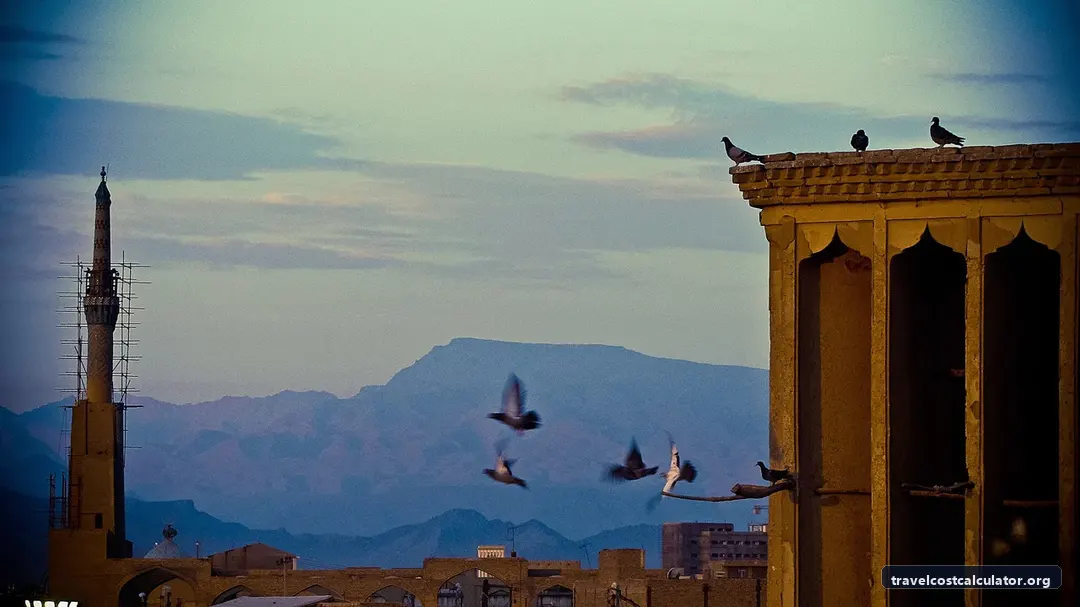
Yazd was granted UNESCO World Heritage status due to its exceptionally preserved traditional urban fabric and its status as a masterclass in sustainable, eco-friendly desert architecture. For thousands of years, Yazdi architects adapted to extreme desert heat using revolutionary passive cooling engineering. Central to this survival strategy are three defining features:
-
✦
Badgirs (Windcatchers): Soaring architectural towers that catch the slightest desert breeze, channel it downward over subterranean water basins, and circulate cooled air throughout homes and public buildings without a single watt of electricity.
-
✦
Qanats (Underground Aqueducts): Ancient subterranean hand-dug canal systems that transport water across tens of kilometers from mountain aquifers to desert settlements, preventing evaporation in 40°C+ summer heat.
-
✦
Sabats (Arched Alleyways): Covered mud-brick tunnels built over narrow pedestrian streets that provide continuous shade, protect pedestrians from sandstorms, and structurally reinforce adjacent buildings against earthquakes.
Beyond its engineering marvels, Yazd is the spiritual epicenter of Zoroastrianism, one of the world's oldest monotheistic religions. Here, ancient Zoroastrian traditions, active fire temples, and sky-burial structures peacefully coexist alongside spectacular Islamic Shia architecture, such as the grand 14th-century Jameh Mosque with its soaring minarets. It represents a rare cultural synthesis where architectural heritage, religious diversity, and ancient engineering endure in daily use.
🎟️ Entrance Fees, Opening Hours & Ticket Booking Tips
Visiting the Historic City of Yazd involves exploring a living neighborhood alongside ticketed historical monuments. While wandering the UNESCO-listed Fahadan historic district is completely free, individual entry fees apply to specific historical sites, gardens, and fire temples.
2026 Ticket Pricing & Essential Financial Logistics
Due to international banking sanctions, international credit cards (Visa, Mastercard, Amex) do not work in Iran. All travelers must carry cash in foreign currency (USD or EUR) and exchange it locally into Iranian Rials (IRR) or Tomans (1 Toman = 10 Rials). Alternatively, travelers can purchase a local prepaid tourist card (e.g., MahCard or Daric Pay) upon arrival in Tehran Travel Budget or major international hubs.
-
✦
Historic Fahadan Neighborhood Access: Free (Open 24/7).
-
✦
Jameh Mosque of Yazd: ~2,000,000 IRR ($3.50 USD) | Hours: 8:00 AM – 8:00 PM daily.
-
✦
Dowlat Abad Garden (Home to the world's tallest windcatcher): ~2,500,000 IRR ($4.50 USD) | Hours: 8:00 AM – 10:30 PM.
-
✦
Zoroastrian Fire Temple (Atash Behram): ~2,000,000 IRR ($3.50 USD) | Hours: 8:00 AM – 12:00 PM, 3:30 PM – 7:30 PM (Closed Friday mornings).
-
✦
Towers of Silence (Dakhmeh-ye Zartoshtiyun): ~2,000,000 IRR ($3.50 USD) | Hours: 7:30 AM – 6:30 PM daily.
-
✦
Yazd Water Museum (Kolahdouzha House): ~1,500,000 IRR ($2.50 USD) | Hours: 8:00 AM – 7:00 PM.
-
✦
Amir Chakhmaq Complex: Free to view exterior | ~1,000,000 IRR ($1.80 USD) to access upper levels during operational hours.
Ticket Booking Tips
Online ticket booking systems for international travelers are non-existent due to banking restrictions. All tickets must be purchased on-site at the ticket counter of each site using local cash (IRR) or a tourist debit card. Bring exact cash where possible. Sites rarely suffer from strict capacity limits, so advance reservation is not required.
🚌 How to Get There & Local Transit Costs
Yazd is situated centrally on the Iranian plateau, serving as a major hub between Tehran, Isfahan Travel Budget, and Shiraz Travel Budget. It is well-connected by highways, railways, and an domestic airport.
1. Travel from Major Iranian Hubs
-
✦
From Isfahan (320 km / 4 hours): High-frequency VIP Intercity Buses run daily from Isfahan’s Kaveh or Soffeh Terminals to Yazd passenger terminal. VIP buses feature large reclining seats, air conditioning, and snacks. Cost: ~3,000,000 - 4,500,000 IRR ($5.00 - $8.00 USD).
-
✦
From Shiraz (440 km / 5.5 hours): Daily VIP buses depart Karandish Bus Terminal in Shiraz. Cost: ~4,000,000 - 5,500,000 IRR ($7.00 - $10.00 USD).
-
✦
From Tehran (620 km):
- By Train (6-7 hours): Overnight 4-berth sleeper trains depart daily from Tehran Central Station to Yazd Railway Station. Highly recommended for comfort and views. Cost: ~$10.00 - $18.00 USD.
-
✦
By Flight (1 hour): Domestic flights from Tehran Mehrabad Airport (THR) to Yazd Shahid Sadooghi Airport (AZD) operate daily via Iran Air, Mahan Air, or Sepehran Airlines. Cost: ~$35.00 - $55.00 USD.
2. Local City Transit & Taxi Fares
The historical quarter of Fahadan is entirely walkable, as narrow sabats and earthen alleyways prevent car entry. For trips outside the old city (such as to the Towers of Silence or Dowlat Abad Garden), use local transport:
-
✦
Ride-Hailing App (Snapp): Iran’s equivalent of Uber. Downloadable locally, Snapp offers transparent pricing and eliminates taxi language barriers. Rides across the city cost between $1.00 and $2.50 USD (600,000 - 1,500,000 IRR).
-
✦
Private Taxis: Negotiate rates before stepping in. A half-day charter to peripheral sites typically costs $12.00 - $20.00 USD.
📸 Best Photography Spots & Insider Visit Hacks
Yazd is an aesthetic paradise of monochrome earth tones, geometric brick patterns, deep blue tilework, and sweeping rooftop horizons. Planning your photography around sunlight and seasonal heat is critical.
Top Photography Locations
-
✦
Fahadan Rooftop Cafes: Visit locations like Art House Cafe or Kashaneh Rooftop at golden hour. Capture the vast sea of mud-brick roofs, windcatchers, and the glowing blue dome of the Jameh Mosque illuminated against the sunset.
-
✦
Jameh Mosque Entrance Portal: Shoot early in the morning (8:00 AM – 9:00 AM) when light illuminates the magnificent 48-meter minarets and intricate turquoise tilework without heavy crowds.
-
✦
Dowlat Abad Garden at Dusk: Capture the reflections of the world's tallest badgir (33.8 meters) in the long garden water basin as evening lighting activates.
-
✦
Towers of Silence at Sunrise: Climb the twin Zoroastrian hills shortly after dawn to capture dramatic desert shadows across these ancient hilltop structures.
-
✦
Amir Chakhmaq Square at Night: The three-story alcove facade lights up beautifully after dark, reflecting in the courtyard fountains.
Insider Visit Hacks
-
✦
Seasonal Timing: The optimal months to visit are October through November and March through May, when temperatures average pleasant 20°C–26°C (68°F–79°F) levels. Avoid June to August when temperatures routinely exceed 42°C (108°F).
-
✦
Embrace the Siesta Culture: Midday desert heat can be intense. Follow local customs: explore from 8:00 AM to 12:00 PM, return to a air-conditioned traditional courtyard hotel for rest during the afternoon heat, and head back out from 4:30 PM until late evening when the desert air turns cool.
-
✦
Dress Code & Comfort: Strict dress regulations apply nationwide in Iran. Women must wear a headscarf (hijab), loose long-sleeved tops covering hips, and trousers/long skirts. Men must wear long trousers (t-shirts are acceptable). Opt for light, breathable linen to handle the dry heat.
-
✦
Stay Hydrated: Desert humidity can drop below 10%. Always carry bottled or filtered water; public water refill fountains are widely available near major city squres.
🏨 Nearby Accommodation & Daily Budget Allocation
Staying inside a renovated Qajar-era or Safavid-era traditional mansion featuring a central courtyard pool (howz), pomegranate trees, and rooftop access is an essential part of the Yazd experience.
Recommended Accommodations
-
✦
Budget Hostels ($12 - $25 USD / night):
- Silk Road Hotel / Orient Hotel: Located steps from the Jameh Mosque, offering authentic mud-brick dorms, rooftop lounges, and communal courtyards ideal for backpackers.
- Hotel Dad Yazd: A beautifully restored classic desert hotel featuring traditional brick arches, central courtyards, subterranean swimming facilities, and top-tier hospitality.
- Moshir al-Mamalek Garden Hotel: A UNESCO-recognized garden complex turned 4-star heritage hotel complete with flowing qanat streams, fountains, and ancient trees.
Local Cuisine & Dining Costs
Don't leave Yazd without sampling local specialties such as Ash-e Shooli (a tangy herb, spinach, red beet, and vinegar soup), Khoresht-e Fesenjan (pomegranate and walnut stew), and traditional Yazdi sweet pastries (Baghlava, Qottab, and Pashmak cotton candy).
-
✦
Street Food / Bakery Snack: $1.00 - $2.00 USD
-
✦
Standard Traditional Meal at Local Restaurant: $4.00 - $8.00 USD per person
-
✦
Fine Dining in Traditional Mansion Courtyard: $10.00 - $18.00 USD per person
Daily Budget Summary (2026 Projections)
-
✦
Budget Backpacker: $25 - $35 USD per day (Hostel dorm, Snapp taxis, local dining, entry to 2 sites).
-
✦
Mid-Range Traveler: $70 - $110 USD per day (Private room in boutique traditional hotel, sit-down courtyard dining, private taxi charters, all main site entries).
-
✦
Luxury Traveler: $160+ USD per day (Heritage suite, private guided tour, fine dining, private driver).
Frequently Asked Questions
Essential visitor FAQs for Historic City of Yazd
What is the entrance fee for Historic City of Yazd?
How much time do you need to explore Historic City of Yazd?
How do I get to Historic City of Yazd from the nearest city?
📊 Heritage Quick Specs
Visiting Iran on a Budget?
Calculate your full daily travel budget for Iran — including hotel costs, local transport, food, and sightseeing expenses.
View Iran Daily Travel Costs →Explore more UNESCO World Heritage Sites
🏛️ All 1,200+ Heritage Sites →