
 Thailand
Historic City of Ayutthaya
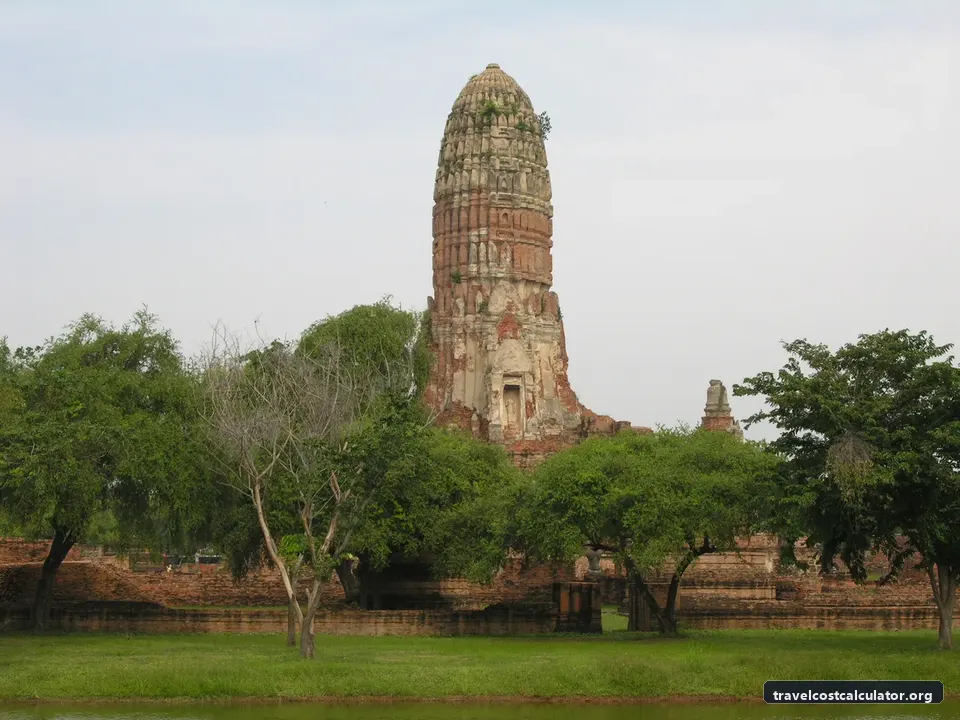
Founded c. 1350, Ayutthaya became the second Siamese capital after Sukhothai. It was destroyed by the Burmese in the 18th century. Its remains, characterized by the prang (reliquary towers) and gigantic monaste...
Historic City of Ayutthaya
🏛️ Overview & Historical Significance
Rising majestically at the confluence of three rivers—the Chao Phraya, Pa Sak, and Lopburi—the Historic City of Ayutthaya stands as one of Southeast Asia's most spectacular archaeological treasures. Founded in 1350 by King U-Thong, Ayutthaya served as the second capital of the Kingdom of Siam for over four centuries. By the 17th century, it had blossomed into a cosmopolitan global metropolis of over one million inhabitants, serving as a pivotal trading crossroads connecting Asia, Europe, and the Middle East.
In 1767, the city met a devastating fate when it was besieged and burned by the Burmese army. The remaining stone temples, soaring soaring bell-shaped chedis (stupas), and towering prangs (reliquary towers) lay dormant for centuries, shrouded in tropical foliage. In 1991, UNESCO officially designated the Historic City of Ayutthaya as a World Heritage Site under Criterion III. The UNESCO committee cited its extraordinary architectural synthesis of Khmer, Sukhothai, and early European influences, along with its surviving spatial layout, as a brilliant testimony to a golden era of Siamese civilization that vanished overnight.
Today, as visitors navigate the island-city in 2026, the ruins remain an active site of cultural reverence and intellectual wonder, attracting travelers, historians, and spiritual pilgrims from across the globe.
🎟️ Entrance Fees, Opening Hours & Ticket Booking Tips (2026 Updates)
Exploring the historic park is straightforward, but understanding the ticketing structure will save you time and local currency. The open-air park grounds themselves do not require an entry fee, but individual major temple compounds operate gated entry points.
2026 Estimated Entrance Fees
-
✦
Individual Major Temple Ticket: 50 THB (~$1.40 USD / €1.30) per person, per site. Valid at Wat Mahathat, Wat Ratchaburana, Wat Phra Si Sanphet, Wat Chaiwatthanaram, Wat Maheyong, and Wat Yai Chai Mongkhon.
-
✦
6-Temple Combination Pass: 220 THB (~$6.25 USD / €5.75). Highly recommended if you plan to visit four or more major temples within a single day.
-
✦
Minor Temples & Open Grounds: Free access (including Wat Lokayasutharam and Wat Phra Ram's outer gardens).
Opening Hours & Lighting Schedule
-
✦
Standard Temple Hours: 8:00 AM – 6:00 PM daily.
-
✦
Night Illumination at Wat Chaiwatthanaram: Grounds remain open until 9:00 PM (night lighting turned on around 6:30 PM).
Insider Booking & Entry Tips
As of 2026, ticket booths accept cash (Thai Baht) and local QR code bank payments. International credit cards are generally not accepted at individual temple gates. Buy the 6-Temple Combination Pass at the first site you visit (such as Wat Mahathat) to skip queue lines at subsequent gates. Dress Code Requirement: Shoulders and knees must be covered at all temple compounds out of cultural respect; light linen pants and shoulders-covering shirts are strongly advised.
🚌 How to Get There & Local Transit Costs
Located roughly 80 kilometers (50 miles) north of Bangkok Travel Budget, Ayutthaya is easily accessible as a day trip or an overnight getaway.
From Bangkok to Ayutthaya
-
✦
By Train (Most Authentic & Budget-Friendly): Board an northbound train from Bangkok's Krung Thep Aphiwat Central Terminal or Don Mueang Station.
- Ordinary 3rd Class Train: 20–30 THB (~$0.60–$0.85 USD); takes about 1.5 to 2 hours.
-
✦
Air-Conditioned Express Train: 250–350 THB (~$7.00–$10.00 USD); takes about 50 to 70 minutes.
Navigating Ayutthaya
-
✦
Bicycle Rental: 50–80 THB (~$1.40–$2.25 USD) per day. Ideal for exploring the central island, as the terrain is completely flat.
-
✦
Scooter Rental: 200–300 THB (~$5.60–$8.50 USD) per 24 hours. Great for reaching outlying sites like Wat Chaiwatthanaram across the river.
-
✦
Tuk-Tuk Charter: Iconic frog-nosed Ayutthaya tuk-tuks can be chartered for 250–300 THB (~$7.00–$8.50 USD) per hour, or ~1,200 THB (~$34 USD) for a full 6-hour tailored itinerary.
📸 Best Photography Spots & Insider Visit Hacks
Capturing the ancient grandeur of Ayutthaya requires strategic timing, as high noon heat and mid-day tour buses can hinder your experience.
Top Photography Locations
-
✦
Wat Mahathat (Buddha Head in Tree Roots): The iconic image of Ayutthaya. Photography Tip: When photographing the Buddha head, squat down so your head remains lower than the sacred image, as dictated by Thai etiquette.
-
✦
Wat Chaiwatthanaram (The Khmer Mirror): Situated on the west bank of the Chao Phraya River, this site offers classic silhouette shots during golden hour. Capture the reflected evening glow from across the river bank around 6:15 PM.
-
✦
Wat Phra Si Sanphet (The Three Stupas): The three royal chedis look magnificent during early morning light (8:00 AM – 9:30 AM) when side lighting reveals deep stone textures against clear blue skies.
-
✦
Wat Lokayasutharam: Frame the giant 42-meter reclining Buddha alongside colorful incense offerings.
Insider Hacks to Avoid Crowds & Heat
-
✦
The Early Bird Advantage: Most tour groups from Bangkok arrive between 10:30 AM and 11:30 AM. Arrive at Wat Mahathat or Wat Phra Si Sanphet right when gates open at 8:00 AM to enjoy serene, empty temple grounds.
-
✦
Beat the Mid-Day Heat: Take a break between 12:30 PM and 3:30 PM. Tour air-conditioned museums like the Chao Sam Phraya National Museum (Entrance: 150 THB) or relax in a riverside café.
-
✦
Seasonal Strategy: The dry, cooler season runs from November through February (24°C–31°C / 75°F–88°F). March through May brings extreme thermal conditions (often exceeding 38°C / 100°F), so carry plenty of electrolytes and sun protection.
🏨 Nearby Accommodation & Daily Budget Allocation
While many visitors choose a rapid day trip, staying overnight allows you to experience illuminated ruins after dark and early-morning local monks collecting alms.
Accommodation Recommendations (2026 Rates)
-
✦
Budget Hostels & Guesthouses ($12 – $28 USD / night): Clean, friendly stays like Baan Lotus Guest House or Early Bird Hostel offer basic air-conditioned rooms, bicycle rentals, and local travel advice.
-
✦
Mid-Range Boutique Hotels ($45 – $90 USD / night): Charming riverside options like Sala Ayutthaya (entry-level rooms) or Baan Ploy Resort feature swimming pools, traditional wood architecture, and direct river views.
-
✦
Luxury Heritage Stays ($120 – $240+ USD / night): Historic properties such as Kantary Hotel Ayutthaya or high-end suites at Sala Ayutthaya provide fine dining, spa facilities, and unmatched ancient ruins perspectives.
Daily Travel Budget Estimates (Per Person)
-
✦
Backpacker Budget Planner: 800–1,200 THB (~$23–$34 USD) / day. Includes 3rd-class train from Bangkok, bicycle rental, temple combo pass, street food, and hostel accommodation.
-
✦
Mid-Range Comfort: 2,500–4,000 THB (~$70–$113 USD) / day. Includes minivan/express train, scooter rental or private tuk-tuk, boutique hotel, and dining on famous local specialties like Ayutthaya Giant River Prawns (Kung Mae Nam).
Culinary Must-Try
Do not leave without trying Boat Noodles (Kuay Teow Ruea) sold along the canal streets for 40–60 THB ($1.15–$1.70 USD) per bowl, and purchase fresh Roti Sai Mai (sweet cotton candy wrapped in pandan crepes) from street vendors outside Wat Phra Mahathat for around 50 THB per bag.
Frequently Asked Questions
Essential visitor FAQs for Historic City of Ayutthaya
What is the entrance fee for Historic City of Ayutthaya?
How much time do you need to explore Historic City of Ayutthaya?
How do I get to Historic City of Ayutthaya from Bangkok?
📊 Heritage Quick Specs
Visiting Thailand on a Budget?
Calculate your full daily travel budget for Thailand — including hotel costs, local transport, food, and sightseeing expenses.
View Thailand Daily Travel Costs →Explore more UNESCO World Heritage Sites
🏛️ All 1,200+ Heritage Sites →