
 Brazil
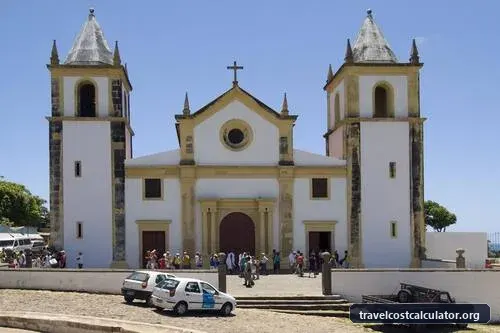
Historic Centre of the Town of Olinda
Founded in the 16th century by the Portuguese, the town’s history is linked to the sugar-cane industry.
Historic Centre of the Town of Olinda
🏛️ Overview & Historical Significance
Perched high on rolling, palm-fringed hills overlooking the turquoise waters of the Atlantic Ocean, the Historic Centre of the Town of Olinda stands as one of South America's most enchanting and historically significant colonial settlements. Founded in 1535 by the Portuguese nobleman Duarte Coelho, Olinda rapidly grew into the booming economic heart of the Captaincy of Pernambuco, driven by the lucrative global trade in sugar cane—then known as "white gold."
In 1982, UNESCO designated Olinda a World Heritage site, citing its exceptional preservation of a 16th-century urban grid intertwined with lush tropical flora, as well as its rich architectural legacy. Olinda's history is defined by drama: in 1630, Dutch invaders seized the prosperous city, setting it ablaze a year later to relocate their administrative capital to neighboring Recife. Following the expulsion of the Dutch in 1654, the Portuguese painstakingly rebuilt Olinda, constructing magnificent Baroque churches, monasteries, and pastel-hued civilian residences that adapt European architectural traditions to the tropical Brazilian environment.
Beyond its physical beauty, Olinda is a living cultural sanctuary. Unlike many preserved heritage towns that feel like open-air museums, Olinda's steep cobblestone streets (ladeiras) thrum with daily life. It is the spiritual home of traditional Pernambucan art, woodblock printing (xilogravura), and iconic musical rhythms such as Frevo and Maracatu. During its world-famous street Carnival, millions gather to dance alongside giant papier-mâché puppets (bonecos gigantes), making Olinda a vibrant intersection of indigenous, African, and European heritage.
🎟️ Entrance Fees, Opening Hours & Ticket Booking Tips
Exploring the historic streetscapes of Olinda is entirely free, as the town itself functions as an active municipal district. However, visiting individual historical monuments, gold-adorned churches, and local museums incurs minor entrance fees, which support local preservation efforts.
2026 Estimated Ticket Prices & Fees
-
✦
Historic Streets & Public Squares: Free access 24/7.
-
✦
Mosteiro de São Bento (Monastery of Saint Benedict): Free entry to the main sanctuary; R$ 15 (~$2.90 USD) to access the historic cloister and sacred art room. Open daily from 8:00 AM – 11:45 AM and 2:00 PM – 5:30 PM.
-
✦
Convento de São Francisco (Convent of Saint Francis): R$ 12 (~$2.30 USD). Open Monday to Saturday, 9:00 AM – 12:30 PM and 2:00 PM – 5:30 PM.
-
✦
Catedral da Sé (Olinda Cathedral): Entry to the cathedral is free; accessing the Water Tower (Caixa d'Água) panoramic elevator costs R$ 10 (~$1.90 USD). Open daily 9:00 AM – 5:00 PM.
-
✦
Igreja de Nossa Senhora do Carmo: Free entry (donations appreciated). Open Tuesday through Sunday, 9:00 AM – 12:00 PM and 2:00 PM – 5:00 PM.
-
✦
Local Accredited Guides: Professional local guides registered with CADASTUR can be hired near Alto da Sé or Praça do Carmo. A standard 2-hour walking tour costs between R$ 100 and R$ 160 (~$19 - $31 USD) per group.
Insider Booking & Visiting Tips
Advance online ticketing is rarely available or necessary for individual attractions in Olinda. Cash in local currency (Brazilian Real - BRL) remains essential for small museum entry fees, street vendors, and tipping guides, though mid-range restaurants and larger shops accept contactless digital payments and major credit cards. To witness a truly atmospheric cultural event, attend the Sunday 10:00 AM Mass at Mosteiro de São Bento, where the Benedictine monks perform traditional Gregorian chants inside a shimmering, gold-leafed Baroque nave.
🚌 How to Get There & Local Transit Costs
Olinda is located in the metropolitan area of Pernambuco, situated just 10 kilometers (6 miles) north of downtown Recife and approximately 20 kilometers (12 miles) from Recife/Guararapes–Gilberto Freyre International Airport (REC).
1. Rideshare & Taxi (Recommended)
The most convenient and comfortable way to reach Olinda from Recife's airport or the popular beach district of Boa Viagem is via app-based rideshares (Uber and 99 operate reliably throughout the area).
-
✦
From Recife Airport (REC) to Olinda Historic Centre: R$ 50 – R$ 80 (~$9.50 – $15.50 USD), taking roughly 35 to 55 minutes depending on traffic.
-
✦
From Boa Viagem Beach to Olinda: R$ 35 – R$ 60 (~$6.70 – $11.50 USD), taking 30 to 45 minutes.
-
✦
Standard Airport Taxis: Metered airport taxis charge approximately R$ 75 – R$ 110 (~$14.50 – $21.00 USD).
2. Public Bus
Budget travelers can utilize the local bus system connecting Recife and Olinda. Buses drop passengers off at Praça do Carmo at the foot of the historic district.
-
✦
Line 1983 (Rio Doce / Princesa Isabel): Connects central Recife to Praça do Carmo. Ticket fare is approximately R$ 4.70 (~$0.90 USD) per ride.
-
✦
Note: Public buses can be crowded during peak rush hours (7:00 AM – 9:00 AM and 5:00 PM – 7:00 PM) and lack air conditioning. Keep belongings secure when using public transit.
📸 Best Photography Spots & Insider Visit Hacks
Top Photography Locations
-
✦
Alto da Sé Viewpoint (Mirante da Sé): The definitive vista of Olinda. Capture the contrast of historic red-tile roofs, tall coconut palms, and church steeples framed against the ocean and the distant skyline of modern Recife towers.
-
✦
Ladeira da Misericórdia: One of Olinda's steepest and most photogenic streets, lined with pastel-colored colonial homes, intricate wrought-iron balconies, and vibrant mural art.
-
✦
Convento de São Francisco Cloisters: Photograph the breathtaking 18th-century blue-and-white Portuguese tilework (azulejos) depicting the life of Saint Francis, set against serene timber corridors.
-
✦
Igreja de Nossa Senhora do Amparo: Best photographed during the late afternoon "golden hour" when warm light illuminates its baroque facade.
Crucial Visit Hacks
1. Essential Footwear: Olinda's historic core is built across steep hills surfaced with historical irregular cobblestones (paralelepípedos). Wear sturdy, non-slip sneakers. Avoid high heels, flip-flops, or smooth-soled sandals, which offer zero traction on slick or wet stones.
2. Beat the Tropical Heat: Northeast Brazil experiences hot, humid weather year-round, with average daily temperatures ranging from 27°C to 32°C (80°F to 90°F). Begin your walking tour early around 8:30 AM, retreat to a shaded café or restaurant during peak midday heat (12:00 PM – 2:30 PM), and return outdoors for golden hour.
3. Safety & Awareness: While Olinda's main tourist streets are generally safe during daylight hours, keep your smartphone and camera stored in a cross-body bag when walking through quiet, unpopulated side streets. Stick to well-lit main areas after dark, and use rideshares to travel between historic Olinda and Recife at night.
4. Local Culinary Refreshment: Stop at the food stalls near Alto da Sé in the late afternoon to sample freshly made tapioca (cassava crêpes filled with shredded coconut, cheese, or meat) paired with cold coconut water (água de coco).
🏨 Nearby Accommodation & Daily Budget Allocation
Choosing where to stay depends on your travel style. Staying directly within Olinda’s historic center offers historic charm, quiet mornings, and evening music sessions. Alternatively, staying in Recife's Boa Viagem district offers modern beachfront hotels, with Olinda accessible as an easy day trip.
Recommended Accommodation in Historic Olinda
-
✦
Budget Hostels & Guesthouses: Hostel Casa de Olinda or Pousada Maracatu — Rates range from R$ 110 – R$ 220 (~$21 – $42 USD) per night for dorm beds or private rooms with shared bath.
-
✦
Mid-Range Heritage Pousadas: Pousada dos Quatro Cantos or Hotel Pousada São Francisco — R$ 380 – R$ 650 (~$73 – $125 USD) per night. These charming boutique options are converted colonial mansions featuring lush courtyards and swimming pools.
-
✦
Luxury / Upper Mid-Range Boutique: Pousada Do Amparo — R$ 750 – R$ 1,300 (~$144 – $250 USD) per night. Located on the historic Rua do Amparo, featuring antique decor, fine dining, and panoramic views.
Daily Budget Allocations (Estimated for 2026)
Backpacker Budget Planner: ~$35 – $50 USD (R$ 180 – R$ 260) / day
-
✦
Accommodation: Dorm bed or simple private room (R$ 110 - R$ 150)
-
✦
Meals: Local self-service "per-kilo" lunches and street tapioca (R$ 50 - R$ 70)
-
✦
Transport: Public buses to/from Recife (R$ 10)
-
✦
Attractions: Free walking tour + 1 church fee (R$ 15)
Mid-Range Traveler: ~$110 – $170 USD (R$ 570 – R$ 880) / day
-
✦
Accommodation: Charming colonial pousada room including breakfast (R$ 400 - R$ 550)
-
✦
Meals: Sit-down regional seafood meal (e.g., Moqueca) & drinks (R$ 120 - R$ 200)
-
✦
Transport: Uber/rideshare rides within metro area (R$ 50 - R$ 80)
-
✦
Attractions: Entrance fees for multiple monuments + licensed guide tip (R$ 50)
Luxury / Boutique Traveler: ~$260 – $420 USD (R$ 1,350 – R$ 2,180) / day
-
✦
Accommodation: Premium room at a top boutique hotel (R$ 850 - R$ 1,400)
-
✦
Meals: High-end dining at renowned establishments like Beijupirá (R$ 300 - R$ 500)
-
✦
Transport: Private chauffeur or continuous door-to-door rideshares (R$ 150 - R$ 200)
-
✦
Attractions: Private tailored heritage walking tour & museum entries (R$ 150)
Frequently Asked Questions
Essential visitor FAQs for Historic Centre of the Town of Olinda
What is the entrance fee for Historic Centre of the Town of Olinda?
How much time do you need to explore Historic Centre of the Town of Olinda?
How do I get to Historic Centre of the Town of Olinda from the nearest city?
📊 Heritage Quick Specs
Visiting Brazil on a Budget?
Calculate your full daily travel budget for Brazil — including hotel costs, local transport, food, and sightseeing expenses.
View Brazil Daily Travel Costs →Explore more UNESCO World Heritage Sites
🏛️ All 1,200+ Heritage Sites →