
 Brazil
Historic Centre of the Town of Goiás
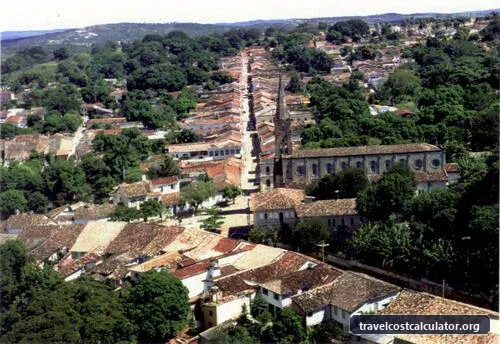
Goiás testifies to the occupation and colonization of the lands of central Brazil in the 18th and 19th centuries.
Historic Centre of the Town of Goiás
🏛️ Overview & Historical Significance
Nestled against the dramatic peaks of the Serra Dourada in the heart of Brazil's Central-West region, the Historic Centre of the Town of Goiás (commonly known as Goiás Velho) stands as a remarkably preserved monument to South America's 18th-century gold rush. Inscribed as a UNESCO World Heritage site in 2001, the town offers an exceptional illustration of how European colonial architecture was ingeniously adapted to the climate, materials, and harsh topography of the South American interior.
Founded in 1727 by the famous bandeirante explorer Bartolomeu Bueno da Silva (nicknamed Anhangüera), the settlement quickly grew into the administrative and economic hub of the captaincy of Goiás. Unlike coastal colonial cities like Salvador or Rio de Janeiro Travel Budget, Goiás developed organically along the banks of the roaring Rio Vermelho. Its urban grid follows the undulating terrain, creating an intimate landscape where whitewashed earthen buildings, clay-tiled roofs, and stone-paved lanes seamlessly meld into the surrounding Cerrado savanna environment.
UNESCO granted World Heritage status based on two key criteria:
-
✦
Criterion (ii): The town displays an extraordinary adaptation of European baroque architectural traditions to the local constraints of central Brazil, utilizing mudbrick (taipa de pilão), timber framing (pau-a-pique), and native soapsone.
-
✦
Criterion (iv): It represents an intact, homogeneous urban ensemble of an 18th- and 19th-century mining town in the Americas, retaining its original layout, scale, and cultural authenticity.
Beyond its stone archways and historic churches, Goiás is renowned as the spiritual home of Cora Coralina (1889–1985), one of Brazil’s most celebrated 20th-century poets and confectioners. Her former home along the river remains the cultural soul of the municipality, making a visit to this colonial jewel as much a literary pilgrimage as a step back into Brazil’s gilded past.
🎟️ Entrance Fees, Opening Hours & Ticket Booking Tips
Wandering the cobblestone streets and admiring the public plazas of Goiás Velho is completely free of charge. However, accessing individual historical museums, former government palaces, and preserved churches requires modest admission fees. In 2026, most ticket sales are processed on-site via card, cash (BRL), or Brazil's instant payment system (Pix).
Key Sight Admission Fees & Hours (2026 Estimates)
-
✦
Museu Casa de Cora Coralina: R$ 25 (~$4.80 USD). Open Tuesday through Sunday, 9:00 AM – 4:45 PM. Highlights include the poet’s personal manuscripts, original copper cookware, and antique furniture.
-
✦
Museu de Arte Sacra da Boa Morte (Igreja da Boa Morte): R$ 15 (~$2.90 USD). Open Tuesday through Saturday, 9:00 AM – 5:00 PM; Sundays, 9:00 AM – 1:00 PM. Houses priceless 18th-century wooden religious carvings by master sculptor Veiga Valle.
-
✦
Palácio Conde dos Arcos: R$ 12 (~$2.30 USD). Open Tuesday through Saturday, 8:00 AM – 5:00 PM; Sundays, 8:00 AM – 1:00 PM. The former seat of the provincial government featuring period furniture, landscaped courtyards, and state archives.
-
✦
Igreja de Nossa Senhora do Rosário: R$ 10 (~$1.90 USD) contribution. Open daily 8:00 AM – 12:00 PM / 2:00 PM – 5:30 PM. Rebuilt in neo-gothic style by Dominican friars in the early 20th century.
-
✦
Igreja de Santa Bárbara: Free / R$ 5 donation (~$0.95 USD). Open Tuesday through Sunday mornings. Requires climbing a scenic 360-step staircase overlooking the town.
Insider Booking & Visit Tips
There are no centralized online ticketing systems for Goiás Velho; tickets are purchased directly at each entrance. Pro Tip for 2026: Carry at least R$ 50–100 in physical cash. While mid-sized museums accept credit cards, smaller churches and local artisan candy vendors along the river often suffer from intermittent mobile network signals, making cash or offline Pix payments essential.
🚌 How to Get There & Local Transit Costs
Goiás Velho is located in the state of Goiás, approximately 140 kilometers (87 miles) northwest of the state capital, Goiânia, and 310 kilometers (192 miles) west of Brazil's federal capital, Brasília.
1. From Goiânia (Nearest Major Hub & Airport)
Goiânia’s Santa Genoveva Airport (GYN) is the primary gateway for domestic travelers. From Goiânia, you have two primary options:
-
✦
Direct Intercity Bus: Departs regularly from the main bus station (Rodoviária de Goiânia). Regional providers such as Viação Moreira run multiple daily departures. Journey time is approximately 2.5 to 3 hours. One-way ticket price: R$ 50 – R$ 65 (~$9.50 – $12.50 USD).
-
✦
Rental Car: Driving via highway GO-070 is straight-forward and fully paved. The drive takes roughly 1 hour 45 minutes. Rental costs in 2026 average R$ 130 – R$ 220 per day (~$25 – $42 USD) plus fuel. Driving provides great flexibility to explore nearby Cerrado waterfalls.
2. From Brasília (BSB Airport)
-
✦
By Bus: Direct intercity buses connect Brasília’s Rodoviária Intermunicipal to Goiás in about 5 to 6 hours. Ticket cost: R$ 95 – R$ 130 (~$18 – $25 USD) one-way.
-
✦
By Car: Take BR-070 west directly to Goiás. Road conditions are generally good, but watch for speed radars entering municipal zones. Drive time is around 4 hours.
Local Transit within Goiás Velho
The historic center is compact and best explored entirely on foot. Motor vehicles are restricted on several narrow historical lanes. Local taxis and ride-share apps (such as Uber or local alternatives) operate primarily between the bus terminal (Terminal Rodoviário de Goiás) and historic hotels, charging a flat rate of roughly R$ 15 – R$ 25 (~$2.90 – $4.80 USD) per trip.
📸 Best Photography Spots & Insider Visit Hacks
With its vibrant whitewashed facades, deep blue and turquoise window trims, and rugged mountain backdrop, Goiás is a photographer's dream. To capture its best angles while avoiding crowds, follow these strategic insider hacks:
Top Photography Angles
-
✦
Igreja de Santa Bárbara Hilltop: Climb the hill early in the morning or 45 minutes before sunset. The view frames the church's white facade against the sprawling red-tile roofs of the historic valley and the Serra Dourada.
-
✦
Largo do Chafariz & Rio Vermelho: Position yourself near the 1778 stone fountain (Chafariz de Cauda) looking across the river towards the Casa de Cora Coralina. Golden hour light reflects brilliantly off the rushing water and stone foundations.
-
✦
Rua da da Mudança & Cross Street Alleys: Frame the rustic pé-de-moleque (uneven stone) streets lined with colonial lanterns (lampões) during dusk when the yellow streetlights click on.
-
✦
Palácio Conde dos Arcos Courtyard: Photograph the contrast of tropical palm gardens enclosed by traditional 18th-century wooden verandas.
Insider Travel Hacks
-
✦
Footwear is Critical: The historic streets are paved with irregular, river-washed stones (pedras pé-de-moleque) that are polished smooth from centuries of wear. Leave heels and thin flip-flops behind; high-traction sneakers or hiking sandals are mandatory to avoid slipping.
-
✦
Beat the Midday Heat: Goiás sits in a warm inland climate. Schedule walking tours between 7:30 AM – 10:30 AM and after 4:00 PM. Take a long lunch or rest during peak ultraviolet hours (12:00 PM – 3:00 PM).
-
✦
The Holy Week Spectacle (Procissão do Fogaréu): If visiting during Easter week (Semana Santa), Goiás hosts Brazil's most famous torchlight procession on Holy Wednesday night. Hooded figures (farricocos) march through pitch-black streets accompanied by drums. Note: Lodging for this event must be booked 6 to 9 months in advance.
-
✦
Culinary Hack: You cannot leave without trying an authentic Empadão Goiano—a massive savory pie filled with chicken, pork, heart of palm, cheese, and local guariroba (a bitter palm shoot). Head to the Mercado Municipal for the most authentic portions.
🏨 Nearby Accommodation & Daily Budget Allocation
Goiás Velho offers atmospheric lodging inside converted 18th-century mansions, family-run pousadas (inns), and cozy budget guesthouses. Prices fluctuate based on season (peak times include July, Easter, and local festival weekends).
Accommodation Options (2026 Rates)
-
✦
Budget (Hostels & Simple Pousadas): R$ 130 – R$ 220 / night (~$25 – $42 USD). Options like Pousada Chácara da Dinda or budget guesthouses near the bus terminal provide clean rooms, air conditioning, and traditional regional breakfast (café da manhã).
-
✦
Mid-Range (Colonial Inns): R$ 350 – R$ 580 / night (~$67 – $111 USD). Stay at heritage properties such as Hotel Villa Boa (featuring panoramic views and a swimming pool) or Pousada do Ipê, featuring lush gardens and historic architecture within walking distance of the central plaza.
-
✦
Boutique / High-End: R$ 650 – R$ 1,100 / night (~$125 – $210 USD). Restored colonial manors offering plunge pools, high-end linens, artisanal dining, and personalized historical tours.
Daily Budget Estimations (Per Person)
-
✦
Backpacker Budget Planner: ~$40 – $55 USD / day (Shared or simple private room, street food/market meals, local bus transport, selective museum entries).
-
✦
Mid-Range Traveler: ~$100 – $160 USD / day (Charming colonial pousada, sit-down dinners with regional wine/cocktails, entry to all sights, rental car share or taxi trips).
-
✦
Luxury Traveler: ~$250 – $400+ USD / day (Boutique hotel suite, private guided historical tours, private driver transfers from Goiânia, fine dining).
Frequently Asked Questions
Essential visitor FAQs for Historic Centre of the Town of Goiás
What is the entrance fee for Historic Centre of the Town of Goiás?
How much time do you need to explore Historic Centre of the Town of Goiás?
How do I get to Historic Centre of the Town of Goiás from the nearest city?
📊 Heritage Quick Specs
Visiting Brazil on a Budget?
Calculate your full daily travel budget for Brazil — including hotel costs, local transport, food, and sightseeing expenses.
View Brazil Daily Travel Costs →Explore more UNESCO World Heritage Sites
🏛️ All 1,200+ Heritage Sites →