
 Peru
Peru
Historic Centre of Lima
Although severely damaged by earthquakes, this 'City of the Kings' was, until the middle of the 18th century, the capital and most important city of the Spanish dominions in South America.
Historic Centre of Lima
🏛️ Overview & Historical Significance
Inscribed as a UNESCO World Heritage site in 1988 (and expanded in 1991), the Historic Centre of Lima Travel Budget stands as one of the most monumental urban ensembles in South America. Founded in 1535 by Spanish conquistador Francisco Pizarro, Lima was designated the Ciudad de los Reyes (City of the Kings) and served as the administrative, political, and cultural epicenter of the Spanish Empire’s South American viceroyalty for over two centuries.
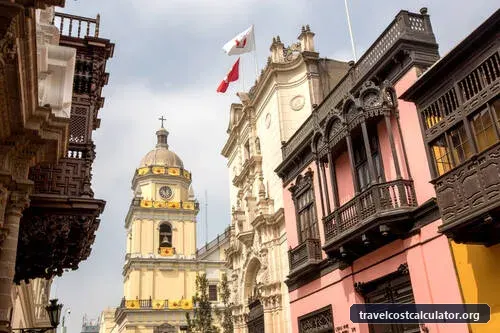
UNESCO recognized the district for its extraordinary fusion of European colonial architectural styles combined with indigenous Andean artistry. Despite suffering catastrophic earthquakes over the centuries—most notably in 1687 and 1746—the historic core preserved its original grid layout (the Damero de Pizarro) and rebuilt its structures in magnificent Baroque, Churrigueresque, Rococo, and Neoclassical styles. The site's signature architectural feature is its breathtaking array of over 1,600 carved wooden box balconies (balcones de cajón), influenced by Andalusian Moorish design, which allowed residents to observe public street life while maintaining privacy.
Strolling through the Historic Centre in 2026 offers an immersive journey through South American history. From the monumental Plaza Mayor (Plaza de Armas)—where José de San Martín declared Peruvian independence in 1821—to the sprawling subterranean crypts beneath religious complexes, Lima’s downtown remains a vibrant, living museum of cultural synthesis.
🎟️ Entrance Fees, Opening Hours & Ticket Booking Tips
While walking the public plazas, grand boulevards, and admiring the historic facades of Centro Histórico is entirely free, individual churches, subterranean catacombs, and colonial mansions charge modest entry fees. Below are the updated 2026 admission prices and visit schedules:
-
✦
Lima Cathedral & Religious Art Museum: 30 PEN (~$8.00 USD) for adults; 15 PEN (~$4.00 USD) for students/children. Open Monday–Saturday from 9:00 AM to 5:00 PM; Sunday from 1:00 PM to 5:00 PM.
-
✦
San Francisco Convent & Subterranean Catacombs: 20 PEN (~$5.50 USD) for adults; 10 PEN (~$2.70 USD) for students; 5 PEN (~$1.35 USD) for children. Guided tours in English and Spanish are included with entry. Open daily from 9:00 AM to 8:45 PM.
-
✦
Convent of Santo Domingo Travel Budget: 15 PEN (~$4.00 USD) for adults; 8 PEN (~$2.15 USD) for students. Open daily from 9:00 AM to 6:00 PM. Access to the iconic bell tower offers panoramic views over the old town.
-
✦
Casa de Aliaga (Oldest continuously inhabited home in the Americas): 35 PEN (~$9.50 USD) per person. Must be reserved at least 24 hours in advance via official email or authorized local tour agencies. Open daily from 10:00 AM to 4:00 PM.
-
✦
Palacio Torre Tagle: Free facade viewing; interior access is restricted as it serves as the Ministry of Foreign Affairs, but special public access open houses occur on select weekends (check the Peruvian Ministry of Culture portal).
Ticket Booking Tips for 2026: Most site ticket offices in central Lima accept contactless credit/debit cards, but keeping small denominations of Peruvian Soles (10 and 20 PEN notes) is recommended for fast transactions at smaller monastery desks. For popular sites like the San Francisco Catacombs, arrive right at opening time (9:00 AM) or after 4:00 PM to bypass large tour bus groups.
🚌 How to Get There & Local Transit Costs
Most international travelers base themselves in the coastal districts of Miraflores, San Isidro, or Barranco. Navigating to the Historic Centre requires strategic route planning to navigate Lima's notorious rush-hour traffic.
1. Via the Metropolitano Bus System (Fastest & Most Economical)
The dedicated bus rapid transit (BRT) line runs on segregated lanes, completely bypassing road gridlock.
-
✦
Boarding Points: Catch Line A or Line C from key stations in Miraflores (such as Estación Benavides or Estación Ricardo Palma).
-
✦
Disembarkation Station: Get off at Estación Jirón de la Unión or Estación Colmena, just a 3-minute walk from Plaza Mayor.
-
✦
Cost: Single fare is 3.50 PEN (~$0.95 USD). You must purchase a rechargeable Tarjeta Metropolitano at station kiosks for 5.00 PEN (~$1.35 USD), which can be shared among multiple travelers.
-
✦
Transit Time: Approximately 25 to 35 minutes.
2. Via Taxi or Rideshare Apps (Uber, Cabify, Yango)
Rideshare services provide door-to-door comfort, though journey times fluctuate wildly depending on the time of day.
-
✦
From Miraflores / San Isidro: 25 PEN – 40 PEN (~$6.75 – $10.80 USD). Transit time is 30 minutes off-peak, expanding to 60+ minutes during peak morning (7:30–9:30 AM) and evening (5:30–8:00 PM) commute hours.
-
✦
From Jorge Chávez International Airport (Callao): 45 PEN – 65 PEN (~$12.00 – $17.50 USD) using official airport taxis (e.g., Green Taxi, Directo) or Uber/Cabify. Travel time is roughly 40–50 minutes.
📸 Best Photography Spots & Insider Visit Hacks
Capturing the vibrant contrast of pastel-hued Spanish facades, ornate dark-wood balconies, and gold-leaf church interiors requires tactical timing and awareness.
Top Photography Locations
-
✦
Plaza Mayor (Plaza de Armas): Frame the central bronze fountain (built in 1650) with the twin towers of the Lima Cathedral or the bright yellow Municipal Palace in the background. Early morning light (7:30 AM – 8:30 AM) offers pristine conditions without heavy pedestrian traffic.
-
✦
Balconies of Jirón Ucayali & Palacio Torre Tagle: Located just off the main plaza, this street features the finest concentration of carved 18th-century Moorish-style box balconies in Peru.
-
✦
Cloisters of San Francisco & Santo Domingo: Shoot the Spanish-Sevillian ceramic tiles (dating to 1643) surrounding the serene inner courtyards and manicured gardens.
-
✦
Santo Domingo Bell Tower: Climb the narrow steps for a 360-degree panoramic skyline view over the historic rooftops, extending across the Rímac River to the San Cristóbal hill.
Insider Visit Hacks for 2026
-
✦
Changing of the Guard Ceremony: Head to the front gates of the Palacio de Gobierno (Government Palace) at 11:45 AM daily. The formal military parade featuring the official Dragoon Guard regiment complete with a full brass band starts at precisely 12:00 PM.
-
✦
Navigating the Weather: Lima is famous for its garúa (dense coastal fog and overcast skies) from May through October. For crisp blue skies and vivid sunlight in your photography, plan your visit during the Peruvian summer months of December through April.
-
✦
Safety & Belongings: The core tourist corridors (Jirón de la Unión, Plaza Mayor, Plaza San Martín) are heavily patrolled by municipal Serenazgo police officers. However, exercise high spatial awareness: keep camera straps around your neck, carry backpacks on your front in packed crowds, and avoid wandering north across the Santa Rosa bridge into the Rímac district after dusk.
🏨 Nearby Accommodation & Daily Budget Allocation
While many tourists prefer staying in coastal Miraflores, choosing lodging directly inside the Historic Centre places you steps away from centuries of architecture and authentic local gastronomy at a lower overall price point.
Recommended Accommodation Options
-
✦
Budget Hostels ($12 – $25 USD / night): Pariwana Hostel Lima or Kokopelli Downtown offer private rooms and vibrant social dorms inside restored colonial townhouses equipped with high-speed Wi-Fi and solar hot water.
-
✦
Mid-Range Boutique Hotels ($60 – $130 USD / night): Gran Hotel Bolívar (an iconic historical landmark overlooking Plaza San Martín where Ernest Hemingway and Walt Disney famously stayed) or Hotel Plaza Mayor offer classic period furnishings combined with modern amenities.
-
✦
Luxury Properties ($220 – $450 USD / night): For high-end luxury, consider boutique conversions near the historic perimeter or top-tier 5-star international hotels located 20 minutes south in San Isidro/Miraflores (e.g., Country Club Lima Hotel or Belmond Miraflores Park).
Dining & Local Culinary Costs (2026 Estimates)
-
✦
Traditional Budget Lunch (Menu del Día): 12 PEN – 20 PEN (~$3.25 – $5.40 USD) for a multi-course local meal including starter soup/ceviche, main course (like Lomo Saltado or Aji de Gallina), and a glass of Chicha Morada.
-
✦
Historic Taverns & Mid-Range Dining: 45 PEN – 90 PEN (~$12.00 – $24.00 USD) per person at historic institutions like Bar Cordano (operating since 1905 near the Presidential Palace) or Isolina Taberna Peruana. Be sure to try a classic Pisco Sour paired with a hot ham Butifarra sandwich.
Estimated Daily Travel Budget Breakdown (Per Person)
-
✦
Backpacker / Budget: $35 – $50 USD / day (Hostel bed, Metropolitano transit, menu del día lunches, 1–2 paid entry sites).
-
✦
Mid-Range Traveler: $90 – $170 USD / day (3-star boutique hotel, private taxis/rideshares, tavern dining, all museum admissions).
-
✦
Luxury Traveler: $300 – $550+ USD / day (5-star hotel, private guided architectural tours, fine-dining tasting menus, premium private transfers).
Frequently Asked Questions
Essential visitor FAQs for Historic Centre of Lima
What is the entrance fee for Historic Centre of Lima?
How much time do you need to explore Historic Centre of Lima?
How do I get to Historic Centre of Lima from Miraflores?
📊 Heritage Quick Specs
Visiting Peru on a Budget?
Calculate your full daily travel budget for Peru — including hotel costs, local transport, food, and sightseeing expenses.
View Peru Daily Travel Costs →Explore more UNESCO World Heritage Sites
🏛️ All 1,200+ Heritage Sites →