
 Egypt
Historic Cairo
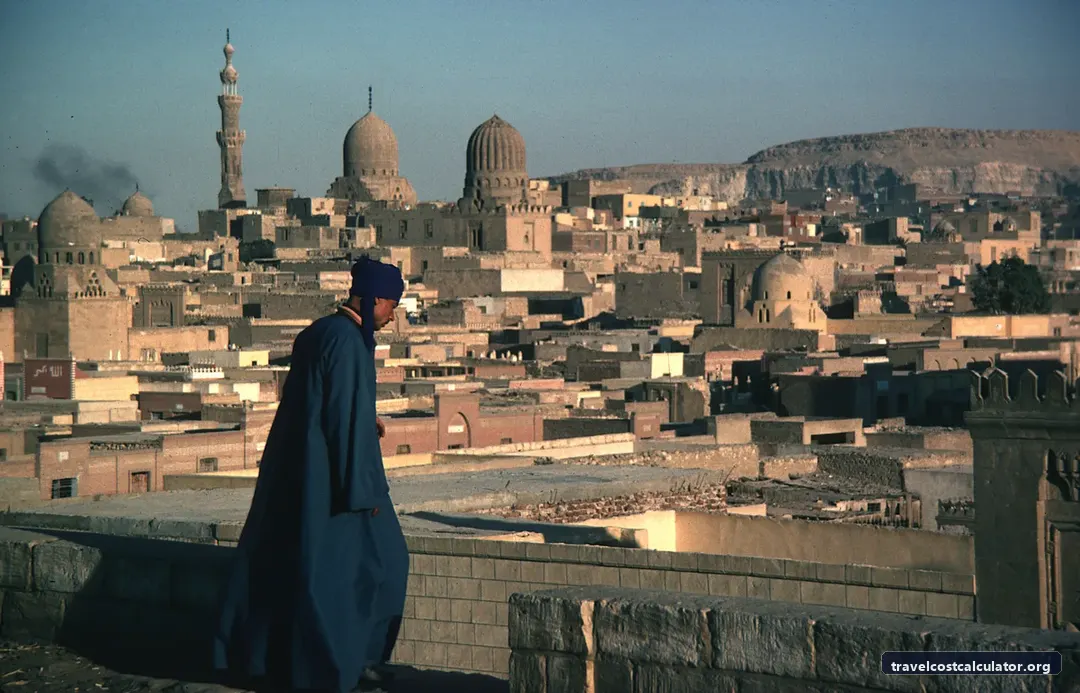
Tucked away amid the modern urban area of Cairo lies one of the world's oldest Islamic cities, with its famous mosques, madrasas, hammams and fountains.
Historic Cairo
🏛️ Overview & Historical Significance
Designated as a UNESCO World Heritage site in 1979, Historic Cairo Travel Budget—often referred to as Islamic Cairo—is one of the world's oldest and most densely concentrated urban heritage centers. Founded in the 10th century during the Fatimid Caliphate under general Jawhar al-Siqilli, this extraordinary district evolved over a millennium into a sprawling living museum where medieval Islamic architecture, vibrant markets, and centuries-old craft traditions seamlessly intertw with daily modern life.
Unlike isolated archaeological sites, Historic Cairo represents a continuous urban fabric. Over successive eras—including the Fatimid, Ayyubid, Mamluk, and Ottoman periods—rulers constructed magnificent defensive gates, grand congregational mosques, complex madrasas, defensive citadels, public drinking fountains (sabils), and elaborate merchant inns (wikalas). Key architectural monuments include:
-
✦
The Citadel of Saladin (Al-Qala'a): Built by Saladin in 1176 AD to fortify the city against Crusaders, serving as Egypt's seat of power for over 700 years.
-
✦
Al-Mu'izz li-Din Allah Street: A 1-kilometer pedestrian avenue containing the highest concentration of medieval Islamic architectural treasures on Earth.
-
✦
Mosque-Madrasa of Sultan Hassan: Built between 1356 and 1363 AD, considered a peak masterpiece of Mamluk architecture known for its immense scale and soaring vaults.
-
✦
Al-Azhar Mosque & University: Founded in 970 AD, standing as one of the world's oldest continuously operating universities and a historic global center of Islamic scholarship.
-
✦
Khan el-Khalili Bazaar: A vibrant labyrinthine souk dating back to 1382 AD, continuing its centuries-old tradition of copperwork, perfume blending, and spice trading.
UNESCO elevated Historic Cairo to World Heritage status to protect this fragile urban landscape. It remains an unparalleled global cultural asset where medieval monuments function alongside thousands of local residents, artisans, and merchants.
🎟️ Entrance Fees, Opening Hours & Ticket Booking Tips
Historic Cairo is an open-air urban district with free access to its main streets, alleys, and active neighborhood mosques. However, visiting specific historical monuments, mausoleums, and museums requires individual admission tickets. As of 2026, Egypt's Ministry of Tourism and Antiquities has expanded its digital cashless policy—all physical ticket booths strictly require payment via Visa or Mastercard credit/debit cards (cash payments are generally rejected at official counters).
2026 Key Monument Ticket Pricing
-
✦
Saladin Citadel & Mosque of Muhammad Ali: 600 EGP (approx. $12.00 USD) per adult | 300 EGP (approx. $6.00 USD) for international students with valid ID.
-
✦
Sultan Hassan Mosque & Al-Rifa'i Mosque (Combined Ticket): 180 EGP (approx. $3.60 USD) per adult.
-
✦
Al-Mu'izz Street Pass (Qalawun Complex, Sultan Barquq, Barqiyya Gate): 180 EGP (approx. $3.60 USD) per adult.
-
✦
Bab Zuweila (Gate & Minaret Climb): 120 EGP (approx. $2.40 USD) per adult.
-
✦
Bayt Al-Suhaymi (Ottoman Courtyard Mansion): 120 EGP (approx. $2.40 USD) per adult.
-
✦
Cairo Pass (5-Day Unlimited Entry): $130 USD (Standard) / $65 USD (Student). Covers all major historic sites in Cairo, including Islamic Cairo, Coptic Cairo, and the Giza Plateau. Must be purchased at official offices (Citadel or Egyptian Museum in Tahrir) with a passport photocopy and passport photo.
Opening Hours & Insider Booking Tips
Most enclosed monuments and ticketed complexes operate daily from 9:00 AM to 5:00 PM (during Ramadan, sites close earlier around 3:00 PM or 4:00 PM). Active places of worship, such as Al-Azhar Mosque and Sultan Hassan Mosque, briefly restrict sightseer access during daily congregational prayer times, especially during Friday mid-day prayers (Juma'a).
Pro Booking Tip: Skip physical lines by purchasing electronic entry passes via the official Egyptian Ministry of Tourism and Antiquities online ticketing portal (egymonuments.com). Always carry a valid credit card and a physical passport copy for verification.
🚌 How to Get There & Local Transit Costs
Historic Cairo sits directly east of Downtown Cairo and the Nile River. Accessing the historic core is straightforward via metro, rideshares, or public taxis.
1. Cairo Metro (Fastest & Most Affordable)
The Cairo Metro system provides an efficient way to bypass heavy surface traffic:
-
✦
To Al-Mu'izz Street & Khan el-Khalili: Take Metro Line 3 (Green Line) to Bab El Shaariya Station. Exit and take a 15-minute walk south to Bab al-Futuh (the northern gate of Historic Cairo) or hire a short microbus ride (approx. 5 EGP / $0.10 USD). Alternatively, ride Line 2 or Line 3 to Ataba Station and take a 10-minute taxi ride to the Al-Azhar flyover.
-
✦
To Coptic Cairo (Southern Historic Zone): Take Metro Line 1 (Blue Line) directly to Mar Girgis Station, which exits directly into the historic precinct.
-
✦
Metro Ticket Cost (2026): 8 EGP to 15 EGP ($0.15 - $0.30 USD) depending on the number of stations traveled.
2. Rideshare Apps (Uber & Careem)
Rideshares are widely used, reliable, and eliminate price negotiations for travelers. Set your destination to "Al-Azhar Mosque", "Bab Zuweila", or "Citadel of Saladin".
-
✦
From Downtown Cairo / Tahrir Square: 60 – 100 EGP (approx. $1.20 – $2.00 USD); travel time 15–30 minutes depending on traffic.
-
✦
From Cairo International Airport (CAI): 250 – 400 EGP (approx. $5.00 – $8.00 USD); travel time 35–60 minutes via the Autostrad route.
3. Traditional White Taxis
White metered taxis are available throughout Cairo. Always request that the driver turn on the taximeter ("El-metar"). If the driver refuses, negotiate a fixed fare before entering (e.g., 70 – 100 EGP from Downtown to Khan el-Khalili).
📸 Best Photography Spots & Insider Visit Hacks
Historic Cairo is a photographer's paradise, offering atmospheric lighting, high-contrast stone architecture, and rich human-interest scenes. However, navigating the crowded streets requires strategic planning.
Top Photography Vantage Points
-
✦
Bab Zuweila Minarets: Climb the twin minarets atop this 11th-century Fatimid gate for panoramic views over the skyline of domes, minarets, and traditional rooftops.
-
✦
Saladin Citadel Panoramic Terrace: Located behind the Mosque of Muhammad Ali, this terrace offers sweeping views over all of Cairo. On clear winter days, the Pyramids of Giza are visible across the horizon.
-
✦
Al-Mu'izz Street at Dusk: As night falls, warm street lanterns illuminate medieval stone facades, creating magical atmospheric shots of Mamluk architecture.
-
✦
El Fishawy Cafe (Khan el-Khalili): Famous for its ornate mirrors, yellowed lamps, and historic coffeehouse ambiance dating back to 1797.
-
✦
Bayt Al-Suhaymi Courtyard: Offers close-up detail shots of intricate wooden mashrabiya lattice windows and quiet courtyard gardens.
Insider Hacks for a Smooth Visit
-
✦
Optimal Visiting Window: Visit between November and March when daytime temperatures range from a comfortable 18°C to 25°C (64°F–77°F). Avoid midday heat in July and August (often exceeding 38°C / 100°F).
-
✦
Avoiding Crowds: Explore ticketed indoor complexes between 8:30 AM and 11:00 AM. Save Khan el-Khalili and Al-Mu'izz Street for late afternoon and evening when the market comes alive.
-
✦
Dress Code & Modesty Rules: Historic Cairo is a conservative, living religious area. Men and women should wear clothing covering shoulders and knees. Women must carry a scarf to cover their hair when entering active mosques. Shoes must be removed before stepping onto mosque carpets (carry small cash tips—5 to 10 EGP—for shoe attendants).
-
✦
Photography Etiquette: Always ask permission before photographing local artisans, shop owners, or children. Photography inside certain mosque interiors may require turning off flash. Commercial setup equipment (tripods/gimbals) may require a small permit fee at official check-in gates.
🏨 Nearby Accommodation & Daily Budget Allocation
Staying near or within Historic Cairo allows visitors to immerse themselves in the district's atmosphere. Below is a breakdown of accommodation options and realistic daily budgets updated for 2026.
Recommended Accommodation Options
-
✦
Budget (Hostels & Guesthouses): Holy Sheet Hostel or Dahab Hostel (Located in nearby Downtown Cairo). Clean dormitory beds or basic private rooms with shared baths, social atmospheres, and easy transit to Historic Cairo. $15 – $35 USD / night.
-
✦
Mid-Range (Boutique Heritage Hotels): Le Riad Hotel de Charme (Located directly on Al-Mu'izz Street) or Steigenberger Hotel El Tahrir (Downtown). Offers authentic Ottoman-style decor, rooftops overlooking minarets, and modern amenities. $80 – $180 USD / night.
-
✦
Luxury Hotels: Four Seasons Hotel Cairo at Nile Plaza or Kempinski Nile Hotel (Garden City, short drive to Historic Cairo). Five-star amenities, fine dining, and direct Nile views. $350 – $650+ USD / night.
Estimated Daily Budget Breakdown (2026)
-
✦
Backpacker Budget Planner: $30 – $45 USD / day (approx. 1,500 – 2,250 EGP)
- Accommodation: $15 (Hostel dorm bed)
-
✦
Meals: $8 (Local street food like Koshary, Ta'ameya/falafel, and local bakeries)
-
✦
Transport: $3 (Metro passes & shared microbuses)
-
✦
Attractions: $10 (1-2 main site tickets per day)
- Accommodation: $50 – $90 (Private double room in a 3/4-star or boutique hotel)
- Accommodation: $300 – $550 (5-Star luxury hotel room)
Frequently Asked Questions
Essential visitor FAQs for Historic Cairo
What is the entrance fee for Historic Cairo?
How much time do you need to explore Historic Cairo?
How do I get to Historic Cairo from Downtown Cairo?
📊 Heritage Quick Specs
Visiting Egypt on a Budget?
Calculate your full daily travel budget for Egypt — including hotel costs, local transport, food, and sightseeing expenses.
View Egypt Daily Travel Costs →Explore more UNESCO World Heritage Sites
🏛️ All 1,200+ Heritage Sites →