
 Japan
Japan
Hiroshima Peace Memorial (Genbaku Dome)
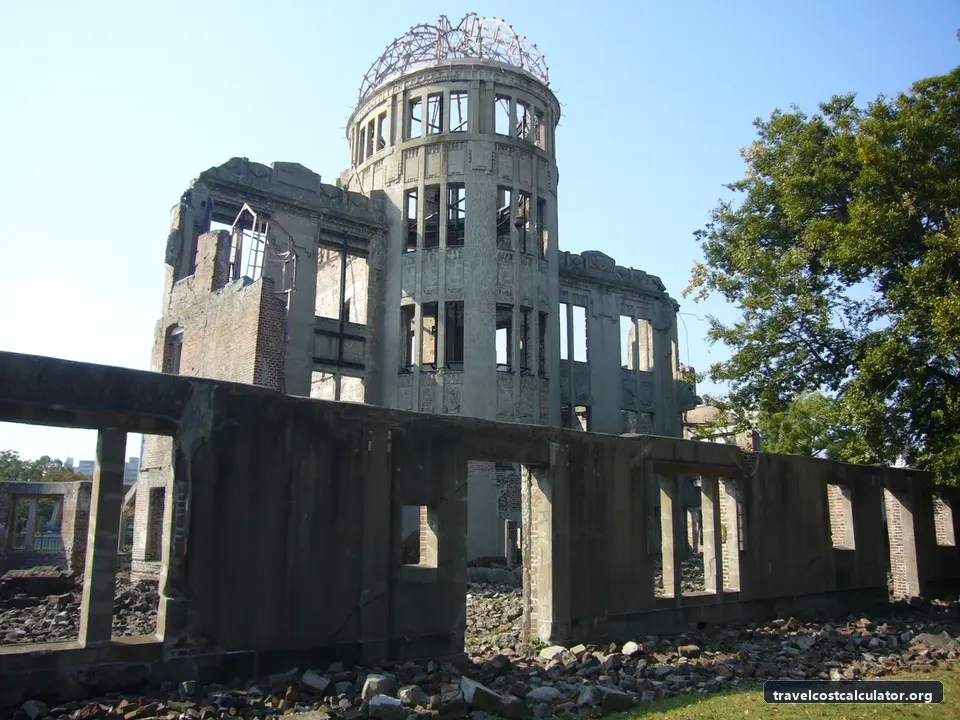
The Hiroshima Peace Memorial (Genbaku Dome) was the only structure left standing in the area where the first atomic bomb exploded on 6 August 1945.
Hiroshima Peace Memorial (Genbaku Dome)
🏛️ Overview & Historical Significance
Standing in silent, poignant relief against the modern skyline of Hiroshima, the Hiroshima Peace Memorial—popularly known as the Genbaku Dome (Atomic Bomb Dome)—is one of the world's most powerful symbols of peace, destruction, and resilience. Originally completed in April 1915 and designed by Czech architect Jan Letzel, the European-style structure served as the Hiroshima Prefectural Industrial Promotion Hall. Its distinctive copper-clad dome and bold brick framework made it a prominent architectural landmark in early 20th-century Japan.
That changed irrevocably on August 6, 1945, at 8:15 AM, when the world's first deployed atomic bomb exploded roughly 600 meters directly above and 160 meters southeast of the building. Because the blast energy hit the structure almost vertically, the central steel frame of the dome and core brick walls managed to withstand the downward pressure, even as everyone inside perished instantly. While the surrounding city was leveled into a wasteland of ash, this skeletal remnant refused to collapse.
In 1996, UNESCO officially designated the Genbaku Dome as a World Heritage site under Criterion (vi). UNESCO cited its unmatched universal value as a stark, unyielding witness to the radical destructive force of nuclear weaponry, while simultaneously serving as an enduring beacon of global commitment to nuclear disarmament and lasting peace. Kept in a preserved state of perpetual ruin through meticulous structural stabilization, the dome stands as a physical bridge between human tragedy and international reconciliation.
🎟️ Entrance Fees, Opening Hours & Ticket Booking Tips
Visiting the exterior of the Genbaku Dome is an open-air experience integrated directly into Hiroshima Peace Memorial Park. Below are the essential logistics and 2026 pricing parameters for planning your visit:
-
✦
Genbaku Dome Exterior Access: Completely FREE and accessible 24 hours a day, 365 days a year. The structure is illuminated nightly until 10:00 PM.
-
✦
Hiroshima Peace Memorial Museum (Adjacent):
- Adults (18+): ¥200 JPY (approx. $1.35 USD)
-
✦
High School Students: ¥100 JPY (approx. $0.68 USD)
-
✦
Junior High & Children: FREE
- March – July: 8:30 AM – 6:00 PM
Pro Booking & Skip-the-Line Tips for 2026
Due to elevated international visitation in 2026, the Peace Memorial Museum operates a strict online timed-entry reservation system via its official web portal. While tickets can occasionally be bought on-site, peak morning slots (9:30 AM – 1:30 PM) often sell out days in advance. Book your entry slot online up to 30 days prior to your visit to avoid waiting in physical queues exceeding 60 minutes.
🚌 How to Get There & Local Transit Costs
Hiroshima is seamlessly connected to Japan’s high-speed rail network, making it easily accessible as a day trip from Osaka or Kyoto Travel Budget, or as an overnight stop on a broader Honshu itinerary.
1. From Hiroshima Station to the Genbaku Dome
-
✦
Hiroden Streetcar (Tram): The most atmospheric and economical option. Head to the streetcar terminal outside the South Exit of Hiroshima Station. Board Line 2 (bound for Miyajimaguchi) or Line 6 (bound for Eba) and disembark at Genbaku-Dome-mae (Atomic Bomb Dome) Station.
- Duration: ~15 minutes
-
✦
Cost: Flat fee of ¥240 JPY ($1.60 USD) for adults; ¥120 JPY for children. Payable via IC cards (Suica, Pasmo, Icoca) or cash upon exiting.
- Duration: ~15–20 minutes
2. Transit from Major Regional Hubs (2026 Fares)
-
✦
From Shin-Osaka Station: Take the Sanyo Shinkansen (Nozomi or Sakura train). Journey time is approximately 85 minutes. Reserved seat fare is roughly ¥10,800 JPY ($72.00 USD) one-way.
-
✦
From Kyoto Station: Take the Shinkansen directly (95 minutes, ~¥11,800 JPY / $78.50 USD) or transfer at Shin-Osaka.
-
✦
From Tokyo Travel Budget Station: Take the direct Nozomi Shinkansen (approx. 3 hours 55 minutes, ~¥19,500 JPY / $130.00 USD one-way).
📸 Best Photography Spots & Insider Visit Hacks
Photographing the Genbaku Dome requires both aesthetic awareness and cultural sensitivity. It is a memorial site where solemnity and respect should guide every visitor’s actions.
Top Photography Angles
-
✦
Motoyasu River Bank (West View): Position yourself on the west bank of the Motoyasu River just past the Aioi Bridge. This captures the ruined dome framed against its river reflection, particularly striking during late afternoon light.
-
✦
Aioi Bridge Framing: Standing on the pedestrian footpath of the T-shaped Aioi Bridge offers an elevated perspective looking down toward the dome’s preserved northern façade.
-
✦
Peace Flame Frame: Looking north from the Cenotaph for the A-bomb Victims inside the Peace Park, you can align the arch of the Cenotaph, the Flame of Peace, and the Genbaku Dome in a single, symbolic frame.
Insider Hacks for a Meaningful Visit
-
✦
Beat the Crowds: Arrive at the outdoor park around 7:15 AM – 7:45 AM. Watching early sunlight hit the Genbaku Dome in absolute morning quiet before school groups arrive provides a profoundly moving atmosphere.
-
✦
Optimal Seasons:
- Autumn (October – November): Crisp weather, clear skies, and brilliant maples along the riverbanks.
-
✦
Spring (Late March – Early April): Cherry blossoms (sakura) blanket Peace Memorial Park, presenting a dramatic visual contrast of vibrant new life around historical ruins.
🏨 Nearby Accommodation & Daily Budget Allocation
Staying near the Peace Park puts you within walking distance of Hiroshima’s main shopping arcades (Hondori) and culinary hubs. Here is a breakdown of accommodation categories and realistic daily expense estimates for 2026.
Recommended Accommodations Near the Dome
-
✦
Budget / Hostels:
K's House Hiroshima or 36 Hostels — Clean, friendly capsule/dorm rooms within easy streetcar distance.
Price: ¥3,500 – ¥5,500 JPY ($23 – $37 USD) per night. -
✦
Mid-Range Hotels:
THE KNOT Hiroshima or Hotel Intergate Hiroshima — Modern boutique hotels situated 5–10 minutes on foot from the Genbaku Dome featuring stylish rooftop bars and city views.
Price: ¥12,000 – ¥20,000 JPY ($80 – $133 USD) per night. -
✦
Luxury & Upscale:
Hilton Hiroshima or Rihga Royal Hotel Hiroshima — Full-service luxury accommodation offering expansive views over the city and high-end dining options.
Price: ¥28,000 – ¥45,000 JPY ($186 – $300 USD) per night.
Dining Near the Peace Park
No trip to Hiroshima is complete without trying authentic Hiroshima-style Okonomiyaki—a layered savory pancake built with cabbage, pork, fried noodles (soba/udon), and topped with fried egg and sweet sauce. Visit Nagadaya (located right at the edge of Peace Park) or head to Okonomimura (a 4-story building housing over 20 specialized okonomiyaki stalls).
Sample Daily Travel Budget (Per Person, 2026 Prices)
-
✦
Backpacker Budget Planner: ¥7,000 JPY ($46 USD)
- Hostel dorm: ¥4,000 | Museum & Transport: ¥700 | Casual Meals/Okonomiyaki: ¥2,300
- 3-Star Hotel (shared): ¥10,000 | Museum & Day Tram Pass: ¥840 | Sit-down lunch & dinner with drinks: ¥7,500 | Snacks/Coffee: ¥3,660
- 5-Star Hotel: ¥35,000 | Taxis & Private Guides: ¥8,000 | Fine Dining & Oysters: ¥12,000
Frequently Asked Questions
Essential visitor FAQs for Hiroshima Peace Memorial (Genbaku Dome)
What is the entrance fee for Hiroshima Peace Memorial (Genbaku Dome)?
How much time do you need to explore Hiroshima Peace Memorial (Genbaku Dome)?
How do I get to Hiroshima Peace Memorial (Genbaku Dome) from the nearest city?
📊 Heritage Quick Specs
Visiting Japan on a Budget?
Calculate your full daily travel budget for Japan — including hotel costs, local transport, food, and sightseeing expenses.
View Japan Daily Travel Costs →Explore more UNESCO World Heritage Sites
🏛️ All 1,200+ Heritage Sites →