
 Japan
Japan
Hidden Christian Sites in the Nagasaki Region
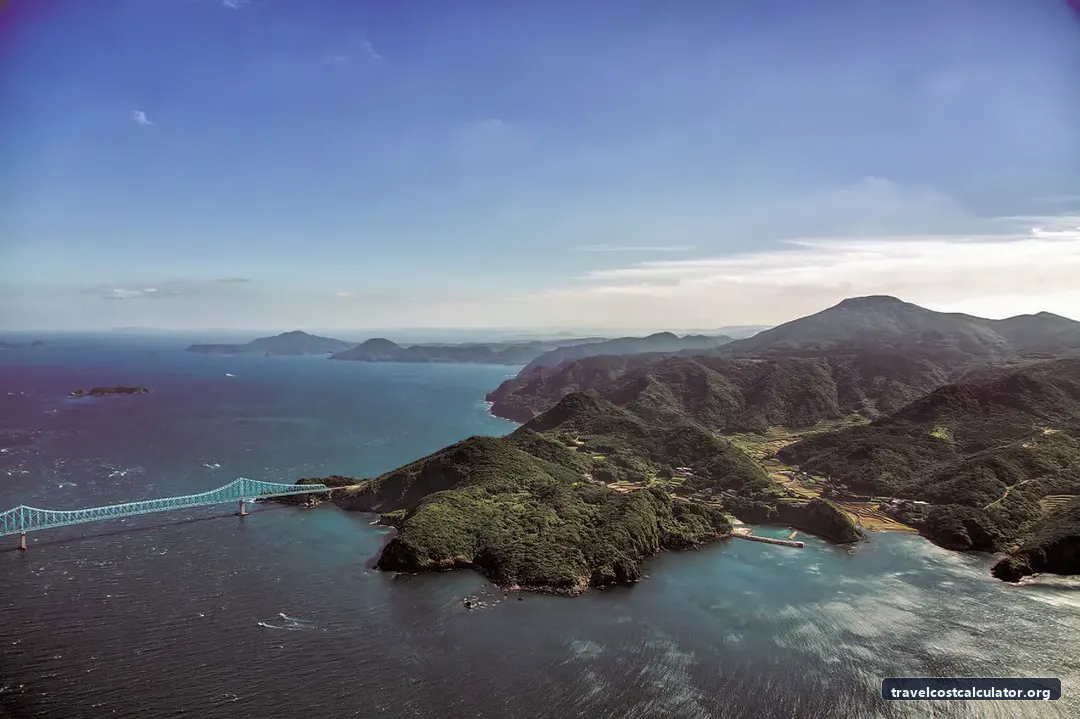
Located in the north-western part of Kyushu island, this serial property consists of ten villages, remains of the Hara Castle and a cathedral, dating from the 17th to the 19th centuries.
Hidden Christian Sites in the Nagasaki Region
🏛️ Overview & Historical Significance
Inscribed as a UNESCO World Heritage site in 2018, the Hidden Christian Sites in the Nagasaki Region comprise 12 distinct component sites—ten historic coastal villages, one castle ruin, and one iconic cathedral. Spanning the rugged coastlines of Nagasaki Prefecture and the northwestern tip of Kumamoto Prefecture (Amakusa), these sites bear exceptional witness to a unique cultural tradition forged during the 17th to 19th centuries: the secret survival of underground Christianity (Kakure Kirishitan) under a total national ban.
Following the Tokugawa Shogunate’s strict anti-Christian edicts of 1614 and the tragic suppression of the Shimabara Rebellion (1637–1638) at Hara Castle, practicing Christianity in Japan was punishable by death, torture, or exile. To preserve their faith over 250 years of national isolation (Sakoku), believers developed a sophisticated system of camouflage and syncretism:
-
✦
Maria Kannon: Statues of the Buddhist Goddess of Mercy (Kannon) were discreetly venerated as the Virgin Mary Travel Budget.
-
✦
Sacred Sacred Geography: Devotees integrated their worship into existing Shinto and Buddhist holy natural sites, such as the sacred mountain of Mount Yasumandake and the terraced landscape of Kasuga Village in Hirado.
-
✦
Oral Liturgy (Oratio): Prayers were handed down orally from generation to generation in a secretive blend of Latin, Portuguese, and archaic Japanese.
The prohibition finally began to collapse in March 1865 when a small group of hidden farmers entered the newly built Oura Cathedral in Nagasaki and quietly confessed their secret faith to Father Bernard Petitjean—an event known globally in church history as the "Discovery of Christians" (Kaikou). Today, these remote fishing hamlets, timber-frame churches, and archaeological fortress remains offer an unparalleled journey through resilience, faith, and architectural fusion.
🎟️ Entrance Fees, Opening Hours & Ticket Booking Tips
Because the UNESCO site is distributed across mainland Nagasaki, Hirado, Amakusa, and the remote Gotō Islands, admission structures vary by component site. While outdoor archaeological ruins and traditional village landscapes are free to explore, indoor church sites and dedicated heritage museums charge small entry or maintenance preservation fees.
Key Site Pricing & Hours (Estimated 2026 Rates)
-
✦
Oura Cathedral & Christian Heritage Museum (Nagasaki City):
- Adults: ¥1,200 (~$8.00 USD) | Students: ¥1,000 (~$6.70 USD) | Children: ¥600 (~$4.00 USD)
-
✦
Hours: 8:30 AM – 5:30 PM (Last entry 5:00 PM; open daily)
- Grounds: Free admission (Open 24/7)
- Admission: Free (Donation of ¥200 / ~$1.35 USD encouraged for trail maintenance) | Hours: 8:30 AM – 5:00 PM
- Church Entry: Free (Prior online registration recommended; small ¥300 donation requested) | Hours: 9:00 AM – 5:00 PM
- Maintenance Preservation Contribution: ¥300–¥500 (~$2.00–$3.35 USD) per church site.
Crucial 2026 Reservation Hacks
To protect fragile architectural treasures and respect active local congregations, Japan's Agency for Cultural Affairs enforces strict visitation quotas for island churches like Egami Church (Naru Island) and Former Gorin Church (Hisaka Island). You must reserve your visit slot in advance through the official Nagasaki UNESCO Hidden Christian Sites Church Visitor Center web portal. Advance bookings open 2 to 3 months ahead. Always remove your shoes when entering timber-floored chapels, and note that indoor photography inside consecrated sanctuary space is strictly prohibited.
🚌 How to Get There & Local Transit Costs
Nagasaki City serves as the primary regional transit hub. Thanks to the Nishi-Kyushu Shinkansen (Kamome), high-speed rail access between Fukuoka (Hakata Station) and Nagasaki is seamless, taking roughly 1 hour and 20 minutes with a transfer at Takeo-Onsen.
1. Reaching Nagasaki Hub from Major Cities
-
✦
Hakata (Fukuoka) to Nagasaki Station: JR Relay Limited Express + Nishi-Kyushu Shinkansen (¥6,000–¥6,500 / ~$40–$43 USD one-way, fully covered by the JR Kyushu Rail Pass).
-
✦
Fukuoka Airport (FUK) to Nagasaki: Kyushu Go-To Express Bus (¥2,900 / ~$19.30 USD one-way; 2 hours 15 minutes).
2. Transit to Key Mainland Component Sites
-
✦
Oura Cathedral (Nagasaki City): Take the Nagasaki Electric Tramway (Line 5) to Oura-Tenshudo stop (¥140 / ~$0.93 USD). Walk 5 minutes uphill through the historic shopping street.
-
✦
Hara Castle Ruins (Minamishimabara): Take the JR train from Nagasaki to Isahaya Station (30 min, ¥480), then transfer to the Shimabara Railway Bus bound for Kazusa, alighting at Harajo-mae stop (80 min, ¥1,650 / ~$11.00 USD). Total transit time ~2.5 hours.
-
✦
Kasuga Village & Mt. Yasumandake (Hirado): Take JR Express from Nagasaki to Sasebo (1.5 hrs, ¥1,850), then Matsuura Railway to Tabira-Hiradoguchi (1 hr, ¥1,400). From Hirado Bus Terminal, a car rental is strongly advised due to sparse rural bus connections. Rental car from Sasebo/Hirado costs ~¥6,500–¥9,000 ($43–$60 USD) per 24 hours.
3. Reaching the Remote Gotō Islands (Fukue, Hisaka, Naru)
Ferries depart daily from Nagasaki Port Terminal (15-minute walk from Nagasaki Station):
-
✦
Hydrofoil Jetfoil (Nagasaki to Fukue Port): ~85 minutes | ¥8,500–¥9,200 ($56–$61 USD) one-way. Fast and smooth, but reservations are mandatory in peak seasons.
-
✦
Car Ferry (Nagasaki to Fukue Port): ~3.5 hours | ¥4,200–¥4,800 ($28–$32 USD) passenger foot ticket one-way.
-
✦
Island-Hopping Charters: Local passenger boats connecting Fukue to Hisaka and Naru islands range between ¥600 and ¥1,500 ($4.00–$10.00 USD) per leg. Shared sea taxis run ~¥2,500 ($16.70 USD).
📸 Best Photography Spots & Insider Visit Hacks
Capturing the poignant beauty of these remote sites requires planning around coastal weather, sun angles, and strict site restrictions.
Top 5 Iconic Photo Locations
-
✦
Sakitsu Village Harbor View (Amakusa): Shoot from across the small inlet during high tide. The soaring Gothic spire of Sakitsu Catholic Church appears to rise directly out of the traditional Japanese wooden fishing shacks and tranquil sea.
-
✦
Kasuga Rice Terraces (Hirado): Walk up the hill path above Kasuga village. Photographers get an incredible vista of emerald terraced rice fields sweeping down to the deep blue waters of the East China Sea and sacred Mt. Yasumandake.
-
✦
Oura Cathedral Facade (Nagasaki City): Frame the pristine white Gothic facade from the base of the stone staircase in the early morning around 8:30 AM before tour buses arrive.
-
✦
Former Gorin Church Exterior (Hisaka Island): Position yourself on the wooden pier to capture this historic 1881 wooden structure nestled right against dense primeval forest shoreline.
-
✦
Hara Castle Coastal Ramparts (Minamishimabara): Capture the weathered stone foundation ruins framed by wild coastal blooms and the expanse of the Ariake Sea.
Insider Visit Hacks
-
✦
Respect Interior Rules: Photography is strictly forbidden inside all working churches out of respect for active worshipers and preservation rules. Focus your lens on exterior architecture, surrounding landscapes, and local museums.
-
✦
Best Season to Visit: April–May (pleasant spring temperatures, lush greenery) and October–November (mild sunny days, vibrant autumn color). Avoid typhoon season (August to mid-September), as island ferries are frequently canceled due to high ocean swells.
-
✦
Rent a Car for Remote Clusters: While Nagasaki City has public trams, visiting Hirado, Minamishimabara, or Fukue Island via public buses can consume hours of waiting time. Renting a compact hybrid car with an International Driving Permit (IDP) cuts transit time by 60%.
🏨 Nearby Accommodation & Daily Budget Allocation
Travelers exploring the Hidden Christian sites generally Split Travel Budget their nights between Nagasaki City (for central components and mainland transit) and a Ryokan or Minshuku on Fukue Island / Hirado for an immersive remote island experience.
Recommended Accommodations
-
✦
Budget ($25 – $55 USD / night):
- Nagasaki: Route-Inn Grantia Nagasaki or local guesthouses like Casa Noda near Nagasaki Port.
-
✦
Fukue Island: Guesthouse Umino-ie or local budget hostels near Fukue Port.
- Nagasaki: Candeo Hotels Nagasaki Shinchi Chinatown or Hotel Marine World.
- Nagasaki: Garden Terrace Nagasaki Hotel & Resort (Architect Kengo Kuma design overlooking Mount Inasa night view).
Daily Budget Allocation Breakdown (Estimated 2026)
| Expense Category | Budget Backpacker | Mid-Range Traveler | Luxury / Independent |
|---|---|---|---|
| Accommodation | ¥4,000 ($27 USD) | ¥14,000 ($93 USD) | ¥45,000 ($300 USD) |
| Food & Dining | ¥2,500 ($17 USD) | ¥6,000 ($40 USD) | ¥18,000 ($120 USD) |
| Transport & Ferries | ¥2,000 ($13 USD) | ¥5,500 ($37 USD) | ¥15,000 ($100 USD) |
| Sightseeing & Fees | ¥1,200 ($8 USD) | ¥2,500 ($17 USD) | ¥5,000 ($33 USD) |
| Total Est. Daily Budget | ¥9,700 (~$65 USD) | ¥28,000 (~$187 USD) | ¥83,000 (~$553 USD) |
Must-Try Regional Dishes: Don't miss Nagasaki Champon (hearty noodle soup packed with seafood and pork, ~¥1,000 / $6.70 USD), Goto Udon served in light flying-fish (ago) broth, and fresh wild-caught sea bream in Amakusa.
Frequently Asked Questions
Essential visitor FAQs for Hidden Christian Sites in the Nagasaki Region
What is the entrance fee for Hidden Christian Sites in the Nagasaki Region?
How much time do you need to explore Hidden Christian Sites in the Nagasaki Region?
How do I get to Hidden Christian Sites in the Nagasaki Region from the nearest city?
📊 Heritage Quick Specs
Visiting Japan on a Budget?
Calculate your full daily travel budget for Japan — including hotel costs, local transport, food, and sightseeing expenses.
View Japan Daily Travel Costs →Explore more UNESCO World Heritage Sites
🏛️ All 1,200+ Heritage Sites →