
 United Kingdom
Henderson Island
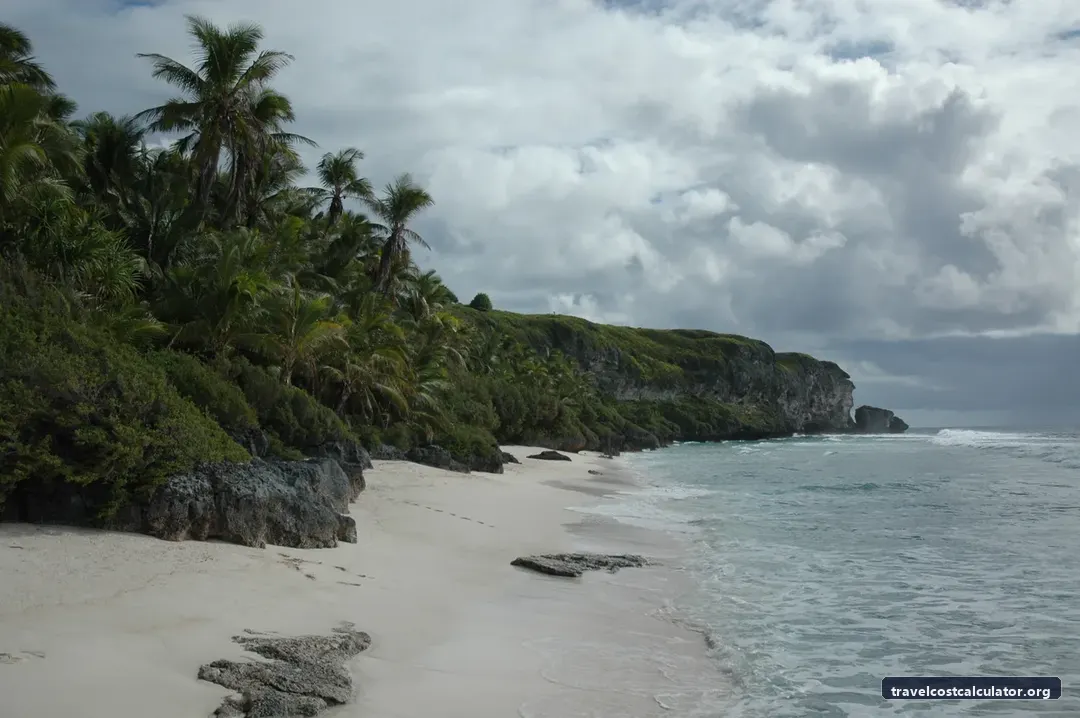
Henderson Island, which lies in the eastern South Pacific, is one of the few atolls in the world whose ecology has been practically untouched by a human presence.
Henderson Island
🏛️ Overview & Historical Significance
Rising dramatically out of the south-central Pacific Ocean, Henderson Island is one of the ultimate holy grails for naturalists, intrepid explorers, and UNESCO World Heritage enthusiasts. As part of the Pitcairn Islands—a remote Overseas Territory of the United Kingdom—this 37.3-square-kilometer uninhabited landmass was inscribed as a UNESCO World Heritage Site in 1988. It stands as one of the world's last remaining raised coral atolls whose terrestrial ecosystem remains practically untouched by human activity.
What makes Henderson Island globally significant is its unique evolutionary landscape. Tectonically uplifted roughly 30 meters above sea level by volcanic activity from the neighboring Pitcairn hotspot, the island features an impenetrable interior of jagged fossilized coral (makatea) blanketed in dense, scrubby forest. Because it lacks permanent fresh water, human disturbance has been virtually non-existent for centuries, allowing pre-human biodiversity to survive intact.
The island is a biological ark of high endemicity. It harbors four endemic land birds found nowhere else on Earth: the elusive, flightless Henderson Crake (Zapornia atra), the vibrant Henderson Lorikeet (Vini stepheni), the Henderson Fruit Dove (Ptilinopus insularis), and the Henderson Reed Warbler (Arocephalus mendanae). Additionally, nine endemic plant species and dozens of specialized snails call this coral fortress home, alongside critical nesting colonies for millions of seabirds, including Murphy’s Petrel and the Herald Petrel.
Historically, Polynesian voyagers inhabited Henderson between the 11th and 15th centuries—as evidenced by rock shelters, fishhooks, and petroglyphs discovered at North Beach—before resource depletion forced their departure. Today, in 2026, Henderson Island remains an invaluable living laboratory for scientists studying island biogeography, evolution, and environmental preservation in an increasingly altered world.
🎟️ Entrance Fees, Opening Hours & Ticket Booking Tips
Unlike conventional tourist destinations, accessing Henderson Island is strictly governed by the Pitcairn Islands Government and the local Island Council to preserve its fragile ecosystem. You cannot simply buy a standard entry ticket at a booth; visiting requires specialized permits, expedition planning, and stringent biosecurity clearance.
Estimated 2026 Permit Costs & Landing Fees
-
✦
Pitcairn Territory Entry & Environmental Landing Permit: $300 – $600 USD (£235 – £470 GBP) per visitor. (This fee is usually integrated into official expedition cruise charters or scientific permits).
-
✦
Independent Scientific / Expedition Application Fee: $1,000 USD (£785 GBP) flat administrative fee per expedition group, plus mandatory biosecurity escort fees (~$200 USD per day).
-
✦
Commercial Film & Media Permits: $1,500 – $3,500 USD (£1,175 – £2,750 GBP) depending on the scope of the crew and equipment.
Opening Hours & Seasonal Logistics
Henderson Island has no fixed opening hours. Landing is permitted only during daylight hours under favorable weather and wave conditions. The island is accessible primarily during the South Pacific summer and shoulder months—October through April—when oceanic swells are generally calmer, allowing Zodiac boats to navigate the outer reef breaks.
Essential Ticket & Booking Tips for 2026
-
✦
Book Expeditions 12 to 18 Months Ahead: Small-ship luxury expedition operators (such as Silversea Expeditions, Ponant, or Heritage Expeditions) feature the Pitcairn group on select South Pacific itineraries. Cabins fill up well over a year in advance due to strict vessel passenger limits.
-
✦
Biosecurity Protocol Compliance: Before setting foot on Henderson, your footwear, clothing, and camera gear must undergo a mandatory biosecurity check to ensure zero non-native seeds, soil, or insects are introduced to the ecosystem.
-
✦
Permit Approvals: If traveling via charter, ensure the expedition leader has secured landing approval directly from the Pitcairn Islands Conservation Committee in Adamstown.
🚌 How to Get There & Local Transit Costs
Reaching Henderson Island requires one of the most complex oceanic journeys on the planet. Positioned roughly 190 kilometers (120 miles) northeast of Pitcairn Island and over 5,000 kilometers from any continental landmass, there are no airports, airstrips, harbors, or docks on Henderson.
Step-by-Step Transit Route (2026 Logistics)
Step 1: Fly to the South Pacific Gateway
Book an international flight to Fa'a'ā International Airport in Papeete, Tahiti (PPT). Estimated round-trip airfare: $1,200 – $2,500 USD from North America or Europe.
Step 2: Domestic Flight to Mangareva (Gambier Islands)
From Tahiti, fly via Air Tahiti to Totegegie Airport in Mangareva (GMR). Flights operate once or twice per week. Estimated round-trip airfare: $800 – $1,250 USD (€740 – €1,150).
Step 3: Ocean Voyage to the Pitcairn Archipelago
From Mangareva, you must board a sea vessel to traverse the South Pacific:
-
✦
Option A: Official Dedicated Charter / Supply Vessel (MV Silver Supporter): The Pitcairn government-contracted passenger vessel operates multi-day voyages from Mangareva to Pitcairn and surrounding islands. Cost: $5,500 – $8,500 USD per person round-trip, including onboard berth and meals.
-
✦
Option B: Specialized Expedition Cruise: Multi-week luxury ocean voyages sailing from Tahiti or Easter Island through the Pitcairn group. Cost: $12,000 – $28,000 USD per person for the full itinerary.
Step 4: Amphibious Landing via Zodiac
Upon arriving offshore at Henderson Island, ships anchor in deep water. Visitors transfer to heavy-duty Zodiac inflatable craft to navigate through shallow channels in the fringing reef onto North Beach or East Beach. Wet landings are mandatory, requiring visitors to wade through knee-deep surf onto jagged beach terrain.
📸 Best Photography Spots & Insider Visit Hacks
Prime Photography Spots
-
✦
North Beach Coastal Fringe: A sweeping stretch of coral sand backed by dense octopus-bush (Argusia argentea). This is the absolute best location to spot and photograph the non-flying Henderson Crake as it moves through the underbrush.
-
✦
The Fossilized Coral Cliffs (Makatea): The sharp, honeycombed coral pinnacles towering up to 30 meters high showcase millions of years of uplifted marine biology. The texture and scale create dramatic land-meets-sea landscape shots.
-
✦
East Beach Seabird Colonies: Prime vantage points for capturing wheeling seabirds against the deep blue South Pacific, including Great Frigatebirds, Masked Boobies, and rare Petrel species returning to their nests.
Insider Visit Hacks for 2026
-
✦
Protective Footwear is Non-Negotiable: Never walk on Henderson in open sandals or thin sneakers. The jagged makatea (fossilized limestone coral) acts like razor blades. High-ankle hiking boots with puncture-resistant soles are vital.
-
✦
Pack Watertight Camera Protection: Landing through the surf on Zodiacs almost guarantees salt spray. Store cameras, lenses, and drone gear inside IP67-rated waterproof hard cases or dry bags until safely established on the dry upper beach.
-
✦
Telephoto Lens Selection: Bring a fast 300mm to 600mm telephoto lens. Endemic birds like the Henderson Lorikeet canopy-feed quickly, and keeping a respectful distance from nesting seabirds is both required by law and essential for crisp wildlife shots.
-
✦
Prepare for Tropical Heat & High Humidity: Despite being surrounded by ocean, the interior of Henderson is hot, humid, and windless. Carry at least 2 to 3 liters of water per excursion, along with reef-safe sunscreen and wide-brimmed sun hats.
🏨 Nearby Accommodation & Daily Budget Allocation
Important Note: There is absolutely no tourist accommodation, hotel, or camping allowed on Henderson Island. Overnight stays on the landmass are strictly prohibited by the conservation authorities to maintain zero-impact biosecurity standards. All visitors must sleep aboard their expedition vessel or return to Pitcairn Island.
Accommodation Base Options
-
✦
Expedition Ship Stateroom (Primary Choice): You sleep, dine, and live aboard your cruise or charter vessel anchored offshore.
-
✦
Pitcairn Island Homestays (Pre/Post Excursion Base): Located on Pitcairn Island (190 km away), local families in Adamstown offer private homestays and chalets. Cost: $150 – $250 USD per person per night (includes all home-cooked meals and local transfers).
Estimated Daily Budget Breakdown (2026 Costs)
Because visiting Henderson Island is an all-inclusive expeditionary undertaking, daily costs are amortized across the full expedition itinerary. Below is an estimated cost profile for an expedition trip reaching Henderson Island in 2026:
-
✦
Budget Expedition Trajectory (Supply Vessel + Pitcairn Homestay Base): $500 – $850 USD per day. Includes amortized ocean passage, local Pitcairn homestay accommodations, landing permit allocations, and food.
-
✦
Mid-Range to Luxury Expedition Cruise: $1,400 – $2,800 USD per day. Covers luxury small-ship cabin suites, gourmet dining, daily Zodiac excursions, expert naturalist lectures, biosecurity fees, and landing permits.
-
✦
Private Yacht Charter / Scientific Expedition: $3,500+ USD per day (dependent on vessel crew size, fuel costs, and custom permits).
Frequently Asked Questions
Essential visitor FAQs for Henderson Island
What is the entrance fee for Henderson Island?
How much time do you need to explore Henderson Island?
How do I get to Henderson Island from the nearest city?
📊 Heritage Quick Specs
Visiting United Kingdom on a Budget?
Calculate your full daily travel budget for United Kingdom — including hotel costs, local transport, food, and sightseeing expenses.
View United Kingdom Daily Travel Costs →Explore more UNESCO World Heritage Sites
🏛️ All 1,200+ Heritage Sites →