
 Australia
Heard and McDonald Islands
Heard Island and McDonald Islands are located in the Southern Ocean, approximately 1,700 km from the Antarctic continent and 4,100 km south-west of Perth.
Heard and McDonald Islands
1. 🏛️ Overview & Historical Significance
Located in the stormy depths of the Southern Ocean, approximately 4,100 kilometers (2,550 miles) southwest of Perth, Western Australia, and 1,630 kilometers (1,010 miles) north of Antarctica, the Territory of Heard Island and McDonald Islands (HIMI) is one of the most isolated, pristine, and geologically dynamic places on Earth. Inscribed as a UNESCO World Heritage Site in 1997, this uninhabited Australian external territory covers roughly 372 square kilometers of land and a massive surrounding Marine Reserve spanning over 65,000 square kilometers.
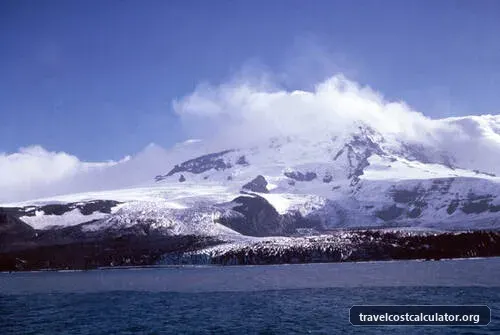
UNESCO granted World Heritage status based on rare natural criteria. First, Heard Island is dominated by Big Ben, a massive, ice-covered active stratovolcano culminating in Mawson Peak (2,745 meters / 9,006 feet)—which holds the distinction of being Australia’s highest peak outside the Australian Antarctic Territory (surpassing Mount Kosciuszko). Meanwhile, nearby McDonald Island doubled in size during dramatic volcanic eruptions in the late 1990s and early 2000s. Second, HIMI represents a completely intact subantarctic ecosystem with zero known introduced species. Unlike South Georgia or Macquarie Island, which suffered historical invasions of rats, cats, and rabbits, Heard and McDonald Islands remain pristine sanctuaries untouched by invasive flora or fauna.
Historically discovered in the mid-19th century by sealers, the islands witnessed brief periods of intensive seal hunting during the 1850s to 1920s before being abandoned to nature. Today, the territory serves as a vital biological refuge for millions of breeding seabirds—including over two million Macaroni penguins, King penguins, and endangered Wandering albatrosses—alongside vast colonies of Southern elephant seals and Antarctic fur seals. For environmental scientists, climate researchers, and extreme polar geographers in 2026, HIMI stands as a priceless natural laboratory for studying climate change, glacial retreat, and volcanic activity without human interference.
2. 🎟️ Entrance Fees, Opening Hours & Ticket Booking Tips
Visiting Heard and McDonald Islands is radically different from visiting standard tourist destinations. There are no commercial ticket booths, tourist turnstiles, visitor centers, or set opening hours. The islands are managed as a strict nature reserve under the Heard Island and McDonald Islands Marine Reserve Management Plan by the Australian Antarctic Division (AAD).
2026 Permit & Administrative Costs
-
✦
AAD Entry & Activity Permit: Free to AUD $1,500 (~$0 - $1,000 USD). Access requires a formal permit issued under the Environment Protection and Biodiversity Conservation Act 1999. Permits are strictly limited to legitimate scientific research, environmental monitoring, or highly regulated educational expeditions.
-
✦
Environmental Impact Assessment (EIA) Filing: AUD $2,500 – $5,000 (~$1,650 – $3,300 USD) in administrative and environmental assessment filing fees for private expedition organizers.
-
✦
Search & Rescue (SAR) Insurance Bond: $250,000+ USD mandatory coverage. The Australian Government requires any independent vessel entering the territory to provide proof of comprehensive search-and-rescue insurance and emergency evacuation bonds before permit approval.
-
✦
Commercial Expedition Cruise Berths (2026 Estimates): In rare years when specialized subantarctic charter vessels (such as Heritage Expeditions or specialized polar charters) attempt a passage past HIMI, standard berth rates range from $35,000 USD to $75,000 USD per person for a 30-to-40-day voyage.
Crucial Booking & Compliance Hacks for 2026
Permit applications to the Australian Antarctic Division must be submitted at least 12 to 18 months prior to planned departure. Due to strict biosecurity protocols updated for 2026, every piece of outerwear, tripod foot, camera bag, and boot must undergo rigorous vacuuming, chemical washdown, and inspection before landing is ever authorized. Furthermore, landing on McDonald Island is virtually banned under all circumstances due to continuous volcanic instability and extreme conservation status. Most visits are strictly ship-based or Zodiac-based offshore viewings.
3. 🚌 How to Get There & Local Transit Costs
There are no airports, landing strips, harbors, or jetties on Heard or McDonald Islands. Reaching the archipelago requires navigating some of the roughest sea passages on the planet—crossing the infamous "Furious Fifties" latitudes in the Southern Ocean.
Step-by-Step Expedition Route from Major Hubs
The primary departure ports for voyages heading to Heard Island are Hobart (Tasmania, Australia) or Fremantle / Perth (Western Australia). Occasional international scientific expeditions depart from Cape Town Travel Budget (South Africa) or Port Louis Travel Budget (Mauritius).
-
✦
Step 1: Transit to Australian Staging Hub (Perth or Hobart):
- Flight to Perth (PER) or Hobart (HBA): $800 – $2,200 USD return from North America or Europe.
-
✦
Local harbor taxi / transfer to vessel dock: AUD $45 – $80 (~$30 – $53 USD).
- Distance: ~4,100 kilometers southwest of Western Australia.
- Once anchored in open roadsteads off Heard Island (such as Atlas Cove or Spit Bay), transfer to shore is strictly by heavy-duty Mark V Zodiacs or specialized polar tenders. Shore landings are subject to immediate cancellation if katabatic winds or heavy surf develop.
Vessel Charter & Transit Costs (2026 Financial Overview)
If organizing a private scientific expedition, chartering an ice-strengthened polar research vessel or class-1A expedition ship from Fremantle or Hobart costs between $15,000 USD and $40,000 USD per day. A full 35-day charter run quickly totals $550,000 USD to $1,400,000 USD, requiring cost-sharing among research institutions or high-net-worth expedition participants.
4. 📸 Best Photography Spots & Insider Visit Hacks
Photographing Heard Island is a bucket-list dream for wildlife photographers and extreme geographers. However, the island is enveloped in cloud cover for over 85% of the year, making sightings of its grand volcanic peak a rare, breathtaking prize.
Top Photography Locations
-
✦
Atlas Cove & Corinthian Bay: Offers iconic views of the massive, glacier-draped north face of Big Ben. Framing the dark volcanic sand beaches against thousands of Macaroni and King penguins creates unforgettable imagery.
-
✦
Elephant Spit: A stunning 9-kilometer-long narrow ribbon of sand stretching into the Southern Ocean at the eastern end of Heard Island. It is densely packed with massive breeding bulls of Southern elephant seals and fur seals.
-
✦
McDonald Island Lava Domes: Photographed exclusively from shipboard deck at a safe offshore distance. The steep, rugged, steam-venting terrain shows raw planetary geology in action.
-
✦
Gotley Glacier & Cave Bay: Incredible icefall perspectives where immense tidewater glaciers calve directly into the subantarctic ocean waves.
Insider Weather & Equipment Hacks for 2026
-
✦
Ideal Seasonal Window: The optimal time to attempt a voyage is during the Austral summer between November and February. Average temperatures hover around 0°C to 4°C (32°F to 39°F), and daylight hours extend up to 17.5 hours per day.
-
✦
Lens Choice & Weatherproofing: Flying drones is heavily restricted by AAD permits to prevent bird disturbance. Bring fast telephoto lenses (100-400mm or 600mm) from vessel decks. Camera gear must be sealed inside IP67-rated waterproof dry boxes (like Pelican cases) due to salt spray and sudden deluge rain.
-
✦
Image Stabilization: Shooting from a rolling vessel in 5-meter Southern Ocean swells requires high-speed shutter settings (1/2000s minimum) and advanced multi-axis IBIS (In-Body Image Stabilization).
5. 🏨 Nearby Accommodation & Daily Budget Allocation
There are no commercial hotels, lodges, hostelleries, or campsites anywhere on Heard Island or the McDonald Islands. Building permanent structures is prohibited under environmental protection laws. The old scientific huts at Atlas Cove built during early ANARE (Australian National Antarctic Research Expeditions) operations in the mid-20th century are abandoned and largely ruined.
Where Visitors Stay
All expedition personnel and permit holders live exclusively onboard their expedition vessel anchored offshore. In emergency situations during field operations, scientists utilize temporary weather-resistant refuge huts or polar tents at designated base sites like Spit Bay, which must be completely packed out upon departure under strict "Leave No Trace" laws.
Sample Staging City & Expedition Budget Allocation (2026 Rates)
To plan a realistic financial budget for an expedition to HIMI, travelers must account for both mainland Australian preparation and the offshore expedition phase:
-
✦
Mainland Staging Accommodation (Perth or Hobart, 3-4 days pre-departure):
- Budget Hostel / Backpacker: AUD $45 – $75 (~$30 – $50 USD) per night.
-
✦
Mid-Range Waterfront Hotel: AUD $180 – $320 (~$120 – $210 USD) per night.
-
✦
Luxury Staging Hotel (e.g., MACq 01 in Hobart): AUD $450 – $750 (~$300 – $495 USD) per night.
- All-Inclusive Expedition Berth (Meals, Berth, Permit Management, Guide Services): $1,200 USD – $2,500 USD per day over a 30-to-40-day itinerary.
- Budget Meal (Local Fish & Chips / Pub Fare): AUD $18 – $28 (~$12 – $18 USD).
Frequently Asked Questions
Essential visitor FAQs for Heard and McDonald Islands
What is the entrance fee for Heard and McDonald Islands?
How much time do you need to explore Heard and McDonald Islands?
How do I get to Heard and McDonald Islands from the nearest city?
📊 Heritage Quick Specs
Visiting Australia on a Budget?
Calculate your full daily travel budget for Australia — including hotel costs, local transport, food, and sightseeing expenses.
View Australia Daily Travel Costs →Explore more UNESCO World Heritage Sites
🏛️ All 1,200+ Heritage Sites →