
 Japan
Gusuku Sites and Related Properties of the Kingdom of Ryukyu
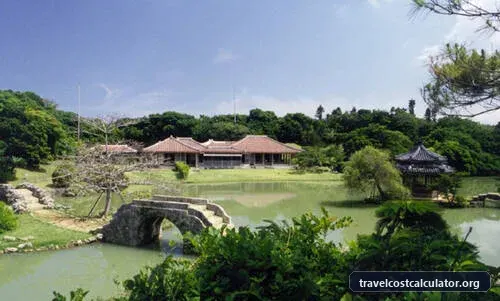
Five hundred years of Ryukyuan history (12th-17th century) are represented by this group of sites and monuments.
Gusuku Sites and Related Properties of the Kingdom of Ryukyu
🏛️ Overview & Historical Significance
Inscribed by UNESCO in 2000, the Gusuku Sites and Related Properties of the Kingdom of Ryukyu represent a fascinating, distinct chapter in East Asian history. Located across the subtropical island of Okinawa, Japan, this collective World Heritage designation encompasses nine distinct archaeological and cultural sites. Together, they tell the story of the Ryukyu Kingdom, an independent maritime nation that flourished between the 14th and 19th centuries as a crucial trading bridge connecting Japan, China, Korea, and Southeast Asia.
The term gusuku refers to the unique stone fortresses constructed during Okinawa's feudal warring period. Unlike mainland Japanese castles with their angular timber designs and tiled roofs, Ryukyu's gusuku feature undulating, snake-like defensive walls crafted from local Ryukyuan limestone, harmonizing seamlessly with the natural coral landscape. Architectural influences from Ming Dynasty China, classical Japan, and indigenous Okinawan spiritual traditions intersect across these ruins.
The nine UNESCO-protected components are categorized into three distinct cultural typologies:
-
✦
Active & Historic Fortresses (Gusuku): Shurijo Castle, Nakagusuku Castle Ruins, Katsuren Castle Ruins, Zakimi Castle Ruins, and Nakijin Castle Ruins.
-
✦
Sacred Indigenous Places of Worship: Sefa-utaki (the supreme spiritual site of the native Ryukyu religion) and Sonohyan-utaki Ishimon (a sacred stone gate where kings offered prayers before journeys).
-
✦
Royal Architecture & Gardens: Tamaudun Royal Mausoleum and Shikinaen Royal Garden (a second home and entertainment palace for visiting Chinese envoys).
A central focal point for visitors is Shurijo Castle in Naha. Following a devastating fire in late 2019 that destroyed the main wooden hall (Seiden), an ambitious, traditional restoration initiative has taken place. Visitors can witness master artisans actively restoring the magnificent complex using historic techniques, timber joinery, and natural red lacquer, restoring this living symbol of Ryukyu identity to its full glory.
🎟️ Entrance Fees, Opening Hours & Ticket Booking Tips
Visiting the UNESCO sites requires individual ticketing at each property, as there is no single all-inclusive paper pass for all nine sites. However, digital sightseeing passes like the regional OKINAWA FunPASS offer bundled mobile ticketing options. Below are the updated entrance rates, hours, and visiting tips:
Individual Entrance Fees & Operating Hours
-
✦
Shurijo Castle Park & Seiden Restoration Zone: Adults: ¥400 JPY (~$2.70 USD) | Children (6-15): ¥160 JPY (~$1.10 USD). Open daily from 8:30 AM to 6:00 PM (extended to 7:00 PM from July to September). The outer grounds remain free to enter.
-
✦
Tamaudun Royal Mausoleum: Adults: ¥300 JPY (~$2.00 USD) | Children: ¥150 JPY (~$1.00 USD). Open 9:00 AM to 5:30 PM (Last entry 5:00 PM).
-
✦
Shikinaen Royal Garden: Adults: ¥400 JPY (~$2.70 USD) | Children: ¥200 JPY (~$1.35 USD). Open 9:00 AM to 5:30 PM (Closed Wednesdays).
-
✦
Sefa-utaki Sacred Site: Adults: ¥500 JPY (~$3.40 USD) | Children: ¥200 JPY (~$1.35 USD). Open 9:00 AM to 5:30 PM (Closed during designated lunar rituals twice a year).
-
✦
Nakagusuku Castle Ruins: Adults: ¥400 JPY (~$2.70 USD) | High School Students: ¥300 JPY (~$2.00 USD). Open 8:30 AM to 5:00 PM.
-
✦
Katsuren Castle Ruins & Amawari Park Museum: Adults: ¥600 JPY (~$4.00 USD) | Children: ¥300 JPY (~$2.00 USD). Open 9:00 AM to 6:00 PM.
-
✦
Zakimi Castle Ruins: Free entrance to castle grounds. The adjacent Yomitan Village History Museum costs ¥200 JPY (~$1.35 USD). Grounds accessible 24/7.
-
✦
Nakijin Castle Ruins: Adults: ¥500 JPY (~$3.40 USD) | Students: ¥380 JPY (~$2.55 USD). Open 8:00 AM to 6:00 PM (extended to 7:00 PM in summer).
Insider Booking & Ticket Tips
While cash (Japanese Yen) was traditionally required, all major sites now accept contactless payments, IC travel cards (Suica, Pasmo, OKICA), and international credit cards (Visa/Mastercard). If you plan to visit multiple sites in Naha, purchasing a 1-Day Yui Rail Monorail Pass grants you a 20% discount on entry fees at Shurijo Castle, Tamaudun, and Shikinaen Garden upon presenting your daily train ticket.
🚌 How to Get There & Local Transit Costs
The primary gateway to Okinawa is Naha Airport (OKA). Because the nine sites are distributed across the southern, central, and northern regions of Okinawa Main Island, choosing the right transport strategy is critical.
1. Accessing Southern Sites (Naha Cluster & Sefa-utaki)
Sites located within Naha City (Shurijo Castle, Tamaudun, Sonohyan-utaki) are accessible via the Yui Rail (Okinawa Urban Monorail).
-
✦
Monorail: Ride from Naha Airport or Kokusai-dori to Shuri Station (27 minutes, ¥340 JPY / ~$2.30 USD). From Shuri Station, it is a 15-minute uphill walk or a short 5-minute local bus ride (Bus #1 or #14 for ¥240 JPY / ~$1.60 USD) to Shurijo Castle.
-
✦
Yui Rail Day Passes: A 24-hour pass costs ¥800 JPY (~$5.40 USD), while a 48-hour pass costs ¥1,400 JPY (~$9.40 USD).
-
✦
Transit to Sefa-utaki: Take Naha Bus Line #38 from Naha Bus Terminal directly to the Kudaken-guchi stop (approx. 60 minutes, ¥850 JPY / ~$5.75 USD standard fare).
2. Accessing Central & Northern Castles (Nakagusuku, Katsuren, Zakimi, Nakijin)
Public buses reach outer castles, but routes run infrequently. Renting a vehicle or booking a day tour offers significantly greater efficiency.
-
✦
Car Rental: Renting a compact car at Naha Airport costs approximately ¥5,000 to ¥8,000 JPY per day (~$34 - $54 USD), excluding fuel and Okinawa Expressway tolls (approx. ¥1,000 JPY / ~$6.70 USD from Naha to Nago). Drivers must possess an International Driving Permit (IDP) alongside their native driver's license.
-
✦
Express Buses to Nakijin Castle: Take the Yanbaru Express Bus from Naha Airport or Naha Bus Terminal directly to Nakijin Castle Site Entrance (approx. 2 hours 15 minutes, ¥2,000 JPY / ~$13.50 USD one-way).
-
✦
Taxis / Ride-Hailing: Local taxi fares use metered pricing starting at ¥600 JPY (~$4.00 USD). A taxi from downtown Naha to Sefa-utaki costs roughly ¥5,500 JPY (~$37.00 USD) each way using Japanese hailing apps such as DiDi or GO.
📸 Best Photography Spots & Insider Visit Hacks
To capture compelling imagery and experience these ancient stoneworks without tourist crowds, keep these photographer insider recommendations in mind:
Top Photography Angles
-
✦
Nakijin Castle Ramparts: Position yourself at the lower castle gate (Heirakumon) looking up along the curving limestone stairs. In late January through mid-February, dark pink Ryukyu Kanzan cherry blossoms frame the grey stonework, creating an incredible composition.
-
✦
Katsuren Castle Summit: Walk to the highest point (Ichino-kuruwa) at golden hour. The elevated 360-degree viewpoint frames the sweeping castle walls directly against the turquoise waters of the Pacific Ocean and the Kaichu-doro causeway.
-
✦
Sefa-utaki Triangle Rock (Sangi-dai): Photograph the massive leaning limestone boulders resting against each other to form a natural triangular portal. Early morning sunbeams filtering through the foliage illuminate the sacred rock sanctuary.
-
✦
Shurijo Kankaimon Gate: Frame the heavy stone wall gates with traditional Okinawan lion statues (Shi-sa) in the foreground during early daylight hours.
Insider Travel Hacks
-
✦
Beating the Heat and Humidity: Okinawa features subtropical conditions. Summer months (June to September) bring intense heat (32°C/90°F+) and high humidity. Visit outdoor castle ruins before 10:00 AM or after 4:00 PM, and always carry hydration.
-
✦
Footwear Caution: The ancient coral-limestone walkways can become slippery when polished by foot traffic or rain. Avoid flip-flops and wear sturdy, high-grip walking shoes or light hikers.
-
✦
Respect Sacred Utaki Customs: Sites like Sefa-utaki are active native places of worship. Maintain quiet decorum, refrain from stepping on sacred stone altars (ibi), and avoid touching ritual incense burners.
-
✦
Optimal Seasonal Window: The absolute best time to explore the Gusuku sites is from October to April, when temperatures average a comfortable 18°C to 24°C (64°F–75°F) with minimal rainfall.
🏨 Nearby Accommodation & Daily Budget Allocation
Because the World Heritage properties are spread across Okinawa Island, staying in Naha City provides the best access for southern sites, while staying near Yomitan, Chatan, or Motobu is ideal for exploring central and northern fortresses.
Accommodation Recommendations
-
✦
Budget Option (Naha): The Kitchen Hostel AO or MyPlace Guest House. Clean, modern dorms and private cabin rooms near monorail stations. Rates: ¥3,500 – ¥6,000 JPY ($24 – $40 USD) per night.
-
✦
Mid-Range Option (Naha / Central): Hotel Strata Naha or Vessel Hotel Campana Okinawa (Chatan). Stylish boutique lodging featuring pools, sea views, and great breakfasts. Rates: ¥12,000 – ¥22,000 JPY ($80 – $150 USD) per night.
-
✦
Luxury Option (Motobu / Northern Castles): Halekulani Okinawa or Hyatt Regency Seragaki Island. World-class luxury oceanfront resorts offering full spa services and private guided excursions. Rates: ¥55,000 – ¥110,000 JPY ($370 – $740 USD) per night.
Estimated Daily Travel Budgets
1. Low-Budget Backpacker Tier (~¥9,000 JPY / $60 USD per day):
-
✦
Lodging: Hostel dormitory bed in Naha (¥3,800)
-
✦
Meals: Local Okinawa Soba diner & convenience store meals (¥2,500)
-
✦
Transport: Yui Rail 24-hour pass & local buses (¥1,200)
-
✦
Attractions: Entrance to 2 UNESCO sites (¥1,500)
2. Mid-Range Comfortable Traveler Tier (~¥25,000 JPY / $170 USD per day):
-
✦
Lodging: 3-star business hotel or boutique inn (¥13,000)
-
✦
Meals: Sit-down izakaya dinner with Ryukyuan Agu pork & Awamori spirits (¥6,000)
-
✦
Transport: Compact rental car share + gas + tolls (¥4,000)
-
✦
Attractions: Entrance fees to 3 sites & museum exhibits (¥2,000)
3. High-End Luxury Tier (~¥75,000+ JPY / $500+ USD per day):
-
✦
Lodging: 5-star beachfront resort (¥55,000)
-
✦
Meals: Multi-course Ryukyu Court cuisine (Tudon) dining experience (¥12,000)
-
✦
Transport: Private chauffeur or luxury vehicle rental (¥6,000)
-
✦
Attractions: Private guided historical site tour (¥2,000+)
Frequently Asked Questions
Essential visitor FAQs for Gusuku Sites and Related Properties of the Kingdom of Ryukyu
What is the entrance fee for Gusuku Sites and Related Properties of the Kingdom of Ryukyu?
How much time do you need to explore Gusuku Sites and Related Properties of the Kingdom of Ryukyu?
How do I get to Gusuku Sites and Related Properties of the Kingdom of Ryukyu from the nearest city?
📊 Heritage Quick Specs
Visiting Japan on a Budget?
Calculate your full daily travel budget for Japan — including hotel costs, local transport, food, and sightseeing expenses.
View Japan Daily Travel Costs →Explore more UNESCO World Heritage Sites
🏛️ All 1,200+ Heritage Sites →