
 Zimbabwe
Great Zimbabwe National Monument
The ruins of Great Zimbabwe – the capital of the Queen of Sheba, according to an age-old legend – are a unique testimony to the Bantu civilization of the Shona between the 11th and 15th centuries.
Great Zimbabwe National Monument
🏛️ Overview & Historical Significance
Rising dramatically from the rugged landscape of southeastern Zimbabwe, the Great Zimbabwe National Monument stands as the largest pre-colonial dry-stone structure in Sub-Saharan Africa. Spanning over 720 hectares (1,780 acres), this majestic stone city was the flourishing capital of the Kingdom of Zimbabwe during the Late Iron Age, thriving between the 11th and 15th centuries AD. At its peak, the city supported an estimated population of 10,000 to 18,000 citizens, serving as the political, religious, and economic nerve center of a vast trade network that stretched across the Indian Ocean to China, Persia, and Arabia.
Inscribed as a UNESCO World Heritage Site in 1986, Great Zimbabwe was recognized for its exceptional cultural testimony to the ancestral Shona civilization (specifically the Gokomere and Ziwa cultures) and its extraordinary architectural mastery. The city's construction is a marvel of ancient engineering: millions of granite blocks were quarried along natural fracture lines, shaped without mortar, and meticulously stacked to create walls reaching up to 11 meters (36 feet) high and 5 meters (16 feet) thick.
The monument is divided into three distinct architectural complexes:
-
✦
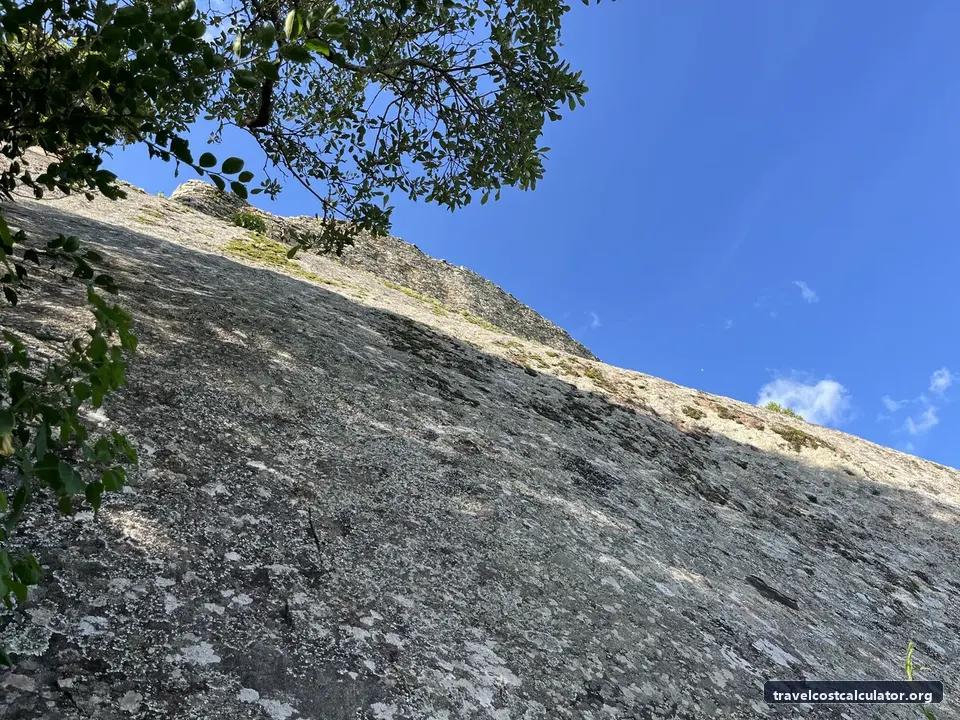
The Hill Complex: Perched on a steep granite outcrop overlooking the valley, this is the oldest section of the city (dating back to the 11th century). Functioning as the sacred citadel and royal residence, it features narrow cliffside passages, hidden acoustics, and ritual enclosures where royal spiritual ceremonies took place.
-
✦
The Great Enclosure: Located in the valley below, this iconic structure features an elliptical outer wall measuring over 250 meters (820 feet) in circumference. Inside lies the mysterious Conical Tower—a solid, 10-meter-high granite cone whose precise symbolic purpose (whether royal granary, phallic fertility symbol, or power beacon) remains a fascinating topic of archaeological debate.
-
✦
The Valley Ruins: Spread across the surrounding floor, these stone compounds were home to tribal elders, chiefts, and trade merchants. It was within these ruins that archaeologists uncovered eight carved soapstone figures—the famous Zimbabwe Birds—which combine human and avian traits and serve as the national emblem on modern Zimbabwe’s flag and currency.
Beyond its architectural brilliance, Great Zimbabwe carries immense national pride. During colonial rule under Rhodesia, political authorities attempted to suppress evidence of African authorship, falsely attributing the site to Phoenicians, Egyptians, or King Solomon. Rigorous modern archaeology has thoroughly dismantled these racist myths, proving that Great Zimbabwe was built entirely by indigenous African ancestors. Upon independence in 1980, the nation proudly took its modern name—Zimbabwe—derived from the Shona phrase Dzimba-dza-mabwe, meaning "large houses of stone."
🎟️ Entrance Fees, Opening Hours & Ticket Booking Tips
Visiting Great Zimbabwe in 2026 is straightforward, with gate operations managed by the National Museums and Monuments of Zimbabwe (NMMZ). While ticket reservation portals remain limited online, admission tickets are readily purchased at the main entrance gate on arrival.
2026 Official Entrance Pricing
-
✦
International Adult Visitors: $25 USD
-
✦
SADC Regional Adults: $15 USD (Valid passport/ID required)
-
✦
Zimbabwe Residents / Citizens: $5 USD or local ZiG equivalent
-
✦
Children (Ages 6–12): 50% discount on adult tier based on nationality ($12.50 USD for international kids)
-
✦
Children (Under 6): Free entry
-
✦
Site Museum Entry: Included in the standard ticket price
Operating Hours & Site Logistics
The monument complex is open 365 days a year from 08:00 AM to 05:00 PM. The site museum typically operates between 08:30 AM and 04:30 PM.
Insider Booking & Payment Tips
-
✦
Cash is King: Payment systems at the site gate can experience connectivity issues. Always carry crisp, undamaged US Dollar (USD) cash bills (printed after 2013). Small denominations ($5, $10, $20) are preferred for exact change.
-
✦
Hire an Official Site Guide: Expect to pay $10 – $15 USD per group at the gate for an official NMMZ guide. Local guides provide invaluable historical context, navigate hidden paths up the Hill Complex, and reveal acoustic tricks designed into the granite walls.
-
✦
Morning Entry Strategy: Arrive precisely at 08:00 AM. You will beat the midday heat, avoid overland tour buses, and enjoy light optimal for photographing the Great Enclosure.
🚌 How to Get There & Local Transit Costs
Great Zimbabwe is located in southern Zimbabwe, approximately 30 kilometers (19 miles) southeast of the regional hub city of Masvingo. Depending on your travel hub (Harare Travel Budget or Bulawayo Travel Budget), transit can be arranged via long-distance bus, local combi (minibus), or private taxi.
Step 1: Traveling from Major Cities to Masvingo
-
✦
From Harare (300 km / 186 miles north): Modern air-conditioned long-distance coaches (such as City Bus, Boundary Express, or Intercape) run daily from Harare’s Road Port Terminal to Masvingo.
Duration: 4 to 4.5 hours | Cost: $15 – $25 USD one-way. -
✦
From Bulawayo (280 km / 174 miles west): Direct buses connect Bulawayo to Masvingo along the A9 highway.
Duration: 4 hours | Cost: $15 – $20 USD one-way.
Step 2: Local Transport from Masvingo to the Monument
-
✦
Shared Combi (Local Minibus): Catch a combi heading toward "Great Zimbabwe" or "Morgenster Mission" from the Mucheke Bus Terminus in Masvingo.
Cost: $1.50 – $2.50 USD per person each way.
Note: Combis drop passengers at the main turnoff, requiring a 10-15 minute walk to the entrance gate. -
✦
Private Taxi / Ride Hire: Hiring a private taxi from Masvingo city center directly to the entrance gate is the most convenient option.
Cost: $20 – $35 USD return trip (negotiate a price that includes 3–4 hours of waiting time while you explore). -
✦
Car Rental (Self-Drive): Renting a 2WD sedan or 4x4 from Harare International Airport costs approximately $70 – $110 USD per day (plus fuel at ~$1.65 USD/liter). The highway from Harare to Masvingo (A4) is fully paved and easy to navigate in 2026, though drive defensively due to livestock near roadside villages.
📸 Best Photography Spots & Insider Visit Hacks
Capturing the dramatic textures and raw ancient grandeur of Great Zimbabwe requires a bit of timing and planning. The granite structures change hue dynamically throughout the day.
Top 4 Photography Hotspots
-
✦
The Summit of the Hill Complex: Climb to the ritual balcony near the Western Enclosure for a breathtaking panoramic view of the entire valley and the elliptical perimeter of the Great Enclosure below.
-
✦
The Conical Tower Corridor: Frame your photo inside the narrow passage of the Great Enclosure where the 11-meter outer wall looms directly over the ancient stone cone. Morning sun rays piercing through the narrow gap create dramatic shadows.
-
✦
The Chevron Pattern Wall: Photograph the top section of the Great Enclosure's outer wall, which features a distinctive chevron motif—symbolizing fertility and water in ancient Shona cosmology.
-
✦
Lake Mutirikwi Overlook: Located just 10 kilometers east of the ruins, this picturesque lake offers spectacular sunset compositions over granite hills and water bodies.
Insider Visit Hacks for 2026
-
✦
Best Season to Visit: The ideal window is during the dry winter season between May and October. Skies are clear, foliage recedes to reveal clear views of wall stone structures, and temperatures remain comfortable (18°C to 25°C / 64°F to 77°F).
-
✦
Avoid the Heat of the Day: Midday temperatures from November to March can top 32°C (90°F) with high humidity. Scale the steep Hill Complex path early in the morning when shadows are soft and breezes are cool.
-
✦
Footwear Matters: Wear hiking shoes with high-friction soles. The granite paths ascending the Ancient Way up the Hill Complex are smooth and can become slippery under dry dust or light rainfall.
-
✦
Bring Water and Sun Protection: There are no shops inside the complex itself. Carry at least 1.5 liters of water, a broad-brimmed hat, and SPF 50 sunscreen.
🏨 Nearby Accommodation & Daily Budget Allocation
Whether you choose to camp directly next to the ruins or stay in lakeside resort lodges around nearby Lake Mutirikwi, options suit every budget tier in 2026.
Accommodation Options
-
✦
Budget: Great Zimbabwe Campsite & Lodges (located right at the site entrance gate). Camping spots start at $10 – $15 USD per tent/night, while basic self-catering chalets run $35 – $50 USD per night. Clean amenities with raw bush surrounds.
-
✦
Mid-Range: Great Zimbabwe Hotel (3-star property managed by African Sun, 800 meters from ruins entry). Offers comfortable air-conditioned rooms, a swimming pool, and an onsite restaurant serving Shona traditional dishes like Sadza and beef stew. Rooms range from $90 to $140 USD per night including breakfast.
-
✦
Boutique & Lake View: Norma Jeane's Lake View Resort (located 10 minutes away overlooking Lake Mutirikwi). Known for lush gardens, panoramic lake views, and historic charm. Self-catering chalets and hotel rooms range from $110 to $185 USD per night.
Daily Budget Allocation Guide (2026 Estimates)
| Expense Category | Budget / Backpacker | Mid-Range Traveler | Luxury / Private Safari |
|---|---|---|---|
| Accommodation | $15 - $40 USD | $90 - $140 USD | $200 - $350 USD |
| Food & Drinks | $10 - $15 USD | $30 - $50 USD | $70 - $120 USD |
| Transport | $5 - $10 USD (Combi/Bus) | $25 - $45 USD (Taxi/Car Rental share) | $100 - $180 USD (Private Chauffeur/4x4) |
| Attraction & Guide Fees | $30 USD (Entry + share guide) | $40 USD (Entry + private guide) | $50 USD (VIP/Private tour) |
| Total Daily Budget | $60 – $95 USD | $185 – $275 USD | $420 – $700 USD |
Frequently Asked Questions
Essential visitor FAQs for Great Zimbabwe National Monument
What is the entrance fee for Great Zimbabwe National Monument?
How much time do you need to explore Great Zimbabwe National Monument?
How do I get to Great Zimbabwe National Monument from the nearest city?
📊 Heritage Quick Specs
Visiting Zimbabwe on a Budget?
Calculate your full daily travel budget for Zimbabwe — including hotel costs, local transport, food, and sightseeing expenses.
View Zimbabwe Daily Travel Costs →Explore more UNESCO World Heritage Sites
🏛️ All 1,200+ Heritage Sites →