
 Australia
Great Barrier Reef
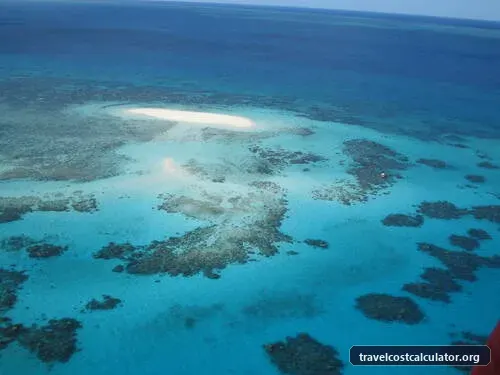
The Great Barrier Reef is a site of remarkable variety and beauty on the north-east coast of Australia.
Great Barrier Reef
🏛️ Overview & Historical Significance
Stretching over 2,300 kilometers (1,400 miles) along the northeastern coast of Queensland, Australia, the Great Barrier Reef is the world’s largest coral reef system. Comprising over 2,900 individual reefs and 900 islands, it covers an astounding 344,400 square kilometers—an ecosystem so vast it remains the only living structure visible from space. In 1981, UNESCO officially designated the Great Barrier Reef as a World Heritage site, citing its unmatched biological diversity, ecological significance, and sublime natural beauty.
For more than 60,000 years, Aboriginal and Torres Strait Islander peoples—the Traditional Owners of the sea country—have maintained a deep cultural, spiritual, and economic connection to these waters. Clans such as the Gunggandji, Mandingalbay Yidinji, and Bindal groups continue to co-manage marine park zones alongside national park authorities, blending ancient indigenous marine stewardship with modern conservation science.
Ecologically, the reef is a biological metropolis. It hosts over 1,500 species of fish, 400 species of hard coral, 30 species of cetaceans (including migrating humpback whales and rare dwarf minke whales), 6 species of sea turtles (all classified as threatened), and vulnerable marine mammals like the dugong. As climate science advances into 2026, UNESCO monitoring highlights both the site's vulnerability to ocean warming and the vital importance of global conservation efforts, making a visit to this fragile natural wonder both a privilege and an educational journey.
🎟️ Entrance Fees, Opening Hours & Ticket Booking Tips
Access to the marine park itself does not require a single gate pass; rather, visiting the Great Barrier Reef involves booking day tours, liveaboards, island ferries, or scenic flights, all of which incorporate the mandatory government conservation fee.
Mandatory Government Fees (2026 Estimates)
-
✦
Environmental Management Charge (EMC / "Reef Tax"): $8.00 AUD (~$5.20 USD) per person, per day. This fee is almost always automatically included in your tour operator’s ticket price and directly funds park management and reef research.
Popular Tour & Ticket Packages (2026 Rates)
-
✦
Full-Day Outer Reef Snorkel & Cruise: $230 – $360 AUD ($150 – $235 USD) per adult. Includes catamaran transfer, snorkeling gear, wet/stinger suit, guided marine talk, and buffet lunch.
-
✦
Full-Day Introductory or Certified Scuba Diving Tour: $310 – $480 AUD ($200 – $315 USD) per adult (includes 1–2 dives and all equipment).
-
✦
Reef Pontoon Activity Platform (Family-Friendly): $260 – $340 AUD ($170 – $220 USD) per adult. Includes access to semi-submersibles, underwater observatories, and touch tanks.
-
✦
Islands Day Pass (Green Island or Fitzroy Island Ferry Return): $95 – $125 AUD ($62 – $82 USD) per adult.
-
✦
Scenic Reef Helicopter Flight (25–40 mins): $290 – $520 AUD ($190 – $340 USD) per person.
Opening Hours & Logistics
The Marine Park is open 24 hours a day, 365 days a year. However, commercial reef tour operators generally depart between 7:30 AM and 9:00 AM from major marinas (such as Cairns Reef Fleet Terminal or Port Marina Mirage in Port Douglas) and return between 4:30 PM and 5:30 PM.
Insider Booking Tips
-
✦
Book High-Demand Tours 3–6 Months Ahead: During peak season (July through October), eco-certified outer reef operators (such as Ocean Freedom, Silver Series, or Quicksilver) sell out months in advance.
-
✦
Look for High Eco-Certification: Choose operators certified by Ecotourism Australia (Advanced Ecotourism rating). These crews enforce strictly non-toxic sunscreen policies and conduct interactive citizen-science monitoring.
-
✦
Check Inclusions Carefully: Ensure wet suits, prescription mask hires, and taxes are clearly listed to avoid surprise add-on fees at the marina terminal.
🚌 How to Get There & Local Transit Costs
The main hub and primary gateway to the Great Barrier Reef is the tropical city of Cairns in Far North Queensland. Secondary gateways include Port Douglas (an hour north of Cairns) and Airlie Beach / Whitsunday Islands (further south).
Step 1: Arrive in Cairns
Fly into Cairns Airport (CNS), which receives direct domestic flights from Sydney, Melbourne, Brisbane, and Perth, as well as international connections from Singapore Travel Budget, Tokyo, Auckland Travel Budget, and Bali.
Step 2: Airport to City Center Transit Costs
-
✦
Airport Shuttle Bus: ~$16 – $22 AUD ($10 – $14 USD) per person one-way to Cairns CBD.
-
✦
Rideshare / Taxi (Uber/Didi): ~$25 – $40 AUD ($16 – $26 USD) for a 15-minute trip from CNS airport to the Cairns Reef Fleet Terminal or city hotels.
-
✦
Shuttle to Port Douglas: ~$45 – $60 AUD ($30 – $39 USD) one-way via express coach along the scenic Captain Cook Highway.
Step 3: Accessing the Reef from Marinas
All marine day trips depart directly from key coastal ports:
-
✦
Cairns Reef Fleet Terminal: Located in downtown Cairns. Easy walking distance from most CBD hotels.
-
✦
Crystalbrook Superyacht Marina (Port Douglas): Reached via hotel shuttle or short walk from Port Douglas town center.
-
✦
Coral Sea Marina / Port of Airlie (Airlie Beach): Serviced by local public buses ($3.50 AUD / $2.30 USD) or taxi.
📸 Best Photography Spots & Insider Visit Hacks
Top Photography Spots
-
✦
Heart Reef (Whitsundays): The world-famous natural heart-shaped coral composition. Photographer's tip: Capturable only via helicopter or seaplane. Book a flight around noon when high solar angles illuminate the turquoise water.
-
✦
Hill Inlet & Whitehaven Beach: Located in the Whitsundays, where shifting tides blend pure white silica sand with brilliant azure sea. Shoot from the Hill Inlet Lookout at mid-tide.
-
✦
Michaelmas Cay: A vegetated sand cay surrounded by shallow coral gardens. Perfect for underwater Split Travel Budget-level photography featuring sea turtles and giant clams in crystal-clear water.
-
✦
Agincourt Ribbon Reefs: Situated on the outer edge of the Continental Shelf off Port Douglas, offering deep vertical drop-offs, incredible water clarity (20m+ visibility), and macro marine life.
Best Season to Visit (2026 Climate Insights)
The ideal window to visit is the tropical **Dry Season from June to October**.
-
✦
Weather: Low rainfall, mild air temperatures (22°C to 27°C / 71°F to 81°F), and pleasant ocean temperatures (~24°C / 75°F).
-
✦
Visibility: Underwater visibility is highest during these months (up to 30 meters).
-
✦
Wildlife Highlights: Humpback whales migrate through from July to September, while dwarf minke whale encounters peak in June and July.
-
✦
Stinger Warning: The wet season (November to May) brings high heat, heavy rain, and venomous marine stingers (Box Jellyfish and Irukandji). If visiting between November and May, wearing a full-length neoprene/lycra stinger suit is mandatory for water safety.
Insider Hacks to Avoid Crowds
-
✦
Skip Inner Islands if You Want Pristine Coral: Islands close to shore like Green Island can get crowded with day-trippers. For superior reef health and smaller crowd sizes, opt for small-vessel outer reef tours limited to 20–40 passengers.
-
✦
Consider a 3-Day Liveaboard: Booking a liveaboard dive/snorkel vessel (such as Pro Dive Cairns or Spirit of Freedom) lets you reach remote reefs long before day boats arrive.
-
✦
Beat Sea-Sickness Preemptively: Crossing the open waters to the outer reef can involve choppy sea conditions. Take travel sickness medication 30 minutes *before* stepping onto the boat.
🏨 Nearby Accommodation & Daily Budget Allocation
Whether you choose to base yourself in vibrant Cairns, luxury-oriented Port Douglas, or backpacker-friendly Airlie Beach, accommodation options span all budget categories.
Accommodation Price Ranges (2026 Estimated Rates)
-
✦
Budget (Hostels & Budget Motels): $35 – $65 AUD ($23 – $42 USD) per night for a dorm bed; $90 – $140 AUD ($58 – $91 USD) for a private budget room (e.g., Bounce Cairns, Gilligan’s).
-
✦
Mid-Range (3 to 4-Star Hotels & Apartments): $180 – $340 AUD ($117 – $220 USD) per night (e.g., Novotel Cairns Oasis Resort, Pacific Hotel Cairns).
-
✦
Luxury (5-Star Resorts & Island Retreats): $450 – $1,800+ AUD ($290 – $1,170+ USD) per night (e.g., Crystalbrook Riley in Cairns, InterContinental Hayman Island, or Lizard Island Resort).
Daily Food & Dining Budget
-
✦
Budget Meal: $15 – $25 AUD ($10 – $16 USD) at local cafes, night markets, or casual seafood shacks.
-
✦
Mid-Range Restaurant Dinner: $45 – $85 AUD ($29 – $55 USD) per person including fresh local barramundi, prawns, and a drink.
Estimated Daily Budget Profiles (USD)
Below is a breakdown of realistic 2026 daily expenditure when visiting the Great Barrier Reef region (factoring in accommodation, food, local transport, and a prorated reef excursion):
-
✦
Backpacker Budget Planner: $110 – $160 USD / day
- Hostel bed: $30 USD
-
✦
Groceries & casual eats: $30 USD
-
✦
Local bus/walk: $5 USD
-
✦
Outer reef tour (averaged over a 3-day stay): $55–$95 USD/day
- 4-Star Hotel (shared/double): $110 USD
- Luxury Resort/Island suite: $500 – $1,200 USD
Frequently Asked Questions
Essential visitor FAQs for Great Barrier Reef
What is the entrance fee for Great Barrier Reef?
How much time do you need to explore Great Barrier Reef?
How do I get to Great Barrier Reef from the nearest city?
📊 Heritage Quick Specs
Visiting Australia on a Budget?
Calculate your full daily travel budget for Australia — including hotel costs, local transport, food, and sightseeing expenses.
View Australia Daily Travel Costs →Explore more UNESCO World Heritage Sites
🏛️ All 1,200+ Heritage Sites →