
 Russia
Golden Mountains of Altai
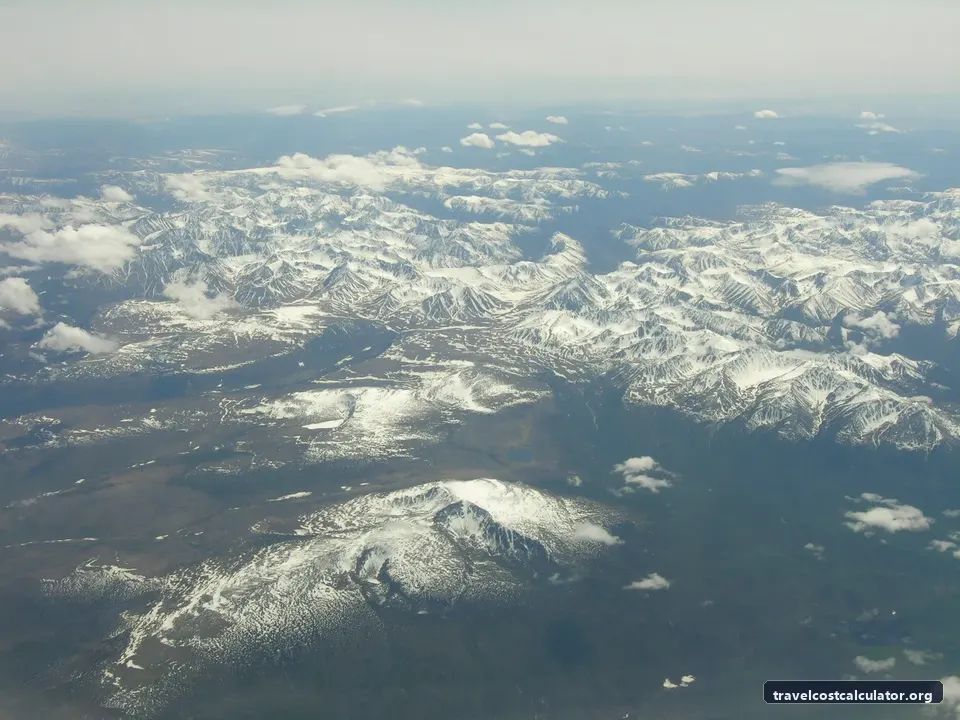
The Altai mountains in southern Siberia form the major mountain range in the western Siberia biogeographic region and provide the source of its greatest rivers – the Ob and the Irtysh.
Golden Mountains of Altai
🏛️ Overview & Historical Significance
Inscribed as a UNESCO World Heritage site in 1998, the Golden Mountains of Altai represent one of Earth’s most pristine, ecologically diverse, and culturally sacred mountain systems. Spanning over 1.6 million hectares in Southern Siberia where Russia, Kazakhstan, China, and Mongolia intersect, this vast complex encompasses three distinct protected regions: the Altai Nature Reserve (Altaisky Zapovednik) with Lake Teletskoye, the Katun Nature Reserve (Katunsky Zapovednik) around Mount Belukha, and the high-altitude tundra of the Ukok Quiet Zone on the Ukok Plateau.
UNESCO granted World Heritage status based on the region's extraordinary biological diversity and complete vertical sequence of vegetation zones. Within a single day’s trek, landscapes transition from dense Siberian taiga forest and steppe grassland to alpine meadows, glacial valleys, and permanent snowfields. The region serves as a vital stronghold for globally endangered fauna, including the elusive Snow Leopard (Irbis), the giant Altai Argali sheep, the Siberian ibex, and the musk deer.
Beyond its ecological supremacy, the Altai region holds profound historical and spiritual significance. Known locally as Altyn-Tuu ("Golden Mountains"), it is considered the ancestral cradle of Turkic civilization and a sacred sanctuary for indigenous Telengit and Altai peoples, as well as practitioners of Siberian shamanism and Russian Old Believers. The remote Ukok Plateau achieved international archaeological fame following the discovery of ancient Scythian burial mounds (kurgans), including the frozen mummy of the 5th-century BCE "Ice Maiden" (Princess of Ukok). Dominating the skyline at 4,506 meters (14,783 feet), Mount Belukha stands as Siberia's highest peak—revered by locals as the gateway to the mythical realm of Shambhala and the sacred source of the Katun River.
🎟️ Entrance Fees, Opening Hours & Ticket Booking Tips
Visiting the Golden Mountains of Altai in 2026 requires navigating a decentralized system of national park passes, nature reserve permits, border zone clearances, and individual tour fees. Because these sites are strictly protected state reserves (Zapovedniks), access is regulated to protect fragile wilderness areas.
2026 Standard Entrance Fees & Permit Pricing
-
✦
Altai Nature Reserve Entry Fee: 350 RUB (~$3.80 USD) per person per day.
-
✦
Katun Nature Reserve Ecological Pass: 400 RUB (~$4.35 USD) per person per day.
-
✦
Belukha Natural Park Access Fee: 300 RUB (~$3.25 USD) environmental levy collected at regional visitor posts in Ust-Koksa.
-
✦
Lake Teletskoye Ferry / Boat Excursions: 3,000 – 5,500 RUB (~$33.00 – $60.00 USD) depending on the vessel speed and route length (e.g., Artybash to Korbu Waterfall or southern shore at Cape Kyrsay).
-
✦
Korbu Waterfall Eco-Trail Access (inside Altai Reserve): 150 RUB (~$1.65 USD).
-
✦
Ukok Quiet Zone Environmental Permit: 500 RUB (~$5.40 USD).
Opening Hours & Seasonal Accessibility
While the administrative offices in Gorno-Altaysk, Artybash, and Ust-Koksa operate year-round from 9:00 AM to 6:00 PM (Monday–Friday), actual field access depends entirely on weather conditions. The primary trekking and expedition season runs from June 1 to September 30. Boat transport across Lake Teletskoye operates daily during navigation season (late May to late October), while winter ice crossings operate from January through March.
Essential 2026 Travel & Booking Hacks
-
✦
FSB Border Zone Permits (Mandatory for Foreigners): Because Mount Belukha, the Ukok Plateau, and parts of the Katun Reserve sit adjacent to the international borders with Kazakhstan, China, and Mongolia, international travelers must secure a Special Border Permit from the Russian Federal Security Service (FSB). Applications must be submitted at least 30 to 45 days in advance via the Gosuslugi portal or through a licensed Altai tour operator.
-
✦
Currency & Payment Logistics: Foreign Visa and Mastercard credit cards issued outside Russia remain non-functional within the country. Travelers must carry ample cash in Russian Rubles (RUB). Cash can be exchanged or withdrawn using local bank accounts/MIR cards at ATMs in Gorno-Altaysk, as card terminals are completely absent in remote wilderness valleys.
-
✦
Advance Booking: Guided expeditions to Ukok or Belukha base camp must be booked 3–6 months in advance for summer slots due to limited daily visitor quotas.
🚌 How to Get There & Local Transit Costs
Reaching the remote Golden Mountains requires multi-stage travel, starting from regional air hubs followed by overland journeys across the famous Chuysky Trakt (R256 Highway)—recognized as one of the world's most scenic drives.
Step 1: Gateway Hubs & Flights
The primary gateway to the region is Gorno-Altaysk Airport (RGK). Direct 4.5-hour domestic flights operate daily from Moscow Travel Budget (Sheremetyevo and Domodedovo) into Gorno-Altaysk, with round-trip economy fares averaging 18,000 – 32,000 RUB ($195 – $345 USD) in peak summer. Secondary regional entry hubs include Barnaul (BAX) (250 km away) and Novosibirsk (OVB) (450 km away), which often offer cheaper long-haul flight options paired with overnight train or bus transfers to Gorno-Altaysk.
Step 2: Overland Transit Options & Costs
-
✦
Public Bus / Marshrutka (Gorno-Altaysk to Artybash / Lake Teletskoye): Daily scheduled minibuses depart from Gorno-Altaysk Bus Station. Duration: 3.5 hours. Fare: 850 – 1,100 RUB ($9.20 – $12.00 USD) one-way.
-
✦
Public Bus (Gorno-Altaysk to Chemal or Ust-Koksa): Minibuses to Chemal cost approx. 500 RUB ($5.40 USD) (2 hours). Long-distance buses to Ust-Koksa (the staging town for Mount Belukha) cost around 1,600 RUB ($17.30 USD) (7–8 hours).
-
✦
Off-Road 4x4 Vehicle Rental & Drivers (UAZ / KamAZ): Reaching true wilderness zones like the Ukok Plateau, Chulyshman Valley, or the foot of Mount Belukha requires heavy-duty 4WD transport (typically Soviet-designed UAZ-452 "Buhanka" or modified Russian 4x4 trucks).
- Private 4x4 charter with driver: 12,000 – 18,000 RUB ($130 – $195 USD) per day (Split Travel Budget among passengers).
-
✦
Passenger seat in a shared 4x4 group transfer over Katu-Yaryk Pass: 3,500 – 5,000 RUB ($38 – $54 USD).
📸 Best Photography Spots & Insider Visit Hacks
The vast geography of the Golden Mountains offers dramatic photography subjects ranging from turquoise glacial lakes to jagged snow-covered peaks and canyon gorges.
Top Photography Locations
-
✦
Akkem Lake & Mount Belukha’s North Face: Located deep within Katun Reserve, this pristine glacial lake offers a mirror-like reflection of Belukha’s twin peaks. Best Time: Sunrise during July and August when calm waters reflect the illuminated peak.
-
✦
Katu-Yaryk Pass & Chulyshman River Valley: A breathtaking viewpoint overlooking a 800-meter deep zigzagging canyon carved by the Chulyshman River. Best Time: Late afternoon light highlighting the serpentine switchback dirt roads.
-
✦
Geyser Lake (Geyzernoye Ozero) near Aktash: A small thermal lake featuring turquoise clay bottom patterns that shift continuously as underground springs pump mineral thermal waters. Best Time: Mid-morning sunlight penetrating the crystal-clear water.
-
✦
Lake Teletskoye (Northern & Southern Shores): Frame misty mountains rising directly out of Siberia's second-deepest freshwater body. Best Time: Early morning fog layers breaking over the water.
-
✦
Ukok Plateau & Kalgu Tinsky Basin: Alpine tundra landscapes framed by the snow-capped Tabyn-Bogdo-Ola massif spanning the Mongolian border. Best Time: Late August when tundra foliage shifts to vibrant crimson and gold.
Insider Travel & Photography Hacks
-
✦
Golden Autumn Timing: To catch the dramatic golden larch forests contrasting with turquoise glacial rivers, plan your visit during the brief "Golden Autumn" window from August 25 to September 15.
-
✦
Tick Safety (Encephalitis): Lower elevation forests in Altai (particularly around Chemal and Lake Teletskoye) harbor high densities of Ixodes ticks from May through July. Carry tick-removal tools, apply tick repellent containing Permethrin, and ensure you hold international medical insurance that covers tick-borne encephalitis treatment or post-exposure immune globulin shots.
-
✦
Drone Regulations in 2026: Unmanned Aerial Vehicles (drones) weighing over 150g must be pre-registered with Rosaviatsia (Russian Federal Air Transport Agency). Drones are strictly prohibited within 25 kilometers of international state borders (which includes the entire Ukok Plateau and south face of Mt. Belukha).
-
✦
Power Supply: Carry high-capacity power banks (20,000+ mAh) and portable solar panels. Electrical outlets are non-existent once off the main Chuysky Trakt highway.
🏨 Nearby Accommodation & Daily Budget Allocation
Accommodation in the Altai region ranges from rustic wooden river cabins and traditional yurt camps to modern luxury eco-domes and glamping resorts along the Katun River.
Recommended Staging Hubs & Stay Options
-
✦
Artybash / Lake Teletskoye (North Shore): Ideal for lake boat tours and accessing the Altai Reserve.
- Budget: Wooden guesthouse rooms or camping bases (Turbaza) – 1,800 – 3,500 RUB ($19 – $38 USD) per night.
-
✦
Mid-Range: Timber eco-lodges with lake views and sauna (Banya) – 6,000 – 11,000 RUB ($65 – $120 USD) per night.
- Mid-Range to Luxury: Boutique spa resorts and riverfront glamping domes – 12,000 – 25,000 RUB ($130 – $270 USD) per night.
- Budget / Roadside Motels: Basic roadside inns – 2,000 – 4,000 RUB ($21 – $43 USD) per night.
Daily Budget Allocation Breakdown (2026 Estimates)
Your overall trip budget depends heavily on whether you travel independently by local buses/hiking or hire off-road 4x4 guided vehicle expeditions.
-
✦
Backpacker / Independent Trekker ($35 – $55 USD / 3,200 – 5,000 RUB per day): Camping in personal tent, cooking own meals or eating at basic roadside canteens (Stolovaya), traveling via local marshrutka buses, and hiking entry-level reserve trails.
-
✦
Mid-Range Explorer ($110 – $190 USD / 10,000 – 17,500 RUB per day): Staying in comfortable wooden guesthouses or glamping hubs, dining on local Altai cuisine (fresh trout, venison, wild berry teas, honey), taking organized day tours or Lake Teletskoye boat cruises, and sharing 4x4 transport costs.
-
✦
High-End Wilderness Expedition ($350 – $650+ USD / 32,000 – 60,000 RUB per day): Private 4WD vehicle with driver/guide, helicopter transfers across mountain passes, all-inclusive multi-day horseback riding or trekking logistics, private eco-resort stays, and personalized FSB permit processing services.
Frequently Asked Questions
Essential visitor FAQs for Golden Mountains of Altai
What is the entrance fee for Golden Mountains of Altai?
How much time do you need to explore Golden Mountains of Altai?
How do I get to Golden Mountains of Altai from the nearest city?
📊 Heritage Quick Specs
Visiting Russia on a Budget?
Calculate your full daily travel budget for Russia — including hotel costs, local transport, food, and sightseeing expenses.
View Russia Daily Travel Costs →Explore more UNESCO World Heritage Sites
🏛️ All 1,200+ Heritage Sites →