
 South Korea
Gochang, Hwasun and Ganghwa Dolmen Sites
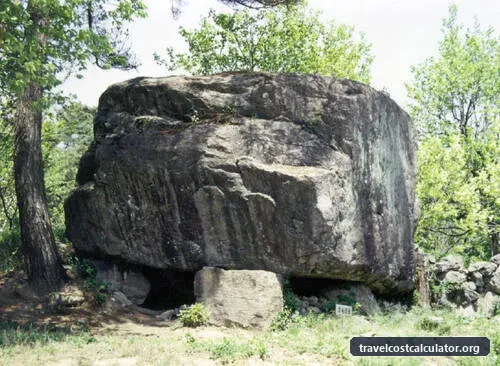
The prehistoric cemeteries at Gochang, Hwasun, and Ganghwa contain many hundreds of examples of dolmens - tombs from the 1st millennium BC constructed of large stone slabs.
Gochang, Hwasun and Ganghwa Dolmen Sites
🏛️ Overview & Historical Significance
Inscribed as a UNESCO World Heritage site in 2000, the Gochang, Hwasun and Ganghwa Dolmen Sites represent one of the world's most dense, diverse, and well-preserved collections of prehistoric megalithic monuments. South Korea is home to over 40% of the world's entire dolmen population, and these three distinct geographic regions in the country preserve the pinnacle of Bronze Age (1st millennium BCE) mortuary architecture and social structure in East Asia.
Dolmens are megalithic graves constructed from massive stones, serving as burial markers and ceremonial platforms for ruling elites during the Bronze Age. The UNESCO designation highlights three key clusters across South Korea, each offering a unique lens into ancient stone-carving technology, engineering feats, and societal hierarchy:
-
✦
Gochang Dolmen Site (Jeollabuk-do): Located near Maesan Village, this site is the largest and most varied group in the nation. Spanning roughly 1.8 kilometers, Gochang features more than 440 individual dolmens ranging from northern-style table designs to southern-style capstone monuments, illustrating the evolution of megalithic construction.
-
✦
Hwasun Dolmen Site (Jeollanam-do): Nestled along the slopes of the Hyosan-ri and Dasin-ri valleys, Hwasun contains over 500 megaliths. Crucially, Hwasun retains intact ancient stone quarry sites, where visitors can trace how prehistoric engineers wedged, carved, and extracted massive granite blocks—including the 280-ton Pingmae-bawi, one of the heaviest megaliths in Asia.
-
✦
Ganghwa Dolmen Sites (Incheon): Perched on an island off Korea's west coast, Ganghwa features iconic northern-style (table-type) dolmens. The famous Bugeun-ri dolmen boasts a staggering 50-ton capstone balanced delicately atop two vertical stone pillars, standing nearly 2.6 meters tall against the rural backdrop.
Together, these sites deliver an unparalleled archaeological journey into prehistoric human civilization, demonstrating advanced lever mechanics, transport systems, and complex ancestral veneration practices that flourished thousands of years ago.
🎟️ Entrance Fees, Opening Hours & Ticket Booking Tips
Visiting Korea's dolmen sites is remarkably affordable, as the open-air archaeological parks are publicly protected lands. However, adjacent interactive museum complex buildings require minor entry charges to support conservation. Below are the estimated admission rates and operating schedules updated for 2026.
Gochang Dolmen Site & Museum
-
✦
Outdoor Dolmen Grounds: Free entry (accessible year-round).
-
✦
Gochang Dolmen Museum Admission: ₩3,000 KRW (~$2.25 USD) for adults; ₩2,000 KRW (~$1.50 USD) for teens/military; ₩1,000 KRW (~$0.75 USD) for children.
-
✦
Mo-Mo Tractor Tram (Site Transport): ₩3,000 KRW (~$2.25 USD) adult ticket for a guided 30-minute loop around the 6 major dolmen clusters.
-
✦
Hours: 09:00 – 18:00 (March to October); 09:00 – 17:00 (November to February). Closed on Mondays and January 1st.
Ganghwa Dolmen Park & History Museum
-
✦
Outdoor Park (Bugeun-ri): Free access.
-
✦
Ganghwa History & Natural History Museum (Combined Ticket): ₩3,000 KRW (~$2.25 USD) for adults; ₩2,000 KRW (~$1.50 USD) for youth/children. Free for seniors aged 65+.
-
✦
Hours: 09:00 – 18:00 (Last entry at 17:30). Closed every Monday.
Hwasun Prehistoric Site
-
✦
Valley Site & Prehistoric Experience Center: Free open-air access; interactive indoor exhibit entry is ₩1,000–₩2,000 KRW (~$0.75–$1.50 USD).
-
✦
Hours: Open-air valley accessible dawn to dusk daily; visitor center operates 09:00 – 18:00 (closed Mondays).
Insider Booking & Ticket Tips
-
✦
No Advance Online Booking Required: Tickets for all three museum facilities can easily be purchased on-site via automated ticketing kiosks accepting international credit cards or T-money transit cards.
-
✦
Culture Day Savings: Visiting on the last Wednesday of any month often yields free admission to the museum complexes as part of South Korea's national "Culture Day" initiative.
-
✦
Cash & Mobile Payments: While credit cards are widely accepted at ticket counters, carry ₩10,000–₩20,000 KRW in cash for rural snack vendors and local village buses nearby.
🚌 How to Get There & Local Transit Costs
Because the sites are spread across three distinct provinces, navigation strategies vary depending on which cluster you are targeting. Renting a car for a multi-day road trip is the most seamless method, but reliable public transportation options are readily available from major urban hubs like Seoul Travel Budget, Incheon, and Gwangju.
1. Reaching Ganghwa Dolmen Site (From Seoul / Incheon)
Ganghwa Island is the most accessible cluster for day-trippers based in the capital region.
-
✦
By Express Bus: Take Bus #3000 from Sinchon Station (Subway Line 2) or Hapjeong Station in Seoul directly to Ganghwa Bus Terminal (approx. 1 hr 30 mins; ₩3,000 KRW / ~$2.25 USD one-way).
-
✦
Local Bus Transfer: From Ganghwa Bus Terminal, transfer to local intra-island Bus #25, #30, or #32 to the Ganghwa Dolmen Park (Bugeun-ri) stop (20 minutes; ₩1,500 KRW / ~$1.15 USD).
-
✦
Taxi Cost: A direct taxi from Ganghwa Bus Terminal to the Bugeun-ri Dolmen site costs approximately ₩12,000–₩15,000 KRW (~$9.00–$11.25 USD).
2. Reaching Gochang Dolmen Site (From Seoul / Jeonju / Gwangju)
-
✦
From Seoul (Express Bus): Take an intercity bus from Seoul Central City Terminal (Express Bus Terminal Station) to Gochang Bus Terminal (approx. 3 hrs 15 mins; ₩23,000 KRW / ~$17.00 USD).
-
✦
From Seoul (KTX High-Speed Rail): Take the KTX from Yongsan Station to Jeong-eup Station (1 hr 30 mins; ~₩39,500 KRW / ~$29.50 USD). Outside Jeong-eup Station, take a local intercity bus to Gochang (30 minutes; ₩3,500 KRW / ~$2.60 USD).
-
✦
Final Connection to Site: From Gochang Terminal, board local bus #04 or a rural route bound for Dolmen Museum (Goindol Bangmun-gwan) (20 minutes; ₩1,500 KRW / ~$1.15 USD). Taxi fares average ₩14,000 KRW (~$10.50 USD).
3. Reaching Hwasun Dolmen Site (From Gwangju)
-
✦
Train/Bus to Gwangju: Take the KTX train from Seoul to Gwangju-Songjeong Station (1 hr 50 mins; ₩47,000 KRW / ~$35.00 USD).
-
✦
Local Bus to Hwasun Valley: Board Intercity Bus #218 or #217-1 from Gwangju U-Square Terminal or Jiwon-dong to the Hyosan-ri Dolmen Entrance in Hwasun (1 hour; ₩2,400 KRW / ~$1.80 USD).
-
✦
Taxi Option: A taxi ride straight from Gwangju-Songjeong KTX station to the Hwasun site costs roughly ₩28,000–₩35,000 KRW (~$21.00–$26.00 USD).
📸 Best Photography Spots & Insider Visit Hacks
To capture stunning imagery and maximize comfort while exploring Korea's megaliths, keep these field-tested strategy tips in mind:
Top Photography Angles
-
✦
Ganghwa Bugeun-ri Northern-Style Dolmen: Frame the massive 50-ton roof stone from the front-left side at low angle to accentuate its architectural altitude. Early morning light eliminates shadows underneath the capstone.
-
✦
Gochang Zone 3 & 4 (Maesan Village): Walk up the timber hillside steps to capture a wide-angle panorama showing dozens of capstone dolmens dotted along the agricultural valley below.
-
✦
Hwasun Pingmae-bawi Quarry Site: Position a travel partner next to the enormous 280-ton boulder in the upper quarry to provide dramatic scale against the surrounding forested cliff faces.
Seasonal Recommendations & Weather Hacks
-
✦
Best Seasons: Autumn (September to November) brings crisp air, clear skies, and brilliant red maple foliage surrounding the stone sites. Spring (April to May) provides pleasant walking temperatures and surrounding fields filled with yellow canola blossoms.
-
✦
Beat the Crowds: School tour groups frequently arrive at Gochang and Ganghwa museums around 10:30 AM to 1:30 PM on weekdays. Aim for an early 09:00 AM arrival to enjoy serene, empty photo opportunities.
-
✦
Footwear Essential: Hwasun and Gochang cover extensive outdoor walking paths spanning 2 to 5 kilometers over unpaved soil and gentle incline trails. Sturdy hiking shoes or comfortable trainers are mandatory.
-
✦
Self-Guided Navigation: Download Naver Map or KakaoMap prior to arrival; Google Maps has limited walking route support in South Korea.
🏨 Nearby Accommodation & Daily Budget Allocation
Base your trip around local regional centers for comfortable stay options and rich culinary experiences, ranging from traditional Hanok guesthouses to modern eco-resorts.
Accommodation Options
-
✦
Ganghwa Island:
- Budget: Ganghwa Guesthouse / Local Pensions (₩45,000–₩75,000 KRW / ~$34–$56 USD per night).
-
✦
Mid-Range/Boutique: Hotel Everrich or ganghwa Hanok Stay (₩110,000–₩180,000 KRW / ~$82–$135 USD per night).
- Budget: Gochang Eupseong Hanok Village Guesthouse or local Gwangju Motels (₩50,000–₩70,000 KRW / ~$37–$52 USD per night).
Local Food & Culinary Highlights
-
✦
Gochang Specialty: Pungcheon Jang-eo (Charcoal-grilled freshwater eel) glazed with spicy red pepper sauce, paired with a glass of local Bokbunja-ju (Black Raspberry Wine). Expect ₩35,000–₩45,000 KRW (~$26–$34 USD) per set meal.
-
✦
Ganghwa Specialty: Freshly caught salted seafood, Ganghwa Turnip (Sungeu) Kimchi, and Ginseng Samgyetang (chicken ginseng soup) (~₩16,000 KRW / ~$12.00 USD).
-
✦
Hwasun / Gwangju Specialty: Hanjeongsik (Full-course traditional Jeolla table spread with 20+ side dishes) or local Tofu Stew (Sundubu-jjigae) (~₩12,000–₩25,000 KRW / ~$9–$18.50 USD).
Daily Travel Budget Breakdown (Per Person, Estimated for 2026)
Below is a realistic spending blueprint for a day trip or regional stay exploring the dolmen sites:
-
✦
Backpacker Budget Planner: ₩55,000 – ₩85,000 KRW (~$40 – $64 USD)
- Transit (Buses/Subway): ₩10,000 KRW
-
✦
Meals (Casual dining/Noodle shops): ₩25,000 KRW
-
✦
Museum Admissions & Trams: ₩6,000 KRW
-
✦
Hostel/Budget Hostel Stay (shared): ₩35,000 KRW
- Transit (Taxis, KTX, regional express buses): ₩45,000 KRW
- Private Car Rental & Fuel: ₩90,000 KRW
Frequently Asked Questions
Essential visitor FAQs for Gochang, Hwasun and Ganghwa Dolmen Sites
What is the entrance fee for Gochang, Hwasun and Ganghwa Dolmen Sites?
How much time do you need to explore Gochang, Hwasun and Ganghwa Dolmen Sites?
How do I get to Gochang, Hwasun and Ganghwa Dolmen Sites from the nearest city?
📊 Heritage Quick Specs
Visiting South Korea on a Budget?
Calculate your full daily travel budget for South Korea — including hotel costs, local transport, food, and sightseeing expenses.
View South Korea Daily Travel Costs →Explore more UNESCO World Heritage Sites
🏛️ All 1,200+ Heritage Sites →