
 Ecuador
Galápagos Islands
Situated in the Pacific Ocean some 1,000 km from the South American continent, these 19 islands and the surrounding marine reserve have been called a unique ‘living museum and showcase of evolution’.
Galápagos Islands
🏛️ Overview & Historical Significance
Located roughly 1,000 kilometers (600 miles) off the coast of mainland Ecuador in the Pacific Ocean, the Galápagos Islands stand as one of the world's most pristine living evolutionary laboratories. Comprising 19 major islands, over 100 smaller islets, and a vast marine reserve, this volcanic archipelago sits at the unique confluence of three major ocean currents—the Equatorial, Humboldt, and Cromwell currents. This oceanographic collision delivers nutrient-rich upwellings that sustain an astonishing density of marine life alongside arid, land-based ecosystems.
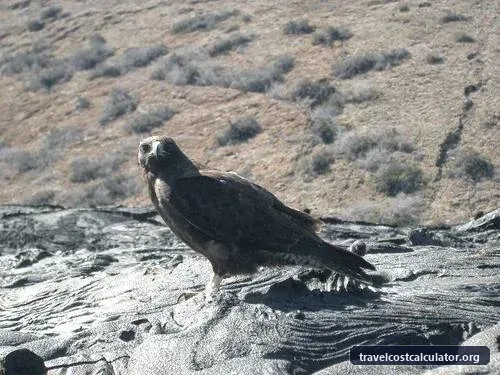
In 1978, UNESCO designated the Galápagos Islands as one of the inaugural 12 World Heritage Sites. The committee recognized the archipelago for its unprecedented levels of endemism: over 80% of the land birds, 97% of the reptiles and land mammals, and more than 30% of the plants found here exist nowhere else on Earth. Iconic species such as the marine iguana (the world's only sea-going lizard), the Galápagos giant tortoise, the flightless cormorant, and the blue-footed booby evolved in total isolation, devoid of large natural land predators.
The historical significance of the islands reached a global turning point in 1835 when a young naturalist named Charles Darwin arrived aboard the HMS Beagle. Darwin's observations of subtle physical variations among mockingbirds, finches, and tortoise shells across different islands laid the bedrock for his groundbreaking theory of evolution by natural selection, published in On the Origin of Species (1859). Today, the Galápagos Marine Reserve—expanded over recent years to connect with Costa Rica's Cocos Ridge to form a protected biological corridor—remains a global benchmark for active eco-conservation, strictly managing visitor flow to preserve its fragile biodiversity for future generations.
🎟️ Entrance Fees, Opening Hours & Ticket Booking Tips
Visiting the Galápagos Islands requires paying standardized conservation fees established by the Ecuadorian government and the Galápagos National Park Directorate. Because all international visitors must enter through mainland Ecuador, fees are collected at designated checkpoints before departure and upon arrival.
-
✦
Galápagos National Park Entrance Fee (2026 Rate): $200 USD for international adults; $100 USD for international children under 12. (Note: Citizens of the Andean Community and Mercosur nations receive discounted entry rates). This fee is payable strictly in cash (US Dollars) upon landing at Baltra (GPS) or San Cristóbal (SCY) airports.
-
✦
INGALA Transit Control Card (TCT): $20 USD per person. This card must be purchased in cash or via official government credit card terminals at the airport in Quito Travel Budget (UIO) or Guayaquil (GYE) prior to checking in for your flight to the islands.
-
✦
Isabela Island Entry Tax: $10 USD per person (cash only), collected at the dock upon arrival via inter-island public ferry at Puerto Villamil.
-
✦
Local Water Taxi Fees: $1.00 – $2.00 USD per ride in cash when transferring from main docks to inter-island ferries or excursion boats in Puerto Ayora, Puerto Baquerizo Moreno, and Puerto Villamil.
Opening Hours & Visitor Rules
The Galápagos National Park encompasses 97% of the land area of the archipelago. Visitor land sites within the National Park are open daily from 6:00 AM to 6:00 PM. Access to protected land sites and uninhabited islands is strictly prohibited without a licensed Galápagos National Park Naturalist Guide.
Essential Money & Booking Tips
-
✦
Bring Plenty of USD Cash: Ecuador uses the United States Dollar. ATMs exist only on Santa Cruz Travel Budget Island (Puerto Ayora) and San Cristóbal Island (Puerto Baquerizo Moreno). They frequently run out of cash or go offline due to island connectivity issues. There are zero ATMs on Isabela Island or Floreana Island. Pack clean, un-ripped $20 and $50 bills for entry fees, ferries, tips, and local meals.
-
✦
TCT Pre-Registration: Save time at the mainland airport by completing the online INGALA TCT pre-registration form on the official Ecuador tourism portal at least 48 hours prior to your flight departure.
-
✦
Booking Day Tours in 2026: If you are planning a land-based trip, popular boat day-tours to uninhabited islands like Bartolomé, North Seymour, or South Plaza have strict daily passenger caps. Book these excursions at least 3 to 6 months in advance through reputable operators.
🚌 How to Get There & Local Transit Costs
Reaching the Galápagos Islands involves a two-phase travel journey: flying from mainland Ecuador to the archipelago, followed by island transfers using public buses, speedboats, or small commuter aircraft.
Step 1: Mainland Flights to the Archipelago
All commercial flights to the Galápagos originate from mainland Ecuador via Quito (UIO) or Guayaquil (GYE). Major domestic carriers include LATAM Ecuador and Avianca. Direct flights from Guayaquil take approximately 1 hour 45 minutes; flights from Quito stop briefly in Guayaquil.
-
✦
Mainland Round-Trip Flight Cost: Expect to pay between $320 USD and $550 USD for a return ticket in 2026, depending on seasonality and advance booking.
-
✦
Arrival Airports: You will land at either Baltra Airport (GPS)—which serves Santa Cruz Island—or San Cristóbal Airport (SCY), located right on the edge of the main town of Puerto Baquerizo Moreno.
Step 2: Airport Transfers to Main Towns
-
✦
From Baltra Airport (GPS) to Puerto Ayora (Santa Cruz):
- Airline Shuttle Bus from airport terminal to Itabaca Canal: $5.00 USD (10-minute ride).
-
✦
Public Ferry across Itabaca Canal: $1.00 USD (5-minute crossing).
-
✦
Public Bus from Itabaca Canal to Puerto Ayora town center: $5.00 USD (45 minutes). Alternatively, a private white pickup-truck taxi costs $25.00 – $30.00 USD total for the vehicle.
Step 3: Inter-Island Transportation
Travelers exploring multiple islands land-based have two choices for inter-island transfers:
-
✦
Public Speedboats (Ferries): Public speedboats run twice daily between major hubs: Santa Cruz ↔ San Cristóbal and Santa Cruz ↔ Isabela. One-way tickets cost $35.00 – $40.00 USD per person. The ride takes 2 to 2.5 hours over open ocean and can be extremely bumpy. Insider Tip: Purchase motion sickness medication (dimenhydrinate) in advance.
-
✦
Inter-Island Flights: Small twin-engine prop planes operated by regional carriers (such as Fly Galápagos) fly between Santa Cruz (Baltra), San Cristóbal, and Isabela. Flight time is approximately 30 minutes, costing $140.00 – $180.00 USD one-way per passenger (luggage weight limits are strictly enforced at 25 lbs / 11.5 kg per person).
📸 Best Photography Spots & Insider Visit Hacks
Top Photography Locations
-
✦
Pinnacle Rock (Bartolomé Island): The quintessential Galápagos postcard shot. Ascend the wooden boardwalk (372 steps) to the summit lookout for a sweeping panoramic vista of twin crescent bays and the dramatic volcanic spire of Pinnacle Rock.
-
✦
Los Tuneles (Isabela Island): A breathtaking labyrinth of naturally formed underwater lava bridges, arches, and crystal-clear calm pools. Shoot Split Travel Budget underwater-surface photography featuring resting green sea turtles, white-tip reef sharks, and Galápagos penguins perched on volcanic rocks.
-
✦
Kicker Rock / León Dormido (San Cristóbal Island): An imposing 140-meter (460-foot) tall vertical erosion cone rising sharply from the ocean. Capture wide-angle images of the dramatic rock divide during sunset, or use underwater cameras to shoot schooling hammerhead sharks and spotted eagle rays.
-
✦
Tortuga Bay (Santa Cruz Island): A stunning 45-minute boardwalk walk leads to miles of powdery white sand where hundreds of marine iguanas warm themselves in the sun alongside blue lagoons and mangrove forests.
-
✦
El Chato Giant Tortoise Reserve (Santa Cruz Highlands): Get eye-level telephoto shots of massive Galápagos giant tortoises roaming freely through lush forest grasses and muddy wallows.
Seasonal Weather & Wildlife Hacks
The Galápagos features two distinct travel seasons, each offering completely unique wildlife encounters and photographic conditions:
-
✦
Warm & Wet Season (December to May): Air temperatures range from 80°F to 90°F (27°C–32°C), with warm ocean water (75°F–80°F / 24°C–27°C) and exceptionally high underwater visibility. Land plants bloom green, and land birds (blue-footed boobies, Darwin's finches) begin elaborate mating rituals. Sea conditions are calm, making this the best season for recreational snorkelers and sea-sickness-prone travelers.
-
✦
Cool & Dry "Garúa" Season (June to November): Ocean temperatures drop (65°F–72°F / 18°C–22°C) as the nutrient-dense Humboldt Current moves in. Air is cooler (70°F–78°F / 21°C–25°C) with mist and overcast skies ("Garúa"). This is the prime season for marine megafauna photography: whale sharks are spotted around Darwin & Wolf islands, sea lion pups are born, and marine iguanas are highly active. Note: Bring a 3mm to 5mm wetsuit for snorkeling during these months.
Insider Hacks to Avoid Crowds & Save Money
-
✦
"Last-Minute" Land Excursions: If you arrive in Puerto Ayora without pre-booked day cruises, visit local agencies along Avenida Charles Darwin between 5:00 PM and 7:00 PM. Agencies often sell remaining seats on next-day boats to Pinzón or Floreana at discounts of 20% to 30%.
-
✦
Free & Low-Cost Self-Guided Sites: Skip paid tours on certain days to explore world-class self-guided sites: Tortuga Bay, Las Grietas (requires minor entry fee + local guide), the Charles Darwin Research Station, and La Lobería on San Cristóbal.
🏨 Nearby Accommodation & Daily Budget Allocation
Travelers to the Galápagos generally choose between two primary travel styles: Land-Based Exploration (staying in hotel hubs on inhabited islands and taking day-trips) or a Liveaboard Cruise (sailing between remote islands overnight). Below is a breakdown of realistic daily expenses for land-based travelers in 2026.
Accommodation Options
-
✦
Budget Hostels & Guesthouses: $35.00 – $65.00 USD per night for a private room with air conditioning and Wi-Fi in Puerto Ayora or Puerto Baquerizo Moreno (e.g., Hostal Crossman, Hostal La Isla). Hostels on Isabela tend to run slightly higher.
-
✦
Mid-Range Boutique Hotels: $120.00 – $250.00 USD per night. Clean, comfortable eco-lodges offering swimming pools, breakfast, and organized tour assistance (e.g., Hotel Ikala, Ikala Galápagos, Casa de Marita).
-
✦
Luxury Eco-Resorts & High-End Lodging: $450.00 – $1,200+ USD per night. Luxury safari tents and eco-villas with panoramic views, gourmet meals, and dedicated concierge services (e.g., Finch Bay Galápagos Hotel, Pikaia Lodge).
Dining & Food Costs
-
✦
Budget Eats ("Almuerzos"): Local restaurants away from the main tourist drag serve 3-course set lunches (soup, main plate of fish/chicken/rice, and juice) for $6.00 – $10.00 USD.
-
✦
Popular Night Dining (Calle de los Kioskos): In Puerto Ayora, head to Charles Binford Street ("Los Kioskos") at night. Restaurants set up tables in the closed street to grill fresh local ocean catches. A whole grilled brujo (scorpionfish) or spiny lobster plate with plantains and rice costs $15.00 – $25.00 USD.
-
✦
Mid-Range Dining & Craft Beer: Dinner at western-style bistros or seafood restaurants along the harbor costs $25.00 – $45.00 USD per person, including a local craft beer or cocktail.
Daily Budget Allocation Examples (Per Person, USD)
-
✦
Backpacker / Budget Land-Based: $110 – $160 / day
- Hostel Bed / Budget Room: $40
-
✦
Local Meals / Street Kiosks: $25
-
✦
Inter-Island Ferries / Water Taxis (averaged): $15
-
✦
Self-Guided Excursions & Rental Snorkel Gear: $30 - $80
- 3-Star Boutique Hotel (shared double): $90
- All-inclusive luxury catamaran cruise including all meals, daily guided island landings, lectures, gear, and transit.
Frequently Asked Questions
Essential visitor FAQs for Galápagos Islands
What is the entrance fee for Galápagos Islands?
How much time do you need to explore Galápagos Islands?
How do I get to Galápagos Islands from the nearest city?
📊 Heritage Quick Specs
Visiting Ecuador on a Budget?
Calculate your full daily travel budget for Ecuador — including hotel costs, local transport, food, and sightseeing expenses.
View Ecuador Daily Travel Costs →Explore more UNESCO World Heritage Sites
🏛️ All 1,200+ Heritage Sites →