
 Japan
Japan
Fujisan, sacred place and source of artistic inspiration
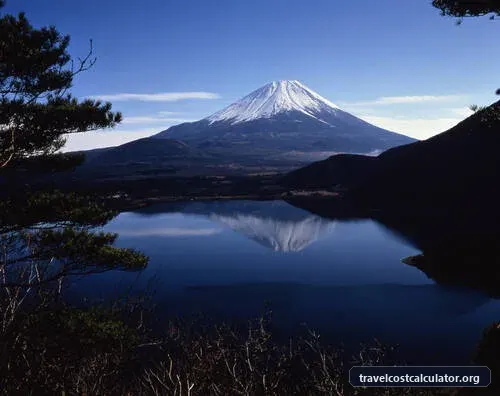
The beauty of the solitary, often snow-capped, stratovolcano, known around the world as Mount Fuji, rising above villages and tree-fringed sea and lakes has long been the object of pilgrimages and inspired artists and poets.
Fujisan, sacred place and source of artistic inspiration
🏛️ Overview & Historical Significance
Standing as an iconic, perfectly symmetrical stratovolcano rising 3,776 meters (12,389 feet) above sea level, Fujisan (Mount Fuji) is far more than Japan’s highest peak—it is the ultimate physical manifestation of Japanese spiritual identity and aesthetic consciousness. In June 2013, UNESCO inscribed "Fujisan, sacred place and source of artistic inspiration" on the World Heritage list. Crucially, UNESCO designated Fujisan as a Cultural World Heritage site rather than a natural one, acknowledging that its global value resides in human worship and creative expression spanning over a millennium.
The UNESCO designation encompasses 25 distinct component sites scattered across Yamanashi and Shizuoka Prefectures. These include the sacred mountain summit, ancient pilgrim paths, alpine lakes (the Fuji Five Lakes), pristine water springs, and historic Shinto shrines. For centuries, Fujisan has been revered under the tradition of Sangaku Shinko (mountain worship), a syncretic blend of Shinto beliefs, Buddhism, and ascetic nature veneration. Devotees believed the volcano was home to the Shinto deity Konohanasakuya-hime (the goddess of cherry blossoms and volcanoes). During the Edo Period (1603–1867), popular devotional groups known as Fuji-ko organized mass pilgrimages to ascend the mountain, establishing traditional trail huts and purification rituals in cold springs like Oshino Hakkai.
Beyond faith, Fujisan served as the primary muse for classical Japanese literature and fine arts. It featured prominently in 8th-century poetry collections like the Man'yoshu, but its worldwide cultural impact exploded during the 19th century through ukiyo-e (woodblock prints). Master artists Katsushika Hokusai (famous for Thirty-Six Views of Mount Fuji, including The Great Wave off Kanagawa) and Utagawa Hiroshige captured the peak's fleeting seasonal moods. These prints flooded into Europe, heavily inspiring Western Impressionists like Claude Monet and Vincent van Gogh, thereby permanently shaping global visual art.
🎟️ Entrance Fees, Opening Hours & Ticket Booking Tips
Visiting Fujisan involves different cost structures depending on whether you are viewing the mountain from surrounding cultural sites or undertaking the high-altitude summit trek during the official climbing season.
Mt. Fuji Summit Trail Entry & Booking Rules (2026 Updates)
To combat overtourism, environmental degradation, and dangerous "bullet climbing" (attempting an overnight summit push without rest), strict trail management fees and entry caps apply across all climbing routes. All prices and rules reflect 2026 guidelines:
-
✦
Yoshida Trail (Yamanashi Side): Mandatory entry fee of ¥2,000 JPY (~$13.30 USD) per climber, plus an optional ¥1,000 JPY (~$6.70 USD) conservation donation (Total: ¥3,000 JPY / ~$20.00 USD).
Daily Cap & Online Booking: Entries are capped at 4,000 climbers per day. You must pre-register and pay your fee through the official Yamanashi Prefecture online booking portal prior to your trip. Gate access at the 5th Station is closed between 4:00 PM and 3:00 AM for anyone without a confirmed mountain hut reservation. -
✦
Shizuoka Trails (Fujinomiya, Subashiri, Gotemba): Mandatory online registration system with a ¥2,000 JPY (~$13.30 USD) entry management fee per person. Gate checks are strictly enforced at each trailhead.
-
✦
Official Summit Season: The climbing season runs strictly from early July to early September (typically July 1 – September 10 for Yoshida; July 10 – September 10 for Shizuoka trails). Trails are officially closed during autumn, winter, and spring due to severe sub-zero weather and avalanche hazards.
UNESCO Cultural Component Sites (Year-Round Access)
-
✦
Fujisan Hongu Sengen Taisha Shrine (Fujinomiya): Free admission to shrine grounds. The Treasury Museum costs ¥300 JPY (~$2.00 USD). Hours: 6:00 AM – 7:00 PM.
-
✦
Kitaguchi Hongu Fuji Sengen Shrine (Fujiyoshida): Free admission. Open 24/7 (Office open 8:30 AM – 5:00 PM).
-
✦
Arakurayama Sengen Park & Chureito Pagoda: Free admission. Accessible 24/7 year-round.
-
✦
Oshino Hakkai (Sacred Springs): Free entry to the village and springs. The Hannoki Bayashi Shiryokan open-air museum costs ¥300 JPY (~$2.00 USD). Open 9:00 AM – 5:00 PM.
-
✦
Miho no Matsubara Pine Tree Grove (Shizuoka): Free entry. Accessible 24/7.
🚌 How to Get There & Local Transit Costs
The main gateway for exploring Fujisan from Tokyo Travel Budget is the Fuji Five Lakes (Fujigoko) region on the northern side (Yamanashi Prefecture), specifically Kawaguchiko Station or Fujiyoshida. Alternatively, travelers approaching from Kyoto Travel Budget or Osaka often use Fujinomiya on the southern side (Shizuoka Prefecture).
1. From Tokyo to Kawaguchiko / Subaru 5th Station
-
✦
Highway Express Bus (Most Budget-Friendly): Direct express buses operate from Busta Shinjuku (Shinjuku Station Express Bus Terminal), Tokyo Station, and Shibuya Station directly to Kawaguchiko Station.
Travel Time: ~1 hour 45 minutes.
Cost: ¥2,200 – ¥2,400 JPY (~$14.70 – $16.00 USD) one-way.
Direct to 5th Station: During the summer climbing season, direct buses run from Shinjuku straight to the Fuji Subaru Line 5th Station. Travel Time: ~2.5 hours. Cost: ¥3,800 JPY (~$25.30 USD) one-way. -
✦
JR Limited Express Train ("Fuji Excursion"): Direct train service from JR Shinjuku Station to Kawaguchiko Station without transfers.
Travel Time: ~1 hour 55 minutes.
Cost: ¥4,130 JPY (~$27.50 USD) one-way (seat reservation included). If using a Japan Rail (JR) Pass, a surcharge of ~¥1,740 JPY applies for the non-JR Fujikyu Railway portion between Otsuki and Kawaguchiko (fully covered by the JR TOKYO Wide Pass).
2. Local Transport Around the UNESCO Sites
-
✦
Fujikyu Sightseeing Omni Bus Passes: The Red Line (Kawaguchiko Shore), Green Line (Saiko Lake), and Blue Line (Shojiko/Motosuko) loop buses connect key sights. A 2-day unlimited pass costs ¥2,000 JPY (~$13.30 USD).
-
✦
Fuji Subaru Line Shuttle Bus (Fujiyoshida to 5th Station): During July and August, private car restrictions apply on the mountain road. Park-and-ride shuttles from Fujiyoshida/Kawaguchiko to the Fuji Subaru Line 5th Station cost ¥2,800 JPY (~$18.70 USD) round-trip.
-
✦
Car Rental: Renting a car near Kawaguchiko Station costs approximately ¥7,000 – ¥11,000 JPY (~$46.70 – $73.30 USD) per day, offering total flexibility to visit spread-out UNESCO spots like Lake Motosu and Oshino Hakkai.
📸 Best Photography Spots & Insider Visit Hacks
Top 5 Photogenic Viewpoints
-
✦
Arakurayama Sengen Park (Chureito Pagoda): The quintessential postcard view of Japan framing Fujisan behind a five-story red pagoda. Best season: April for cherry blossoms, November for autumn maple foliage. Arrive before 7:00 AM to beat tour buses.
-
✦
Oishi Park (Northern Shore of Lake Kawaguchiko): Offers an unobstructed panorama over the lake. Features blooming lavender fields in early July and bright red Kochia (summer cypress) bushes in mid-October.
-
✦
Lake Mototsu (The ¥1,000 Bill View): Head to the northwestern shore of Lake Motosu to witness the exact angle featured on the back of the Japanese ¥1,000 note.
-
✦
Oshino Hakkai: Eight clear spring-fed ponds supplied by Fujisan’s melting snow filtering through lava layers over 80 years. Photograph old thatched-roof farmhouses with Fujisan in the background.
-
✦
Miho no Matsubara (Shizuoka): A 7km black sand coastline lined with 30,000 ancient pine trees, framed against the distant sea and Fujisan—the iconic landscape rendered in Utagawa Hiroshige’s 19th-century prints.
Insider Travel & Photography Hacks
Beat the Cloud Cover: Fujisan is notoriously elusive, frequently cloaked in dense cloud cover, particularly during humid summer afternoons. Your highest probability of clear visibility is between 6:00 AM and 9:00 AM. Winter months (November to February) yield cold, crisp, dry air with a 75%+ clear view success rate, alongside a stunning snow-capped peak.
Hut Reservations for Climbers: If ascending the mountain, never attempt a bullet climb. Reserve a mountain hut along the 7th or 8th stations months in advance (bookings open online between March and May each year). Expect to pay ¥10,000 – ¥14,000 JPY (~$66.70 – $93.30 USD) per night, which typically includes a warm dinner (curry rice) and early morning breakfast. Staying at a hut grants you access past the 4:00 PM trail gate restriction and lets you acclimatize safely before the final summit push for Goraiko (sunrise).
🏨 Nearby Accommodation & Daily Budget Allocation
Staying overnight near Fujisan allows you to capture sunrise views and explore multiple UNESCO component sites across Yamanashi and Shizuoka. The primary hub for accommodation is Kawaguchiko / Fujiyoshida.
Accommodation Price Tiers (2026 Estimates)
-
✦
Budget (Hostels & Capsule Hotels): ¥4,000 – ¥8,000 JPY (~$26.70 – $53.30 USD) per night. Options include K's House Fuji View Hostels or Dot Hostel Nagano/Fuji, offering clean dormitory beds, shared kitchens, and rooftop mountain views.
-
✦
Mid-Range (Boutique Hotels & Traditional Minshuku): ¥16,000 – ¥32,000 JPY (~$106.70 – $213.30 USD) per night. Hotels like Fuji View Hotel or local family-run bed-and-breakfasts near Lake Kawaguchiko offer traditional Japanese rooms, breakfast, and communal hot springs.
-
✦
Luxury (Onsen Ryokan with Private Fuji Views): ¥55,000 – ¥130,000+ JPY (~$366.70 – $866.70+ USD) per night. Elite properties such as Hoshinoya Fuji (glamping concept), Ubuya Ryokan, or Kukuna provide private open-air hot spring baths (*rotenburo*) overlooking Lake Kawaguchiko and full multi-course *Kaiseki* dinners.
Daily Food & Dining Expenses
-
✦
Local Dish - Hoto Noodles: A rich, hearty soup with flat wheat noodles, local vegetables, and pumpkin cooked in a miso broth. A serving costs ¥1,200 – ¥1,800 JPY (~$8.00 – $12.00 USD) at famous spots like Houtou Fudou.
-
✦
Casual / Convenience Store Meals: Grab-and-go lunches (bento boxes, onigiri, ramune) cost ¥800 – ¥1,500 JPY (~$5.30 – $10.00 USD) per day.
-
✦
Mid-Range Izakaya Dinner: Fresh mountain trout, grilled meats, and local sake cost ¥3,500 – ¥6,000 JPY (~$23.30 – $40.00 USD) per person.
Estimated Daily Budget Breakdown
-
✦
Backpacker / Low-Cost Traveler: ~$60 – $85 USD (¥9,000 – ¥12,750 JPY) per day (Hostel bed, 2-day bus pass, casual dining/convenience food, entry to free UNESCO sites).
-
✦
Mid-Range Traveler: ~$200 – $320 USD (¥30,000 – ¥48,000 JPY) per day (Standard hotel/minshuku, local train/car rental Split Travel Budget, sit-down meals, sightseeing tickets).
-
✦
Luxury Traveler: ~$600 – $1,200+ USD (¥90,000 – ¥180,000+ JPY) per day (Premium Ryokan with private onsen, private taxi transfers, fine Kaiseki dining).
Frequently Asked Questions
Essential visitor FAQs for Fujisan, sacred place and source of artistic inspiration
What is the entrance fee for Fujisan, sacred place and source of artistic inspiration?
How much time do you need to explore Fujisan, sacred place and source of artistic inspiration?
How do I get to Fujisan, sacred place and source of artistic inspiration from the nearest city?
📊 Heritage Quick Specs
Visiting Japan on a Budget?
Calculate your full daily travel budget for Japan — including hotel costs, local transport, food, and sightseeing expenses.
View Japan Daily Travel Costs →Explore more UNESCO World Heritage Sites
🏛️ All 1,200+ Heritage Sites →